• KZT/USD = 0.00218
  • TJS/USD = 0.10820
  • UZS/USD = 0.00008
  • TMT/USD = 0.29850
  • KZT/USD = 0.00218
  • TJS/USD = 0.10820
  • UZS/USD = 0.00008
  • TMT/USD = 0.29850
  • KZT/USD = 0.00218
  • TJS/USD = 0.10820
  • UZS/USD = 0.00008
  • TMT/USD = 0.29850
  • KZT/USD = 0.00218
  • TJS/USD = 0.10820
  • UZS/USD = 0.00008
  • TMT/USD = 0.29850
  • KZT/USD = 0.00218
  • TJS/USD = 0.10820
  • UZS/USD = 0.00008
  • TMT/USD = 0.29850
  • KZT/USD = 0.00218
  • TJS/USD = 0.10820
  • UZS/USD = 0.00008
  • TMT/USD = 0.29850
  • KZT/USD = 0.00218
  • TJS/USD = 0.10820
  • UZS/USD = 0.00008
  • TMT/USD = 0.29850
  • KZT/USD = 0.00218
  • TJS/USD = 0.10820
  • UZS/USD = 0.00008
  • TMT/USD = 0.29850
25 November 2026

Viewing results 43 - 48 of 68

Turkmenistan Tightens Border Rules to Limit Trips to Uzbekistan

Turkmenistan is imposing stricter regulations on cross-border tourism with Uzbekistan, reportedly to conceal its struggles to provide basic goods and services to its citizens, according to Eurasianet. In 2024, an increasing number of Turkmen citizens have been traveling to Uzbekistan to purchase food and essential items that are scarce in their own country, a reflection of Turkmenistan’s ongoing economic crisis. Over the past month, customs officials have introduced new rules aimed at curbing these cross-border trips, according to Radio Free Europe/Radio Liberty (RFE/RL). Travelers are now required to present a variety of documents, including marriage certificates and proof of residency, to cross the border. Residents of the Dashoguz Region have reported that dozens of people were denied exit for failing to provide all the necessary paperwork. RFE/RL suggests that the government views these trips as a source of embarrassment, highlighting the reliance of its citizens on Uzbekistan for basic necessities. To counter this perception, Turkmen authorities are tightening border controls. However, the report also notes that corruption persists; intermediaries can reportedly facilitate crossings for a $50 bribe. “Customs officers accuse these citizens of shaming the country by engaging in trade, and under this pretext, they stop them at customs,” RFE/RL quoted one individual as saying. Turkmenistan’s efforts to stem cross-border movement reflect its struggle to address domestic shortages while grappling with the broader implications of its economic challenges.

Turkmenistan Forcibly Hospitalizes Human Rights Activist to Prevent Her Traveling

Veteran journalist and human rights defender Soltan Achilova was forcibly hospitalized in Turkmenistan, an apparent attempt by authorities to prevent her from leaving the country for an international event in Geneva. The incident was highlighted in a recent article by Rachel Denber, Deputy Director of the Europe and Central Asia Division of Human Rights Watch. Achilova, aged 75, was set to attend an event organized by the Martin Ennals Foundation in recognition of her nomination in 2021 as a finalist for the award. On the morning of November 20, hours before her flight from Ashgabat, four men in medical uniforms arrived at her home. Claiming suspicion of an infectious disease, they forcibly removed her from her residence, confiscated her keys, and transported her to an infectious disease hospital. Shortly after, Achilova's daughter and son-in-law arrived at the scene, only to find one of the men still at the apartment, who demanded they undergo medical examinations due to "contact" with the allegedly infected Achilova. At the hospital, Achilova was subjected to a blood test but was not informed of the specific illness she was purportedly carrying. Officials later declared the test "positive," requiring her indefinite hospitalization. Achilova, along with her daughter and son-in-law, remained at the hospital overnight. This incident reflects a long-standing pattern of repression by Turkmen authorities, who frequently use such tactics to restrict human rights activists from traveling abroad. In 2023, Achilova and her daughter were also barred from traveling to Geneva when officials claimed their passports were damaged. International organizations and human rights defenders have called on Turkmenistan's government to release Achilova and her relatives immediately, cease their forced hospitalization, and allow her to travel freely. Achilova’s ordeal is emblematic of the systemic harassment faced by independent journalists and human rights activists in Turkmenistan. Over the years, she has endured various forms of intimidation: being followed near her home, having her property vandalized, and suffering physical assaults, including attacks by police and unidentified individuals. Achilova's unwavering commitment to human rights has made her a target of state repression. Despite ongoing threats, she continues to raise awareness about the plight of ordinary citizens under Turkmenistan’s authoritarian regime led by President Serdar Berdimuhamedov.

Turkmenistan Strengthens Anti-Corruption Mechanisms With Kazakh Experience

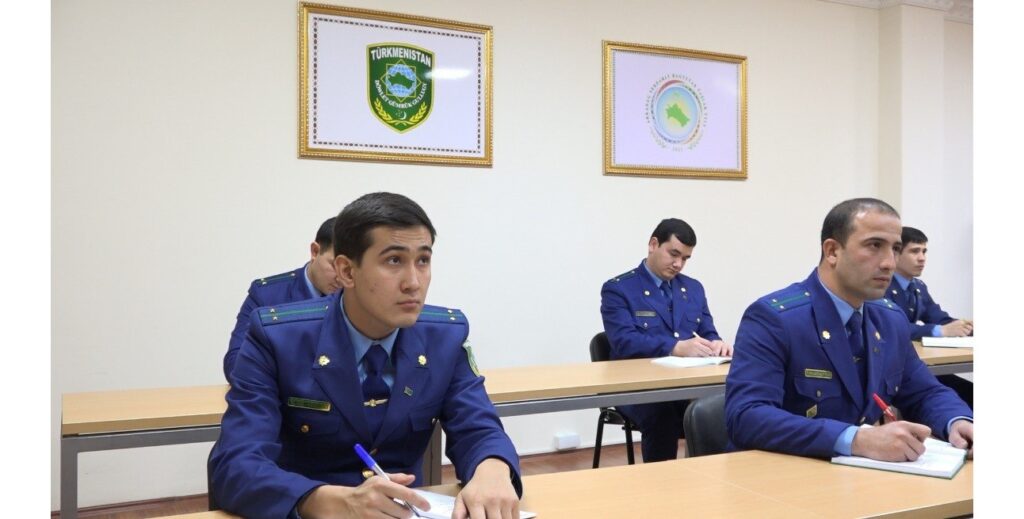
Turkmenistan is actively enhancing its anti-corruption framework by drawing on international expertise. A delegation of senior officials from key ministries recently visited Kazakhstan to learn from its financial practices. This visit, facilitated by the USAID "Governance in Turkmenistan" project with support from the OSCE Center in Ashgabat, aimed to explore best practices in financial monitoring, investigations, and the regulation of virtual assets at the Astana International Financial Center. Therein, Turkmen officials studied national risk assessments, inter-agency cooperation, and preventive measures against corruption, with a particular focus on asset recovery and identifying beneficial owners. The GAT project underlines Turkmenistan's stated commitment to fostering transparent, inclusive governance and advancing socioeconomic development.

Turkmenistan Forces Government Employees to Surrender Passports

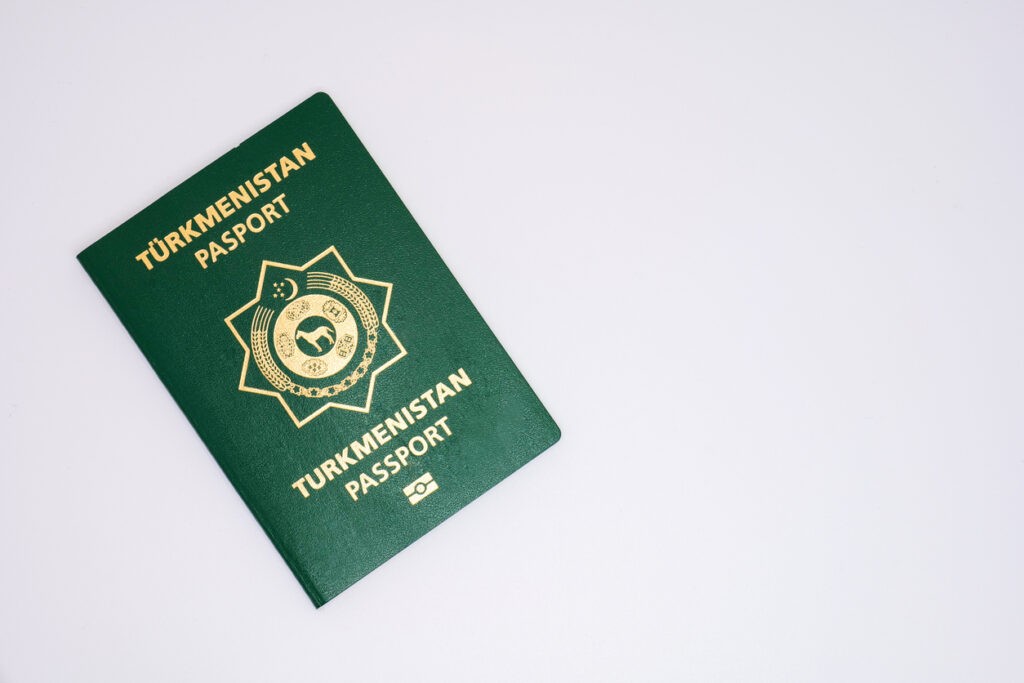
Employees of state institutions in Turkmenistan are being forced to surrender their biometric passports. According to local sources, the migration service has been instructed to collect passports within a week and submit a report to the State Migration Service in Ashgabat. Workers from the education, healthcare, transportation and other sectors must surrender their passports, or provide a certificate to prove that they do not possess one. The requirement was verbally sent to state agencies in the country's Balkan region on September 9, and enforcement began immediately. “The heads of local organizations have announced to their employees: 'Either hand in your passports or don't come to work from tomorrow afternoon.' Even chief doctors at clinics and school directors must hand in their passports,” a state employee in the town of Turkmenbashi said. Attempts to get comments from the authorities on the measure -- which coincides with an increase in the number of citizens traveling abroad -- were unsuccessful. In addition, as the number of Turkmenistanis joining Russia's army in its war in Ukraine increases, passports have also been taken away from university students. In late August, students of the Turkmen State Pedagogical Institute and the Turkmen State Medical University were forced to surrender their biometric documents.

Central Asian Police and Prosecutors Follow the Money

Gathering intelligence on money laundering and terrorist financing is just one step for authorities trying to crack down on those crimes. Transforming the intelligence into courtroom-ready evidence is just as vital. That challenge was the focus of a European Union-led workshop in Türkiye this week that drew more than 50 judicial and law enforcement officials, many of them from Central Asian countries. The prosecutors, police and financial intelligence experts discussed asset confiscation and forfeiture, mutual legal aid, open source intelligence and parallel financial investigations, which amount to following the money while separate criminal probes are underway. “The need to ensure the conversion of financial intelligence into admissible evidence in court is paramount, as it is the step that allows countries to prevent, detect and better prosecute criminals involved in financial crimes,” David Hotte, team leader at the EU Global Facility on money laundering and terrorism financing. The EU project and Türkiye´s financial intelligence unit, which is part of the Ministry of Finance, organized the workshop in Ankara, the Turkish capital. It ended Wednesday. The participants were from Kazakhstan, Kyrgyzstan, Tajikistan, Turkmenistan, Uzbekistan, Azerbaijan, Georgia and Somalia. In recent years, Kazakh authorities have pursued an international campaign to recover assets that they say were stolen and moved abroad. Last month, Kazakh authorities said they had completed an investigation into the case of a nephew of former president Nursultan Nazarbayev and that the equivalent of $1.6 billion worth of assets had been returned to the state. The United Nations Office on Drugs and Crime is also helping Central Asia with efforts against financial crimes. In April, it hosted a training session on money laundering for prosecutors, judges and financial investigators in Kyrgyzstan. Similar workshops have been held in Uzbekistan and Kazakhstan. Some civil society groups in Central Asia say their governments could do a lot more to ensure budget transparency and curb violations of financial legislation. A 2023 index compiled by Transparency International ranks countries by perceived levels of public sector corruption – 0 is very corrupt and 100 is very clean. Kazakhstan scored 39, followed by Uzbekistan (33), Kyrgyzstan (26), Tajikistan (20) and Turkmenistan (18). The index scores are based on at least three “data sources” drawn from 13 different corruption studies and collected by institutions including the World Bank and the World Economic Forum, according to Transparency International.

Doctors in Turkmenistan Ordered Not To Perform Abortions

Turkmenistan has imposed severe restrictions on conducting abortions, effectively banning them. In recent weeks, government officials have been visiting hospitals and clinics, and warning doctors that they will be stripped of their diplomas if they do. According to Radio Azatlyk, sources from different regions of the country say that doctors have been forced to refuse women seeking abortions, even though the law allows it within the first five weeks of pregnancy. The authorities have not commented on the reasons for yet another tightening of measures to prevent abortions. However, according to several doctors in Ashgabat, it may be due to a sharp increase in teenage pregnancies. At the same time, doctors note that many young girls, unable to have a legal abortion, resort to dangerous methods of terminating pregnancy, resulting in serious risks to their health. Despite the bans, there are still doctors who continue to perform abortions clandestinely. The cost of such services has increased significantly, and varies depending on the term of the pregnancy.