• KGS/USD = 0.01144 0%
  • KZT/USD = 0.00204 0%
  • TJS/USD = 0.10429 0.29%
  • UZS/USD = 0.00008 0%
  • TMT/USD = 0.28490 0%
  • KGS/USD = 0.01144 0%
  • KZT/USD = 0.00204 0%
  • TJS/USD = 0.10429 0.29%
  • UZS/USD = 0.00008 0%
  • TMT/USD = 0.28490 0%
  • KGS/USD = 0.01144 0%
  • KZT/USD = 0.00204 0%
  • TJS/USD = 0.10429 0.29%
  • UZS/USD = 0.00008 0%
  • TMT/USD = 0.28490 0%
  • KGS/USD = 0.01144 0%
  • KZT/USD = 0.00204 0%
  • TJS/USD = 0.10429 0.29%
  • UZS/USD = 0.00008 0%
  • TMT/USD = 0.28490 0%
  • KGS/USD = 0.01144 0%
  • KZT/USD = 0.00204 0%
  • TJS/USD = 0.10429 0.29%
  • UZS/USD = 0.00008 0%
  • TMT/USD = 0.28490 0%
  • KGS/USD = 0.01144 0%
  • KZT/USD = 0.00204 0%
  • TJS/USD = 0.10429 0.29%
  • UZS/USD = 0.00008 0%
  • TMT/USD = 0.28490 0%
  • KGS/USD = 0.01144 0%
  • KZT/USD = 0.00204 0%
  • TJS/USD = 0.10429 0.29%
  • UZS/USD = 0.00008 0%
  • TMT/USD = 0.28490 0%
  • KGS/USD = 0.01144 0%
  • KZT/USD = 0.00204 0%
  • TJS/USD = 0.10429 0.29%
  • UZS/USD = 0.00008 0%
  • TMT/USD = 0.28490 0%

Viewing results 25 - 30 of 935

Uzbekistan Clarifies Nuclear Plant Timeline After Reports of Delay

Uzbekistan’s plans to begin construction of its first nuclear power plant have come under renewed scrutiny following the publication of a draft state program suggesting the start of work could be postponed until December 2026. The draft made public on the regulation.adliya.uz portal prompted widespread media speculation. According to the document, Uzbekistan intends to spend 2026 negotiating, signing, and registering an additional agreement with Russia’s state nuclear corporation, Rosatom. The proposed agreement would revise the configuration of the integrated nuclear power plant project, combining a large-capacity VVER-1000 reactor with small modular RITM-200N reactors. Some outlets interpreted this language as a sign that the pouring of the first concrete might not occur until the end of 2026. In response, the Uzatom nuclear energy agency issued an official clarification, stating that previously announced timelines remain unchanged. In a statement released after the draft’s publication, Uzatom stressed that the document does not stipulate any postponement of construction. The agency noted that the December 2026 date reflects a conservative planning scenario in which all preparatory and licensing procedures are finalized by that time. Uzatom emphasized its adherence to national legislation and international standards on nuclear and radiation safety. It added that the first concrete pouring, considered a key milestone, will only proceed after receiving all necessary permits and approvals from relevant authorities. “We clearly understand the level of responsibility involved in this stage,” the agency said, adding that work on the project is advancing across all areas. The clarification comes amid sustained public interest in Uzbekistan’s nuclear energy plans. Speaking at World Atomic Week in Moscow in September last year, Uzatom Director Azim Akhmedkhadjaev stated that Uzbekistan aims to fully commission a high-capacity nuclear power plant by 2035. According to him, the first small modular reactor in the Jizzakh region is expected to begin operations in 2029, with a second unit following six months later. The first reactor of the large-scale facility is scheduled to come online in 2033, with full capacity reached by 2035, though Akhmedkhadjaev noted that final timelines are contingent on the completion of contractual agreements. Uzatom said it will continue to provide timely updates as the project progresses through its key phases.

Uzbekistan’s Central Bank Reaffirms Commitment to Reforms and Free Exchange Rate

Uzbekistan’s central bank has reiterated that the som’s exchange rate will be left to market forces, arguing that a 'free float' is key to its inflation-targeting framework. In a statement released this month, the Central Bank of Uzbekistan said the exchange rate should be treated as an indicator, not a policy target. Attempts to hold the currency at a chosen point, it warned, can build pressure that later unwinds in sharper moves.  Any foreign exchange operations, it added, would be aimed at smoothing excessive, short-term volatility, rather than steering the market. The stance continues a shift that began with the 2017 liberalisation of the currency market, which gave more access to foreign exchange, and narrowed the gap between official and black market rates. Recent fluctuations in the som have been closely watched. An earlier report on why the som has held up at times pointed to remittance inflows, export earnings and a tighter domestic monetary stance. Uzbekistan adopted inflation targeting in 2020, using the policy rate as its main lever. The central bank has kept the key rate at 14% since December 2025. It is due to review it again on January 28. In its monetary policy guidelines for 2026–2028, the bank projects headline inflation easing to about 7% by the end of 2026 and returning to a 5% medium-term target in 2027, assuming monetary conditions remain restrictive, and external price pressures fade. A floating rate can cushion swings in commodity prices, remittances and trading partner demand. But it also passes currency shifts more directly into the cost of dollar-priced imports, from consumer goods to industrial inputs. That risk is heightened when energy shortages and higher fuel costs feed broader price pressures, as described in coverage of the region’s growing energy deficit. International lenders have broadly backed Uzbekistan’s direction, while urging deeper reforms. In late 2025, the IMF welcomed greater exchange-rate flexibility and called for continued structural changes, according to its latest review.

Russia Increases Natural Gas Exports to Uzbekistan

Russia significantly increased natural gas exports to Uzbekistan in 2025, with deliveries rising by about 30% to more than 7 billion cubic meters via the Central Asia–Center pipeline system, according to the International Energy Agency (IEA). The increase came despite an overall decline in Russia’s gas production and a sharp drop in exports to Europe, pointing to Central Asia’s growing role in Moscow’s energy strategy. In its latest report, the IEA said natural gas output across Eurasia fell by an estimated 2% in 2025, largely due to lower production in Russia. Preliminary data point to a 3% decline in Russian gas output, or around 22 billion cubic meters, amid weaker domestic demand and shrinking exports. Domestic deliveries dropped by nearly 3%, with the sharpest decline recorded in the first quarter, when milder winter temperatures reduced heating demand. At the same time, pipeline gas exports to Europe plunged by roughly 25% year on year following the halt of transit through Ukraine on January 1, 2025. The shortfall was only partly offset by increased supplies to China and Central Asia. Exports to China via the Power of Siberia pipeline rose by 25% to nearly 39 billion cubic meters, while shipments to Uzbekistan through Kazakhstan continued to increase. The IEA also noted diverging trends across Central Asia’s gas sector. Turkmenistan’s gas production rose by about 3% to roughly 80 billion cubic meters. By contrast, Uzbekistan’s output fell by 4.5% in the first 11 months of 2025 due to upstream capacity constraints. Kazakhstan, meanwhile, recorded a gain of more than 10% in sales gas production, although regional pipeline exports to China declined by around 5%. Against this backdrop, Russia is moving to formalize energy ties with Central Asian countries. The Russian Energy Ministry announced the creation of a joint energy working group following expert-level consultations held under the “Central Asia–Russia” framework at the Russian Foreign Ministry. Deputy Energy Minister Roman Marshavin, who participated in the talks, said the working group will operate at the deputy minister level and include representatives from Russia, Kazakhstan, Kyrgyzstan, Uzbekistan, Tajikistan, and Turkmenistan. The body will be tasked with implementing the Joint Action Plan for 2025-2027, adopted at the second Central Asia-Russia summit in Dushanbe in October 2025. The ministry said the group will focus on coordinating fuel and energy policy and overseeing the implementation of decisions approved by regional leaders.

Central Asia Launches Regional Electricity Market with World Bank Support

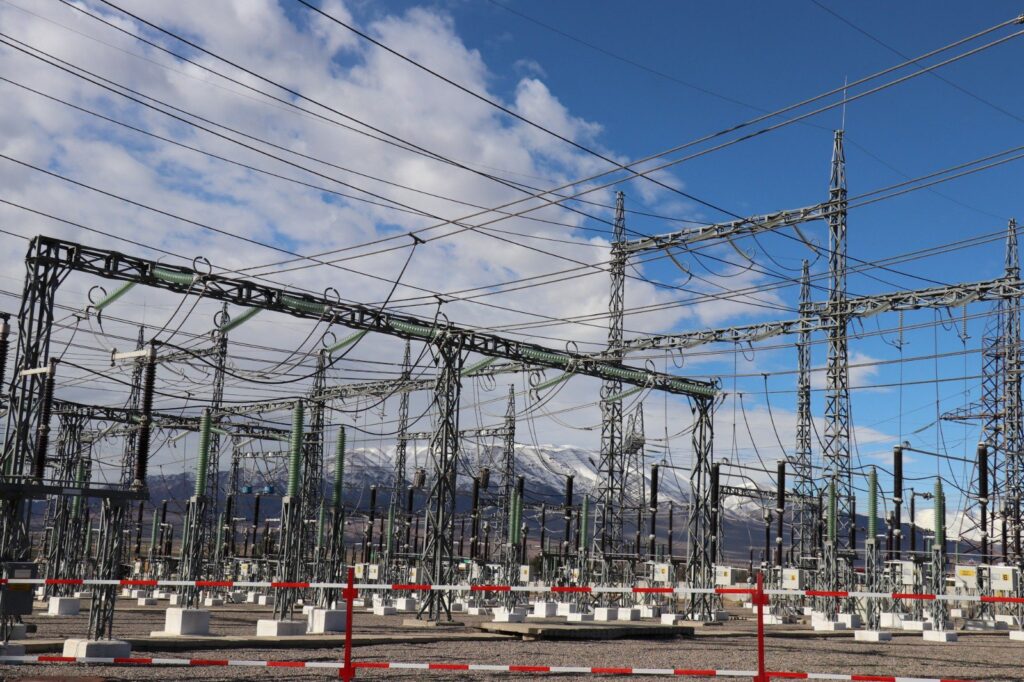
On January 22, the World Bank’s Board of Executive Directors approved the 10-year Regional Electricity Market Interconnectivity and Trade (REMIT) Program, an ambitious initiative to establish Central Asia’s first regional electricity market. The program aims to boost cross-border electricity trade, expand transmission capacity, and lay the foundation for large-scale renewable energy integration across the region. Electricity demand in Central Asia is projected to triple by 2050 under a business-as-usual scenario. Yet electricity trade in the region currently accounts for only 3% of total demand. The REMIT Program seeks to harness Central Asia’s diverse and complementary energy resources: hydropower in Kyrgyzstan and Tajikistan, thermal power from coal and natural gas in Kazakhstan, Turkmenistan, and Uzbekistan, and the region’s rapidly expanding solar and wind potential. Over the next decade, REMIT aims to: Increase regional electricity trade to at least 15,000 GWh annually, enough to supply millions of consumers Triple regional transmission capacity to 16 GW Enable up to 9 GW of clean energy integration The initiative is designed to enhance regional energy security, reduce power outages, lower electricity costs, and promote a more resilient and interconnected grid system. Total indicative financing for the program is $1.018 billion, to be deployed in three phases. These funds will support the creation and operation of a regional energy market, boost transmission infrastructure, introduce digital technologies to improve grid reliability, and strengthen regional energy institutions and coordination mechanisms. Investments are also expected to generate both construction-related employment and high-skilled jobs tied to market operations. In the program’s first phase, Kyrgyzstan, Tajikistan, Uzbekistan, and the Central Asian Countries’ Coordinating Dispatch Center (CDC) Energia will benefit from grants and concessional financing totaling $143.2 million. This comprises $140 million from the World Bank’s International Development Association (IDA) and $3.2 million from the Central Asia Water and Energy Program (CAWEP). “The REMIT Program supports Central Asian countries’ ambition to deepen energy cooperation and create a regional electricity market,” said Najy Benhassine, World Bank Regional Director for Central Asia. “This will enable more efficient use of energy resources, including cross-border deployment of clean energy, improve access to reliable and affordable electricity, and support jobs. By 2050, stronger regional connectivity could generate up to $15 billion in economic benefits.” Charles Cormier, World Bank Regional Infrastructure Director for Europe and Central Asia, added that REMIT will advance energy security and unlock private sector investment. “The first phase alone is expected to enable about 900 MW of new clean energy capacity, leveraging $700 million in private investment. This will pave the way for a more resilient and interconnected power system across this dynamic region,” he said. CDC Energia will lead the implementation of market and institutional activities, while national transmission companies will be responsible for infrastructure investments.

Uzbekistan Signals Possible Retaliation Over Increased Trade Costs in Tajikistan

Uzbekistan may introduce reciprocal measures in response to trade barriers impacting its exports to Tajikistan, Deputy Prime Minister Jamshid Khodjaev announced on January 17 during a meeting of entrepreneurs, ambassadors, and government officials in Tashkent. Khodjaev highlighted challenges faced by Uzbek exporters, particularly in the construction materials sector, despite full compliance with required documentation. “We have problems related to Tajikistan. We export products to this market, but even when all documents are complete, our goods are cleared under a so-called ‘reserve’ procedure,” he said. “As a result, the price of our products in that market rises by about 15%.” Meeting participants reported that additional charges imposed at Tajik customs are inflating the cost of Uzbek construction materials and reducing competitiveness. Khodjaev warned that if such restrictions are not lifted, Uzbekistan may respond with similar trade measures. The issue was also raised by representatives of German construction materials giant Knauf. The company’s commercial director noted that exporters face similar obstacles not only in Tajikistan but also in Turkmenistan and parts of the Caucasus region. In Tajikistan’s case, the “reserve” customs clearance procedure was cited as a key driver of increased costs. “This is pushing the price of our products in the Tajik market up by as much as 15%,” the representative said. Entrepreneurs stated that combined logistics and customs costs for shipments to Tajikistan have surged from approximately $2,000 to $12,000. Despite multiple appeals to Tajik authorities, they said no resolution has been achieved, and the elevated costs are undermining export volumes. “If they impose duties, we can do the same,” Khodjaev stated. “Our customs officials will talk to their counterparts. If this practice continues, we will take response measures. Our ambassador should clearly convey this signal.” Despite the ongoing friction, trade between Uzbekistan and Tajikistan surpassed $700 million in 2024, nearly three times higher than in previous years. Both governments have indicated they are exploring new logistics corridors and simplified customs procedures to deepen bilateral economic ties.

Central Asia Trade with China Tops Record $100 Billion in 2025

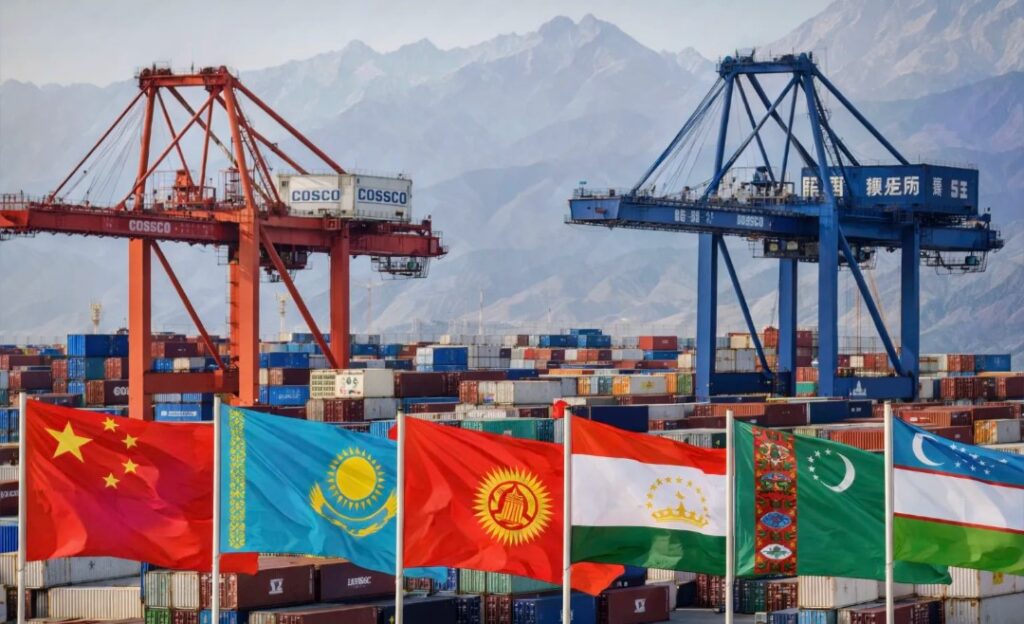
Trade between China and Central Asia increased to a record of more than $100 billion in 2025, despite challenges to global economic growth, the Chinese government said on Monday.  Citing data from China’s General Administration of Customs, Foreign Ministry spokesman Guo Jiakun said the trade structure with the Central Asian nations of Kazakhstan, Kyrgyzstan, Tajikistan, Turkmenistan and Uzbekistan had improved and that more high-end products were entering the Chinese market from the region.   “As global economic growth remains sluggish and the international trading system faces serious challenges, the economic and trade cooperation between China and Central Asian countries has withstood external headwinds, and the trade volume surpassed US$100 billion,” Guo said.  He attributed the increasing cooperation in part to a China-Central Asia summit in Astana, Kazakhstan last year that was attended by Chinese President Xi Jinping and the five Central Asian leaders.  China’s Belt and Road initiatives, which include the development of trade routes that pass through Central Asia and link up with Europe, are also making progress, according to the Chinese official.  Total trade between China and Central Asia was $106.3 billion in 2025, an increase of 12 percent over the previous year, China’s state-run Xinhua news agency reported. Chinese exports such as machinery, electronics and high-tech goods were $71.2 billion, an increase of 11 percent over the previous year. Imports from Central Asia amounted to $35.1 billion, a rise of 14 percent from 2024. China is involved in major projects in Central Asia, including the extraction of minerals used for “clean” technology, equipment manufacturing and the modernization of agriculture. China imports oil and natural gas as well as a growing number of other products from the region.  Russia was once the main trading partner of Central Asia after the fall of the Soviet Union, but China has the lead position now. The United States is also seeking to develop more trade with resource-rich Central Asia, which is diversifying its international partnerships.