• KGS/USD = 0.01144 0%
  • KZT/USD = 0.00213 0%
  • TJS/USD = 0.10607 0.57%
  • UZS/USD = 0.00008 0%
  • TMT/USD = 0.28530 0%
  • KGS/USD = 0.01144 0%
  • KZT/USD = 0.00213 0%
  • TJS/USD = 0.10607 0.57%
  • UZS/USD = 0.00008 0%
  • TMT/USD = 0.28530 0%
  • KGS/USD = 0.01144 0%
  • KZT/USD = 0.00213 0%
  • TJS/USD = 0.10607 0.57%
  • UZS/USD = 0.00008 0%
  • TMT/USD = 0.28530 0%
  • KGS/USD = 0.01144 0%
  • KZT/USD = 0.00213 0%
  • TJS/USD = 0.10607 0.57%
  • UZS/USD = 0.00008 0%
  • TMT/USD = 0.28530 0%
  • KGS/USD = 0.01144 0%
  • KZT/USD = 0.00213 0%
  • TJS/USD = 0.10607 0.57%
  • UZS/USD = 0.00008 0%
  • TMT/USD = 0.28530 0%
  • KGS/USD = 0.01144 0%
  • KZT/USD = 0.00213 0%
  • TJS/USD = 0.10607 0.57%
  • UZS/USD = 0.00008 0%
  • TMT/USD = 0.28530 0%
  • KGS/USD = 0.01144 0%
  • KZT/USD = 0.00213 0%
  • TJS/USD = 0.10607 0.57%
  • UZS/USD = 0.00008 0%
  • TMT/USD = 0.28530 0%
  • KGS/USD = 0.01144 0%
  • KZT/USD = 0.00213 0%
  • TJS/USD = 0.10607 0.57%
  • UZS/USD = 0.00008 0%
  • TMT/USD = 0.28530 0%

Viewing results 181 - 186 of 1193

Opinion: A Trump Visit to Central Asia Would Deliver Results and Anchor a Corridor Strategy

On November 6, Washington will host the C5+1 leaders’ summit, marking the format’s 10th anniversary and signaling a rare alignment of political attention and regional appetite for concrete outcomes. The date is confirmed by regional and U.S.-focused reporting, with Kazakhstan’s presidency and multiple outlets noting heads-of-state attendance in the U.S. capital. This timing is decisive. Russia’s bandwidth is constrained by the war in Ukraine, China’s trade weight in Central Asia has grown, and European demand for secure inputs and routes has intensified. All these developments together create a window where a visible United States presence can meaningfully alter the deal flow. A visit sequenced off the November C5+1 will attach U.S. political attention to minerals, corridors, and standards that regional governments already prioritize, confirming the conversion of the summit's symbolism into leverage. Washington already has the instruments but has lacked a synchronized presence. Development finance, export credit, and C5+1 working groups exist, yet announcements have too often outpaced commissioning. A targeted tour could unveil named offtakes, corridor slot guarantees, and training compacts. This would move from the dialogue to bankable packages if paired with financing envelopes, posted schedules, and third-party verification. Deals, dates, and delivery would make operational signals clear to partners and competitors alike. Strategic Rationale and Operating Concept The United States has three clear goals. These are to diversify critical minerals away from single-point dependency on China, de-risk trans-Eurasian routes that connect Asian manufacturing to European demand, and reinforce the sovereignty of the states in the region without pressuring them to choose sides in great-power competition over other issues. These imperatives already guide the national-security strategies of Central Asian governments, which implement them according to multi-vector doctrines. A presidential visit that treats minerals, corridors, and standards as a single package would show that Washington is prepared to move forward on the same problem set that the region has defined for itself. The ways to do that are through finance-first diplomacy and an end-to-end corridor approach, including the Caspian crossing. Finance-first diplomacy pairs every political announcement with insurance, offtake letters, and term sheets (short non-binding summaries of key commercial and legal terms for a proposed deal). These signal the intention to convert declarations into commissioning. An end-to-end corridor approach accepts the physical reality that Central Asian outputs move west through Central Asia, across the Caspian Sea, and across the South Caucasus, with Azerbaijan functioning as the hinge that makes Europe reachable at scale. Each element of the “minerals–corridors–standards” triad reinforces the others when the whole is pursued as a single program. Reliable customs and traceability raise corridor credibility, which raises project bankability, which in turn attracts the private capital required for mineral processing. The instrumentalities for this already exist. The C5+1 framework can be tasked to track deliverables; the Development Finance Corporation (DFC) and the Export-Import Bank (EXIM) can cover risk and long-term debt; aid and technical programs of the Department of State and Commerce can align standards, procurement integrity, and traceable supply chains; U.S. universities and labs can...

Central Asia Faces Billions in Climate Adaptation Costs, UNEP Warns

Central Asia ranks among the most climate-vulnerable regions in the world and will require tens of billions of dollars to adapt to the accelerating effects of global warming, according to a new report by the United Nations Environment Programme (UNEP). The report identifies Central Asia as one of the fastest-warming areas globally. However, current adaptation funding remains drastically insufficient to meet the growing threat. A Region Under Threat Developing countries worldwide, including those in Central Asia, will need up to $310 billion annually by 2035 to adapt to climate change. UNEP highlights the region’s specific challenges: rapidly melting glaciers, widespread soil degradation, worsening water scarcity, and increasing aridity, all of which endanger food security and energy sustainability. “If we don't start investing in adaptation now, we will face increasing costs every year,” said UNEP Executive Director Inger Andersen. Tajikistan and Kyrgyzstan are particularly exposed, with more than 70% of their populations employed in agriculture, which depends heavily on mountain rivers fed by glacial runoff. According to UNEP, glacier volumes in the region have shrunk by over 30% in the past decade. The changing flow of the Amu Darya and Syr Darya rivers threatens not only agriculture but also the hydropower sectors in both countries. Diminished access to water could lead to socio-economic instability in vulnerable communities. Funding Gap Widens UNEP estimates that developing countries in Europe and Central Asia need roughly $51 billion annually for adaptation. Yet, only a fraction of that figure is currently being met. Tajikistan, for example, has outlined total climate financing needs of $8 billion by 2030 and $17 billion by 2050. In Uzbekistan, the cost of modernizing irrigation and water management systems alone is expected to approach $10 billion by 2030. UNEP has urged governments in the region to accelerate the updating of national adaptation plans, many of which have not been revised in over a decade, and to enhance cooperation in the Amu Darya and Syr Darya basins. Priority areas include investment in irrigation infrastructure, early warning systems, and flood control. From Glaciers to Farms In response to UNEP’s findings, international organizations have begun to fund targeted adaptation initiatives. The Green Climate Fund, for instance, has approved $250 million for the From Glaciers to Farms program, spearheaded by the Asian Development Bank. The project aims to strengthen agricultural and water resilience in glacier-dependent countries in Central Asia, the South Caucasus, and parts of South Asia. It covers four major river basins: the Naryn and Panj in Central Asia, the Kura in the South Caucasus, and the Swat in Pakistan, benefiting approximately 13 million people. Funding will support the development of irrigation networks, reservoir construction, glacier monitoring, and early warning systems. The program also places a strong emphasis on empowering women entrepreneurs in agriculture and improving the financial sustainability of rural communities.

Border Violence Between Afghanistan and Pakistan: A New Risk for Central Asia

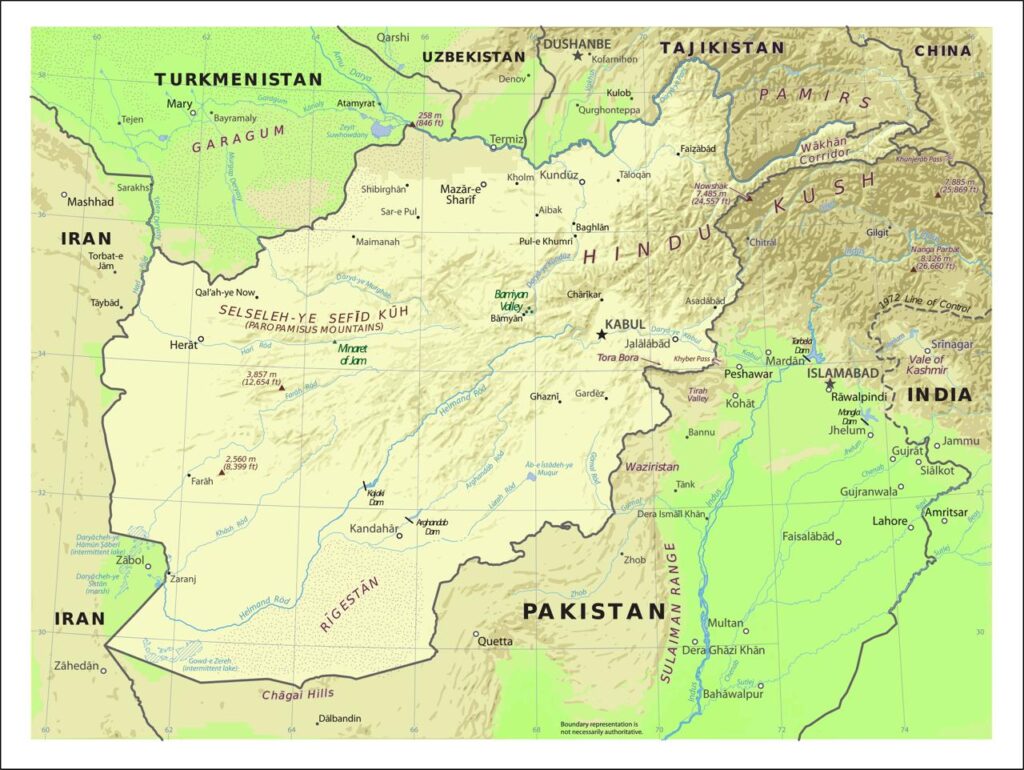
The escalating tensions between Afghanistan and Pakistan are forcing a reassessment of Afghanistan’s viability as a “partner space.” With cross-border clashes increasingly resembling a prolonged pattern rather than isolated incidents, and with both sides showing little willingness to compromise, the question grows more urgent: Can Afghanistan realistically become a partner for Central Asian countries, or is it destined to remain a persistent source of regional instability? This confrontation is deeply unsettling for the countries of Central Asia. Still in the early stages of formulating coherent policies toward Afghanistan, they have tentatively linked their development strategies to the hope of having a stable neighbor to the south – one that might serve as a bridge to South Asia. Against this backdrop, deteriorating Afghan-Pakistani relations breed more frustration and anxiety than hope. No country in the world, except Russia, has recognized the Taliban regime de jure. This broad reluctance reflects deep skepticism; few are willing to assume legal obligations or share responsibility for Kabul’s actions. Yet, Afghanistan remains far from isolated. Its geographic centrality makes it impossible to ignore. Accordingly, Central Asia has developed a distinct approach to dealing with its southern neighbor. It can be summarized as: We do not recognize, but we cooperate; we do not trust, but we verify; we do not agree, but we engage. In essence, Afghanistan’s neighbors, particularly the ones in Central Asia, have adopted a pragmatic, long-term strategy: engage without illusions or formal recognition, while maintaining the flexibility to adjust based on Kabul’s behavior. For these countries, Afghanistan does not stand as an independent priority. Its role is evaluated solely within the broader regional framework. In the most favorable scenario, Afghanistan serves as a transit corridor linking South and Central Asia. Yet even this utility is not indispensable; viable alternatives through Iran, the South Caucasus, Turkey, and China already exist and are expanding. Looking ahead, three broad scenarios can be envisioned: Optimistic: The Taliban demonstrate readiness for responsible engagement. This would enable Afghanistan’s gradual integration into trade and transport initiatives, expansion of economic ties, and a firm establishment as a bridge between Central and South Asia. Pessimistic: Afghanistan remains a chronic risk factor and flashpoint for regional crises. The ongoing Afghan-Pakistani confrontation, no longer a fleeting episode but an entrenched conflict, is a clear warning sign. If this becomes the norm, it will deter serious investment, no stakeholder will commit to a country that cannot guarantee peace with its neighbors. Inertia: Central Asian states continue their cautious balancing act under the logic that “a bad peace is better than a good war.” While cooperation continues at a minimal level, countries prioritize alternative routes and avoid deep commitments. Under this status quo, ambitious projects like the Trans-Afghanistan Railway and the TAPI pipeline are unlikely to materialize. The former risks losing the “trans” prefix; the latter may, for now, become little more than a Turkmenistan-Afghanistan venture. Nonetheless, there remains a window for diplomacy. Pressured by Turkey and Qatar, Kabul and Islamabad have agreed to resume negotiations aimed...

Inside Uzbekistan’s Regional Defense Strategy: An In-Depth Interview with Michael Hilliard

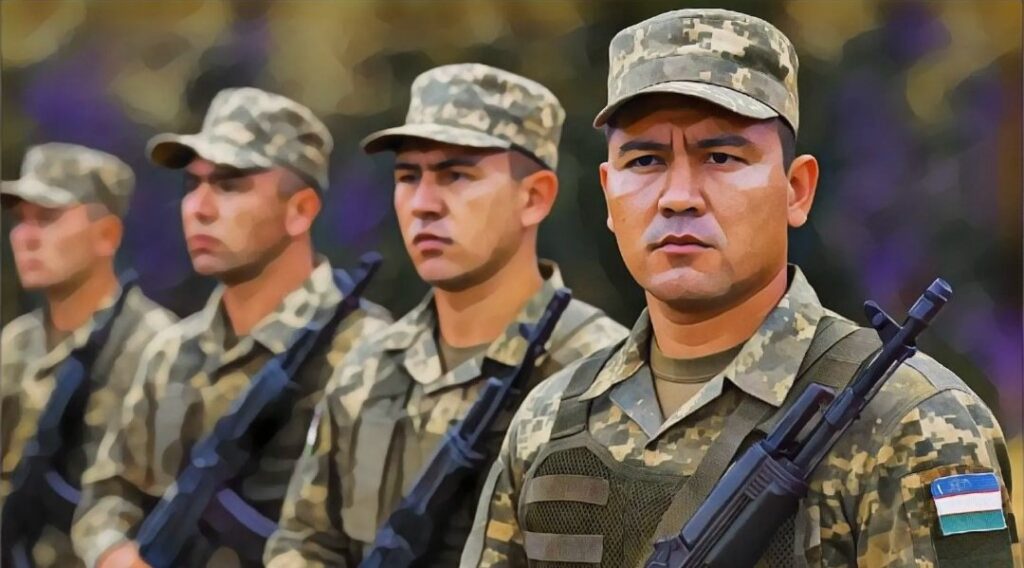
Michael Hilliard is Director of Defense & Security Analysis at the Oxus Society for Central Asian Affairs, where he leads a specialist project analyzing the armed forces of Central Asia. The Oxus Society’s latest report, focusing on Uzbekistan’s military, has just been released. The Times of Central Asia spoke with Hilliard about the report, Uzbekistan’s evolving defense doctrine, and its future role as a military power in the region. TCA: In light of the new report on Uzbekistan’s military, how would you characterize Uzbekistan’s overarching security and defense doctrine, especially in relation to the broader Central Asian region? Michael Hilliard: Uzbekistan’s primary defense doctrine is essentially internally focused. Since independence, and particularly since the events in Andijan in 2005, Tashkent has concentrated on transforming its forces into a rapid-response military with specializations in counterterrorism, crowd control, and dispersal operations. When you speak with officers or policymakers within the defense establishment, 2005 is a recurring reference point. During those early hours, protestors overran a motor rifle unit and seized weapons. Many defense personnel still believe that if they had been able to react faster, the final outcome in the square might have been different. This need for rapid adaptability has driven much of Tashkent’s defense policy since then. TCA: The report notes that Kazakhstan has now overtaken Uzbekistan as the region’s leading military power and that this gap is likely to widen. To what extent does this reflect Tashkent’s greater emphasis on regional cooperation and the resolution of border disputes, rather than competition? Hilliard: Kazakhstan’s economic dominance makes this outcome unsurprising. The country now accounts for just under 60% of Central Asia’s total GDP as of 2024. With that level of wealth, Astana naturally has greater resources to allocate to defense. However, Uzbekistan traditionally spends a higher proportion of its budget on the military. Despite having only half of Kazakhstan’s GDP, it has often matched Kazakhstan’s defense spending in real terms. If Kazakhstan simply accelerates its defense spending to the regional average, it will quickly surge ahead. Ultimately, it’s an issue of economics; Kazakhstan has more money to spend. TCA: What is the role of the Shanghai Cooperation Organisation (SCO) and its Regional Anti-Terrorist Structure (RATS) in shaping Uzbekistan’s regional military posture? Hilliard: While some once had ambitious visions for the SCO, today it’s primarily intelligence-focused. Joint exercises are still held but remain limited, and RATS’ influence has declined somewhat following China’s controversial maneuvering within the organization. At present, RATS focuses more on identifying individuals or groups, such as traffickers or terrorist networks, that all member states have a shared interest in apprehending. It’s quite different from the CSTO, where Moscow wields far greater control. TCA: How might Tashkent view the recent clashes between Taliban and Pakistani forces, given that Pakistan currently chairs RATS? Hilliard: Tashkent’s attention is mainly on northern Afghanistan, not the Taliban-Pakistan clashes in the southeast. These incidents appear limited, so they’re unlikely to alter Tashkent’s calculus significantly. However, they do make cross-regional initiatives such as the Tajikistan-Afghanistan-Pakistan-India (TAPI)...

UNESCO Conference in Samarkand Highlights Uzbekistan’s Heritage

At the opening ceremony of the 43rd session of the UNESCO General Conference in Samarkand, Uzbek President Shavkat Mirziyoyev highlighted Uzbekistan’s growing role in global cultural dialogue and its expanding cooperation with UNESCO. Held on October 30, the event marked the first time in four decades that the conference had convened outside UNESCO’s headquarters in Paris. The ceremony welcomed high-level participants, including UNESCO Director-General Audrey Azoulay, Serbian President Aleksandar Vučić, Slovak President Peter Pellegrini, and representatives from UNESCO member states. In his address, Mirziyoyev said that hosting such a prominent international forum reflects global recognition of Uzbekistan’s reform efforts and its active role in cultural and educational cooperation. He commended UNESCO’s decades-long contributions to education, science, culture, and media, noting Samarkand’s symbolic importance as one of the world’s oldest cities. “Samarkand has always been a crossroads of civilizations, science, and tolerance,” Mirziyoyev said. The president highlighted the 2023–2027 cooperation program between Uzbekistan and UNESCO, which focuses on cultural heritage preservation, educational reform, and digital innovation. He also noted that Khiva, Bukhara, Shahrisabz, and Samarkand are inscribed on UNESCO’s World Heritage List, and that the Zarafshan-Karakum Corridor was recently added as part of the Silk Roads network. Uzbekistan’s rich intangible heritage, including Shashmaqom music, the Lazgi dance, Navruz celebrations, and traditional crafts such as embroidery and ceramics, has also earned UNESCO recognition, strengthening the country’s identity as a cultural hub in Central Asia. During the session, Mirziyoyev proposed several initiatives for UNESCO’s consideration: Establishing a UNESCO Platform for Inclusive Education with AI-integrated learning tools; Organizing a Global Summit on Vocational Education to prepare youth for future professions; Declaring November 19 as the International Day of Documentary Heritage; Creating an International Digital Heritage Institute under UNESCO auspices; Launching a UNESCO Academy for Women Leaders to advance women’s participation in science, culture, and education; and Hosting a World Forum of Women Researchers and Artists in Samarkand. Addressing global challenges, the president called for stronger international cooperation on climate issues and proposed designating a “UNESCO Ecological Capital” each year to recognize cities promoting sustainable environmental practices. Mirziyoyev also spoke about the dangers of misinformation, calling for improved media literacy among young people and greater support for responsible journalism and intercultural dialogue. Concluding his speech, the president reaffirmed Uzbekistan’s readiness to serve as a bridge between East and West and to actively support UNESCO’s mission to promote peace, sustainable development, and mutual understanding around the world.

Uzbekistan Sends Over 20 Crop Varieties to Global Seed Vault in Norway

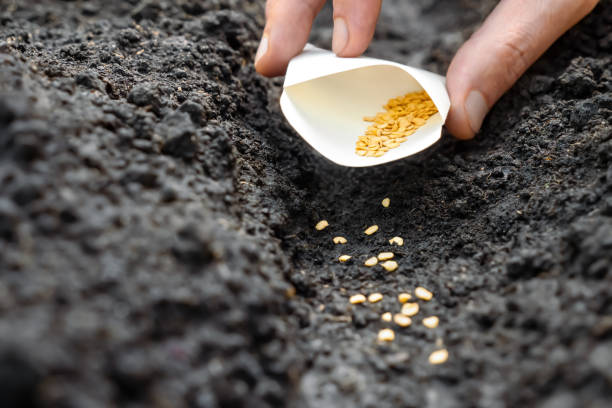
Uzbekistan has deposited more than 20 types of agricultural crop seeds, including varieties of watermelon, melon, and eggplant, into the Svalbard Global Seed Vault, the world’s most secure seed storage facility, located in the Norwegian archipelago of Svalbard, the Ministry of Agriculture has announced. According to the ministry, the seed samples represent ancient and local Uzbek crop varieties and were delivered through a joint effort involving Uzbekistan’s Ministry of Agriculture, the Scientific Research Institute of Plant Genetic Resources, the UN Food and Agriculture Organization (FAO), and the Nordic Genetic Resource Center (NordGen). Officials say the initiative marks a significant step in Uzbekistan’s efforts to preserve genetic diversity, strengthen its national gene pool, and contribute to global food security. The seeds deposited include traditional varieties of melon, watermelon, tomato, pepper, eggplant, carrot, onion, and wheat. Among these, the native “Qayroqtosh” wheat variety is of particular cultural and agricultural importance. Representatives from the Institute of Plant Genetic Resources emphasized that the initiative reflects Uzbekistan’s ongoing commitment to protecting plant biodiversity, supporting global food resilience, and safeguarding genetic material for future generations. The Svalbard Global Seed Vault, located deep within the Arctic permafrost and maintained at a constant temperature of -18°C, currently stores more than 1.1 million seed samples from around the world. Operated by the Norwegian government in partnership with the Crop Trust and NordGen, the vault provides a secure backup for global seed collections, offering protection against threats such as climate change, natural disasters, or geopolitical crises.