• KGS/USD = 0.01144 0%
  • KZT/USD = 0.00214 0%
  • TJS/USD = 0.10617 1.05%
  • UZS/USD = 0.00008 0%
  • TMT/USD = 0.28490 0%
  • KGS/USD = 0.01144 0%
  • KZT/USD = 0.00214 0%
  • TJS/USD = 0.10617 1.05%
  • UZS/USD = 0.00008 0%
  • TMT/USD = 0.28490 0%
  • KGS/USD = 0.01144 0%
  • KZT/USD = 0.00214 0%
  • TJS/USD = 0.10617 1.05%
  • UZS/USD = 0.00008 0%
  • TMT/USD = 0.28490 0%
  • KGS/USD = 0.01144 0%
  • KZT/USD = 0.00214 0%
  • TJS/USD = 0.10617 1.05%
  • UZS/USD = 0.00008 0%
  • TMT/USD = 0.28490 0%
  • KGS/USD = 0.01144 0%
  • KZT/USD = 0.00214 0%
  • TJS/USD = 0.10617 1.05%
  • UZS/USD = 0.00008 0%
  • TMT/USD = 0.28490 0%
  • KGS/USD = 0.01144 0%
  • KZT/USD = 0.00214 0%
  • TJS/USD = 0.10617 1.05%
  • UZS/USD = 0.00008 0%
  • TMT/USD = 0.28490 0%
  • KGS/USD = 0.01144 0%
  • KZT/USD = 0.00214 0%
  • TJS/USD = 0.10617 1.05%
  • UZS/USD = 0.00008 0%
  • TMT/USD = 0.28490 0%
  • KGS/USD = 0.01144 0%
  • KZT/USD = 0.00214 0%
  • TJS/USD = 0.10617 1.05%
  • UZS/USD = 0.00008 0%
  • TMT/USD = 0.28490 0%

Viewing results 397 - 402 of 1154

Kazakhstan Opens Pavilion in Uzbek-Afghan Border Trade Center

Kazakhstan’s Ministry of Trade and Integration has announced the opening of a trade pavilion showcasing Kazakh products at the Termez International Trade Center, located in the town of Termez, Uzbekistan, near the Afghan border. The pavilion is expected to serve as a strategic platform for promoting Kazakh goods in the markets of Uzbekistan and Afghanistan. The Termez International Trade Center is a crucial hub at the crossroads of Central Asian trade routes, facilitating significant trade flows between Uzbekistan and Afghanistan. Opened on August 29, the center was inaugurated by Uzbek Prime Minister Abdulla Aripov and acting Afghan Deputy Prime Minister Abdul Ghani Baradar. The facility includes retail spaces, hotels, a medical center, and other amenities. Notably, it supports transactions in multiple currencies, such as U.S. dollars, euros, rubles, and yuan. Afghan citizens can visit and conduct trade at the Termez center for up to 15 days without requiring an Uzbek visa. Kyrgyzstan has also secured a presence at the Termez International Trade Center. As The Times of Central Asia previously reported, on November 11, the Kyrgyz Ministry of Economy and Commerce acquired a trade pavilion, providing a strategic foothold to expand Kyrgyzstan’s influence in the markets of Uzbekistan and Afghanistan. Kazakhstan and Kyrgyzstan have both removed the Taliban from their lists of terrorist organizations, aligning with broader efforts by Central Asian nations to deepen trade and economic ties with Afghanistan.

Central Asia Braces for Return of Radical Islamists Amid Syrian Turmoil

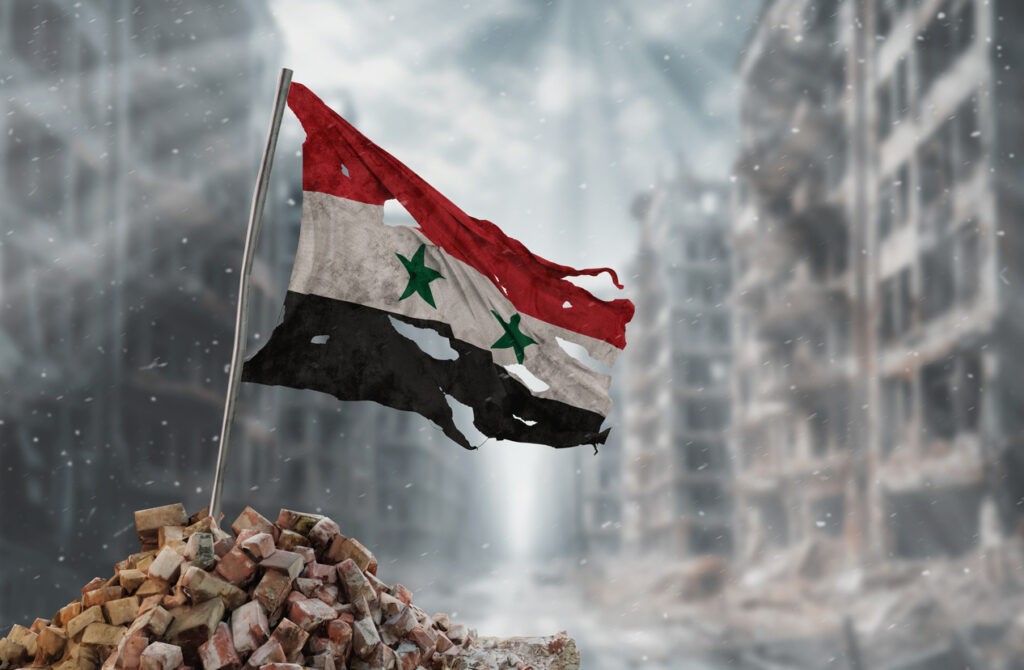
According to experts, the recent collapse of President Bashar al-Assad's regime in Syria raises concerns about potential destabilization in Central Asia. This development may force regional governments to repatriate citizens who were lured by Islamist propaganda, while the future of the Astana format negotiations on Syria remains uncertain. The swift coup d'état in Syria saw opposition forces capture Damascus and much of the country within days. Bashar al-Assad fled to Moscow, leaving a chaotic landscape dominated by the Islamist group Hayat Tahrir al-Sham, often described as a successor to ISIS and Al-Qaeda. The situation has plunged Syria into further instability. The Impact of Operation Zhusan Kazakhstan has firsthand experience dealing with the repercussions of Syria's instability. Between 2013 and 2017, hundreds of Kazakh citizens succumbed to Islamist propaganda, crossing borders illegally to join the conflict, often with their families. In response to the humanitarian crisis, Kazakhstan launched Operation Zhusan ("Wormwood") in January 2019 to repatriate citizens trapped in Syria. The operation, conducted in five stages and completed by February 2021, repatriated 607 citizens, 37 men, 157 women and 413 children (34 of whom were orphans). The government set up a rehabilitation center near Aktau on the Caspian Sea to provide treatment, restore documents, and offer vocational training for adults and education for children. All 37 repatriated men were detained and later convicted of terrorism-related activities, receiving sentences ranging between 6 and 14 years, whilst 18 women faced prosecution. Despite the operation’s success, many in Kazakhstan fear the returnees and their children might spread radical ideologies within the country. Lessons from the Region Other Central Asian countries have also grappled with the challenge of repatriating citizens from Syria. Bakhtiyor Babadjanov, an expert from the Institute for Strategic and Regional Studies under Uzbekistan’s president, detailed the experiences of Uzbek women lured to conflict zones. These women often found themselves deceived and abandoned in dire conditions, as described in an interview. "The 'happy caliphate' turned out to be a myth," Babadjanov explained, recounting stories of women and children abandoned without food or shelter during battles in Mosul. Survivors reported forced marriages, child abuse, and exploitation under the guise of religious duty. The Uncertain Future of the Astana Process Another significant connection between Central Asia and Syria has been the Astana process, a series of negotiations aimed at resolving the Syrian conflict. Since 2017, Kazakhstan has hosted 22 rounds of talks, including discussions on hostages, missing persons, and settlement efforts. However, the recent escalation in Syria casts doubt on the process. In late November and early December, armed opposition groups launched a large-scale offensive, capturing key cities, including Aleppo and Damascus. Despite this upheaval, Russian presidential spokesman Dmitry Peskov insisted the Astana process remains relevant as a platform for dialogue and consultation, notwithstanding the fact that Assad is now in Moscow. Heightened Risks of Destabilization Experts in Kazakhstan and Central Asia have warned that the fall of Assad's regime could lead to prolonged anarchy, ethnic and religious conflicts, and a refugee crisis. Political scientist,...

Uzbekistan Sets Sights on $1.5 Billion AI Industry by 2030

Uzbekistan’s Permanent Mission to the United Nations has hosted a presentation at the UN headquarters in New York, unveiling the country’s strategy for developing artificial intelligence (AI) technologies by 2030. The event, organized in collaboration with the UN Counter-Terrorism Office and Interpol, drew attendance from UN officials, experts, and members of the diplomatic corps accredited in New York. Ambitious AI Goals Participants were introduced to the key directions outlined in Uzbekistan’s AI Strategy, along with the country’s ongoing reforms and achievements in the field. Emphasis was placed on President Shavkat Mirziyoyev’s commitment to advancing information technologies and fostering innovation. The presentation highlighted Uzbekistan’s plans to grow its AI-based software products and services sector to $1.5 billion by 2030. This strategy also includes establishing ten scientific laboratories specializing in AI and strengthening the regulatory framework to support technological advancements. Leadership in Responsible AI As previously reported by The Times of Central Asia, Uzbekistan leads Central Asia in responsibly adopting AI, according to the Global Center on AI Governance. The nation’s AI initiatives prioritize cultural and linguistic diversity, foster international partnerships, enhance public sector skills, and promote transparency.

UK Supports €12.6M Deal to Boost Exports to Uzbekistan’s Copper Producer

UK Export Finance (UKEF) has guaranteed a €12.6 million ($13.25 million) loan to the Almalyk Mining and Metallurgical Complex (AMMC) in Uzbekistan. The loan will refinance the purchase of fully automated vehicles from the Scottish multinational company Weir and marks UKEF’s first agreement in Uzbekistan. The loan, provided by the International Bank, aims to support Weir’s exports to AMMC, one of Central Asia’s largest copper production facilities. “UK businesses are increasingly keen to bring their goods and services to this dynamic market - and UKEF is here to help buyers in Uzbekistan seize this opportunity,” said Tim Reid, CEO of UKEF. Strategic Importance of Copper The UK Department of Business and Trade reports that nearly 90% of UK imports from Uzbekistan consist of non-ferrous metals, metal ores, and slag. Copper, a vital material for construction and green technologies such as solar panels and electric vehicles, is in increasing demand. Global copper requirements are projected to grow by an additional one million tons annually until 2035. The UKEF-backed deal reflects the UK’s commitment to enhancing machinery exports and supporting the global supply chain. In 2023, total trade between the UK and Uzbekistan reached £381 million, with specialized machinery ranking as the fourth most-traded category. Sustaining Production at Almalyk UKEF’s financial backing is crucial for sustaining production at AMMC by ensuring access to capital from a trusted supplier. The partnership highlights UKEF’s broader role in facilitating growth opportunities for UK businesses in Central Asia’s dynamic market.

Central Asia Prioritizes Food Security Amid Shared Challenges

Food security remains a top priority for Central Asian nations, yet they face shared challenges that threaten regional stability. Deteriorating water resources, climate change, reliance on external food markets, and geopolitical pressures have intensified the need for regional cooperation in addressing these issues. Bilateral and Regional Efforts Talks between the presidents of Uzbekistan and Kazakhstan, Shavkat Mirziyoyev and Kassym-Jomart Tokayev, on August 8 underscored the importance of collaboration. The two leaders witnessed the signing of an agricultural cooperation agreement between their respective ministries. This followed Tokayev’s November 2022 visit to Tashkent, which was particularly productive in advancing food security. Agreements included joint production of mineral fertilizers and a bilateral cooperation program worth $1.3 billion aimed at boosting mutual trade and developing agricultural projects. Trade within Central Asia has grown significantly, with Uzbekistan’s trade volume with its neighbors nearly doubling between 2017 and 2019. Kazakhstan, the region’s leading grain supplier, plays a central role: • Uzbekistan accounts for 60% of Kazakhstan’s grain exports. • Tajikistan consumes 18%. • Kyrgyzstan takes 14%. • Turkmenistan absorbs 6%. Despite this growth, experts highlight the untapped potential for expanding trade and cooperation in agriculture. Common Challenges Food security challenges are compounded by shared threats, including demographic growth and dwindling water resources. The region’s population has reached 75.5 million, while irrigated land per capita has decreased by more than 25% over the past 15 years. Water availability in the Syr Darya and Amu Darya river basins—crucial for irrigating 10 million hectares - faces a projected 15% decline. This is exacerbated by the alarming retreat of glaciers that feed these rivers, jeopardizing long-term agricultural sustainability. The Need for Regional Solutions While each Central Asian country primarily relies on its resources to address food security, the interconnected nature of these challenges calls for a collective approach. Enhanced regional cooperation is essential to develop resilient agricultural systems, manage water resources effectively, and ensure sustainable growth in food production.

Harnessing Diplomacy: Qosh Tepa Canal as a Bridge to U.S. Influence in Central Asia

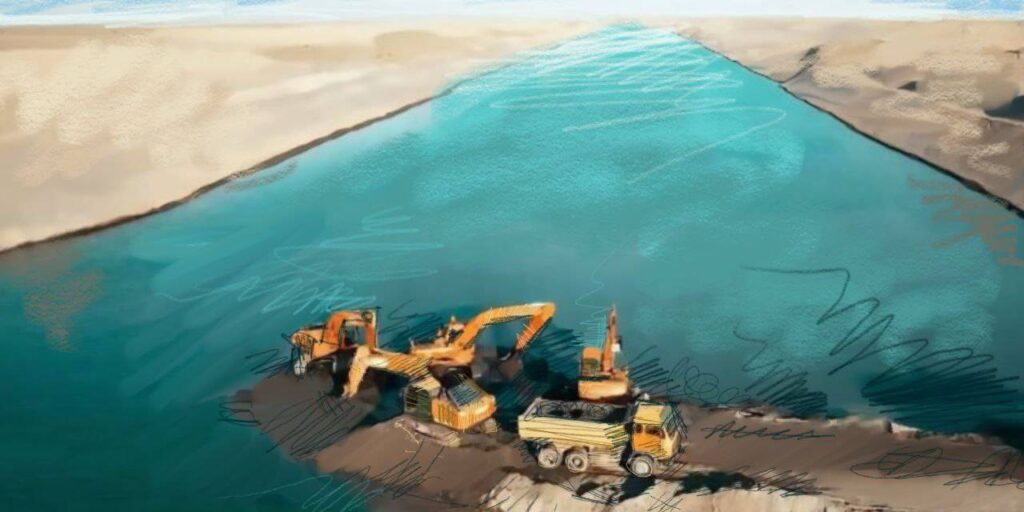
The Center for the National Interest, a Washington, D.C.-based think tank, has released a report titled Afghanistan’s Qosh Tepa Canal and Water Security in Central Asia. The report outlines how U.S. support for the Qosh Tepa Canal project could provide an opportunity for the incoming Trump administration to strengthen its influence in the region. Project Overview Currently under construction in northern Afghanistan, the Qosh Tepa Canal aims to divert water from the Amu Darya River to support agriculture and economic growth. The canal will stretch 287 kilometers, with a depth of 8.5 meters and an average width of 100 meters. Once completed, it will irrigate more than 1.2 million acres of farmland and generate approximately 200,000 jobs in northern Afghanistan. While the Taliban has championed the project as a cornerstone of Afghanistan’s development, the canal poses significant challenges for downstream countries reliant on the Amu Darya, particularly Uzbekistan and Turkmenistan. Concerns include potential water scarcity, environmental degradation, and heightened regional tensions. Implications for Central Asia The report highlights that the canal could exacerbate existing disputes over water allocation in a region already plagued by scarcity. Unlike its Central Asian neighbors, Afghanistan is excluded from water-sharing agreements rooted in the Soviet era. The poorly designed Soviet canals along the Amu Darya continue to undermine water security in the region decades after their construction, a fate experts hope to avoid with Qosh Tepa. Recommendations for U.S. Engagement The report urges the United States to seize this opportunity to engage Afghanistan and the broader region diplomatically and technically: 1. Support for a Well-Engineered Canal The United States should advocate for a well designed canal that prioritizes water-use efficiency. By offering technical assistance and backing the project in principle, the U.S. could pave the way for multilateral development banks, such as the World Bank, the European Bank for Reconstruction and Development, and the Asian Development Bank, to provide financial and technical support. 2. Promote Regional Water Diplomacy Washington should encourage negotiations for a regional water-sharing agreement among Afghanistan, Kazakhstan, Kyrgyzstan, Tajikistan, Turkmenistan, and Uzbekistan. 3. Assist Downstream States Additional investments in modernizing irrigation systems in Uzbekistan and Turkmenistan could mitigate the canal's impact on downstream water availability. Strategic Context The report underscores the geostrategic importance of Afghanistan and Central Asia, which border three of Washington’s primary global competitors: China, Russia, and Iran. By supporting the Qosh Tepa Canal project and fostering regional water-sharing cooperation, the U.S. could counterbalance the growing influence of Beijing, Moscow, and Tehran in the region. A Watershed Moment As construction progresses into its second phase, involving thousands of workers and heavy machinery, the Qosh Tepa Canal stands at the nexus of development and diplomacy. The report concludes that U.S. involvement in this critical project could serve not only to address Central Asia’s pressing water security challenges but also to reinforce Washington’s strategic position in one of the world’s most complex geopolitical arenas.