• KGS/USD = 0.01144 0%
  • KZT/USD = 0.00212 0%
  • TJS/USD = 0.10432 -0.29%
  • UZS/USD = 0.00008 0%
  • TMT/USD = 0.28571 0.28%
  • KGS/USD = 0.01144 0%
  • KZT/USD = 0.00212 0%
  • TJS/USD = 0.10432 -0.29%
  • UZS/USD = 0.00008 0%
  • TMT/USD = 0.28571 0.28%
  • KGS/USD = 0.01144 0%
  • KZT/USD = 0.00212 0%
  • TJS/USD = 0.10432 -0.29%
  • UZS/USD = 0.00008 0%
  • TMT/USD = 0.28571 0.28%
  • KGS/USD = 0.01144 0%
  • KZT/USD = 0.00212 0%
  • TJS/USD = 0.10432 -0.29%
  • UZS/USD = 0.00008 0%
  • TMT/USD = 0.28571 0.28%
  • KGS/USD = 0.01144 0%
  • KZT/USD = 0.00212 0%
  • TJS/USD = 0.10432 -0.29%
  • UZS/USD = 0.00008 0%
  • TMT/USD = 0.28571 0.28%
  • KGS/USD = 0.01144 0%
  • KZT/USD = 0.00212 0%
  • TJS/USD = 0.10432 -0.29%
  • UZS/USD = 0.00008 0%
  • TMT/USD = 0.28571 0.28%
  • KGS/USD = 0.01144 0%
  • KZT/USD = 0.00212 0%
  • TJS/USD = 0.10432 -0.29%
  • UZS/USD = 0.00008 0%
  • TMT/USD = 0.28571 0.28%
  • KGS/USD = 0.01144 0%
  • KZT/USD = 0.00212 0%
  • TJS/USD = 0.10432 -0.29%
  • UZS/USD = 0.00008 0%
  • TMT/USD = 0.28571 0.28%

Viewing results 421 - 426 of 1139

Kyrgyzstan Opens New Village for People Resettled from Barak Exclave

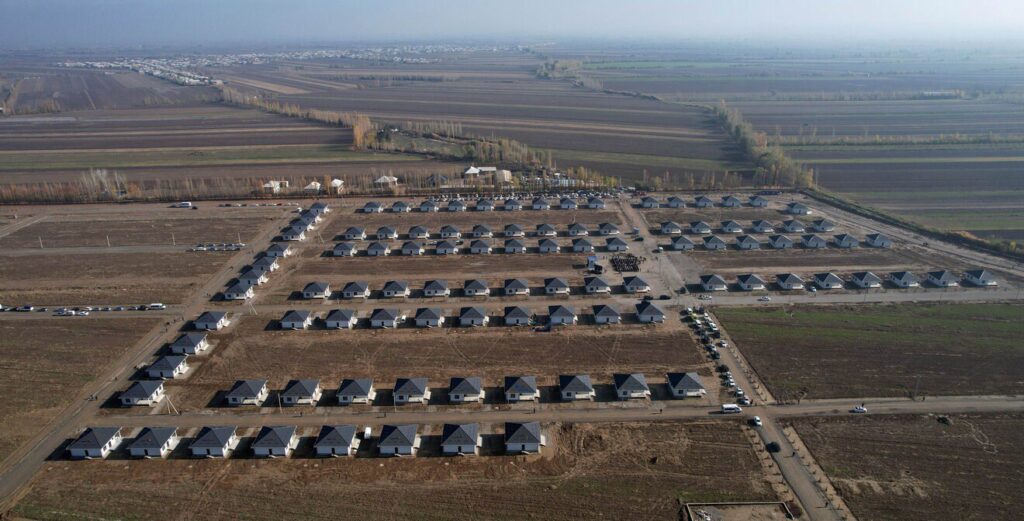
On November 15, Kyrgyzstan President Sadyr Japarov attended the opening of a new village, Jany-Barak, in the country’s southern Osh region. The village was constructed for Kyrgyz citizens resettled from the Barak exclave, previously Kyrgyzstan’s largest exclave, located in Uzbekistan’s Andijan region. For many years, the residents of the exclave experienced severe difficulties due to their partial isolation and the difficulty of traveling between the exclave and the Kyrgyz mainland. After signing a border delimitation agreement with Kyrgyzstan, Uzbekistan ceded a portion of its land to Kyrgyzstan in exchange for control of the Barak exclave. Construction of Jany-Barak (New Barak) was launched in May 2024 and is now complete. Speaking at the opening ceremony, Japarov emphasized that the construction of the new village marked a significant milestone. He highlighted that residents, who had relocated from the exclave, can now live and work in Kyrgyzstan, on their native land, in new homes, with renewed confidence in their future. Japarov highlighted the extensive work completed to establish infrastructure in the new village: 101 residential houses have been built, roads have been laid, electricity has been connected, and wells for clean drinking water have been drilled. The new village will have social amenities, including a school, a kindergarten, a park, a mosque, and a football (soccer) field. Plots have been allocated to residents for agricultural use.
Uzbekistan Aims to Export 10-15 Billion kWh of Electricity to Europe by 2030

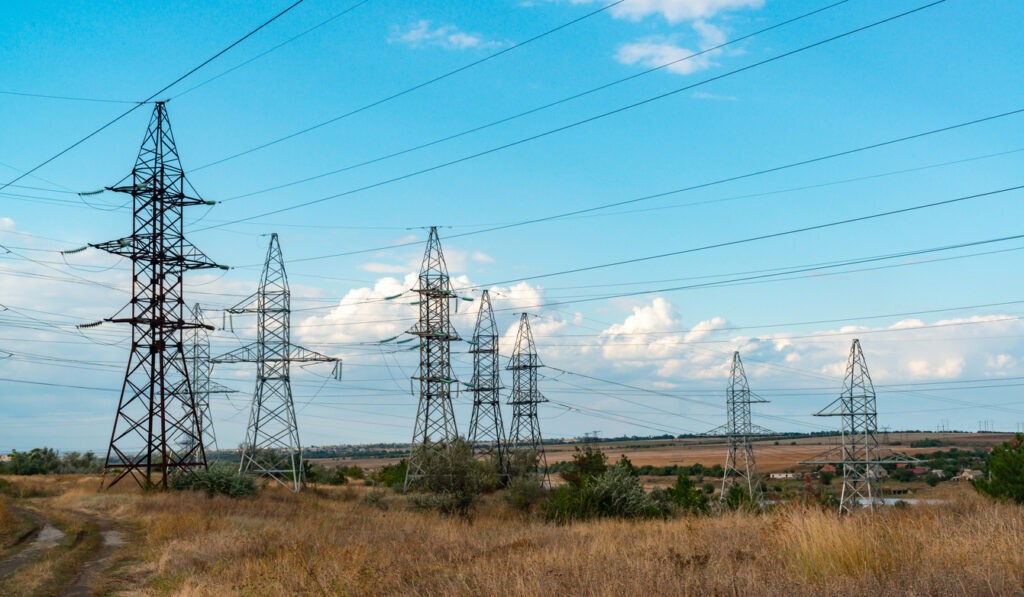
Uzbekistan plans to export 10-15 billion kWh of electricity abroad by 2030, according to Deputy Minister of Energy Umid Mamadaminov, who discussed the initiative in an interview on November 6 during the “Days of European Economy in Uzbekistan” forum. “In 2030, electricity demand is projected to be around 120-125 billion kWh. Our generation capacity will reach approximately 135 billion kWh. Once the necessary infrastructure is ready, we’ll be able to export electricity to Europe,” Mamadaminov explained. At a meeting in Astana in August, Uzbekistan outlined plans to start exporting surplus electricity to Europe by 2030. Energy Minister Jurabek Mirzamahmudov noted that if the joint project with Kazakhstan and Azerbaijan to lay a cable under the Caspian Sea is successful, Uzbekistan will be able to transmit excess energy to Europe. Mirzamahmudov said that renewable energy capacity would exceed 4 GW by the end of this year and is expected to reach over 20 GW by 2030, with 2-5 GW available for export. In the summer, Uzbekistan, Kazakhstan, and Azerbaijan agreed on a draft strategic partnership to develop and transmit green energy. The agreement includes terms for a preliminary feasibility study, which is being developed by the Italian company CESI. “We selected CESI to handle the project’s feasibility study,” Mamadaminov stated. “The study will take about a year and a half to complete, with an expected finish date by the end of 2025. Following this, construction will begin based on the study. The project requires around 2,500 km of HVDC (high-voltage direct current) cable, which will be costly—exceeding $2 billion.” Mamadaminov added that the electricity price will be market-driven but is expected to start at around 4-5 cents per kilowatt.

Kazakhstan, Uzbekistan, and Azerbaijan Forge Green Energy Partnership

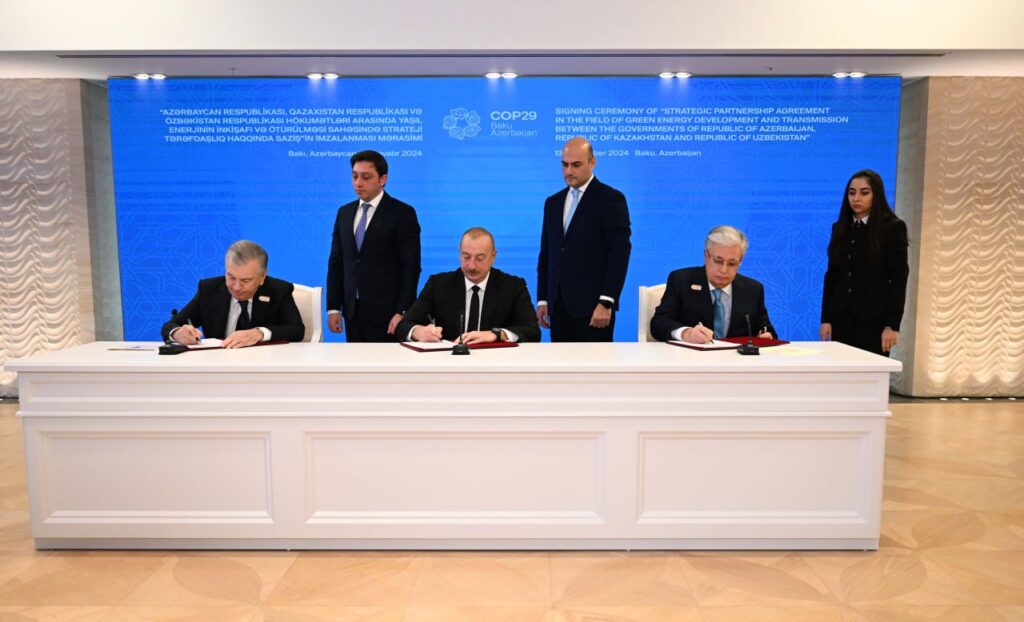
On November 13, on the sidelines of the COP29 summit in Baku, Azerbaijan, Kassym-Jomart Tokayev, Shavkat Mirziyoyev and Ilham Aliyev, the leaders of Kazakhstan, Uzbekistan and Azerbaijan, signed an agreement for a strategic partnership in developing and transporting green energy. Calling the signing of this agreement a historic event, Aliyev said that “it opens new opportunities for cooperation between the regions of Central Asia and the Caucasus. In fact, the integration processes, the processes related to transportation, energy, and trade between the regions of Central Asia and the Caucasus, allow us to say that these two regions are acting in a synchronized manner in many areas, including in the field of green energy development.”. The Azeri president added that constructing an electric cable under the Caspian Sea could lead to broader regional collaboration. Aliyev also highlighted Azerbaijan's ongoing plans to construct a cable from Azerbaijan along the bottom of the Black Sea to Europe. “The feasibility study for this project is nearing completion, so we will connect Central Asia, the Caucasus, Europe, the Caspian, and the Black Seas with a single energy corridor,” he stated. In his speech, Tokayev said the trilateral agreement opens new opportunities for integrating the energy systems of Kazakhstan, Uzbekistan, and Azerbaijan, as well as for creating reliable corridors to supply environmentally friendly energy to European and other markets. “Kazakhstan plays an extremely important role here as a large transit territory. The practical results of this Agreement will also contribute to developing the Middle Corridor as a ‘green bridge’ connecting our economies. Close cooperation in this key area will intensify the exchange of experience and advanced technologies between the three states and further strengthen our energy security,” Tokayev said. Mirziyoyev emphasized the environmental significance of this agreement, noting, “The energy that will be transmitted is wind and solar energy, which will help mitigate the impact on the climate. In this way, we support joint efforts to protect the climate within the framework of the Paris Agreement and achieve the Sustainable Development Goals,” he added. The three presidents also witnessed the signing of an Executive Program on cooperation in green energy development and transmission by the energy ministers of Azerbaijan, Kazakhstan, Uzbekistan, and Saudi Arabia.

Kyrgyzstan Secures Pavilion in Uzbek-Afghan Border Trade Center

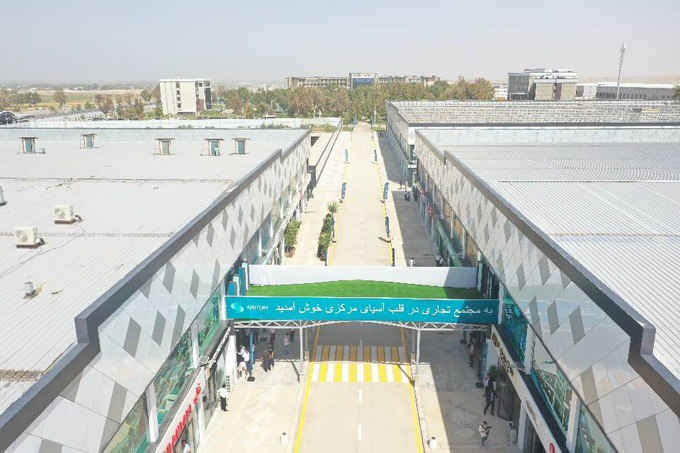
The Ministry of Economy and Commerce of Kyrgyzstan has acquired a trade pavilion at the Termez International Trade Center in the town of Termez, Uzbekistan, near the Afghan border. This purchase agreement was signed on November 11 between the ministry and LLC Termez International Trade Centre, the center's management company. This pavilion offers Kyrgyzstan a strategic foothold to expand its presence in the markets of Uzbekistan and Afghanistan, promoting the export of Kyrgyz agricultural and industrial goods while enabling direct interaction with Afghan business partners. The Kyrgyz government has expressed an ongoing interest in strengthening economic relations with Afghanistan. From January to August 2024, trade between the two countries reached $14 million, with Afghan exports to Kyrgyzstan accounting for $6 million of this total, as noted in a recent report. The Termez International Trade Center serves as a vital hub at the intersection of Central Asian trade routes, facilitating substantial trade flows between Uzbekistan and Afghanistan. Opened on August 29 by Uzbek Prime Minister Abdulla Aripov and the acting Afghan Deputy Prime Minister Abdul Ghani Baradar, the center features retail spaces, hotels, a medical center, and other amenities. It also supports transactions in multiple currencies, including U.S. dollars, euros, rubles, and yuan. Notably, Afghan citizens are allowed to visit and conduct trade at the Termez center for up to 15 days without requiring an Uzbek visa, enhancing accessibility for Afghan traders.

Uzbekistan Drafting Law to Ban LGBT “Propaganda”

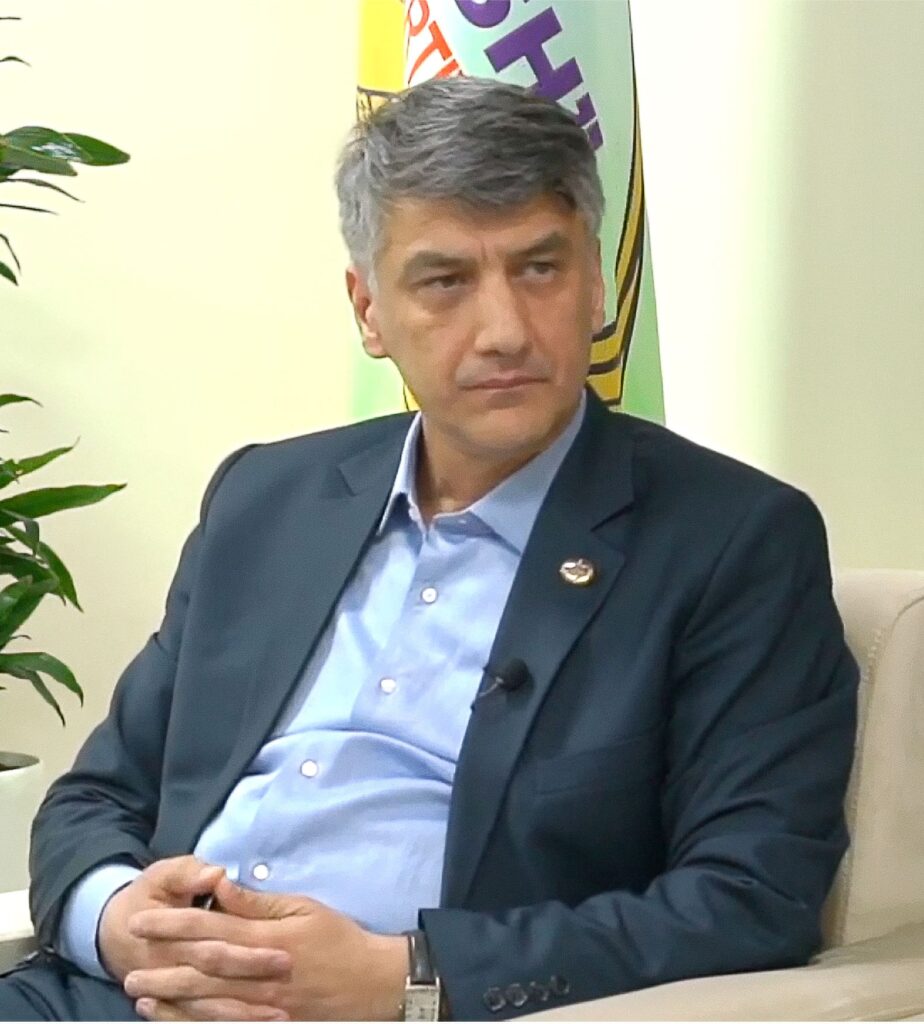
Alisher Qodirov, leader of Uzbekistan's Milliy Tiklanish (National Revival) party, has announced that a draft law banning the discussion of LGBT topics is being prepared in Uzbekistan. Qodirov shared this news on his Telegram channel, where he also referenced a social media post by Ivanka Trump, daughter of former U.S. President Donald Trump, who highlighted her father’s plan to cut federal funding for schools promoting "inappropriate sexual content" and "transgender ideology." Qodirov commented: “The change in the center of the disease is very good,” suggesting his support for similar measures in Uzbekistan. He added: “We are working on adopting a law prohibiting any kind of propaganda in this regard,” though he did not elaborate further. In the past, Qodirov has also advocated for banning Soviet ideology and symbols in Uzbekistan. This stance followed a recent case in Samarkand, where a pensioner wishing to restore the Soviet Union received a three-year restricted freedom sentence for actions deemed a threat to Uzbekistan’s constitutional order.

Kazakhstan Secures Agreement for 11 Billion Cubic Meters of Water from Neighboring Countries by April 2025

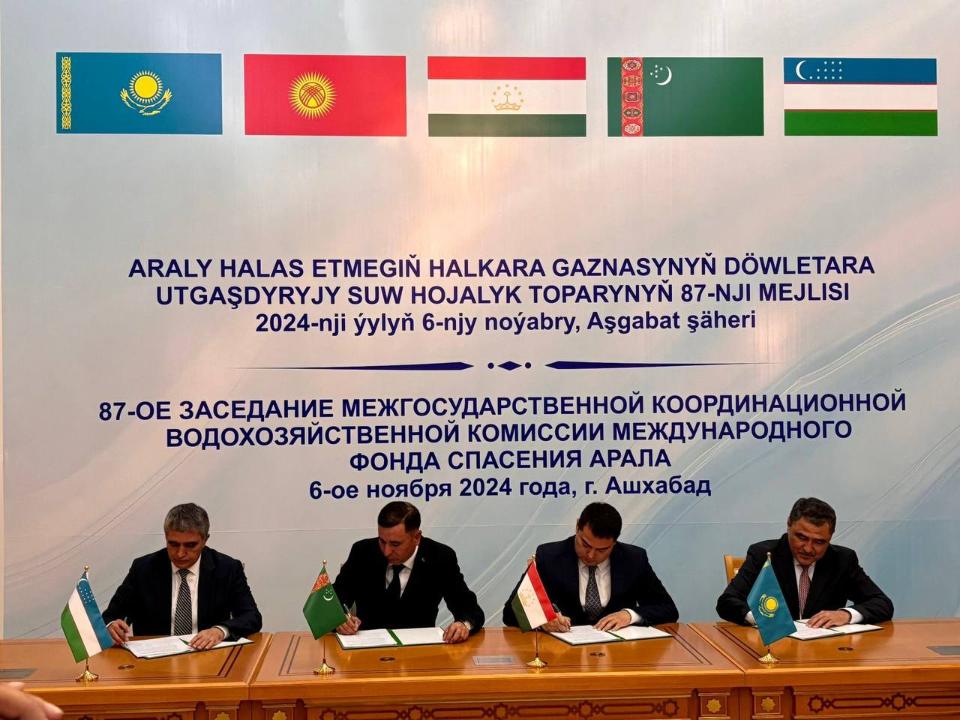
Kazakhstan will receive approximately 11 billion cubic meters of irrigation water from the Syr Darya River by April 2025, following an agreement made by Nurzhan Nurzhigitov, Kazakhstan’s Minister of Water Resources and Irrigation, with representatives from neighboring Central Asian countries. The accord was reached at the 87th meeting of the Interstate Coordination Water Management Commission held last week in Ashgabat, Turkmenistan, and attended by water ministry leaders from Tajikistan, Turkmenistan, and Uzbekistan, with Kyrgyzstan as an observer. This substantial water supply is expected to fill the Shardara reservoir in southern Kazakhstan by April 1, 2025, providing enough water for the region's 2025 irrigation season. Given Kazakhstan’s reliance on irrigation for agriculture, particularly in the arid south, the flow from upstream countries like Tajikistan, Kyrgyzstan, and Uzbekistan is vital. Nurzhigitov noted, "This year, thanks to negotiations and joint actions, we ensured the effective water distribution in the Syrdarya River basin. Agreements on water and energy cooperation with Kyrgyzstan were implemented, and measures were taken to coordinate the operating mode of the Bakhri-Tojik reservoir [in Tajikistan] during this year’s irrigation season.”