Viewing results 511 - 516 of 1163
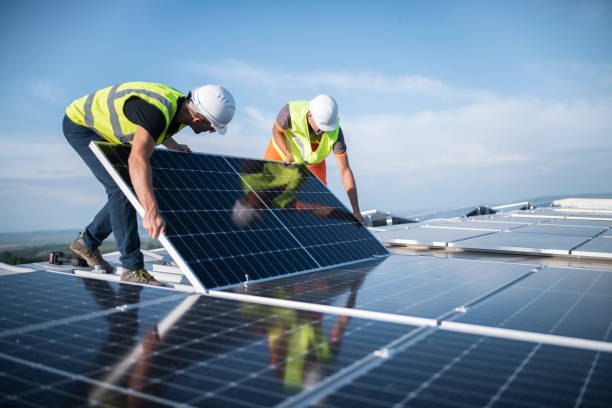
The Chinese company China Datang is building a solar photovoltaic power plant in the Boka district of Tashkent region. Construction began on September 21. The 263-megawatt project is expected to cost $150 million to complete, and use 621 hectares of land. It was previously reported that China will invest 1 billion dollars in an enterprise processing the hides and organs of domestic animals in the Andijan region of Uzbekistan. In June this year, the UN General Assembly unanimously adopted the resolution “International Day of Dialogue among Civilizations,” developed by the China and Uzbekistan. The resolution's primary goal is to raise awareness about the value of civilizations' diversity and to develop communication, mutual respect, and global solidarity.
On September 21 a meeting of the Uzbek Senate passed the new law “On the ratification of the International Labor Organization Convention No. 155 on Occupational Safety and Hygiene and the Working Environment”. The Convention was adopted in Geneva in 1981, and among other Eurasian countries has also been ratified by Russia, Belarus, Ukraine, Tajikistan, Kazakhstan, and Azerbaijan. Senators noted that it is appropriate to ratify this convention, taking into account the development of cooperation between Uzbekistan and the International Labor Organization and the fact that the national labor legislation meets international labor standards. As noted, the convention's ratification will improve national labor laws, enhance safety and hygiene standards per international guidelines, and help prevent workplace accidents. The International Labor Organization has been criticizing the use of forced labor in cotton plantations in Turkmenistan for a long time.
It is being reported that Tajikistan delivered more than $82.3 million worth of electricity to neighboring countries from January to August of this year. The export of electricity is $2.8 million (3.3%) less than in the same period of 2023. During this period, Tajikistan's electricity production amounted to about 15.4 billion kilowatt-hours, of which about 1 billion kilowatt-hours (6.5% of the total production) were exported. More than 80% of electricity exports go to Afghanistan, and the remaining 20% to Uzbekistan. Tajikistan signed an agreement on the export of electricity for 2024 with these two countries. Electricity exports to Uzbekistan are carried out only in the summer, and supplies to Afghanistan will continue in the autumn-winter season, but in small volumes — “exclusively for the preservation of infrastructure.” For information, a memorandum of understanding has been signed between Tajikistan and Kazakhstan, providing electricity supply produced by the Rogun hydropower plant until 2032. Agreements on the supply of electricity to Kazakhstan and Uzbekistan are one condition for external financing of the Rogun project. The Times of Central Asia has reported that when the Rogun hydropower plant in Tajikistan reaches full capacity, about 70% of the electricity produced will be exported to other Central Asian countries.
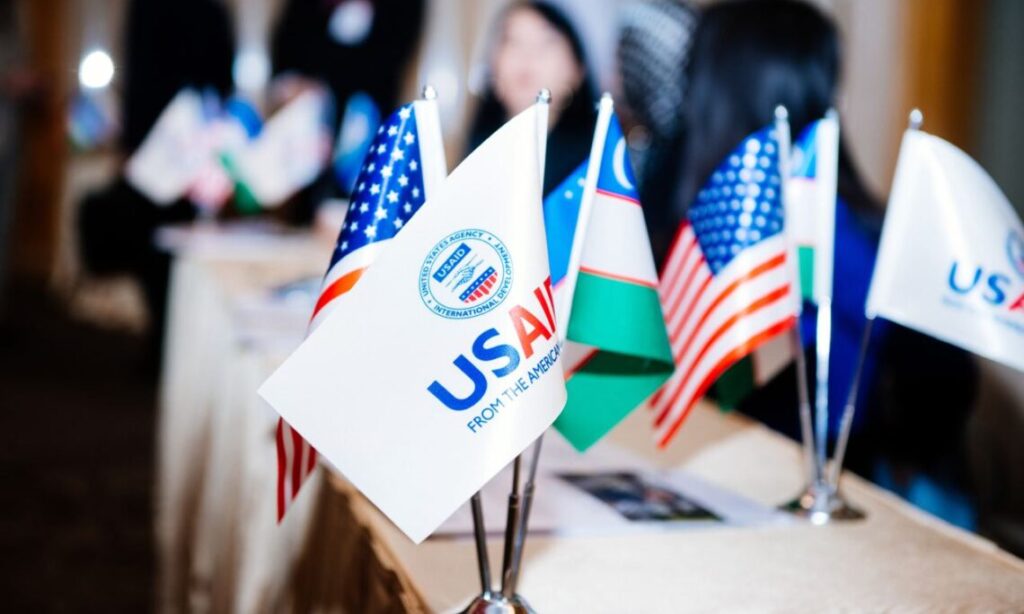
The United States Agency for International Development (USAID) has provided an additional $6.1 million in funding under an ongoing Development Goals Grant Agreement (DOAG) with the Department of Early Childhood Education. The total volume of investments in DOAG nw exceeds $47 million, the US Embassy in Tashkent has reported. The embassy added that the new funding strengthens programs that help develop basic skills in elementary school students, and gives students in grades 8-11 the entrepreneurial and economic skills they need to get jobs and participate in the economy of the future. “Investing in education is an investment in a brighter future for everyone. By providing quality education, we empower individuals with the skills and knowledge they need and pave the way for a more prosperous, equitable, and stable society,” explains David Hoffman, USAID Mission Director in Uzbekistan. “Every dollar spent on education is a step toward building a better tomorrow for all,” he added. The five-year DOAG contract was signed in 2019. USAID’s investments in Uzbekistan’s education sector aim to improve reading and math skills in primary grades, English fluency, information and communication technology development, and employability skills. Also, in March, USAID announced the investment of $17.7 million in a five-year project to support business in Uzbekistan. This investment will increase competitiveness in the fields of information and communication technologies (ICT), tourism, textiles, and green economy. Another USAID initiative is to support clean energy goals in Uzbekistan. As part of the initiative, the “Strategy for the Development of Renewable and Hydrogen Energy” of Uzbekistan plans to increase the production of renewable energy (solar, wind, and hydropower) by 25% by 2030 and achieve carbon neutrality by 2050.
The Asian Development Bank (ADB) will provide the government of Uzbekistan with $300 million to support unbanked or underbanked micro-enterprises. The funds will aim to improve access to finance for micro and small businesses, primarily focusing on supporting women entrepreneurs, which ADB Director General for Central and West Asia, Eugene Zhukov, says will be an essential step towards the country's economic development and job creation. Kanokpan Lao-Araya, Director of ADB's Resident Mission in Uzbekistan, said the loan will help improve the quality of life of entrepreneurs and provide them with new financial opportunities. State-owned commercial banks primarily control Uzbekistan's financial sector, and microfinance organizations occupy only 0.5% of the system. According to Global Findex data for 2021, only 44% of Uzbekistan's adult population has accounts with formal financial institutions, well below the Central Asian average of 58%. The lack of commercial microfinance has led to a severe credit gap, especially among small businesses. Support from the ADB aims to close this gap and develop an inclusive financial system to contribute to the country's sustainable economic growth. The Asian Development Bank was founded in 1966 and has 68 member countries. Uzbekistan joined the ADB in 1995, since which time the bank has provided the country with loans, grants, and technical assistance worth $12.5 billion.
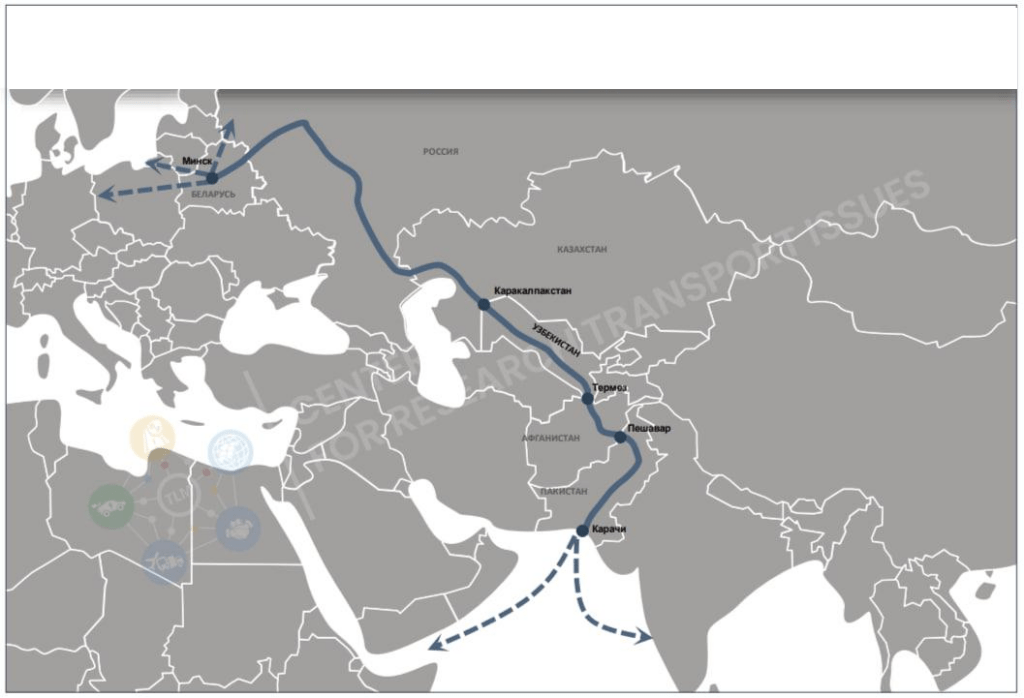
Uzbekistan’s Ministry of Transport has announced that Pakistan has officially joined the memorandum of understanding on establishing and developing the international transport corridor "Belarus–Russia–Kazakhstan–Uzbekistan–Afghanistan–Pakistan–Indian Ocean." The Pakistani Ministry of Communications signed this memorandum on September 18. The process of creating this multimodal transport corridor began in August 2022, at a meeting between the Uzbek government and the Eurasian Economic Commission – the governing body of the Russian-led Eurasian Economic Union that also includes Armenia, Belarus, Kazakhstan, and Kyrgyzstan. In November 2023, the transport ministries of Russia, Kazakhstan, and Uzbekistan signed a memorandum of understanding, launching the project's active phase of work. The group's first meeting on developing the proposed multimodal transport corridor was held in April 2024 in Termez, Uzbekistan. During that meeting, Belarus joined the memorandum, while Afghanistan and Pakistan announced the beginning of internal procedures for joining the project. At that meeting, a roadmap was signed, including specific plans for the development of cargo transportation, analysis of cargo flows, introduction of electronic digital documents, and optimization of customs procedures. The participating countries expect that the new corridor will become an important link in Eurasia's transport system, providing convenient and efficient routes for the transit of goods and strengthening economic cooperation.