• KGS/USD = 0.01144 0%
  • KZT/USD = 0.00207 0%
  • TJS/USD = 0.10391 -0.48%
  • UZS/USD = 0.00008 0%
  • TMT/USD = 0.28571 0%
  • KGS/USD = 0.01144 0%
  • KZT/USD = 0.00207 0%
  • TJS/USD = 0.10391 -0.48%
  • UZS/USD = 0.00008 0%
  • TMT/USD = 0.28571 0%
  • KGS/USD = 0.01144 0%
  • KZT/USD = 0.00207 0%
  • TJS/USD = 0.10391 -0.48%
  • UZS/USD = 0.00008 0%
  • TMT/USD = 0.28571 0%
  • KGS/USD = 0.01144 0%
  • KZT/USD = 0.00207 0%
  • TJS/USD = 0.10391 -0.48%
  • UZS/USD = 0.00008 0%
  • TMT/USD = 0.28571 0%
  • KGS/USD = 0.01144 0%
  • KZT/USD = 0.00207 0%
  • TJS/USD = 0.10391 -0.48%
  • UZS/USD = 0.00008 0%
  • TMT/USD = 0.28571 0%
  • KGS/USD = 0.01144 0%
  • KZT/USD = 0.00207 0%
  • TJS/USD = 0.10391 -0.48%
  • UZS/USD = 0.00008 0%
  • TMT/USD = 0.28571 0%
  • KGS/USD = 0.01144 0%
  • KZT/USD = 0.00207 0%
  • TJS/USD = 0.10391 -0.48%
  • UZS/USD = 0.00008 0%
  • TMT/USD = 0.28571 0%
  • KGS/USD = 0.01144 0%
  • KZT/USD = 0.00207 0%
  • TJS/USD = 0.10391 -0.48%
  • UZS/USD = 0.00008 0%
  • TMT/USD = 0.28571 0%

Viewing results 43 - 48 of 488

Beshbarmak, Pilaf, and Olivier Salad: What Will Be Served on New Year’s Eve Tables in Central Asia

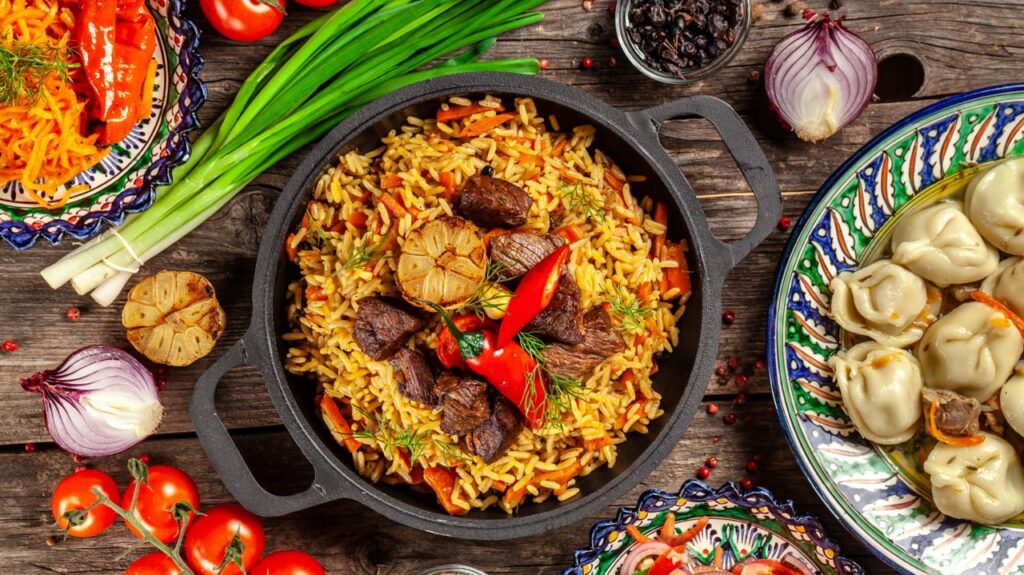
New Year remains one of the most significant holidays in Central Asia. While its scale and prominence have gradually declined due to rising religiosity, many residents still regard it as the foremost secular and ideology-free celebration of the year. Across the region, households prepare their most beloved dishes to ring in the occasion. No New Year Without Olivier Salad For many families, traditional fare is an essential part of New Year’s Eve. Olivier salad has long been a staple of the holiday table. Originally created in the 1860s by a French chef in Russia, the dish once featured ingredients such as hazel grouse and seafood. Over time, particularly during the Soviet era of shortages, the recipe evolved. Today, Olivier salad typically includes beef, chicken (or boiled sausage), potatoes, green peas, pickled cucumbers, and mayonnaise. It is usually prepared in large batches to ensure there is enough for all guests. Other popular salads include herring under a fur coat, vinaigrette, and “Tenderness”, hearty dishes that can leave guests too full for main courses. Even in modest households, red caviar often finds its way to the table, adding a touch of festivity and indulgence. Kazakhstan: Beshbarmak with a Twist In Kazakhstan, beshbarmak remains the centerpiece of the New Year’s feast, as it is for most major celebrations. Traditionally, the dish combines three cuts of horse meat, kazy, karta, and zhay, served with flat noodles and onions. However, some families are adapting their menus in line with the Chinese zodiac. As the Year of the Red Horse approaches, online advice has suggested avoiding horse meat out of respect for the symbolic animal. A vegan version of beshbarmak, featuring mushrooms and pumpkin, is gaining traction. Baked koktal fish is another showpiece dish, while kuydak (lamb with potatoes and onions) and khan syrbaz (a rich stew of lamb, vegetables, barley, and broth) are popular additions. Desserts often include traditional fermented milk products such as zhent, katyk, and irimshik, and the table is rarely without kumys, a fermented mare’s milk beverage. Uzbekistan: Pilaf Reigns Supreme In Uzbekistan, New Year is celebrated with great enthusiasm. According to folklore, Korbobo, a local version of Santa Claus, arrives on a donkey with his granddaughter Korgyz to distribute gifts to well-behaved children. Pilaf, or plov, is the dominant holiday dish. Made with rice, carrots, onions, meat, and spices, regional variations might include raisins or quince for added sweetness. Each area boasts its own version of the national favorite. Samsas, meat-filled pastries baked in a tandoor, are also served, as are manti, large, steamed dumplings filled with lamb, beef, or pumpkin. Other popular dishes include kazan-kabob (fried meat and potatoes). For dessert, chak-chak (fried dough with honey) and halva (made from sesame, semolina, or nuts) are perennial favorites. Kyrgyzstan: Boorsoki and Beshbarmak In Kyrgyzstan, beshbarmak, prepared with either horse meat or lamb, is also a central dish. Families commonly serve manti, baked chicken, and boorsoki (known in Kazakhstan as baursaki), fried dough balls that are a holiday staple. Other meat-based specialties...

Kazakhstan vs. Uzbekistan: A Footballing Derby with an Uncertain Outcome

The Uzbekistan national football team has qualified for the 2026 World Cup, which will take place across three North American countries: the U.S., Canada, and Mexico. Meanwhile, one of Kazakhstan’s leading clubs, FC Kairat Almaty, continues to gain experience competing in the UEFA Champions League. Football in Central Asia has become a mirror of the region’s growing economic and political ambitions, with Uzbekistan and Kazakhstan at the forefront. Their rivalry, which dates back to the Soviet era, has adapted to this new chapter. Kazakhstan and the Road to Europe Matches between Almaty's Kairat and Tashkent's Pakhtakor were once marquee events during the Soviet era, filling stadiums and energizing fans across the republics. Following the collapse of the USSR, however, the footballing paths of these two historical rivals began to diverge. Initially, both Kazakhstan and Uzbekistan joined the Asian Football Confederation (AFC), which includes countries from across Asia and parts of the Pacific, including former Oceania Football Confederation members such as Australia and Guam. Kazakhstan became a full member of the AFC in 1992, followed by Uzbekistan in 1994. However, Kazakhstan soon grew disillusioned with the level of competition within the AFC and began to explore other avenues. Its early attempts to join UEFA were rebuffed in the mid-1990s. Rakhat Aliyev, then head of the Football Union of Kazakhstan and son-in-law of former President Nursultan Nazarbayev, later described the process as being dismissed “without really getting to the heart of the matter.” Despite this, both Kazakhstan and Uzbekistan quickly showed they were a cut above most AFC members at the time. Kazakhstan won the inaugural Central Asian Cup in 1992, while Uzbekistan claimed gold at the 1994 Asian Games in Hiroshima, defeating China 4-2 in the final. Eventually, Kazakhstan succeeded in joining UEFA. Spearheaded by Aliyev, the Football Union of Kazakhstan (FSC) lobbied hard for admission, culminating in meetings with FIFA and UEFA presidents Lennart Johansson and Joseph Blatter in Moscow in late 2000 and early 2001. The AFC issued a statement on May 10, 2001, allowing Kazakhstan to make its own decision, and five days later Johansson confirmed that UEFA would welcome Kazakhstan as its 52nd member. "Joining UEFA has given all of us who work in football a powerful boost," Aliyev said at the time. "We will strive to use this momentum to raise the level of our national football." Uzbekistan and the Central Asian Football Association Unlike Kazakhstan, Uzbekistan chose to remain in the AFC, where it has steadily risen in prominence. In 2014, it became a founding member of the Central Asian Football Association (CAFA), a regional sub-group within the AFC. Officially operational since 2015, CAFA also includes Afghanistan, Iran, Kyrgyzstan, Tajikistan, and Turkmenistan. The organization is currently chaired by Rustam Emomali, son of Tajik President Emomali Rahmon. Uzbekistan is ranked second in the CAFA, behind Iran, and has consistently reached the quarterfinals of the AFC Asian Cup in 2004, 2007, 2015, and 2023. Much of this success is due to sustained investment in youth development, training...

Rumors Grow Over Real Madrid’s Interest in Uzbek Defender Khusanov

Speculation is mounting over a potential move by Real Madrid for Uzbekistan international Abdukodir Khusanov, with Spanish outlet Fichajes reporting that the La Liga giants are exploring the possibility of signing the 21-year-old Manchester City defender on loan. According to Fichajes, Real Madrid has initiated discussions to assess whether a mid-season loan deal is feasible as the club seeks short-term defensive cover amid a spate of injuries and a congested fixture schedule. The report suggests that Khusanov is being evaluated as a cost-effective option who could bolster the squad without committing significant transfer funds. Khusanov’s physical presence, aerial strength, and versatility across defensive roles reportedly make him an appealing candidate for Madrid. The club is said to be looking for a player who can make an immediate impact while maintaining strategic flexibility for future acquisitions. Khusanov joined Manchester City during the summer transfer window from French club RC Lens in a deal reportedly worth €40 million. However, his playing time under Pep Guardiola has been limited. Fichajes notes that City is aware of the need for the young defender to gain regular minutes and views a loan move as a viable development path. A stint at Real Madrid, one of Europe’s top clubs, would offer high-level competition and visibility, making it an attractive scenario for all parties involved. Beyond sporting reasons, the Spanish outlet highlights Real Madrid’s awareness of Khusanov’s potential market appeal in Asia. Signing a player from Uzbekistan could support the club’s outreach in the region, though performance remains the primary consideration. There is no indication that a mandatory purchase clause is part of the current discussions. Reports suggest that Manchester City is open to negotiating a loan, provided Khusanov receives consistent playing time. Talks remain preliminary, with final decisions likely to depend on the loan structure, salary arrangements, and City’s broader squad management. The speculation comes amid recent remarks by Pep Guardiola, published by Russian outlet Euro-Football, in which he expressed continued enthusiasm for working with new players. The Manchester City head coach, who extended his contract through mid-2027, mentioned Khusanov among the fresh arrivals who have reinvigorated his commitment to team development. Guardiola noted that players such as Khusanov, Claudio Echeverri, Matheus Nunes, and Rayan Aït-Nouri have motivated him “to help them adapt, integrate into the team, and become better.” As the winter transfer window approaches, both clubs appear to be weighing their options. Real Madrid continues to monitor the market for defensive reinforcements, while Manchester City evaluates the best route for Khusanov’s progression. Further talks are expected in the coming weeks.

Uzbekistan Performs First Liver Transplant on Seven-Month-Old Infant

Uzbekistan has successfully performed its first liver transplant on a seven-month-old infant. The operation was carried out at the National Children’s Medical Center, with the child’s mother serving as the donor, a technically demanding procedure rarely performed worldwide. Medical specialists at the center emphasized that liver transplantation in infants under one year of age requires advanced surgical capabilities and extensive pre-operative assessment. Both mother and child underwent comprehensive evaluations prior to the operation. Surgeons transplanted a segment of the mother’s liver into the child, and the procedure was completed without complications. The mother has already been discharged in stable condition. The infant remains under close medical supervision, with doctors describing the child’s condition as stable and satisfactory. Preparations for discharge are currently underway. The Ministry of Health hailed the operation as a milestone for Uzbekistan’s healthcare sector, highlighting the increasing ability of domestic institutions to carry out high-complexity medical procedures. In a related development, the ministry also noted recent advances in orthopedic surgery. In October, during the “Days of Kazakh Medicine in Uzbekistan” event, surgeons from Kazakhstan conducted robotic-assisted joint replacement surgeries in Tashkent. The team, led by orthopedic surgeon Timur Baidalin from Kazakhstan’s Batpenov National Scientific Center, performed one knee and one hip replacement using the MAKO robotic system. The technology enables precise surgical planning and reduces the risk of complications.

Kobyz Musical Instrument and Karakalpak Yurt Added to UNESCO Heritage List

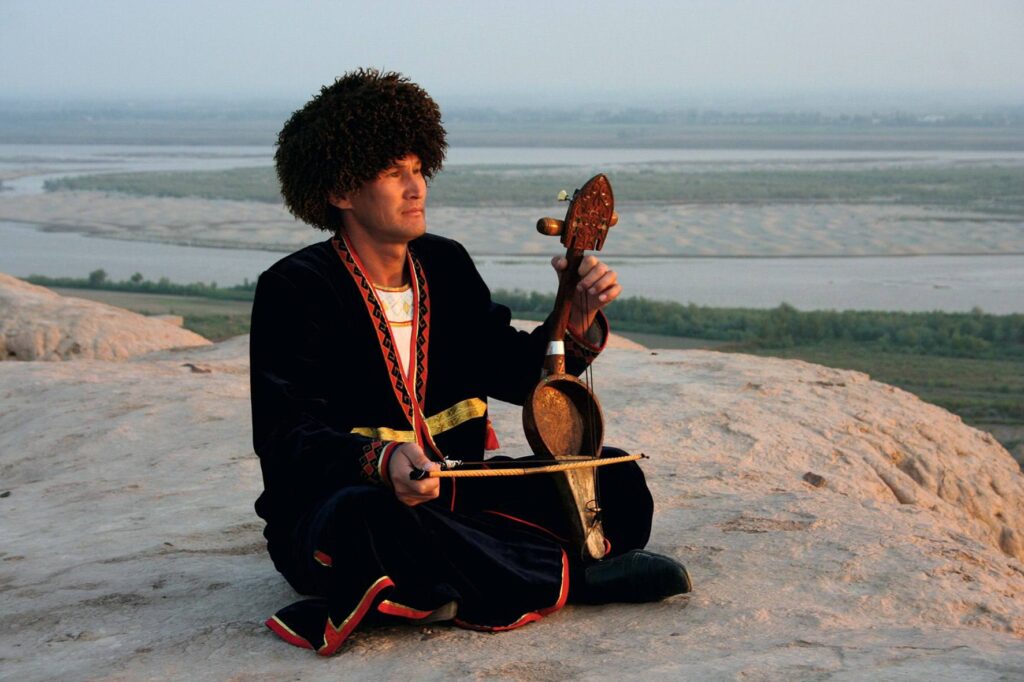
At the 20th session of the UNESCO Intergovernmental Committee for the Safeguarding of the Intangible Cultural Heritage, held in New Delhi from December 8-13, Uzbekistan’s nominations for the kobyz musical instrument and the Karakalpak yurt were officially approved for inclusion in the UNESCO Intangible Cultural Heritage List. As part of the application process, researchers documented the historical and cultural significance of the zhyrau (oral storytellers), whose performances are traditionally accompanied by the kobyz. A documentary film was also produced in Karakalpakstan, an autonomous republic within Uzbekistan, highlighting the craftsmanship involved in making the kobyz. The nomination emphasized the urgent need for preservation, citing a steady decline in the number of artisans who know the tradition. The kobyz is an ancient, bowed string instrument originating among Turkic peoples, with historical roots dating back to the 5th-8th centuries. Its haunting sound traditionally accompanies zhyrau performances and remains prevalent in both Karakalpakstan and Kazakhstan.

Rare Antonov An-124 Cargo Plane Makes Brief Stop in Tashkent

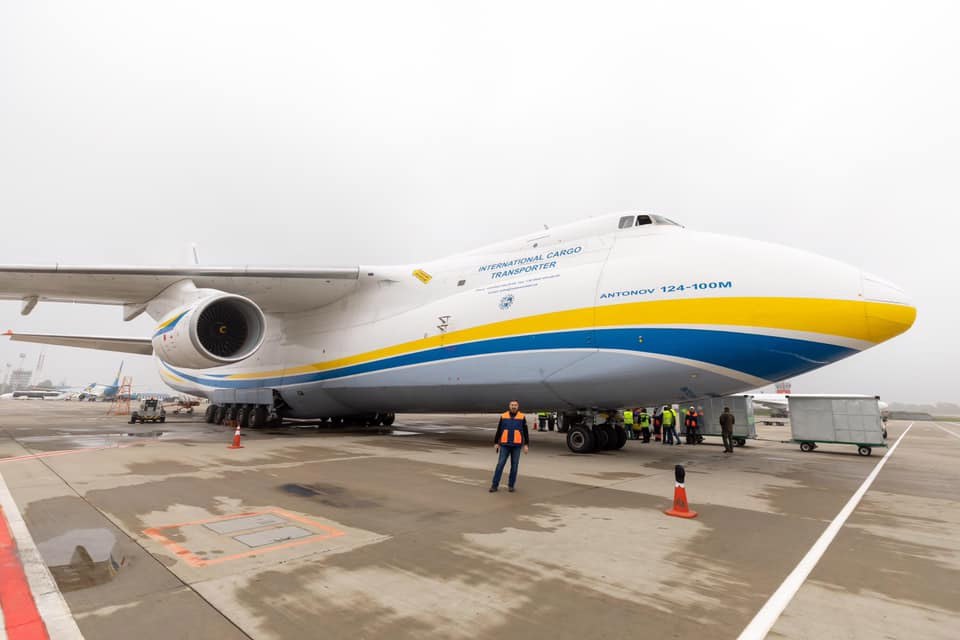
A rare sight drew the attention of aviation enthusiasts in Tashkent this week as an Antonov An-124-100M Ruslan, one of the world’s largest serially produced cargo aircraft, landed at Islam Karimov International Airport. According to Tashkent Sky News, the aircraft arrived from Urumqi and was registered as UR-82027. Notably, it bore the inscription “Be brave like Kharkiv”, a tribute to the resilience of the Ukrainian city under Russia's invasion. The An-124 remains a global leader in transporting oversized and heavy cargo. Capable of carrying between 120 and 150 tons, it features a cargo hold with a volume of approximately 1,050 cubic meters. The aircraft is equipped with both nose and tail cargo doors, each with built-in ramps, allowing simultaneous loading and unloading from either end, an advantage for complex logistics operations involving large or irregularly shaped equipment. Its robust design includes heavy-duty, multi-wheel landing gear, enabling it to land on less-developed airstrips. This operational flexibility makes the An-124 especially valuable in situations where access to major international airports is limited. Members of the Uzbekistan Spotters Team gathered at the airport to capture images of the aircraft during its brief stay. For local aviation enthusiasts, the visit offered a rare opportunity to photograph an iconic aircraft and share the experience with the global spotting community.