
• KGS/USD = 0.01143 -0%
  • KZT/USD = 0.00191 0%
  • TJS/USD = 0.10833 0.28%
  • UZS/USD = 0.00008 0%
  • TMT/USD = 0.28575 0%
  • KGS/USD = 0.01143 -0%
  • KZT/USD = 0.00191 0%
  • TJS/USD = 0.10833 0.28%
  • UZS/USD = 0.00008 0%
  • TMT/USD = 0.28575 0%
  • KGS/USD = 0.01143 -0%
  • KZT/USD = 0.00191 0%
  • TJS/USD = 0.10833 0.28%
  • UZS/USD = 0.00008 0%
  • TMT/USD = 0.28575 0%
  • KGS/USD = 0.01143 -0%
  • KZT/USD = 0.00191 0%
  • TJS/USD = 0.10833 0.28%
  • UZS/USD = 0.00008 0%
  • TMT/USD = 0.28575 0%
  • KGS/USD = 0.01143 -0%
  • KZT/USD = 0.00191 0%
  • TJS/USD = 0.10833 0.28%
  • UZS/USD = 0.00008 0%
  • TMT/USD = 0.28575 0%
  • KGS/USD = 0.01143 -0%
  • KZT/USD = 0.00191 0%
  • TJS/USD = 0.10833 0.28%
  • UZS/USD = 0.00008 0%
  • TMT/USD = 0.28575 0%
  • KGS/USD = 0.01143 -0%
  • KZT/USD = 0.00191 0%
  • TJS/USD = 0.10833 0.28%
  • UZS/USD = 0.00008 0%
  • TMT/USD = 0.28575 0%
  • KGS/USD = 0.01143 -0%
  • KZT/USD = 0.00191 0%
  • TJS/USD = 0.10833 0.28%
  • UZS/USD = 0.00008 0%
  • TMT/USD = 0.28575 0%
08 November 2025

Our People > Bruce Pannier

Bruce Pannier's Avatar

Bruce Pannier

Bruce Pannier is a Central Asia Fellow in the Eurasia Program at the Foreign Policy Research Institute, the advisory board at the Caspian Policy Center, and a longtime journalist and correspondent covering Central Asia. For a decade, he appeared regularly on the Majlis podcast for RFE/RL, and now broadcasts his Spotlight on Central Asia podcast in partnership with The Times of Central Asia.

Articles

Kyrgyzstan Election 2025: New Rules, New Map, Same High Stakes

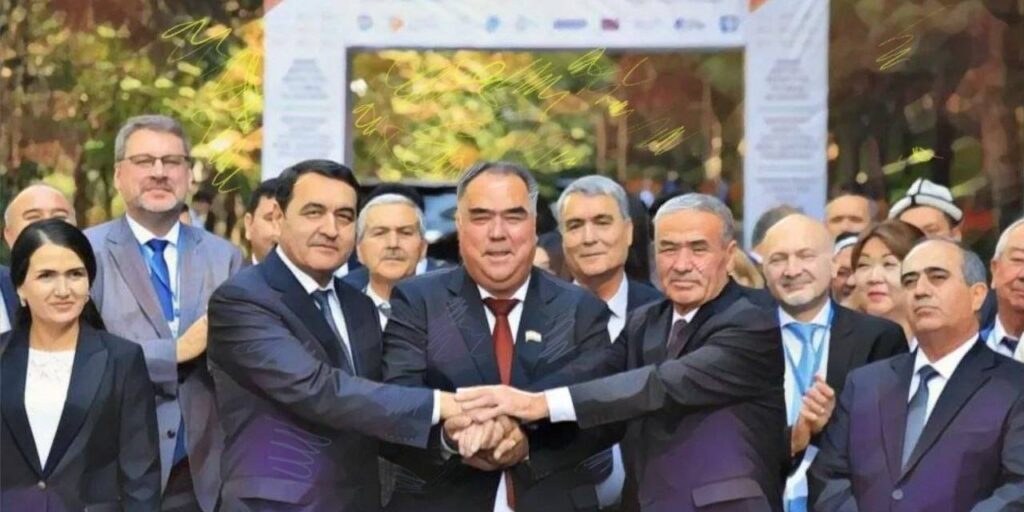
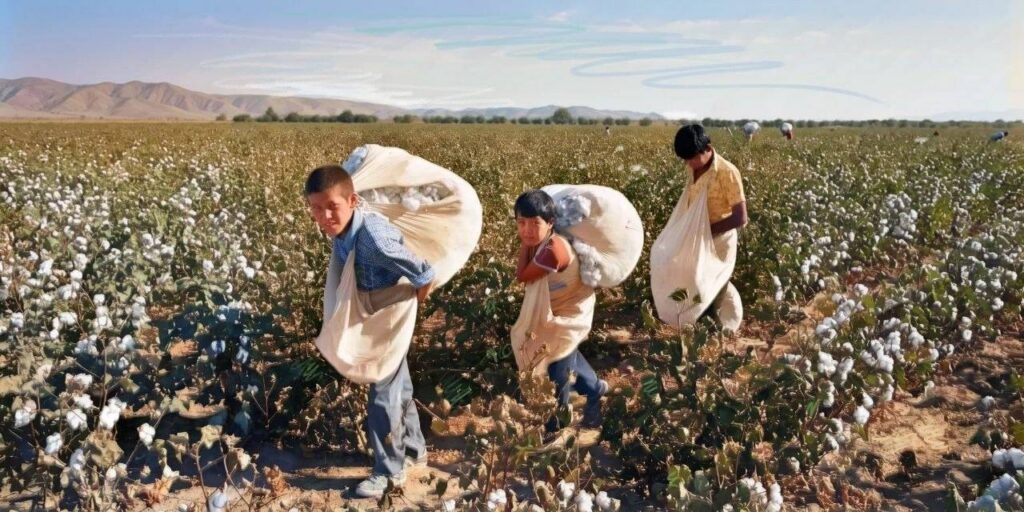
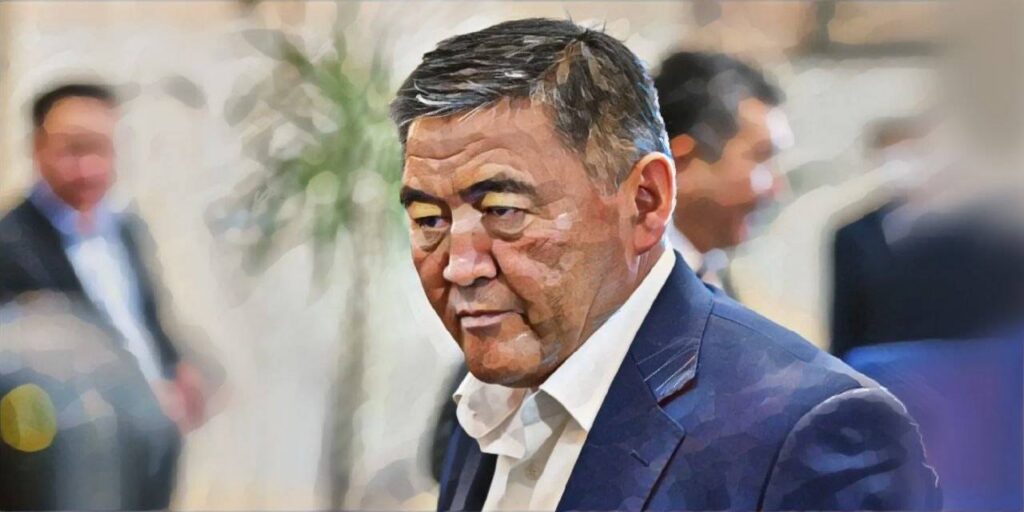
Kyrgyzstan is conducting snap parliamentary elections on November 30. The deadline for would-be candidates to hand in their forms was October 30. Nearly 600 prospective contenders have submitted registration forms to run for the 90 seats in parliament. The Central Election Commission (CEC) now has until November to process candidates’ applications to ensure they meet all the requirements to participate in the upcoming poll. Those who qualify will then have 18 days to convince voters in their districts to cast their ballots for them. The Basics These will be the ninth parliamentary elections held in Kyrgyzstan since the country became independent in late 1991. The reason officials gave for moving elections forward from November 2026 is that the next presidential election is scheduled for January 2027. However, in June 2025, amendments to the electoral system came into effect that changed the voting system and redivided electoral districts, opening the way to hold early elections. Parliament voted to dissolve itself in late September, and shortly after, the date of the forthcoming election was announced. To be eligible to run for a seat in parliament, a Kyrgyz citizen must be at least 25 years old, have a higher education, and have lived continuously in Kyrgyzstan for the last five years. Anyone with a criminal record is barred from participating. In Kyrgyzstan’s parliamentary elections in the 1990s and early 2000s, some prominent opposition figures were convicted of what appeared to be politically motivated charges and imprisoned to prevent them from taking part in elections. This happened to so many opposition politicians that after Kyrgyzstan’s first revolution, the Tulip Revolution of March 2005, a rule was introduced that allowed people with previous convictions to run for office. Now, an exception is made only for those whose convictions were later overturned. What’s New? These elections will be decided through single-mandate voting. That is not new. It was the way Kyrgyzstan’s parliamentary elections were conducted until 2007. The constitutional referendum of October 2007 changed the electoral system and introduced voting by party-list. Then-President Kurmanbek Baliyev formed the Ak-Jol party immediately after the referendum, and the party went on to win more than 60% of seats in parliament in the elections in December 2007. Bakiyev’s attempts to concentrate power into his hands eventually backfired and played a role in his ouster in the revolution of April 2010. Elections continued to be conducted by party list in 2010, 2015, and 2020. However, the elections of 2020 were plagued by allegations of rigging and vote-buying during the campaign, and when two pro-government parties won the majority of seats, it sparked another revolution that saw current President Sadyr Japarov come to power. The deputies elected in 2015 remained in their posts for more than another year. The last parliamentary elections in November 2021 were held using a mixed system, whereby 36 seats were decided by single-mandate voting, and 54 by party lists. President Japarov signed amendments to the election laws in June 2025, one of which was to decide the...

5 days ago

Tajikistan and the Taliban – Talking and Fighting

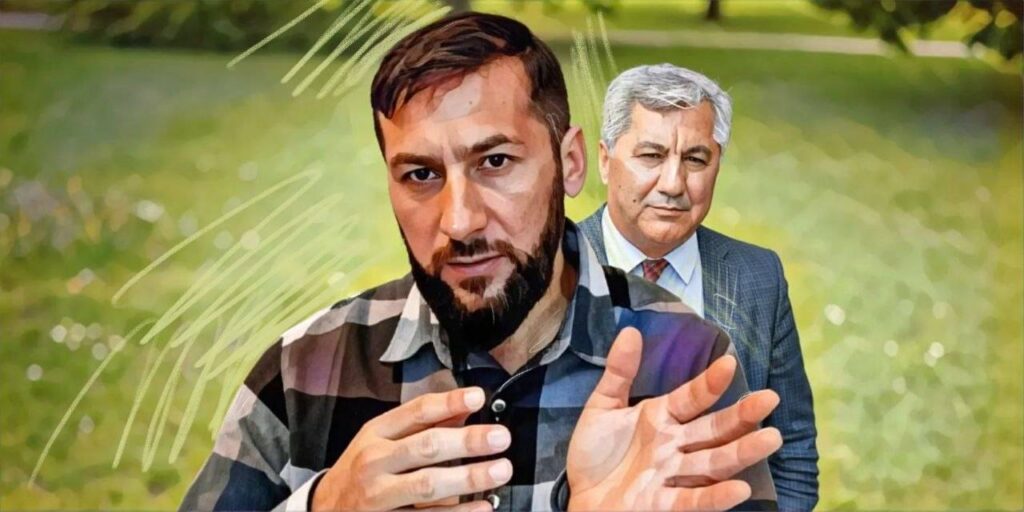
Peaceful coexistence is turning out to be complicated for Tajikistan and the Taliban government in Afghanistan. The Tajik government has viewed the Taliban as a threat since the militant group appeared in Afghanistan in the mid-1990s. But now that modest efforts are underway to establish some sort of amicable ties, there has been an uptick of violence directly involving the two sides along the Tajik-Afghan border. Let’s Keep This Between Us Tajikistan is the lone government in Central Asia that remained hostile to the Taliban after the latter returned to power in Afghanistan in August 2021. In the weeks that followed, the Taliban again exerted control over Afghanistan, and the Tajik government and the Taliban sent reinforcements to their common border. Russia and Pakistan had to intervene to ease tensions. The other Central Asian states, Kazakhstan, Kyrgyzstan, Turkmenistan, and Uzbekistan, have all established a business relationship with the Taliban government since the Taliban again seized control, but Tajikistan has remained aloof. Which is why the visit of Muhammad Yusuf Vafo, the governor of Afghanistan’s northern province of Balkh, to the Tajik capital Dushanbe on October 23 came as such a surprise. The Tajik government did not say anything about Vafo’s trip. The independent Tajik news agency Asia-Plus cited Afghan media as reporting on the visit, during which Vafo met with the head of Tajikistan’s National Security Committee (GKNB), Saimumin Yatimov. Vafo and Yatimov reportedly discussed ways to improve ties in a variety of spheres and pledged not to let any “hostile elements” use their territory to plot or carry out attacks on the country. An estimated several hundred Jamaat Ansarullah militants of Tajik origin continue to operate in Afghanistan. The group allied with the Taliban during the last years foreign forces were in Afghanistan, propping up the government of Ashraf Ghani, and stayed in Afghanistan after the Ghani government fell. Jamaat Ansarullah fighters were among the reinforcements the Taliban sent to the Tajik border during the weeks of tension in late 2021. There were reports soon after the Taliban returned to power that Tajikistan was aiding the National Resistance Front (NRF), a mainly ethnic Tajik group of former government soldiers who continue to wage a guerrilla campaign against the Taliban. NRF leader Ahmad Masoud, the son of the legendary Afghan field commander and ethnic Tajik, Ahmad Shah Masoud, has been in Dushanbe several times since August 2021, and there was a report that the NRF opened an office in Dushanbe in October that year. Shortly after Vafo’s visit to Dushanbe, Taliban sources in Balkh Province told the Pakistani-based Khorasan Diary website that Tajik authorities had banned the NRF, but the Tajik authorities stated that no such decision was made. Yatimov’s meeting with Vafo was not the first time the Tajik GKNB chief had met with Taliban representatives. In September 2024, Yatimov went to Kabul to hold security talks with Taliban officials, though the Tajik authorities never confirmed that meeting. Both parties are concerned about militants from the Islamic State of...

2 weeks ago

Is TAPI Just ‘TA’ for Now?

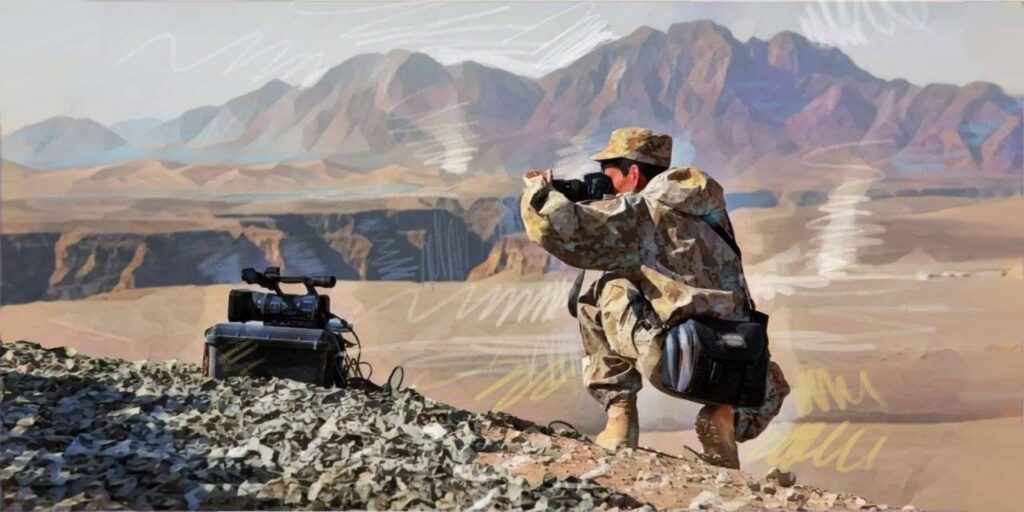
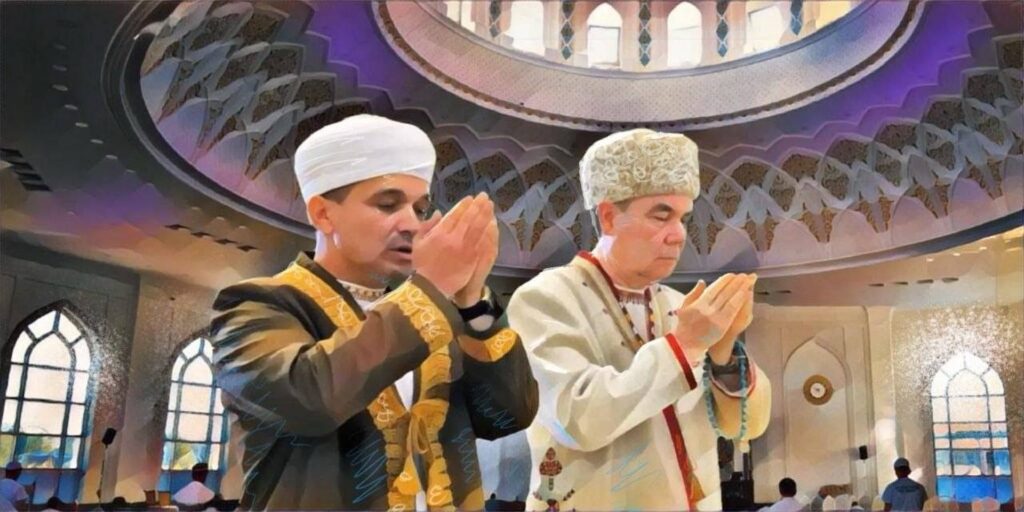
The idea for the 1,800-kilometer Turkmenistan-Afghanistan-Pakistan-India (TAPI) natural gas pipeline project has been around for 30 years. There has not been much progress in building the pipeline during those decades. The chances of seeing TAPI realized seem far away at the moment, considering Pakistan and India were involved in fighting in May of this year, and in October, there were battles along the Pakistan-Afghanistan border. However, Turkmenistan and Afghanistan are still interested in TAPI, and top officials from those two countries just met along the border to inaugurate a new section of the pipeline, and it looks like, for now, these two countries are enough. Another Ceremony Gurbanguly Berdimuhamedov, the chairman of Turkmenistan’s Halk Maslahaty (People’s Council), went to the Turkmen-Afghan border on October 20 to meet with Afghanistan’s Deputy Prime Minister for Economic Affairs, Mullah Abdul Ghani Baradar, for an event inaugurating a new section of TAPI. The ceremony for the Serhetabat-Herat section of TAPI took place just inside Afghanistan, not far from where top officials from the four countries involved, including Berdimuhamedov, gathered in February 2018 to launch construction of the Afghan section of TAPI. Berdimuhamedov made his only previous visit to Afghanistan during that ceremony, when he, the Afghan president, Pakistani prime minister, and Indian minister for state and external affairs, briefly flew to Herat to continue celebrations marking the launch. The location of the October 20 inauguration was also not far from the Islim Chesme border crossing, where Berdimuhamedov met with Afghan officials in September 2024 to again launch construction of the Afghan section of TAPI. Baradar and Berdimuhamedov spoke about the project’s importance in fostering greater regional cooperation, the economic benefits of which include creating jobs and providing energy to areas that greatly need it. Similar remarks were made by Berdimuhamedov and others at previous TAPI launches. Work did finally start after the 2024 launch. Afghanistan’s Tolo News reported that according to the country’s Ministry of Mines and Petroleum, 14 kilometers of the pipe have been laid, and 70 more kilometers of the route are set for pipeline installation. Turkmen state media always refers to Berdimuhamedov as “Arkadag,” which means “protector” in the Turkmen language. According to Turkmen state media, the Serhetabat-Herat section of the pipeline is called “Arkadagyn Ak Yoly,” or “Arkadag’s White Road.” Tolo News also reported that, “Recently, a large quantity of gas transmission pipes was imported from Turkmenistan into Afghanistan.“ It appears the Serhetabat-Herat section of TAPI is making progress, but it could be years before the pipeline goes any farther. A More Modest Goal For nearly the entire history of the TAPI project, the major obstacle to actually building the pipeline was the security problem inside Afghanistan. That problem is not over, but it is significantly reduced now that the Taliban are again imposing brutal control over the country. Military conflicts in recent months between Pakistan and both the other partners in the TAPI project shine a spotlight on another problem that has always raised questions about the viability of...

2 weeks ago

Russia Announces ‘Deportation Regime’ for Migrant Laborers

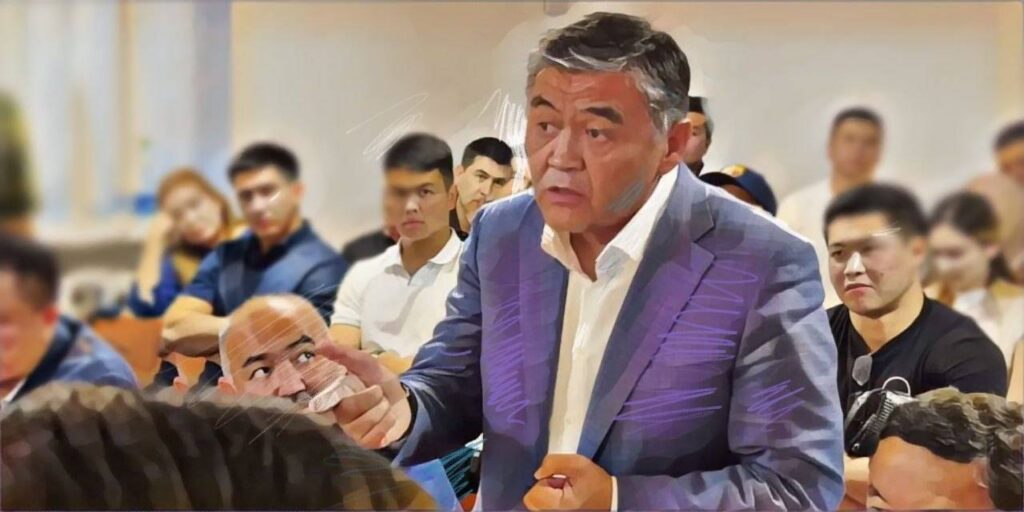
It has been more than a month since the deadline for migrant laborers working in Russia to complete their registration documents or face expulsion. The anticipated mass deportations have not happened, but Russian State Duma Chairman, Vyacheslav Volodin, indicated on October 13 that could change soon. Volodin warned, “A new migration regime is now in effect… the deportation regime.” The Final Bell Several months ago, Russian officials announced the September 10 deadline for all migrant laborers to legalize their status to work and live in Russia. Russia’s Federal Migration Service created a list in the summer of 2024 of “controlled persons,” those who still did not have all the required documentation to remain in Russia. The list was posted on the service’s website in February 2025. Volodin said those on the list lacked one or more of the following: “documents or certificates required for obtaining migration status or citizenship, registration of a place of stay or residence.” Volodin said the list also included those who failed to complete mandatory procedures such as “annual medical examinations for [their] presence… as well as fingerprinting and photographing” or have failed to show that their “patent, work permits, or employment contract” was renewed. The Duma Chairman said some 35,000 “foreign citizens” had already been expelled between January and August of this year. September 10 arrived, and in the days that followed, there were no reports of Russian law enforcement rounding up migrants and sending them back to their homelands. However, it was clear the Russian government was not bluffing. In his remarks to the Duma, Volodin explained that as of September 1, there were still some 770,000 migrants on the register of controlled persons, and that one-third of them were women and children. If these people have not taken care of their requirements, Volodin said, “They need to leave our country, informing [us] of the date, place, and route of their departure.” The Dwindling Number of Central Asian Migrant Laborers in Russia There are several million foreign workers in Russia, and the largest group is those from Central Asia, though fewer of them work there than was previously the case. The terrorist attack on Moscow’s Crocus City Hall in March 2024 that left more than 140 people dead was blamed on citizens of Tajikistan. It sparked a wave of xenophobia in Russia aimed at Central Asians, and prompted a raft of new laws and regulations for migrant laborers. Uzbekistan’s citizens have long been the largest group of Central Asian migrant laborers working in Russia, numbering between 4 to 6 million, depending on the season, during 2016. Figures vary for how many Uzbek citizens are working in Russia now, but Uzbekistan’s Migration Agency said at the start of October that it was about 1.3 million, noting the figure fluctuates depending on the time of the year, and that during the warmer months of 2025, it was closer to 2 million. During his recent visit to Tajikistan for a CIS summit and a separate meeting with...

3 weeks ago

From Gas to Gigawatts: Uzbekistan Powers Ahead with Dual Nuclear Deal

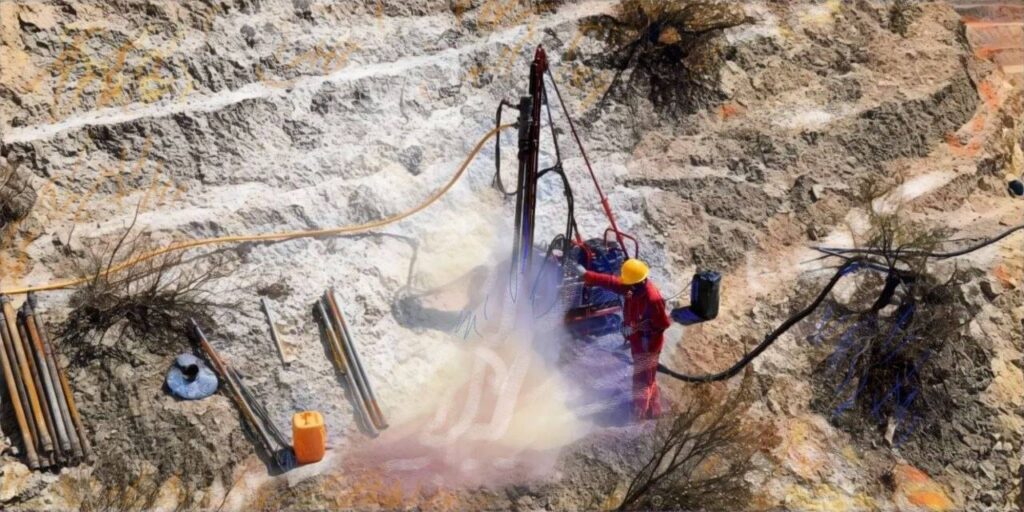
Uzbekistan has confirmed it will be building a large nuclear power plant (NPP) with two 1000-megawatt (MW) reactors as the country prepares for a sharp increase in electricity consumption in the coming years. Uzbekistan’s state atomic energy company, Uzatom, posted on September 26 that a new agreement calls for both a large and small NPP to be constructed at the same site in Uzbekistan. The revised plan for NPPs in Uzbekistan combines agreements the country signed with the Russian state nuclear company Rosatom in 2018 and 2024. Uzbek Prime Minister Abdullo Aripov and his Russian counterpart at the time, Dmitri Medvedev, signed a deal in September 2018 for a large NPP with two VVER-1200 reactors.  However, in late May 2024, during Russian President Vladimir Putin’s visit to Uzbekistan, a new agreement was signed for six small reactors, each with a capacity of 55 MW. Preparation work for six RITM-200N reactors started shortly after in the Farish district of Jizzakh Province. In June 2025, Russia’s Ministry of Economic Development said the agreement was restructured. The latest official agreement, signed September 26, 2025, commits to building an integrated NPP with two large VVER-1000 reactors and two small modular RITM-200N units. The Farish facility will be the first to house both a large and a small NPP at the same site. Speaking on the sidelines of the World Nuclear Week conference in Moscow on September 25, Uzatom director Azim Akhmedkhadjaev said, “We are the first in Central Asia to create an innovative solution for the future… (a) project combining advanced small modular reactor technology with time-tested solutions from large-scale nuclear energy.” The new agreement calls for the construction of two VVER-1000 units instead of the original VVER-1200 models. There was no explanation for the change in the type of reactors for the Uzbek facility. Uzbek Deputy Prime Minister Jamshid Khodjaev was also at the conference in Moscow. Hojayev noted Uzbekistan is seeking to increase renewable energy sources so that by 2030, these sources will produce more than 40% of Uzbekistan’s energy. Khodjaev pointed to solar and wind projects in explaining why the small NPPs are necessary. “Large blocks (reactors) provide stable baseload generation, while small blocks cover peak loads and balance the erratic operation of solar and wind farms,” according to Khodjaev. Essentially, the smaller reactors will help ensure a constant flow of electricity into the domestic grid when there is insufficient wind or sun to keep wind farms and solar power stations operating at full capacity. As Much as Possible and More Khodjaev has said that when both the large and small NPPs are operational in 2035, it will add some 15-billion-kilowatt hours (kWh) to Uzbekistan’s power grid. Electricity production in Uzbekistan has risen from some 59 billion kWh in 2016 to about 81.5 billion kWh in 2024. A relatively small percentage of that is exported to neighbors. A recent agreement with Kazakhstan calls for sending some 900 million kWh of Uzbek electricity to its northern neighbor between March and December 2026....

1 month ago