• KGS/USD = 0.01144 0%
  • KZT/USD = 0.00208 0%
  • TJS/USD = 0.10463 0.38%
  • UZS/USD = 0.00008 0%
  • TMT/USD = 0.28490 -0.14%
  • KGS/USD = 0.01144 0%
  • KZT/USD = 0.00208 0%
  • TJS/USD = 0.10463 0.38%
  • UZS/USD = 0.00008 0%
  • TMT/USD = 0.28490 -0.14%
  • KGS/USD = 0.01144 0%
  • KZT/USD = 0.00208 0%
  • TJS/USD = 0.10463 0.38%
  • UZS/USD = 0.00008 0%
  • TMT/USD = 0.28490 -0.14%
  • KGS/USD = 0.01144 0%
  • KZT/USD = 0.00208 0%
  • TJS/USD = 0.10463 0.38%
  • UZS/USD = 0.00008 0%
  • TMT/USD = 0.28490 -0.14%
  • KGS/USD = 0.01144 0%
  • KZT/USD = 0.00208 0%
  • TJS/USD = 0.10463 0.38%
  • UZS/USD = 0.00008 0%
  • TMT/USD = 0.28490 -0.14%
  • KGS/USD = 0.01144 0%
  • KZT/USD = 0.00208 0%
  • TJS/USD = 0.10463 0.38%
  • UZS/USD = 0.00008 0%
  • TMT/USD = 0.28490 -0.14%
  • KGS/USD = 0.01144 0%
  • KZT/USD = 0.00208 0%
  • TJS/USD = 0.10463 0.38%
  • UZS/USD = 0.00008 0%
  • TMT/USD = 0.28490 -0.14%
  • KGS/USD = 0.01144 0%
  • KZT/USD = 0.00208 0%
  • TJS/USD = 0.10463 0.38%
  • UZS/USD = 0.00008 0%
  • TMT/USD = 0.28490 -0.14%

Our People > Times of Central Asia

Times of Central Asia's Avatar

Articles

Kazakhstan Claws Back Another $98.5 Million From Nazarbayev’s Nephew

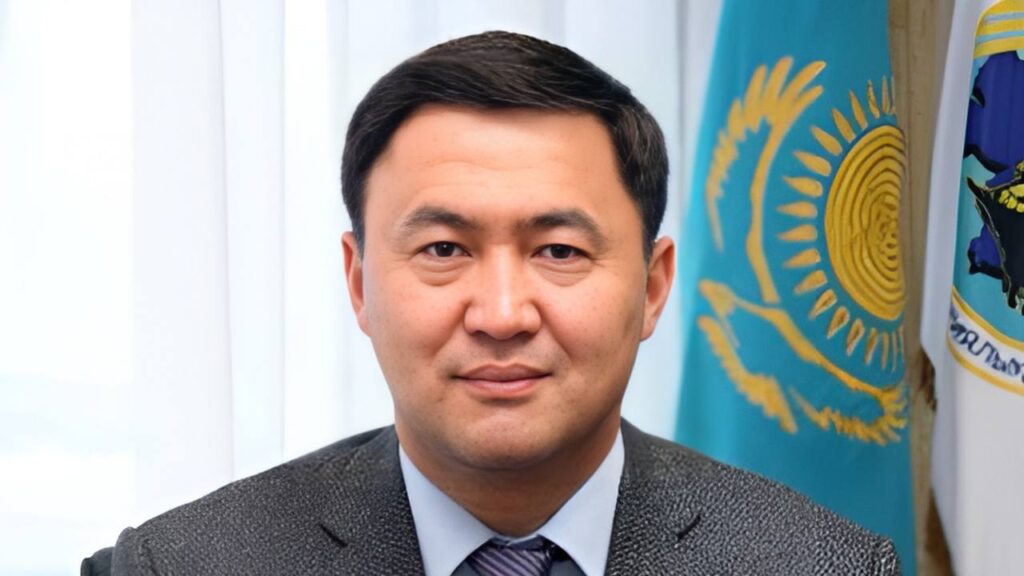
A well-known Kazakhstani businessman and a relative of former President Nazarbayev has returned another $98.5 million to the state's coffers. This money was returned as part of the criminal case against Kairat Satybaldy, according to the Anti-Corruption Agency of the Republic of Kazakhstan. "At present, the funds have been sent to the republican budget on account of compensation for damage caused to the state," said the head of the agency, Askhat Zhumagali. Satybaldy - a nephew of the first president of Kazakhstan - is a well-known businessman and former politician. He held positions in the Akimat of the capital, the National Security Committee, and developed business in the oil and gas industry, banking, the services sector, and trade. Satybaldy was detained in March 2022, accused of abuse of power and embezzlement on a large scale at both JSC Kazakhtelecom and JSC Center of Transport Services. In September of that year, an Astana court found Satybaldy guilty and sentenced him to six years imprisonment, replete with the confiscation of property and deprivation of the right to hold office for ten years. In addition, he was relieved of the title of Major General of the National Security Committee (KNB) and other state awards. In total, since the beginning of 2022, the Anti-Corruption Agency has returned $2 billion of illegally withdrawn assets, of which almost $1.5 billion belonged to Satybaldy. These include a stake in state company, Kazakhtelecom, companies in the railroad and telecommunications sectors, as well as jewelry worth more than $200 million. Additionally, as part of the criminal case, the state repossessed a stake in the Baisat Market, which had belonged to Satybaldy's son. The Agency noted that other investigations into Nazarbayev's nephew on cases related to non-payment of taxes and the laundering of proceeds from criminal activities are ongoing. At the same time, in order to preclude the withdrawal of embezzled budget funds abroad, the anti-corruption service intends to introduce digital technologies, including mechanisms for "coloring" money, and the use of digital tender to fully track how state funds are spent. "Long-term construction projects [and] untimely and low-quality construction are often associated with either embezzlement or withdrawal of money for further kickbacks to officials and other offenses,"Zhumagali stated. "Digital tenge as a tool will help us realize the [plan for] 'coloring' money. And if this money is allocated for salaries, it will not go in other directions. This whole procedure of money movement allocated from the budget becomes transparent, and all transactions must reach their goal; each tenge must be spent for a specifically envisaged purpose." In Kazakhstan, corruption continues to be one of the main factors hindering the country's economic development. In 2023, the country ranked 93rd out of 180 states on Transparency International's Corruption Perceptions Index with a raw score of 39 out of 100. However, this saw an improvement on the ranking of 101st registered on the 2022 index, and following the resignation of the government, on February 7th President Tokayev targeted stamping out corruption as a...

2 years ago

Russian E-Commerce Giant Wildberries Heads for Tajikistan, Turkmenistan

The founder of the Russian e-commerce platform Wildberries Tatyana Bakalchuk has mentioned in an interview with RIA Novosti that the company is planning on entering the Tajikistan and Turkmenistan markets. "We recognize that we must increase the geographic area in which we operate in order to sustain [our] growth rate. First, we are examining the bordering nations. We are already present throughout the nations that make up the EAEU (Eurasian Economic Union). We are now heading to the CIS (Commonwealth of Independent States) nations; for instance, we will be entering the market of Tajikistan and Turkmenistan," Bakalchuk said. Furthermore, RIA cited Bakalchuk as saying that the organization is presently attempting to establish a logistics network in Azerbaijan. “The Persian Gulf nations and the UAE market both pique our interest. Representatives from the Middle East, for instance, attended the forum 'Russia - Islamic World' in May, and many of them showed interest in our work. Thus, we will carefully consider the UAE and the Persian Gulf countries in this regard. We have already begun negotiations with a few nations." Wildberries currently operates in Uzbekistan, Kyrgyzstan, Belarus, Kazakhstan, and Russia. The company is an international online store that sells clothing, footwear, electronics, home furnishings and other items across thousands of categories. As of April 2023 it was the ninth-most visited e-commerce portal in the world, according to Statista data. The company was established in Russia in 2004 by husband-and-wife team Vladislav and Tatyana Bakalchuk.

2 years ago

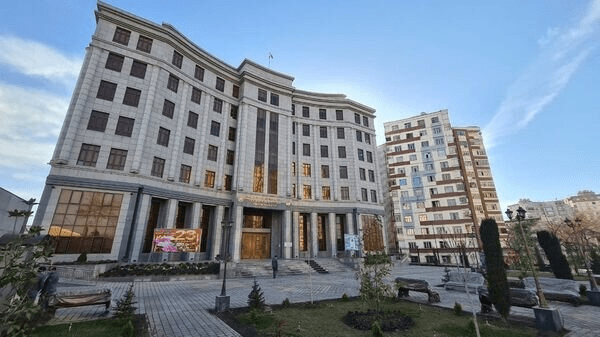
Rahmon Approves New Leadership of Anti-Corruption Agency

Tajikistan's Anti-Corruption Agency has undergone a change of personnel. By decree of President Emomali Rahmon, Sukhrob Safarzoda has been dismissed from the post of First Deputy Director of the agency, and replaced by Barot Rasuli. Muzaffar Ahmadzoda was also removed from the post of Deputy Director, with Firuz Kamolzoda appointed in his place. Meanwhile, Hilolbi Kurbonzoda became Deputy Director of the State Service Agency, and Firuz Sharifzoda became First Deputy Head of the Main Department for Protection of State Secrets. President Rahmon held meetings with the new heads, drawing their attention to the shortcomings and problems that exist in the work of not only just these state bodies, but also others.

2 years ago

Kazakhstan Shapes an Ambitious Future

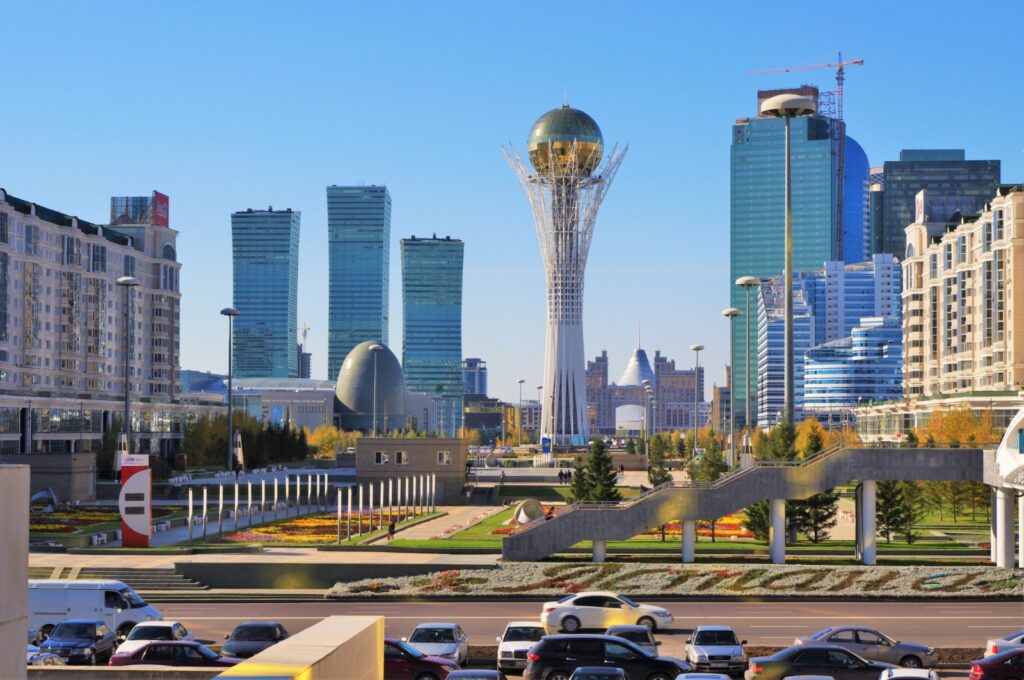
As Kazakhstan continues on its path towards economic expansion and modernization, it has set forth a revitalization and growth vision for 2024 and beyond, underpinned by a series of ambitious reforms and strategic investments. A central part to President Kassym-Jomart Tokayev’s vision, which he also detailed in a government meeting on February 7th, is the development of a sustainable and inclusive economy driven by innovation, strategic foreign investment and proactive engagement with the global community.   Building on the 2023 growth momentum There are positive indications that Kazakhstan is on the right track, despite challenges posed by ongoing global geopolitical risks and uncertainties. Its strong economic expansion continued in 2023, as gross domestic product (GDP) increased by nearly 5% as of the third quarter. The government is aiming to accelerate the pace of growth further throughout the remainder of the decade. Tokayev said in his February 7th speech that the target was to increase economic output to $450 billion by 2029, stressing that to do this, the country will need 6% annual GDP growth.   Attracting investment To achieve this ambitious goal, the country’s leadership is currently implementing a series of reforms, which are designed to attract a substantial influx of foreign investment (of at least $150 billion in total) by adopting environmental, social and governance (ESG) principles, as well as by enhancing the country’s overall investment climate. Examples of these initiatives include “green bonds” introduced in 2017; the sustainable finance initiatives presented since 2021 via the Astana International Financial Center, and the mandatory ESG reporting framework for companies listed on the Astana International Exchange. A pivotal element in Kazakhstan’s comprehensive series of economic reforms and investment strategies is the establishment of the Investment Headquarters, which is charged with the critical mission of enhancing the investment climate within Kazakhstan while ensuring qualitatively the proper execution of investment projects. At the same time, the government is working on a new Tax Code that should comprehensively reset the dynamics between the state and the private sector. The development of this code is guided by the need for a delicate balance between creating an environment conducive to investment, and securing the necessary revenues for the national budget.   Local capacity building The strategic plan behind the reforms foresees the introduction and transfer of cutting-edge technologies, the localization of production processes, and the establishment of high value-added clusters. These clusters would be strategically focused on driving the acceleration of the manufacturing sector. Potential sectors to benefit from these clusters include green technology, finance, and agriculture. Furthermore, the legislative and institutional framework will be implemented through the enactment of a fresh law on industrial policy and the establishment of a new Ministry of Industry and Construction.   A focus on standards of living These steps represent a commitment to improving the overall well-being of the population in tandem with ensuring economic growth. Tokayev has underscored that the focus of these efforts extends beyond merely achieving macroeconomic expansion and emphasized that economic developments must have a...

2 years ago

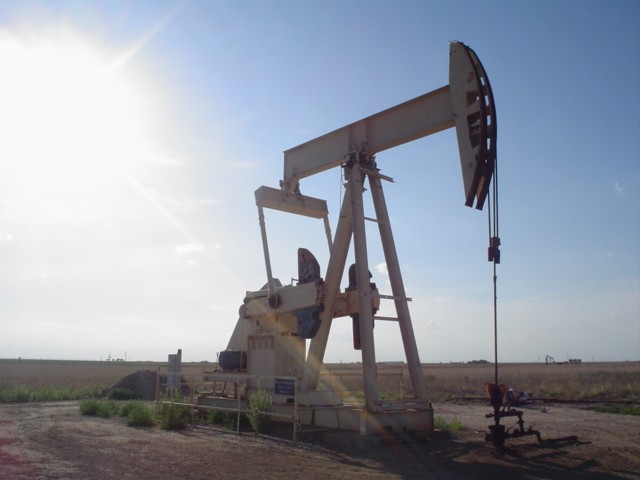
Turkmenneft Building Closer Relationship With UAE’s Dragon Oil

On February 6th the management of Turkmen state company Turkmenneft met with representatives of the Emirati oil & gas company Dragon Oil.  The delegation from Dragon Oil was led by the company's by CEO Ali Rashid Al-Jarwan, the International Information Center of Turkmenistan reported. The two sides discussed prospects for further cooperation in the oil & gas sector, taking into account their combined experience and Turkmenistan's large-scale plans for developing its fuel and energy complex.

2 years ago