• KGS/USD = 0.01144 0%
  • KZT/USD = 0.00206 0%
  • TJS/USD = 0.10415 -0.19%
  • UZS/USD = 0.00008 0%
  • TMT/USD = 0.28571 0%
  • KGS/USD = 0.01144 0%
  • KZT/USD = 0.00206 0%
  • TJS/USD = 0.10415 -0.19%
  • UZS/USD = 0.00008 0%
  • TMT/USD = 0.28571 0%
  • KGS/USD = 0.01144 0%
  • KZT/USD = 0.00206 0%
  • TJS/USD = 0.10415 -0.19%
  • UZS/USD = 0.00008 0%
  • TMT/USD = 0.28571 0%
  • KGS/USD = 0.01144 0%
  • KZT/USD = 0.00206 0%
  • TJS/USD = 0.10415 -0.19%
  • UZS/USD = 0.00008 0%
  • TMT/USD = 0.28571 0%
  • KGS/USD = 0.01144 0%
  • KZT/USD = 0.00206 0%
  • TJS/USD = 0.10415 -0.19%
  • UZS/USD = 0.00008 0%
  • TMT/USD = 0.28571 0%
  • KGS/USD = 0.01144 0%
  • KZT/USD = 0.00206 0%
  • TJS/USD = 0.10415 -0.19%
  • UZS/USD = 0.00008 0%
  • TMT/USD = 0.28571 0%
  • KGS/USD = 0.01144 0%
  • KZT/USD = 0.00206 0%
  • TJS/USD = 0.10415 -0.19%
  • UZS/USD = 0.00008 0%
  • TMT/USD = 0.28571 0%
  • KGS/USD = 0.01144 0%
  • KZT/USD = 0.00206 0%
  • TJS/USD = 0.10415 -0.19%
  • UZS/USD = 0.00008 0%
  • TMT/USD = 0.28571 0%

Our People > Times of Central Asia

Times of Central Asia's Avatar

Articles

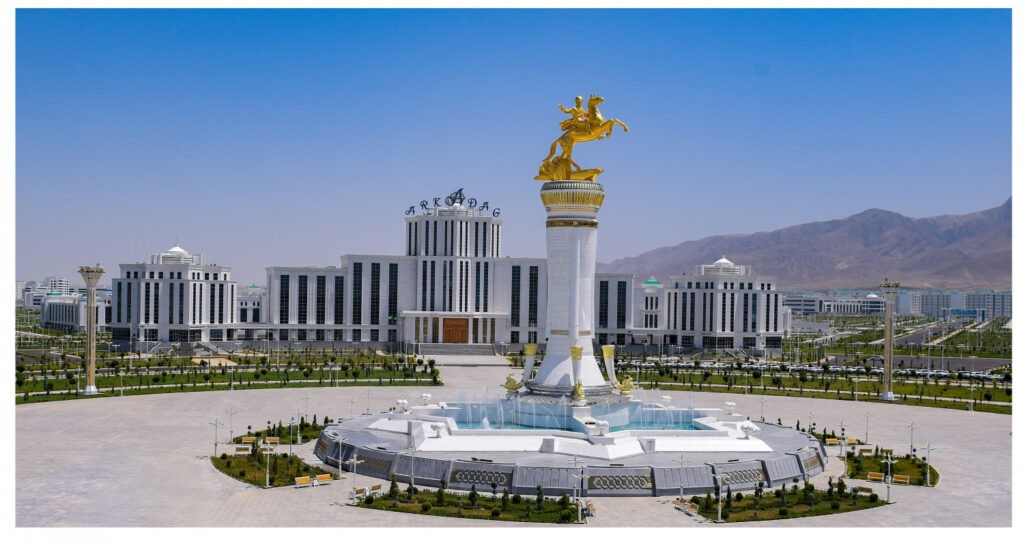
German Company To Help Create Medical Cluster In Turkmen City Of Arkadag

On January 27th Gurbanguly Berdimuhamedov, the chairman of the Halk Maslahaty (People’s Council) of Turkmenistan, met with the managing director of the German consulting company Goetzpartners Emerging Markets GmbH, Vladimir Mathias. Goetzpartners won an international tender to consult on the creation of a medical cluster in the Turkmen city of Arkadag, the Turkmen Foreign Ministry has reported. Germany is one of Turkmenistan’s key European partners. Several German companies are involved in large-scale projects in the fields of transport, communications and logistics in the country. At the meeting Mr Mathias explained to Mr Berdimuhamedov that the planned medical cluster in Arkadag is designed to produce various types of medical products not only for the domestic market, but also for export.  The city of Arkadag was unveiled on June 29th, 2023. The “smart” city, designed to be home for 70,000 people and costing billions of dollars to construct, is located 30km south of the capital, Ashgabat.

2 years ago

Japan to Assist Uzbekistan and Kazakhstan in Seismic Risk Detection

Synspective, a Japanese firm specializing in space monitoring and radar technology, has signed a memorandum of understanding (MOU) with Uzbekcosmos, the Center for Space Monitoring in Uzbekistan, and the Ғarysh Sapary National Company in Kazakhstan. Synspective is known for its advanced radar satellite interferometry data processing technologies, a key project being the development of Synthetic Aperture Radar (SAR), which allows for the processing and interpretation of high-resolution radar images of the Earth's surface under any weather conditions or time of day. This technology enables the identification of displacement or deformation of the earth's surface and objects, aiding in forecasting risk zones for potential destruction, water-logging, or other emergencies caused by natural disasters. The MOU outlines plans for Synspective to work closely with the Center for Space Monitoring and GIS-technologies under Uzbekcosmos. The partnership aims to enhance Uzbekistan's remote sensing capabilities, promote scientific and innovative activities in the space industry, and actively involve the latest technologies. Given Uzbekistan's geographical location in an earthquake-prone zone, the partnership with Synspective is expected to contribute to the creation of sustainable infrastructure and the efficient and safe use of natural resources and energy in Central Asia. In Kazakhstan, Synspective will focus on developing innovative applications for Earth remote sensing and radar data, particularly in disaster management. This includes mitigating landslides, mudslides, floods, and effectively managing infrastructure to reduce the effects of climate change. The collaboration opens up opportunities for joint international commercial projects, allowing Synspective to leverage its satellite data and analytical solutions, while enabling Kazakhstan to expand its technological capabilities. Japan's extensive experience in monitoring deformation and seismic activity, as well as improving the safety of facilities in highly seismic areas makes this cooperation particularly relevant, especially given the recent searthquakes in the region.

2 years ago

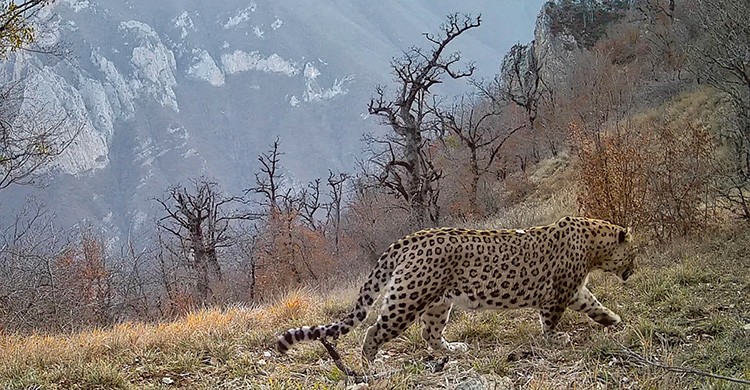
Leopard Shot Dead In Turkmenistan

A leopard was recently shot dead in the Etrek district of Balkan province, Turkmenistan. According to local press it was killed by a shepherd on December 28th. Soon after the incident police and reserve staff arrived at the site to conduct an investigation. The shepherd had his gun confiscated and was fined 1,700 manat ($486 at the state exchange rate or $87 at the black market rate). The leopard’s body was disposed of by reserve staff. According to reports the leopard killed was a juvenile. Young leopards are often less cautious and more likely to attack livestock. The leopard population in Turkmenistan has been reduced to a critically low level of less than 100 individuals. It is known that they live in the Kopetdag Mountains, as well as in the Badkhyz region. They are not often seen in the district where the leopard was killed, but they do occasionally migrate there.  

2 years ago

Kazakhstan Creates Caspian Sea Research Institute

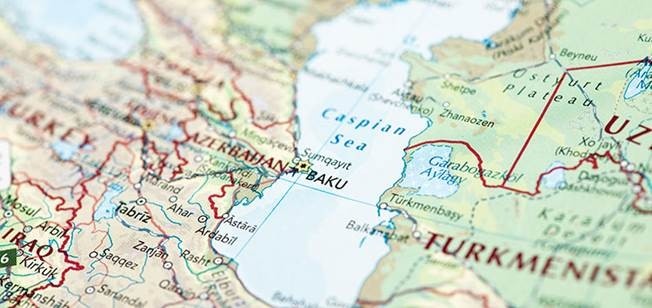
The Kazakhstan government has approved the establishment of the Caspian Sea Research Institute, its Ministry of Water Resources and Irrigation said on January 26th.  The new institute will study the environmental problems of the Caspian Sea, the problem of its decreasing water levels, the causes of mass deaths of seals and fish, and issues of preserving the population of the Caspian seal. The institute will closely interact with similar institutes in other Caspian states. The institute will provide objective and independent information about the ecosystem of the Caspian Sea, the ministry said, adding that its research data will serve as the basis for decision-making by state and local executive bodies concerning Caspian issues.

2 years ago

EBRD Approves New Strategy For Uzbekistan

The European Bank for Reconstruction and Development (EBRD) has approved a new strategy for Uzbekistan, setting out the bank’s priorities in the country until 2029. The EBRD’s strategic approach to operations in Central Asia’s most populous state will be based on activities in three areas: supporting decarbonization, greater water efficiency and cleaner energy; developing the private sector and fostering employment, skills, inclusion and the digital transition; and improving economic governance, the business climate and infrastructure connectivity, the bank said on January 26th. Under the first priority, the EBRD will work with the authorities to further decarbonize the national economy and increase the share of renewable energy in the total power output. It will pay special attention to creating low-carbon pathways and reducing methane emissions under Uzbekistan’s Global Methane Pledge commitments. The EBRD will also support the commercialization and modernization of power distribution and transmission networks, and channel further funds into modernizing and upgrading water, wastewater and irrigation facilities. Under the second priority, the EBRD will expand its support to the country’s private sector by providing direct financing, credit lines to small and medium-sized enterprises, and risk-sharing through local partner banks and trade finance facilities to support increased energy efficiency and women- and youth-led enterprises. Domestic small businesses will continue benefiting from the EBRD’s Business Advisory Services programme. The bank will also promote further digitalization in the private sector, the expansion of e-commerce and the development of local capital markets. Under the third priority, the EBRD will continue supporting the transformation of and governance improvements to state-owned enterprises and banks. It will support privatization, including through pre-privatization engagements; provide advice and financing to encourage the wider use of public-private partnerships; and support public-private sector dialogue through the Foreign Investors Council to help increase foreign direct investment. The bank will continue working to enhance regional and global connectivity, including through policy engagements and financing to improve transport connectivity and regional power trading, and help lower trade barriers. Uzbekistan is the leading recipient of EBRD funding in Central Asia for the fourth year running. To date the bank has invested around €4.28 billion in 147 projects across the country, most of which support private entrepreneurship and investment.

2 years ago