• KZT/USD = 0.00223
  • TJS/USD = 0.10860
  • UZS/USD = 0.00008
  • TMT/USD = 0.29850
  • KZT/USD = 0.00223
  • TJS/USD = 0.10860
  • UZS/USD = 0.00008
  • TMT/USD = 0.29850
  • KZT/USD = 0.00223
  • TJS/USD = 0.10860
  • UZS/USD = 0.00008
  • TMT/USD = 0.29850
  • KZT/USD = 0.00223
  • TJS/USD = 0.10860
  • UZS/USD = 0.00008
  • TMT/USD = 0.29850
  • KZT/USD = 0.00223
  • TJS/USD = 0.10860
  • UZS/USD = 0.00008
  • TMT/USD = 0.29850
  • KZT/USD = 0.00223
  • TJS/USD = 0.10860
  • UZS/USD = 0.00008
  • TMT/USD = 0.29850
  • KZT/USD = 0.00223
  • TJS/USD = 0.10860
  • UZS/USD = 0.00008
  • TMT/USD = 0.29850
  • KZT/USD = 0.00223
  • TJS/USD = 0.10860
  • UZS/USD = 0.00008
  • TMT/USD = 0.29850
10 November 2026

Our People > Sadokat Jalolova

Sadokat Jalolova's Avatar

Sadokat Jalolova

Journalist

Jalolova has worked as a reporter for some time in local newspapers and websites in Uzbekistan, and has enriched her knowledge in the field of journalism through courses at the University of Michigan, Johns Hopkins University, and the University of Amsterdam on the Coursera platform.

Articles

Kyrgyzstan Border Settlements Bring Property Documents to Villagers

Residents of Kara-Jantak village in Kyrgyzstan’s Batken region have received official property documents for 295 homes following the village’s transfer from Uzbekistan under a border agreement. The regional administration said officials handed over the documents to residents, who had previously received Kyrgyz passports. Around 1,200 people live in Kara-Jantak, which was formerly part of Uzbekistan’s Fergana region. In 2024, the village came under the jurisdiction of the city of Kadamjay in the Batken region as part of a settlement negotiated by the two countries’ intergovernmental commission on border delimitation and demarcation. Their border treaty was signed in 2022. Construction has begun on a 14-kilometer water supply network, with the project estimated to cost 38 million Kyrgyz soms (approximately $435,000). A separate irrigation project worth 316 million soms (around $3.6 million) has been prepared and is expected to be implemented soon. Land has also been set aside for a school and a kindergarten. In June 2026, two other former Uzbek villages, Chongara and Tash-Tobo in the Fergana region, became part of Kyrgyzstan. Around 2,500 people, mostly ethnic Kyrgyz, live in the two settlements. In exchange, Kyrgyzstan transferred land of equal area to Uzbekistan along the border. In a separate development, authorities in the Batken region are preparing to allocate 170 habitable houses out of 213 transferred to Kyrgyzstan through a territorial exchange with Tajikistan. The exchange followed a border settlement signed in March 2025. The houses will be provided to citizens who lost their homes or whose properties became uninhabitable during fighting along the Kyrgyz-Tajik border in 2021 and 2022. A regional working group led by Baktybek Toksonbaev, the first deputy presidential representative in the Batken region, reviewed the allocation process. It focused on providing a second replacement home to families whose two houses on the same plot had both been left uninhabitable. Authorities expect to hand over the properties to eligible residents in the coming days, following the required legal procedures.

22 hours ago
Turkish Official Questions Tokayev’s Proposal for OTS Observer Status for Russia

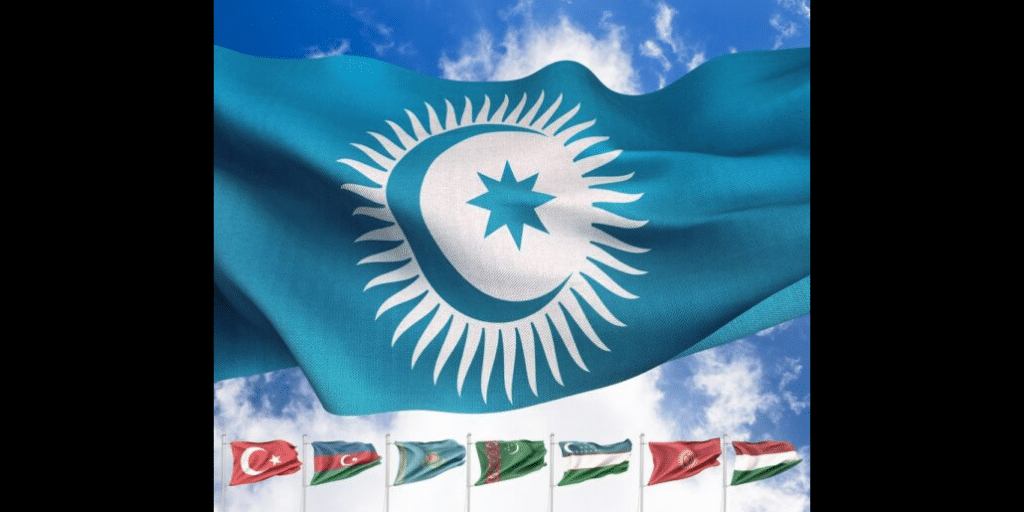
Kürşad Zorlu, a senior official in Türkiye’s ruling Justice and Development Party, has questioned Russia’s eligibility for observer status in the Organization of Turkic States (OTS), citing its language requirements. At the OTS summit in Ankara on October 30, Kazakh President Kassym-Jomart Tokayev proposed inviting Russia to participate through the OTS+ cooperation framework or as an observer. He argued that closer engagement with Moscow would enhance the organization’s international standing. The OTS brings together Türkiye, Azerbaijan, Kazakhstan, Kyrgyzstan, and Uzbekistan as full members. Its work now covers trade, transport, energy, and political coordination alongside linguistic and cultural cooperation. Zorlu, a deputy chairman responsible for the party’s relations with Turkic states, cited observer-status rules adopted at the 2021 Istanbul summit in comments to Anadolu Agency on November 3. Under those rules, he said, a country seeking observer status must recognize a Turkic or related language as a state or official language used in government correspondence nationwide. Recognition in individual regions is insufficient. Hungary was granted observer status in 2018, before the rules were adopted. Russia has several republics with substantial Turkic-speaking populations, and some Turkic languages have official status within them. Russian remains the country’s sole state language at the federal level. On November 2, Kremlin spokesman Dmitry Peskov said Russia’s participation in the OTS would be appropriate, although Moscow had not received an official invitation. Zorlu pointed instead to OTS+, a framework introduced in 2025 to develop relations with countries outside the organization’s formal membership and observer arrangements. It allows meetings with third countries at the level of foreign ministers or heads of state, provided all member states agree. This offers Moscow a channel for cooperation without changing the language requirements for observer status. He linked other countries’ growing interest in the OTS to the strategic importance of the Middle Corridor, a trade route connecting China and Europe through Central Asia, the Caspian Sea, Azerbaijan, Georgia, and Türkiye. Zorlu also proposed reviving cultural cooperation between Russia’s Turkic republics and the International Organization of Turkic Culture (TÜRKSOY). Founded in 1993, TÜRKSOY promotes cultural exchanges among Turkic-speaking communities. Its website lists six Russian republics as observers: Altai, Tuva, Khakassia, Bashkortostan, Sakha (Yakutia), and Tatarstan. Zorlu said their cooperation with TÜRKSOY had been effectively frozen since 2015. That year, Russia’s Culture Ministry called for a halt to contacts amid a sharp deterioration in relations after Türkiye shot down a Russian military aircraft near the Syrian border. The Ankara summit also took place without Azerbaijani President Ilham Aliyev, despite a personal invitation from Turkish President Recep Tayyip Erdoğan. Azerbaijan was represented by Foreign Minister Jeyhun Bayramov. Azerbaijani media attributed Aliyev’s absence from the summit to scheduling commitments. The meeting came amid tensions between Ankara and Baku over Azerbaijan’s restrictions on headscarves in schools and its close ties with Israel. Baku has not officially linked his absence to those disagreements.

4 days ago

Uzbekistan Plans to Double Uranium Production by 2030

Uzbekistan plans to double its annual uranium production to 15,000 metric tons by 2030, up from a projected 7,500 this year, as demand for nuclear fuel grows. Tashkent also wants to expand critical mineral processing to produce more finished goods for export. The development plans, published by the president’s office on November 5, cover state-owned uranium producer Navoiyuran and the Uzbekistan Technological Metals Complex. According to the World Nuclear Association, Uzbekistan ranks fifth globally in uranium production. Output reached 7,000 metric tons in 2025, up from 5,200 the previous year. The industry is concentrated around Navoi, an industrial center in central Uzbekistan. Buyers of Uzbek uranium include companies from Japan, Canada, South Korea, and China. Neighboring Kazakhstan remains the world’s largest uranium producer, accounting for approximately 39% of global output in 2024. Uzbekistan’s expansion could further increase Central Asia’s importance to international nuclear fuel markets. The November 5 announcement said global uranium demand had increased by 15–20% in recent years and could grow by another 28% by 2030. It did not identify the source or methodology behind those figures. To meet its production targets, Navoiyuran plans to expand geological exploration and develop new deposits, supported by additional uranium processing units. The government also aims to increase explored uranium reserves to 200,000 metric tons by 2030. Another priority is reducing the industry’s dependence on sulfuric acid, a key chemical used in uranium extraction. Uzbekistan intends to increase the use of alternatives so that they account for 40% of extraction reagents by 2030. Alongside uranium, the country is developing production of materials used in electronics, energy, engineering, and other advanced industries. The complex is already working with tungsten, molybdenum, selenium, tellurium, and rhenium. Plans call for expanding into 11 additional metals and minerals, including nickel, cobalt, graphite, and vanadium. By 2030, the government aims to increase the production value of these 16 materials to more than $2.7 billion. Tungsten processing projects are expected to attract $1.1 billion in investment, with the government aiming to bring the production value of tungsten-related products to nearly $2.2 billion by 2030. The metal is widely used in hard alloys for cutting tools and other industrial equipment. The complex also plans to launch 12 investment projects by the end of 2026 and expand production of high-purity selenium and tellurium. Both elements have applications in modern manufacturing, including electronic components and solar panels. Uzbekistan is also considering the development of deposits containing rare and rare-earth elements to expand its mineral resource base. The announcement did not specify when individual facilities would reach full capacity or provide projected export volumes. Uzbekistan’s uranium deposits have already attracted interest from foreign investors, including companies from China, France, and Japan. In 2025, French nuclear fuel company Orano and Navoiyuran expanded their partnership in the Nurlikum Mining joint venture, with each holding a 45% stake and Japan’s ITOCHU Corporation owning the remaining 10%. The venture plans to develop the South Djengeldi uranium deposit, with average annual production expected to reach about 500 metric...

4 days ago

Hackers Walk Back Claim of Uzbekistan Data Leak Affecting 27 Million

Journalists in Uzbekistan found their own personal information and details about relatives in a database circulating online, Gazeta.uz has reported. The Interior Ministry announced an investigation on October 29 after reports linked the records to SAFE Service, formerly known as SafeRoad, a digital service for motorists. As of November 5, the authorities had yet to announce their findings. Separately, on November 1, a hacker group known as Butterfly claimed it had accessed a government database containing personal information on more than 27 million Uzbek citizens. The group said it had accessed passport details, addresses, phone numbers, personal identification numbers (PINFL), and biometric photographs belonging to millions of people. To support its claims, the group published Digital Technologies Minister Sherzod Shermatov’s phone number and threatened to sell the database on the dark web, a part of the internet accessible through specialized software that is also used to trade stolen data. By November 3, Butterfly had recast itself as a community of “white-hat hackers,” cybersecurity specialists who identify vulnerabilities in computer systems so they can be fixed. The group’s members said they had not stolen government databases and had instead sought to highlight security weaknesses and the slow response of the agencies responsible. The group did not explain why it had initially threatened to sell the alleged database. It is also unclear whether Butterfly’s members had permission from the owners of the information systems, as is customary in authorized security testing. Shermatov commented on the situation on November 4. Without confirming reports of a data breach, the minister warned about vulnerabilities in outdated information systems. He said artificial intelligence was making software vulnerabilities easier to discover and urged government agencies and businesses to conduct more frequent security checks and heed warnings from UzCERT, Uzbekistan’s national computer incident response service. He did not say whether the authorities had verified Butterfly’s claims or established the origin of the alleged data. The Interior Ministry and the Cybersecurity Center under the State Security Service are investigating the origin of the records linked in October reports to SAFE Service. The developer, AUTODOC, denied that the records came from its application, saying the information had been collected from other sources before the application was launched. No connection between the two incidents has been established. Butterfly’s withdrawal of its initial claim and AUTODOC’s explanation do not establish where the published information originated. Cybersecurity specialist Akmal Sodikov notes that personal data can become accessible to unauthorized parties because of server misconfigurations, inadequate access controls, employee actions, or vulnerabilities in third-party services. Passport details, phone numbers, and PINFL numbers are valuable to fraudsters. With such information, criminals can more easily impersonate bank employees or government officials to trick people into disclosing verification codes and gain access to their accounts. In Uzbekistan, government services, digital identification, and financial transactions are becoming increasingly interconnected. As a result, protecting personal data depends on the security of multiple information systems. In February 2026, the country faced reports of an alleged leak affecting 15 million citizens....

5 days ago

Uzbekistan Cotton Harvest Exceeds 5 Million Tons for First Time Since Independence

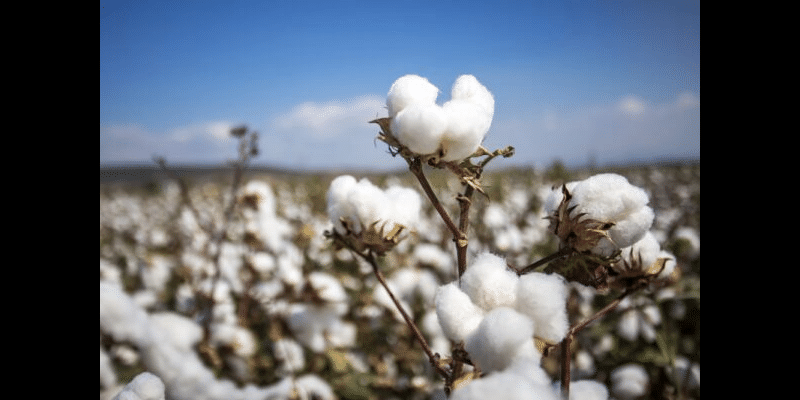
Uzbekistan has harvested more than 5 million metric tons of raw cotton in 2026, its highest reported total since independence in 1991. The record comes as the country has sharply reduced the area planted with cotton and expanded mechanized harvesting. In early November, the Ministry of Agriculture announced the milestone, with harvesting still underway in some areas. The harvest is at least 500,000 metric tons above the contractual target of 4.5 million metric tons for farms and cotton-textile companies, providing additional raw material for Uzbekistan’s textile industry. Cotton production has long been central to Uzbekistan’s economy and agricultural landscape. During the Soviet period, nearly 2 million hectares were devoted to the crop, which consumed substantial water resources and depended heavily on manual labor. By 2000, cotton cultivation covered approximately 1.4 million hectares, yielding around 3 million metric tons. In 2026, cotton was grown on approximately 890,000 hectares, according to the Ministry of Agriculture. In a November 4 address to farmers, President Shavkat Mirziyoyev said the area planted with cotton had fallen by 38% in recent years, while average yields had risen from 2.1 to 5.6 metric tons per hectare. He attributed the increase in yields to improved farming methods, new cotton varieties, and investment in irrigation technology. More than 3,000 cotton-picking machines had collected 85% of this year’s crop by November 4, Mirziyoyev said, with harvesting fully mechanized in the Jizzakh and Syrdarya regions. The shift has particular significance in Uzbekistan, where cotton harvesting was once associated with the systematic mobilization of schoolchildren, students, teachers, and public-sector employees. The Cotton Campaign coalition says systemic state-imposed forced labor has ended, although labor rights concerns remain. Mechanical harvesting has further reduced the need for large numbers of seasonal pickers. Cotton cultivation contributed to the depletion of the rivers feeding the Aral Sea, causing one of Central Asia’s most severe environmental disasters. Mirziyoyev said water consumption in cotton production had fallen by half compared with the 1990s, although his address did not explain how that figure was calculated. Despite difficult growing conditions, Karakalpakstan, the autonomous republic bordering the remnants of the Aral Sea, harvested more than 400,000 metric tons of cotton this year, according to the president. He said average yields had increased by 1 to 1.5 metric tons per hectare compared with previous years. The region continues to face the effects of the Aral Sea’s retreat, including soil salinity and water shortages.

5 days ago

Uzbekistan Inflation: Consumers’ Estimates Exceed Official Rate

People in Uzbekistan believe prices have risen considerably faster than official inflation figures show, according to a survey by the Central Bank of the Republic of Uzbekistan. Respondents estimated annual price increases at 9.2% in September, compared with the official inflation rate of 6.4%. The survey covered 2,726 residents and measured their perceptions of price changes over the preceding 12 months. The nationwide estimate fell by 0.9 percentage points from 10.1% in August, according to survey data cited by economist Otabek Bakirov. Tashkent recorded the highest regional figure, at 11.9%, while pensioners nationwide put annual price increases at 12.5%, up 3.1 percentage points from their August assessment. Meat and dairy products were the most frequently cited sources of price increases, mentioned by 56% of respondents, followed by gasoline and other fuels (53%) and electricity and natural gas (36%). Compared with August, the share of respondents reporting substantial increases in electricity and natural gas prices rose by 17 percentage points. The shares citing fuel prices and transportation services each rose by 11 points, followed by nine points for restaurants, eight for education, and seven for healthcare. These figures measure changes in the proportion of people reporting higher prices, not the size of the price increases themselves. On November 4, the Central Bank raised its year-end inflation forecast from 6.5% to 7% and kept its benchmark interest rate at 14%, citing strong domestic demand and persistent price pressures. Uzbekistan's economy grew by 8.3% year on year in January–September, supported by industry, construction, and services. The bank now expects growth of around 8% for 2026. According to the bank, demand is exceeding the economy's capacity to supply goods and services, adding to inflationary pressure. Fluctuations in global food and energy prices could also push up import and transportation costs, while planned increases in government-regulated tariffs pose another inflation risk. Core inflation, which excludes certain volatile and government-regulated prices, stood at 5.5% in September. The Central Bank expects overall inflation to decline to its 5% target by the end of 2027. In neighboring Kazakhstan, annual inflation stood at 9.3% in September, while households expected prices to rise by 11.8% over the following year. The National Bank of Kazakhstan lowered its benchmark rate to 15.75% on October 23, its fourth consecutive cut during 2026, and signaled that further reductions could be paused.

6 days ago

Kazakhstan’s Youth Soccer Players Hospitalized After Suspected Food Poisoning in Tashkent

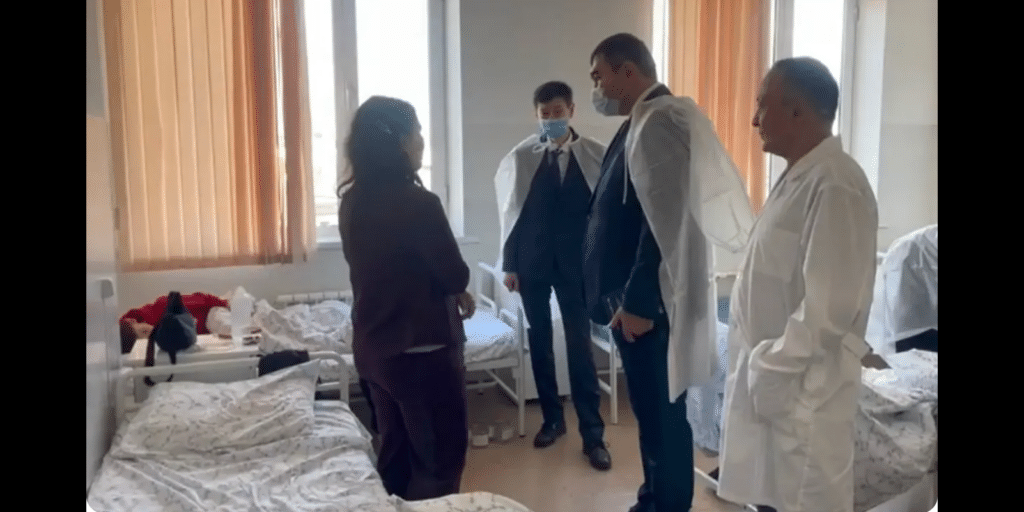
Six children and two adults in a youth soccer delegation from Kazakhstan remained hospitalized in Tashkent on November 4 after a suspected food poisoning outbreak during an international tournament. Kazakhstan’s embassy in Uzbekistan said they were in stable condition and that 10 other patients had been discharged. The group had traveled from the Karaganda region for the Dostlik Cup 2026. Uzbekistan’s Ministry of Health said members of the group ate eggs with partially cooked yolks and sausages for breakfast at their hotel on November 1. Thirteen people developed vomiting, diarrhea, abdominal pain, and fever later that day, and seven others sought treatment with similar symptoms over the following two days. Ambulances took the first patients to a specialized medical center before they were transferred to Tashkent City Clinical Infectious Diseases Hospital No. 5. The ministry said 20 people had received treatment for acute diarrhea, with none requiring intensive care. Consul Saken Perdebekov and Kazakhstan’s ambassador have visited the hospital, and the embassy is assisting patients and their families. Health officials from both countries are coordinating the response. The Chilanzar District Prosecutor’s Office has opened a criminal investigation into possible violations of sanitary regulations. A separate food poisoning outbreak at state kindergartens in the Tashkent region affected hundreds of children in September 2025. Health inspectors have collected samples of leftover food from the delegation’s hotel for laboratory testing. The cause of the illness has not yet been established, and the investigation is continuing.

6 days ago

Telegram Leads News Consumption in Uzbekistan, but Television Remains Most Trusted

Telegram channels are Uzbekistan’s most widely used news source, but television remains the most trusted, a national survey has found. The study, presented by the Mass Media Foundation in Tashkent on November 2, found that 51.6% of respondents used Telegram channels for news. Television followed at 44.6%, while 41.6% used social media. Trust followed a different pattern. Television was the most trusted source for 44.3% of respondents, compared with 11.3% for Telegram channels and 7.4% for news websites. The findings also show demand for more reliable reporting and greater attention to everyday problems. Some 41.3% of respondents said they lacked information about prices, employment, and social support. Another 40.6% wanted more coverage of people’s everyday problems. A Generational Divide The gap between Telegram and television was particularly pronounced across age groups. Among respondents aged 18–24, 66.2% used Telegram channels for news. Television led among those aged 55 and older, cited by 77.4%. However, the audiences overlap. Respondents could select up to three news sources, so the findings do not represent separate groups. Among Telegram users, 40% also received news from television. The study also examined the languages people prefer when receiving information. Uzbek remains the leading choice, with 71.7% preferring publications in Uzbek Cyrillic and 49.8% also selecting Uzbek Latin. Russian was mentioned by 43.3% of respondents, while 11.3% said they prefer English-language information. Smaller shares selected Karakalpak (7%), Kazakh (5.6%), and Tajik (4.8%). Respondents could select more than one option. The preferences differ across generations. Older respondents are more accustomed to reading Uzbek in Cyrillic, reflecting the language and writing systems used during their education. Younger people are more oriented toward Latin-script Uzbek, while English is also more prominent among younger audiences. Telegram’s overall reach extended well beyond news consumption: 86.1% of respondents used the platform for communication or other activities. That figure should not be confused with the share using Telegram channels as a news source. Speed was the most frequently cited reason for choosing information sources, mentioned by 48.6% of respondents. Access at any time and from any location followed at 31%. Demand for Reliable Reporting Nearly half of social media users, 48.7%, said they had encountered false or unreliable information. Some 37.5% reported a shortage of verified news, while 31.6% wanted more objective coverage. These findings do not establish why television received higher trust ratings than Telegram, but they do show concerns about the quality of information available online. Across the full sample, 46.6% considered the spread of false information the main problem in the media environment. When asked what improvements they expected, 27.6% called for more in-depth analysis and 22.5% for an objective presentation of different viewpoints. Television viewers also identified shortcomings, including repetitive programming and excessive advertising. Rural respondents wanted more educational programs and coverage of life outside the capital, including everyday social and economic problems. How the Study Was Conducted Interviewers spoke face-to-face with 1,411 adults at their homes across all 14 regions from September 8 to 19, 2026. The organizers said the...

7 days ago

Uzbekistan’s Mirziyoyev Proposes 100 Joint Projects for Turkic States

Uzbekistan’s President Shavkat Mirziyoyev has proposed a program for 100 joint investment and industrial projects among members of the Organization of Turkic States (OTS). Speaking at the OTS summit in Ankara on October 30, Mirziyoyev said the “Turkic World – 100” program would support industrial cooperation and help companies from OTS countries compete in international markets. The president proposed focusing on processing rare and strategic minerals, manufacturing renewable energy equipment, and producing goods with higher added value. He suggested financing the program through the Turkic Investment Fund and international financial institutions. To protect business interests, Mirziyoyev proposed a multilateral treaty on mutual legal assistance in commercial matters that would allow court decisions to be recognized and enforced across member countries. He also proposed a digital platform for exchanging legal documents. In transportation, he called for a network of logistics hubs managed jointly by OTS countries, with a focus on the Middle Corridor trade route. Mirziyoyev also called for an agreement that would expand opportunities to travel using national identity cards instead of passports and simplify border-crossing procedures and rules governing stays in other member countries. To attract tourists, he proposed establishing a Turkic Tourism Alliance to promote the region’s historic cities, natural attractions, and cultural heritage. Uzbekistan is prepared to offer 200 scholarships a year to students from other Turkic states through its New Uzbekistan Scholarship program. Mirziyoyev thanked participants for supporting Uzbekistan’s proposal to designate 2027 the OTS Year of Nature Protection. He called for regular consultations on international and regional issues to coordinate members’ positions and promote their shared interests. For engagement with third countries, he proposed an “OTS Plus” format, starting with meetings of ministers responsible for specific sectors. Alisher Qodirov, leader of the Milliy Tiklanish (National Revival) Democratic Party, wrote on Telegram that cooperation among Turkic countries should rest on shared history and cultural ties rather than political or economic interests alone. He argued that alliances based solely on economic benefits could weaken as national interests change. Uzbek diplomat Mirvokhid Azimov was appointed OTS secretary-general at the October 30 summit. He became the first representative of Uzbekistan to hold the position, succeeding Kyrgyz diplomat Kubanychbek Omuraliev. Participants also agreed to hold the next summit in Uzbekistan in 2027.

1 week ago

Google Pay Uzbekistan Launch Enabled by Data Reforms, Executive Says

Google Pay’s launch in Uzbekistan follows changes to the country’s personal data protection rules, which have made it easier for international technology companies to enter the market, according to a senior Google executive. Doron Avni, Google’s vice president for government affairs and public policy for emerging markets, said in a LinkedIn post that replacing strict rules on storing data locally with a more flexible approach had enabled the launch. Under legislation signed on March 26, most categories of personal data can now be stored and processed abroad under certain conditions. However, biometric and genetic data, as well as data belonging to customers of telecommunications operators in Uzbekistan, must still be stored in the country. “Modern policy isn't just written on paper – it's felt directly in people's pockets,” Avni wrote. Google Pay was announced in Uzbekistan on October 19, with support for cards issued by participating Uzbek banks becoming available on October 27, alongside Apple Pay. The introduction of both platforms allows users to make contactless payments through compatible smartphones and other devices. Initially, both services support eligible Visa and Mastercard cards, while integration with Uzbekistan’s domestic UZCARD and HUMO payment systems remains under development. Avni linked the launch to technology cooperation between Uzbekistan and the United States. It was announced during U.S. Secretary of State Marco Rubio's visit to Samarkand for the C5+1 ministerial meeting with his counterparts from the five Central Asian countries. He said the visit reflected a shared interest in advancing digital modernization in Central Asia, including cybersecurity, cloud technology, and digital education. “My sincere gratitude to the Government of Uzbekistan and the U.S. Ambassador Jonathan Henick for their exceptional vision and partnership,” Avni wrote.

1 week ago