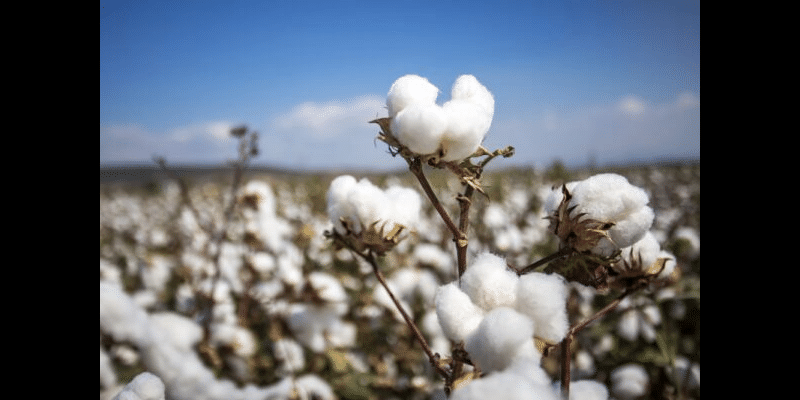
Uzbekistan has harvested more than 5 million metric tons of raw cotton in 2026, its highest reported total since independence in 1991. The record comes as the country has sharply reduced the area planted with cotton and expanded mechanized harvesting.
In early November, the Ministry of Agriculture announced the milestone, with harvesting still underway in some areas. The harvest is at least 500,000 metric tons above the contractual target of 4.5 million metric tons for farms and cotton-textile companies, providing additional raw material for Uzbekistan’s textile industry.
Cotton production has long been central to Uzbekistan’s economy and agricultural landscape. During the Soviet period, nearly 2 million hectares were devoted to the crop, which consumed substantial water resources and depended heavily on manual labor. By 2000, cotton cultivation covered approximately 1.4 million hectares, yielding around 3 million metric tons. In 2026, cotton was grown on approximately 890,000 hectares, according to the Ministry of Agriculture.
In a November 4 address to farmers, President Shavkat Mirziyoyev said the area planted with cotton had fallen by 38% in recent years, while average yields had risen from 2.1 to 5.6 metric tons per hectare. He attributed the increase in yields to improved farming methods, new cotton varieties, and investment in irrigation technology.
More than 3,000 cotton-picking machines had collected 85% of this year’s crop by November 4, Mirziyoyev said, with harvesting fully mechanized in the Jizzakh and Syrdarya regions.
The shift has particular significance in Uzbekistan, where cotton harvesting was once associated with the systematic mobilization of schoolchildren, students, teachers, and public-sector employees. The Cotton Campaign coalition says systemic state-imposed forced labor has ended, although labor rights concerns remain. Mechanical harvesting has further reduced the need for large numbers of seasonal pickers.
Cotton cultivation contributed to the depletion of the rivers feeding the Aral Sea, causing one of Central Asia’s most severe environmental disasters. Mirziyoyev said water consumption in cotton production had fallen by half compared with the 1990s, although his address did not explain how that figure was calculated.
Despite difficult growing conditions, Karakalpakstan, the autonomous republic bordering the remnants of the Aral Sea, harvested more than 400,000 metric tons of cotton this year, according to the president. He said average yields had increased by 1 to 1.5 metric tons per hectare compared with previous years. The region continues to face the effects of the Aral Sea’s retreat, including soil salinity and water shortages.