• KGS/USD = 0.01144 0%
  • KZT/USD = 0.00204 0%
  • TJS/USD = 0.10394 -0.38%
  • UZS/USD = 0.00008 0%
  • TMT/USD = 0.28571 0%
  • KGS/USD = 0.01144 0%
  • KZT/USD = 0.00204 0%
  • TJS/USD = 0.10394 -0.38%
  • UZS/USD = 0.00008 0%
  • TMT/USD = 0.28571 0%
  • KGS/USD = 0.01144 0%
  • KZT/USD = 0.00204 0%
  • TJS/USD = 0.10394 -0.38%
  • UZS/USD = 0.00008 0%
  • TMT/USD = 0.28571 0%
  • KGS/USD = 0.01144 0%
  • KZT/USD = 0.00204 0%
  • TJS/USD = 0.10394 -0.38%
  • UZS/USD = 0.00008 0%
  • TMT/USD = 0.28571 0%
  • KGS/USD = 0.01144 0%
  • KZT/USD = 0.00204 0%
  • TJS/USD = 0.10394 -0.38%
  • UZS/USD = 0.00008 0%
  • TMT/USD = 0.28571 0%
  • KGS/USD = 0.01144 0%
  • KZT/USD = 0.00204 0%
  • TJS/USD = 0.10394 -0.38%
  • UZS/USD = 0.00008 0%
  • TMT/USD = 0.28571 0%
  • KGS/USD = 0.01144 0%
  • KZT/USD = 0.00204 0%
  • TJS/USD = 0.10394 -0.38%
  • UZS/USD = 0.00008 0%
  • TMT/USD = 0.28571 0%
  • KGS/USD = 0.01144 0%
  • KZT/USD = 0.00204 0%
  • TJS/USD = 0.10394 -0.38%
  • UZS/USD = 0.00008 0%
  • TMT/USD = 0.28571 0%

Our People > Tamila Olzhbaekova

Tamila Olzhbaekova's Avatar

Tamila Olzhbaekova

Journalist

Tamila Olzhabekova is a journalist, award-winning illustrator, and a volunteer, curator and event organizer in the DOSTAR diaspora of Kazakhstan organization.
Prior to working for The Times of Central Asia, she has written for Peter Tv, First Line, Five Corners, Sport.Kz, and numerous other publications. A campaigner for interethnic harmony and the protection of stray animals, she studied at St. Petersburg State University.

Articles

Tajikistan Is Drowning in Plastic: Inside a Waste System Under Strain

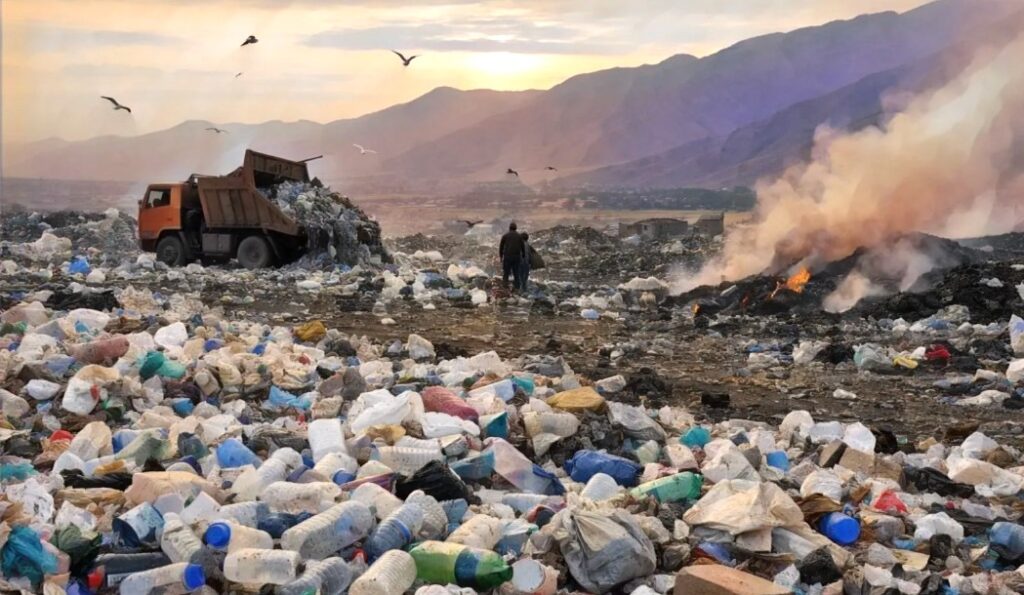
According to domestic sector-specific sources, more than nine million tonnes of municipal solid waste (MSW) are generated annually in Tajikistan, of which around 322,000 tonnes is plastic. The key feature of plastic waste is its extreme resistance to decomposition; it can persist in natural environments for decades or even centuries, accumulating in soil and water bodies. However, estimates of total waste generation vary widely depending on the source, with international organizations offering more conservative figures. The United Nations Environment Programme (UNEP), for instance, reports approximately two million tonnes of formally collected municipal waste generated annually in Tajikistan. This discrepancy is likely due to differing accounting methodologies. National statistics typically include waste from unauthorized dumps and the informal sector, while international estimates often rely on formally collected and officially documented waste. Still, even the most conservative figures highlight the significant environmental burden posed by Tajikistan’s waste-management system. Tajikistan’s Position in International Waste Rankings Waste accumulation and limited recycling capacity are reflected in global assessments. According to domestic reporting citing the 2024 Mismanaged Waste Index (MWI), 87.1% of Tajikistan’s waste is either not collected through organized systems or is disposed of in violation of environmental standards. This would place the country among those with the most vulnerable waste-management systems. In practice, this means waste is often dumped at unauthorized sites, openly burned, or dispersed into the environment. These practices place pressure on soil, water resources, and air quality, while also posing long-term risks to public health. This crisis is unfolding amid a global plastic-waste emergency. Even in countries with advanced recycling systems, the proportion of recycled plastic remains low. UNEP estimates that only around 9% of all plastic ever produced has been recycled; the rest remains in the environment. Regional Disparities: Cities vs. Rural Areas Tajikistan’s domestic statistics divide the country into three groups based on waste generation. The “Mega” group includes the largest cities and adjacent areas (e.g., Dushanbe, Khujand), home to roughly 4.2 million people. Average daily waste generation here is 1.013 kg per person, resulting in up to an estimated 148,000 tonnes of plastic waste annually. The “Medium” group comprises 10 mid-sized cities (e.g., Bokhtar, Kulob, Kanibadam), with a combined population of 1.99 million. Daily per capita waste generation in this group averages 0.902 kg, leading to an estimated 62,000 tonnes of plastic annually. In rural areas and smaller districts, with over 4 million residents, waste generation averages 0.79 kg per person per day. While the plastic share here is less precise, these regions still generate an estimated 100,000 tonnes of plastic waste per year. It is in these smaller settlements that waste-management infrastructure is most deficient. While cities have basic municipal services and landfills, many rural areas lack even waste-collection containers. As a result, waste is often dumped in ravines, rivers, or burned in backyards, meaning much of it goes unrecorded in official statistics and may significantly exceed documented levels. Where the Plastic Goes: Disposal, Loss, and Recycling Most plastic waste in Tajikistan is either buried or left in...

2 months ago
A Breakout Year for Contemporary Art in Kazakhstan

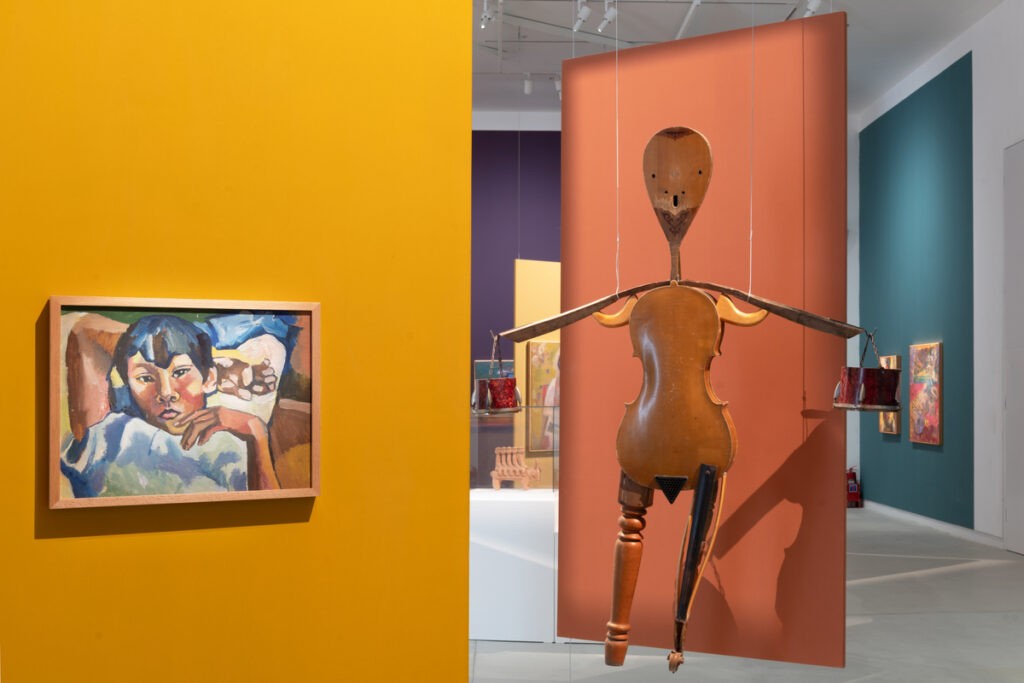
The year 2025 marked not only a busy period for contemporary art in Kazakhstan but also a decisive acceleration. Art moved beyond professional circles, claimed urban spaces, entered international agendas, and ceased to be a conversation “for insiders only.” The Kazakhstani art scene spoke with growing confidence both at home and abroad. New institutions, landmark exhibitions, festivals, and global collaborations signaled a pivotal shift: contemporary art has become a visible and integral component of the country’s cultural fabric. New Museums and Art Spaces in Kazakhstan Geographically, Almaty emerged as the epicenter of contemporary art activity in 2025. The city saw the opening of key institutions that became new focal points for artists, curators, and audiences. Opening of the Almaty Museum of Arts (ALMA) On September 12, 2025, the Almaty Museum of Arts (ALMA) opened its doors in Almaty, becoming one of the largest contemporary art museums in Central Asia. From the outset, ALMA signaled serious institutional ambitions, with a mission to support and study contemporary art processes and situate them within a global cultural context. The museum’s collection includes around 700 works, more than 70% of which are by notable Kazakhstani artists of the 20th century, such as Zhanatai Shardenov, Tokbolat Togyzbayev, Makym Kisameddinov, and Shaimardan Sariyev. Contemporary artists like Rustem Khalfin, Saule Suleimenova, and Said Atabekov are also prominently featured. Designed by the British architectural bureau Chapman Taylor, the 10,000-square-meter museum includes expansive exhibition halls (“The Great Steppe,” “Saryarka”), an Art Street atrium, storage and restoration facilities, and a creative workshop, setting a new standard for museum infrastructure in the region. [caption id="attachment_42431" align="aligncenter" width="1200"] Installation view of "I Understand Everything" – Almagul Menlibayeva (12 September 2025 - May 2026), Almaty Museum of Arts; image: Alexey Naroditsky[/caption] Tselinny Center of Contemporary Culture: Reclaiming a Building and Its Meaning Just days earlier, on September 5, 2025, the Tselinny Center of Contemporary Culture was inaugurated in Almaty. Housed in a restored 1964 Soviet-era cinema, the building underwent nearly seven years of renovation led by British architect Asif Khan. Notably, the facade’s unique sgraffito by artist Evgeny Sidorkin was preserved. The transformed space now features an exhibition hall, library, cafe, and workshop areas. Its opening was marked by the performance BARSAKELMES, with initial public access free of charge. Tselinny now operates three days a week and serves as a vital platform for exhibitions, education, and creative dialogue. [caption id="attachment_42433" align="aligncenter" width="2400"] The Tselinny Center of Contemporary Culture; image: SAPARLAS/Zhanarbek Amankulov[/caption] A. Kasteev State Museum of Arts: A New Status and Contemporary Focus Kazakhstan’s primary national art institution also redefined its role in 2025. Celebrating its 90th anniversary, the A. Kasteev State Museum of Arts was granted National Museum status. In conjunction with this milestone, a new gallery dedicated to contemporary Kazakhstani art from the independence period was unveiled. The exhibition Memory. Space. Progress brought together works from leading artists, charting the development of artistic practice from the 1990s to the present. Contributors included members of the Shymkent-based Red Tractor group, Almaty conceptualists,...

2 months ago

Tashkent Choked by Smog: What 2025 Revealed and How Residents Are Responding

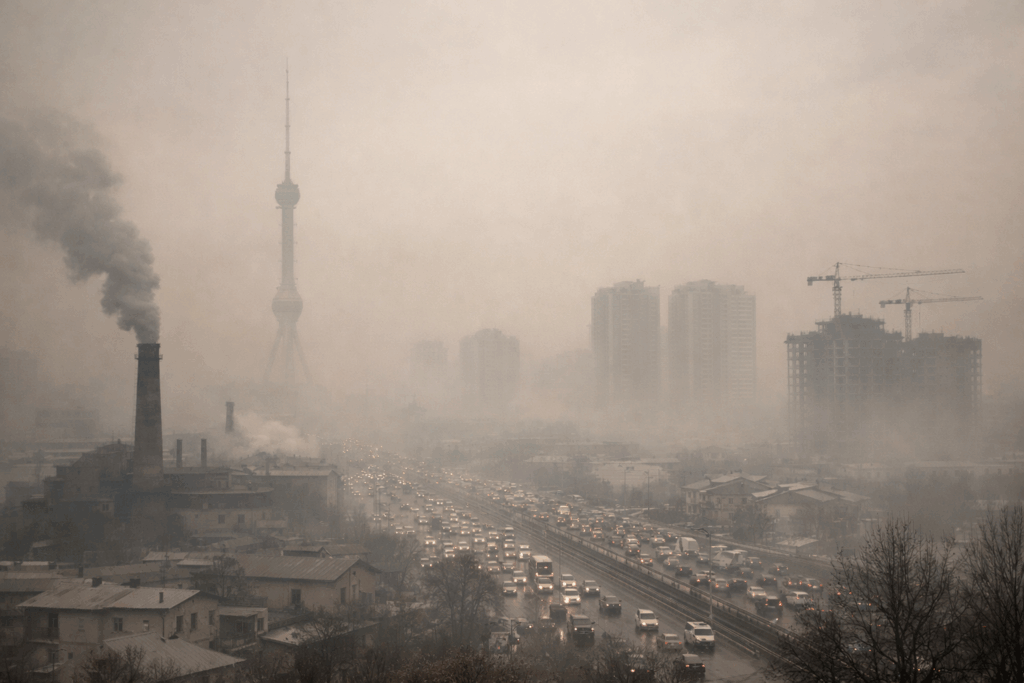
The year 2025 proved especially challenging for air quality in Uzbekistan’s capital, with Tashkent repeatedly ranking among the world’s most polluted cities during peak smog episodes. At times, short-term air quality readings placed it alongside major Asian megacities during severe pollution spikes. These rankings were more than just statistics. Thick smog became a daily reality for residents, disrupting everyday life and intensifying concerns over public health and long-term environmental sustainability. Coal, Cars, and Construction: What’s Fueling the Smog Officials from Uzbekistan’s Ministry of Ecology and independent environmental researchers say Tashkent’s air pollution is primarily caused by human activity. The heaviest blow came from municipal furnaces and boiler houses. Amid ongoing natural gas shortages, many public facilities, including schools, kindergartens, and hospitals, were converted to coal or fuel oil, resulting in a surge of emissions. Uzbekistan’s coal consumption jumped from 3.9 million tons in 2019 to 6.7 million tons in 2023. Emissions from these sources accumulate in the lower atmosphere during the cold season, exacerbating pollution. Vehicle emissions are another major contributor. Tashkent has approximately 193 vehicles per 1,000 residents, roughly double the national average. Many cars run on low-octane AI-80 gasoline, which contains high levels of harmful impurities. While coal use has surged, vehicle emissions remain a serious issue. In 2019, motor transport accounted for the majority of urban air emissions in several districts of the city. Adding to the problem are industrial plants on the city’s outskirts, frequent dust storms during dry seasons, and unregulated urban development. High-rise construction has created wind barriers that disrupt air circulation, while green spaces, Tashkent’s natural air filters, have steadily disappeared. Despite an official moratorium on tree cutting, official and environmental group estimates indicate that around 49,000 trees have been felled since 2019, often by developers who face only minimal penalties. According to Uzbekistan’s Ministry of Ecology, PM2.5 concentrations in Tashkent routinely exceed World Health Organization guidelines. During peak smog episodes in early February 2024, pollutant levels were recorded at up to 22 times the WHO’s recommended annual limits. These fine particles penetrate deep into the lungs, triggering allergies, inflammation, and cardiovascular issues. A 2019 World Bank report cited air pollution as the cause of 89 deaths per 100,000 people in Uzbekistan, the highest rate in Central Asia. Winter smog episodes have intensified since then. Living Under a Haze: Residents Speak Out For many Tashkent residents, smog has become part of everyday life. People commonly report throat and eye irritation, a constant dusty haze, and difficulty breathing. “It’s dusty and hard to breathe, you feel it all the time,” said Victoria Son, 18, a student at Bucheon University. Karina Sagidullina, 19, a videographer and programmer with severe dust allergies, said the polluted air significantly affects her health. “My nose often gets blocked, I sneeze a lot. I have to do wet cleaning at home every day,” she said. Some residents, however, say they are less affected. “So far, I don’t really feel the air pollution. I breathe normally and don’t wear a mask,”...

2 months ago

Kazakhstan’s Yenlik Brings Her Sound to COLORS

Kazakhstani singer and songwriter Yenlik has made history by becoming the first artist from Kazakhstan to be featured on the international music platform COLORSxSTUDIOS. Founded in Berlin in 2016, COLORSxSTUDIOS, commonly known as COLORS, has grown from a small creative experiment into one of YouTube’s most influential music platforms. Recognized for its minimalist visual style, each performance is filmed against a single-color backdrop without set design or special effects, placing the focus squarely on the music, the voice, and the artist. The channel now counts more than 8.2 million subscribers and over 3.5 billion views, cementing its status as a global tastemaker in contemporary music. Over the years, COLORS has showcased a wide range of talent, from emerging artists to international stars such as Billie Eilish, Drake, Doja Cat, and Joji. The platform describes its mission as an effort to “connect people, countries, and cultures on a creative and emotional level,” framing its global, genre-spanning approach as a form of cultural exchange as much as a musical one. Yenlik’s Voice: Rooted in Culture, Reaching Beyond Borders Yenlik, born Enlik Kurarbek, is one of the most prominent figures in Kazakhstan’s emerging musical wave. Her sound blends alternative pop with modern R&B influences, creating a style that feels both personal and closely tied to her cultural identity. The Kazakh language plays a central role in her work, not as a folkloric reference but as a contemporary form of expression. Her music reflects a broader shift in which Kazakh is increasingly present in global pop contexts without being confined to traditional or ethnic frameworks. Yenlik’s authorial sound, shaped by contemporary production and subtle national influences, is paired with an emotionally restrained vocal delivery that has become her signature. Observers suggest it was this originality that drew the attention of the COLORS curators. Known for prioritizing authenticity over commercial success, the platform seeks artists with strong individuality and a distinctive voice, qualities that align closely with Yenlik’s creative vision. From Rejection to Recognition For Yenlik, the invitation from COLORS marked a long-awaited milestone. She had previously applied to the project without receiving a response, making the eventual outreach from the platform all the more meaningful. “When the invitation came, I was overjoyed and burst into tears,” she recalled. “This project always felt so distant. Two years ago, we submitted an application with no response. And now, COLORS reached out to us first.” The performance was filmed outside Kazakhstan and completed within a few hours. Yenlik was struck by the production’s simplicity, defined by an absence of elaborate sets and large crews, and by the quiet intimacy that has become a hallmark of COLORS. The team fostered a welcoming atmosphere, and she was even able to choose the episode’s background color, which she described as symbolizing “true gentle strength,” a visual reflection of the emotional tone of her performance. Rising Digital Momentum Yenlik’s digital presence has continued to grow steadily, with her music gaining traction among younger audiences on social media. Her songs often circulate...

2 months ago

Kinship Clans in Modern Kazakhstan: Historical Continuity and New Realities

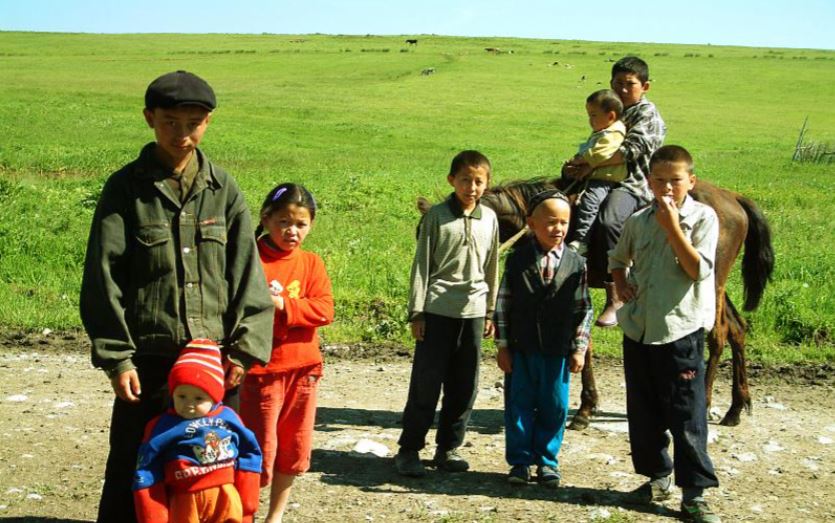
Ancestral ties are seemingly embedded in the DNA of every Kazakh. This tradition, rooted in antiquity, reflects the clan structure that historically shaped Kazakh society. The notions of zhuz (a set of clans) and ru (clan) largely determined the social organization of the nomadic lifestyle. Kazakh society traditionally consisted of three zhuzes, the Older, Middle, and Younger which in turn united many clans. The zhuzes were large tribal unions, a kind of higher-level “horde” that included dozens or even hundreds of distinct clan groups (ru), while ru referred specifically to a group of close blood relatives. Such clan structures formed the basis of traditional society. Historical Roots: The System of Zhuzes and Shezhire The origin of the three Kazakh zhuzes remains a subject of historical debate. In early written sources from the 17th century, the names of the zhuzes had not yet been formalized. Chronicles described only a geographic custom: those living in the upper reaches of a river were called the “Big zhuz,” those in the middle the “Middle zhuz,” and those in the lower reaches the “Younger zhuz.” The 16th-century work Majmu al-Garaib mentions Kazakhs but notes that the terms Uly zhuz, Orta zhuz, and Kishi zhuz were not yet in use. The classical three-zhuz system only fully formed by the late 17th to early 18th century, during the reign of Tauke Khan (1680-1715), when the Kazakhs united under a single Kazakh Khanate. According to a legend recorded by traveler G. N. Potanin, one ruler gathered 300 warriors and divided them into three groups: the first hundred, Uly zhuz, were settled upstream along the Syr Darya; the second hundred, Orta zhuz, in the middle; and the last hundred, led by the chief Alshin, downstream as Kishi zhuz. These legends provide a cultural explanation for the emergence of the zhuzes, though historians stress there is no single agreed version. Hypotheses range from military-administrative divisions into “wings” to the influence of geography and climate across Semirechye, Saryarka, and Western Kazakhstan. Alongside the zhuz system, clan identity was reinforced through genealogical chronicles, shezhire, in which Kazakhs recorded their ancestors’ names and clan history. Knowledge of seven generations (jeti ata) was obligatory for every Kazakh and was absorbed “with mother’s milk”. These genealogies had practical implications: knowing one’s lineage helped determine kinship laws, including prohibitions on marrying within the same clan. The clan was not just a social structure, but a fundamental part of identity. As publicist Khakim Omar wrote: “The main idea of the shezhire is revealed in the close connection of ancestors’ and descendants’ names, in the continuity of generations,” allowing a person, through genealogy, “to define their place in the world”. Transformation of Tradition in the Soviet Era Under Soviet rule, internationalism and a break from “tribalism” were officially promoted. Yet in practice, the clan system continued to operate informally as a mechanism of social mobility and legitimacy. While divisions into zhuzes and clans were no longer legally recognized, they endured as a way of thinking, a cultural filter...

6 months ago