• KGS/USD = 0.01144 0%
  • KZT/USD = 0.00217 0%
  • TJS/USD = 0.10621 0%
  • UZS/USD = 0.00008 0%
  • TMT/USD = 0.28530 0%
  • KGS/USD = 0.01144 0%
  • KZT/USD = 0.00217 0%
  • TJS/USD = 0.10621 0%
  • UZS/USD = 0.00008 0%
  • TMT/USD = 0.28530 0%
  • KGS/USD = 0.01144 0%
  • KZT/USD = 0.00217 0%
  • TJS/USD = 0.10621 0%
  • UZS/USD = 0.00008 0%
  • TMT/USD = 0.28530 0%
  • KGS/USD = 0.01144 0%
  • KZT/USD = 0.00217 0%
  • TJS/USD = 0.10621 0%
  • UZS/USD = 0.00008 0%
  • TMT/USD = 0.28530 0%
  • KGS/USD = 0.01144 0%
  • KZT/USD = 0.00217 0%
  • TJS/USD = 0.10621 0%
  • UZS/USD = 0.00008 0%
  • TMT/USD = 0.28530 0%
  • KGS/USD = 0.01144 0%
  • KZT/USD = 0.00217 0%
  • TJS/USD = 0.10621 0%
  • UZS/USD = 0.00008 0%
  • TMT/USD = 0.28530 0%
  • KGS/USD = 0.01144 0%
  • KZT/USD = 0.00217 0%
  • TJS/USD = 0.10621 0%
  • UZS/USD = 0.00008 0%
  • TMT/USD = 0.28530 0%
  • KGS/USD = 0.01144 0%
  • KZT/USD = 0.00217 0%
  • TJS/USD = 0.10621 0%
  • UZS/USD = 0.00008 0%
  • TMT/USD = 0.28530 0%

Turkmenistan president presents country’s development program for 2018–2024

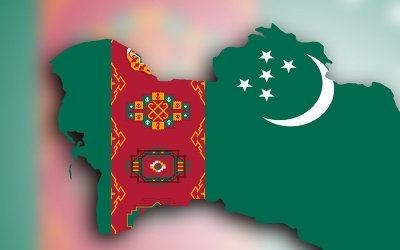
ASHGABAT (TCA) — Speaking at a meeting of the Council of Elders on October 9, Turkmenistan President Gurbanguly Berdymukhammedov outlined the main directions of the country’s investment and industrial policy for 2018–2024, state Turkmen media reported.

The Council of Elders is an unelected body that offers no real check on the powers of the authoritarian Turkmen leader.

Presenting the Program of the country’s development, the President said that some economic and political events in the country had made some negative impact on economic growth of Turkmenistan. First of all, the growth rate of global economy has decreased. It is related to the geopolitical situation, a drop of the prices for hydrocarbon resources in the world markets, insufficiently stable development of the economies of the states that are trade and economic partners of Turkmenistan, fluctuations of foreign currency exchange rates, and instability of securities at stock markets.

According to the Program, Turkmenistan plans to keep a high annual growth rate of GDP at 6.2–8.2 percent.

The share of the industry in the structure of national economy will make 33 percent on average, construction – 14 percent, and agriculture – 10.9 percent.

The president said that the total volume of electricity produced in the country will be brought up to 33 billion kilowatt-hours by 2024, 27.2 percent more comparing with 2018.

The volume of mineral fertilizers produced in the country in 2024 will increase 1.6-fold and will make 3 825 000 tons. 74.5 percent of that amount will be exported.

The president also said that the average salary in Turkmenistan will be increased annually by 10 percent in 2018–2024.

At the same time, Berdymukhamedov said the government would boost state revenues by cutting state subsidies that had been introduced by his predecessor Saparmurat Niyazov. “The time has come to save and use state funds effectively,” he said.

The subsidies introduced in the 1990s granted Turkmenistan citizens free gas, water and electricity.
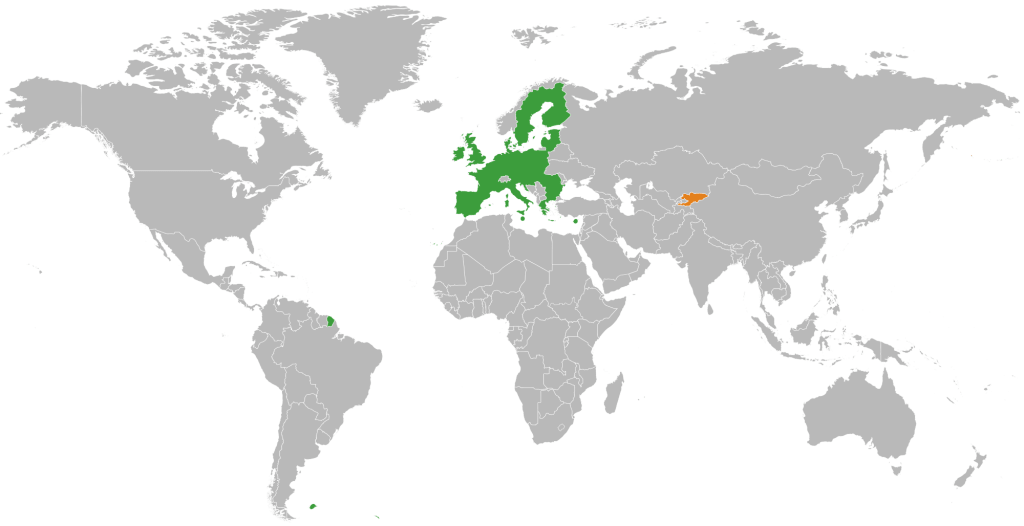
Business of politics, politics of business: fat cats in Kyrgyzstan’s presidential race

LONDON (TCA) — Has Kyrgyzstan managed to accomplish what failed to happen in Russia and Kazakhstan (though both of them came close) – namely the position of a plutocracy under the guise of democracy, with the country’s rich having become powerful as well? For a country where up to one-third of the population still lives just on or way under the poverty line, this is bound to raise eyebrows. The worst thing is that those wielding the sceptre in a my-turn, your-turn sequence of top state functions, are not industrial barons who could lift the country’s economy up to better levels, but self-made tycoons feeding on largely speculative business.

Continue reading

Development of free economic and small industrial zones discussed in Uzbekistan

TASHKENT (TCA) — President of Uzbekistan Shavkat Mirziyoyev on October 8 held a meeting to analyze the effectiveness of development of free economic and small industrial zones in the country, the president’s press service reported.

The meeting was attended by the Prime Minister of Uzbekistan, his deputies, state advisers to the President, heads of relevant ministries, and business entities.

The Strategy of actions on five priority areas of development of Uzbekistan in 2017-2021 outlines a number of tasks for strengthening macroeconomic stability, attracting investment in the economy, especially foreign ones, and creation of favorable conditions for development of private entrepreneurship on the basis of privatized state facilities. Important in this direction is the ongoing work on improving the efficiency of free economic zones, technoparks and small industrial zones, and creation of new ones.

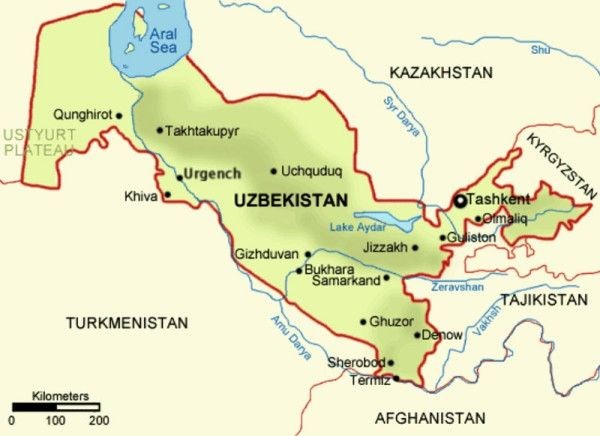
Currently, there are 14 free economic zones in the country. 62 projects worth 486 million dollars are implemented in Navoi, Angren, Jizzakh, Urgut, Gijduvan, Kokand and Khazarasp FEZs, with more than 4.6 thousand workplaces created.

At the meeting, the unsatisfactory state of activities on establishment of new and improving the effectiveness of the existing FEZs, the need for simplifying organizational procedures, increasing the attraction of investors and entrepreneurs was noted.

By the President’s order, a separate credit line in foreign currency was opened at the expense of the Fund for Reconstruction and Development of Uzbekistan in the amount of 100 million dollars for accelerating the implementation of investment projects in free economic zones, and acquisition of imported high-tech equipment.

Active work is being also carried out on the development of 7 new free economic zones specializing in pharmaceuticals.

President Mirziyoyev during his visit to the districts of Tashkent, the Republic of Karakalpakstan and the regions, examined the buildings and structures that had been empty for many years and gave instructions on effectively using these facilities, organizing new enterprises, and establishment of small industrial zones on their basis. As a result, the number of small industrial zones in the country has reached 96.

During the meeting, President Mirziyoyev criticized the heads of relevant ministries, departments and business entities for red tape, noting the lack of initiative and organization of activities on the development of free economic zones and small industrial zones.

The head of state instructed to develop a set of measures on eliminating shortcomings in free economic and small industrial zones, creating more opportunities for investors and entrepreneurs.

The need was emphasized for revising the legal framework for the development of these zones, bringing it in line with modern requirements.

Special attention was also paid to the issue of simplifying the procedure for allocating land plots and vacant buildings. In particular, projects to be implemented in free economic zones will be considered by the Administrative Council under the Cabinet of Ministers. So far, this council has included 17 ministries and departments. According to the instruction of the President, their number has been reduced to 4.

The criteria for selection of investment projects for placement in free economic zones will be reviewed, and additional measures will be taken to improve lending conditions for participants of free economic zones and provide engineering communications.