• KGS/USD = 0.01144 0%
  • KZT/USD = 0.00206 0%
  • TJS/USD = 0.10833 -0.09%
  • UZS/USD = 0.00008 0%
  • TMT/USD = 0.28490 0%
  • KGS/USD = 0.01144 0%
  • KZT/USD = 0.00206 0%
  • TJS/USD = 0.10833 -0.09%
  • UZS/USD = 0.00008 0%
  • TMT/USD = 0.28490 0%
  • KGS/USD = 0.01144 0%
  • KZT/USD = 0.00206 0%
  • TJS/USD = 0.10833 -0.09%
  • UZS/USD = 0.00008 0%
  • TMT/USD = 0.28490 0%
  • KGS/USD = 0.01144 0%
  • KZT/USD = 0.00206 0%
  • TJS/USD = 0.10833 -0.09%
  • UZS/USD = 0.00008 0%
  • TMT/USD = 0.28490 0%
  • KGS/USD = 0.01144 0%
  • KZT/USD = 0.00206 0%
  • TJS/USD = 0.10833 -0.09%
  • UZS/USD = 0.00008 0%
  • TMT/USD = 0.28490 0%
  • KGS/USD = 0.01144 0%
  • KZT/USD = 0.00206 0%
  • TJS/USD = 0.10833 -0.09%
  • UZS/USD = 0.00008 0%
  • TMT/USD = 0.28490 0%
  • KGS/USD = 0.01144 0%
  • KZT/USD = 0.00206 0%
  • TJS/USD = 0.10833 -0.09%
  • UZS/USD = 0.00008 0%
  • TMT/USD = 0.28490 0%
  • KGS/USD = 0.01144 0%
  • KZT/USD = 0.00206 0%
  • TJS/USD = 0.10833 -0.09%
  • UZS/USD = 0.00008 0%
  • TMT/USD = 0.28490 0%

Viewing results 1 - 6 of 879

Tokayev Sets Agenda for Kazakhstan’s 2026 EAEU Chairmanship

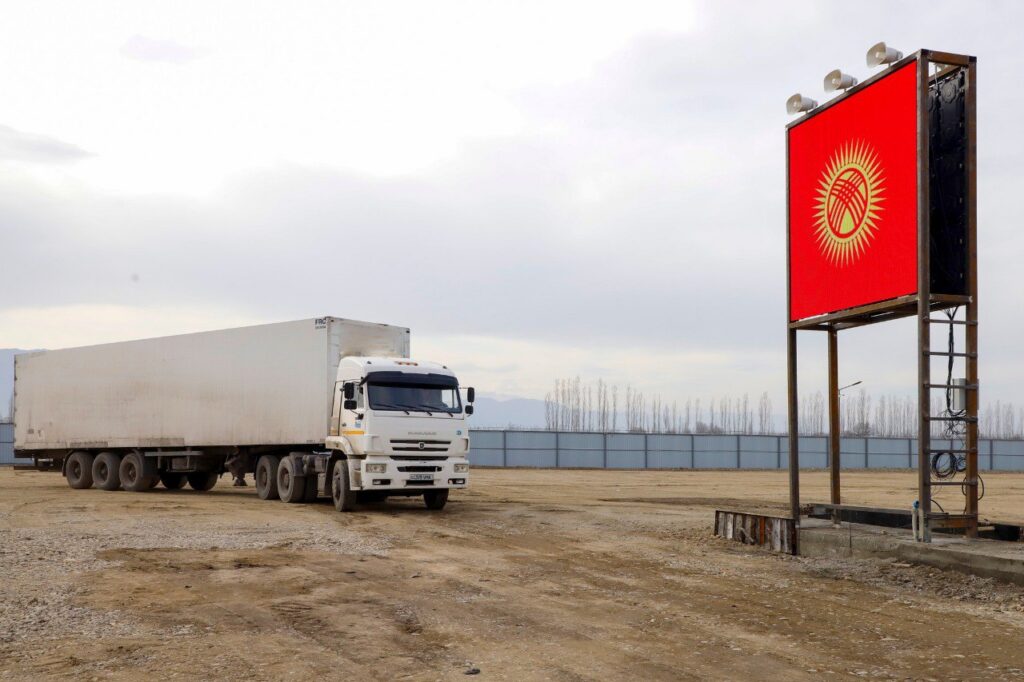
Kazakhstan has assumed the rotating chairmanship of the Eurasian Economic Union (EAEU) for 2026, pledging to focus on digital transformation, logistics integration, and the removal of internal trade barriers across the bloc. In a statement published on December 31, 2025, President Kassym-Jomart Tokayev outlined five key priorities for Kazakhstan’s EAEU presidency. The EAEU includes Armenia, Belarus, Kazakhstan, Kyrgyzstan, and Russia, and facilitates the free movement of goods, services, capital, and labor among its members. Artificial Intelligence and Economic Integration Tokayev identified artificial intelligence (AI) as a vital tool for deepening integration within the bloc. AI technologies, he said, are already being used to forecast trade flows and assess the impact of tariffs and trade agreements on member economies. Kazakhstan, which has set a national goal of becoming a digital nation, expressed readiness to share its expertise with other EAEU members in areas such as AI, digital regulation, and economic transformation. Tokayev proposed the adoption of a Joint Statement on the Responsible Development of Artificial Intelligence at the 2026 Eurasian Economic Forum in Astana. The document would define a new framework for digital cooperation within the bloc. Positioning the EAEU as a Eurasian Logistics Hub Highlighting the EAEU’s geographic position as a natural bridge between East and West, Tokayev called for transforming the bloc into a leading logistics hub for the Eurasian continent. He emphasized the need to modernize transport, customs, and logistics infrastructure, and to develop international transport corridors and multimodal transport solutions. He also proposed an integrated, AI-based cargo flow management system across the EAEU to reduce delivery times, cut costs, and enhance the bloc’s global competitiveness in logistics. Digitalizing Industry and Agriculture Calling industry and agriculture the economic foundation of the EAEU, Tokayev urged deeper cooperation to produce globally competitive products. While financial mechanisms for joint projects already exist, he argued that more emphasis should be placed on innovation-led initiatives. He proposed launching demonstration centers, automation startups, and competence hubs to drive digitalization at both enterprise and farm levels. Barrier-Free Trade as a Core Principle Tokayev stressed the elimination of administrative and regulatory barriers within the bloc as a central priority. He criticized artificial restrictions on trade, constraints on the movement of citizens, and long freight queues at borders. He also warned against the use of customs procedures and regulatory controls, including sanitary, veterinary, and phytosanitary measures, as tools of political or economic leverage. To address this, he proposed deploying AI to monitor legislative initiatives across the EAEU and flag potential internal trade barriers at an early stage. Expanding External Economic Ties Kazakhstan’s chairmanship will also focus on expanding the EAEU’s external partnerships. In 2025, the bloc signed Free Trade Area agreements with Mongolia and Indonesia and concluded an Economic Partnership Agreement with the United Arab Emirates. Tokayev said greater attention will be paid to building economic ties with countries in the Global South, the Arab world, Southeast Asia, Africa, and regional economic organizations. Macroeconomic Context Tokayev’s agenda is being launched against a backdrop of solid macroeconomic performance...

Japarov Outlines Development Priorities at Fourth People’s Kurultai

Kyrgyzstan’s fourth People’s Kurultai, a national forum for direct dialogue between citizens and state leadership, was held in Bishkek on December 25-26. Addressing delegates, President Sadyr Japarov outlined the government's economic, social, and environmental priorities for the coming years. Sustained Economic Growth Japarov described the past three years as a period of strong economic performance, with average annual GDP growth of 9.8%. Real GDP grew by 10.2% in the first 11 months of 2025. GDP per capita in 2024 reached approximately $2,513. Unemployment dropped to 3.7%, while the poverty rate declined from 29.8% to 25.7% year-on-year. Small and medium-sized enterprises (SMEs) have emerged as the backbone of the economy, with their contribution to GDP rising from 42.6% to 51.7% during the first nine months of 2025. National Development Program Through 2030 Japarov presented the government’s National Development Program through 2030, which is centered on four key pillars: industrialization, transformation into a regional transport and logistics hub, agricultural and tourism development, and expansion of green energy. The industrialization strategy includes the creation of industrial and technology zones and the construction of new production facilities to double industrial output by 2030. Large-scale investments in railways, highways, logistics centers, and warehouses are expected to bolster Kyrgyzstan’s role as a regional transit corridor. Tourism is also a major focus. Japarov emphasized efforts to modernize the sector in line with international standards, citing the construction of new hotels, roads, airports, tourist routes, and recreational infrastructure. By 2030, the tourism sector is projected to contribute 7% to GDP. Agricultural Development and Food Security With nearly 58% of the population living in rural areas, agriculture remains a strategic priority. Japarov stated that Kyrgyzstan is currently self-sufficient in six of nine key food products, milk, potatoes, vegetables, meat, eggs, and sugar. Agricultural reform centers on the development of agro-industrial clusters that bring together farmers, processors, logistics providers, and financial institutions to create integrated value chains. The goal is to shift from raw-material exports toward higher-value-added production. Climate Change and Water Resources Japarov also warned of worsening climate-related challenges, particularly declining water resources. Over the past 70 years, Kyrgyzstan has lost around 16% of its glacier area, endangering river flows, irrigation systems, and hydropower production. Lake Issyk-Kul is of particular concern. Since the mid-19th century, the lake’s water level has dropped by nearly 14 meters. The number of rivers feeding into the lake has declined from more than 100 to approximately 30-35. The president cautioned that continued degradation could have serious environmental and socioeconomic consequences. Water scarcity, he noted, also threatens food security, with 95% of national water consumption tied to agriculture. He called for more efficient irrigation, glacier protection, and expanded reforestation efforts. From Social Spending to Development Focus Japarov’s remarks were echoed by Chairman of the Cabinet of Ministers Adylbek Kasymaliev, who addressed parliament a day earlier. Kasymaliev stated that the state has shifted from a “social economy” to a “development economy.” In 2025, 35% of government spending was allocated to the production sector, compared to 23%...

Kazakhstan Meat Exports Surge in 2025

Kazakh meat producers surpassed their total 2024 export figures within the first 10 months of 2025, according to the Ministry of Agriculture. In 2024, Kazakhstan boosted exports of processed beef by 1.4 times to more than 22,000 tons, and lamb by 2.2 times to 18,000 tons. These milestones were exceeded in 2025. Between January and October, beef exports rose 1.7 times year-on-year to reach 30,200 tons, while lamb exports increased 1.9 times to 25,500 tons. “This growth is due to high demand for high-quality Kazakh meat from foreign partners,” the ministry stated. In 2025, the Ministry of Agriculture implemented several measures aimed at expanding export markets and strengthening Kazakhstan’s presence in the global meat trade. Negotiations with seven countries resulted in the signing of 16 veterinary certificates. New export channels were opened for a range of products, including: Milk, beef, lamb, poultry, honey, and fish to Azerbaijan Live cattle to Mongolia Animal feed to Morocco Hides and wool of ungulates to Iran Additionally, the European Union opened its market to Kazakhstani beekeeping products. Efforts are also underway to expand exports to 12 more countries, including Japan, Malaysia, South Korea, the UAE, Jordan, and Pakistan. Discussions are ongoing with Saudi Arabia, Qatar, the United Kingdom, Canada, and Hong Kong regarding potential exports of dairy products, feed, and honey. The ministry highlighted veterinary welfare as a cornerstone of Kazakhstan’s export strategy. A nationwide modernization program is currently in progress: 400 new veterinary stations have been constructed and 890 units of specialized equipment and machinery procured. A key development is the opening of a modern veterinary laboratory in East Kazakhstan, supported by China. This facility will help unlock exports of livestock products, including cattle hides, poultry meat, and by-products, to the Chinese market. Required protocols have been signed, and Kazakh enterprises have already passed the necessary inspections. As previously reported by The Times of Central Asia, Kazakhstan is also preparing to enter the Turkish market, where Kazakh beef prices could be roughly double those in China.

Kazakhstan to Host International Genetic Resources Bank

Kazakhstan will host an international genetic resources bank following unanimous approval from the 57 member states of the Organization of Islamic Cooperation (OIC). The initiative, spearheaded by the Islamic Organization for Food Security (IOFS), aims to preserve the biological diversity of agricultural crops and foster scientific collaboration among OIC countries. “One of the key initiatives we plan to implement in Kazakhstan is the creation of a Genetic Resources Bank, or an international genetic bank. Its goal is to preserve the biological diversity of agricultural crops,” said Berik Aryn, Director General of the IOFS, speaking at a roundtable in Astana marking OIC Food Security Day. According to Aryn, the government of Kazakhstan has already expressed its readiness to host the facility, and a project roadmap has been completed. The Qatar Fund for Development (QFFD) has pledged approximately $2 million to finance the first phase. “We expect to begin practical implementation of the project next year and complete the creation of the bank by 2029,” Aryn said. He cited the Svalbard Global Seed Vault in Norway as a comparable model but noted that the Kazakh bank would offer broader functionality. The project will eventually include a research center focused on crop breeding and the development of varieties resistant to climate change, drought, and other environmental stresses. “We want this gene bank to eventually become a full-fledged research center where scientists from OIC countries can work on creating new crop varieties that are resistant to climate change, drought, and other adverse factors, as well as on increasing yields,” Aryn added. The specific location is still under consideration, though the Almaty region is currently the most likely candidate due to its favorable climatic conditions. “Genetic material varies: some samples can be stored for decades, while others require regular updating and cultivation on site. In terms of climatic conditions, the Almaty region is the optimal region,” Aryn noted. In parallel with the gene bank initiative, IOFS is also advancing projects across Central Asia that promote the use of biochar to rehabilitate degraded soils. Biochar, a carbon-rich substance produced via pyrolysis of biomass, enhances soil fertility, improves water retention, and acts as a sorbent by absorbing harmful substances. “Biochar is a technology that is already widely used around the world, including in Arab and Asian countries. It is particularly relevant for Central Asia, as the region's soils are often salinated. Biochar is capable of absorbing salt and significantly improving soil structure, creating favorable conditions for agriculture for decades,” said IOFS Project Manager Bakytzhan Arystanbek. As previously reported by the Times of Central Asia, Kazakhstan launched its first agroclimatic testing site for carbon technologies, Kaz Agro Carbon, in early November.

South Korean Firm Invests $12 Million in Kyrgyz Meat Processing Facility

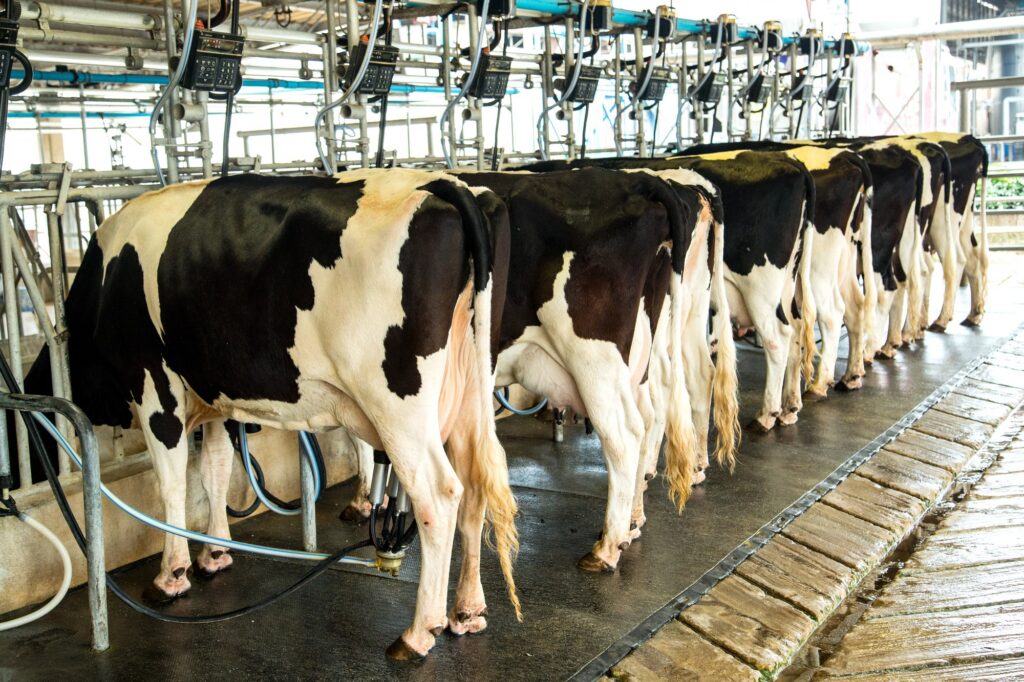
A major South Korean investment is set to strengthen Kyrgyzstan’s agricultural sector with the launch of a $12 million agro-industrial complex. A groundbreaking ceremony held on December 10 in the village of Baytik, Chui region, marked the start of construction on the project, a joint venture between the state-owned Kyrgyz Agroholding JSC and South Korea’s DOD Company. According to the Kyrgyz Ministry of Water Resources, Agriculture, and Processing Industry, the facility will feature the country’s first shock-freezing unit capable of blast-freezing meat to -35°C. This technology helps preserve the natural structure of the meat, minimizes moisture and weight loss, and extends shelf life without additives, meeting export standards required by high-end markets such as South Korea and Japan. The project will also include a feedlot for 5,000 head of cattle, ensuring a reliable and consistent supply chain for the processing plant. Speaking at the ceremony, Deputy Chairman of the Cabinet of Ministers Bakyt Torobaev said the investment reflects strong trust from Korean partners and represents a major step in integrating Kyrgyz meat production into global value chains. Torobaev noted that Kyrgyz Agroholding, established to develop agro-industrial clusters and boost exports, plans to launch a pilot “Meat Cluster” project in 2026 in the Chui-Bishkek economic zone. Ten cluster associations will receive financing at 3% interest to purchase livestock, feed, cold-chain storage systems, packaging equipment, refrigerated trucks, and working capital. He also highlighted that, for the first time since independence, the Kyrgyz Armed Forces are now fully supplied with domestically produced food, an indicator of the growing capacity and resilience of the national agricultural sector.

Uzbekistan to Import 300,000 Animals, Launch $367 Million in Livestock Projects

Uzbekistan’s President Shavkat Mirziyoyev has announced a sweeping expansion of the country’s livestock sector as part of broader agricultural reforms. Speaking on December 10 at a meeting with industry specialists to mark Agriculture Workers’ Day, the president outlined key initiatives aimed at boosting domestic production of meat and dairy products. According to the president’s press secretary, the government will import 100,000 head of cattle and 200,000 sheep and goats in 2026. Farmers working within cotton and grain clusters will be permitted to construct lightweight livestock facilities of up to 20 sotok (approximately 0.2 hectares) on their existing plots, a move designed to better integrate crop and livestock operations. Uzbekistan will also extend its subsidy program for imported breeding cattle and day-old chicks for an additional five years. To support the livestock sector’s growth, the government plans to allocate $157 million from funding provided by the World Bank and the International Fund for Agricultural Development. These loans will be issued to farmers at an interest rate of 17% for a term of up to 10 years, including a three-year grace period. Additional financing will include $150 million from the Japan International Cooperation Agency (JICA) and $60 million from the Asian Development Bank. Authorities say the efficient use of these resources could support the launch of 1,000 projects valued at 5 trillion UZS, including the establishment of 340 small livestock farms across 167 districts, modeled after a French framework. Last year, the European Union Delegation to Uzbekistan and the French Development Agency (AFD) signed agreements to support sustainable livestock development. The EU committed €4.7 million in grants for technical assistance and an additional €7.9 million to support Uzbekistan’s drinking water program, helping lay the groundwork for these agricultural reforms.