South Korea Steps Up Central Asia Critical Minerals Push
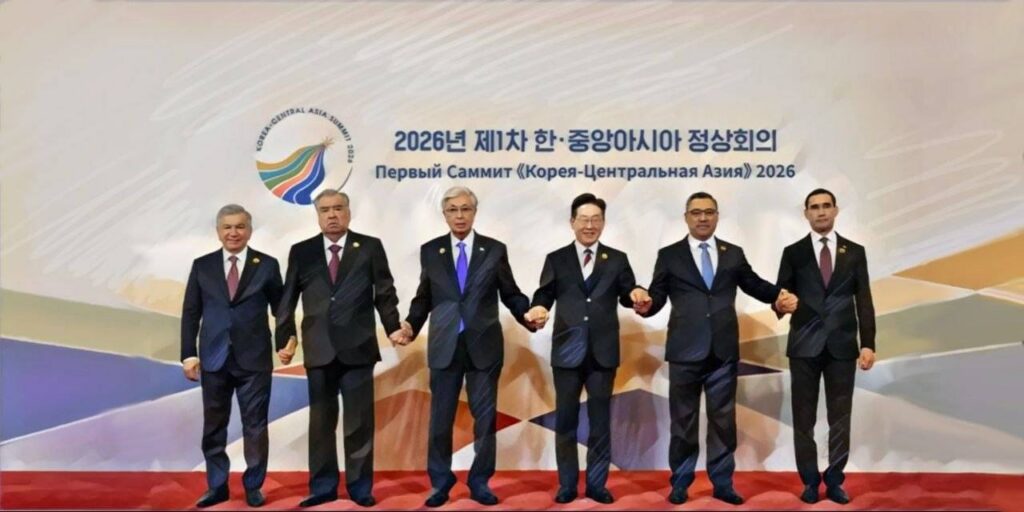
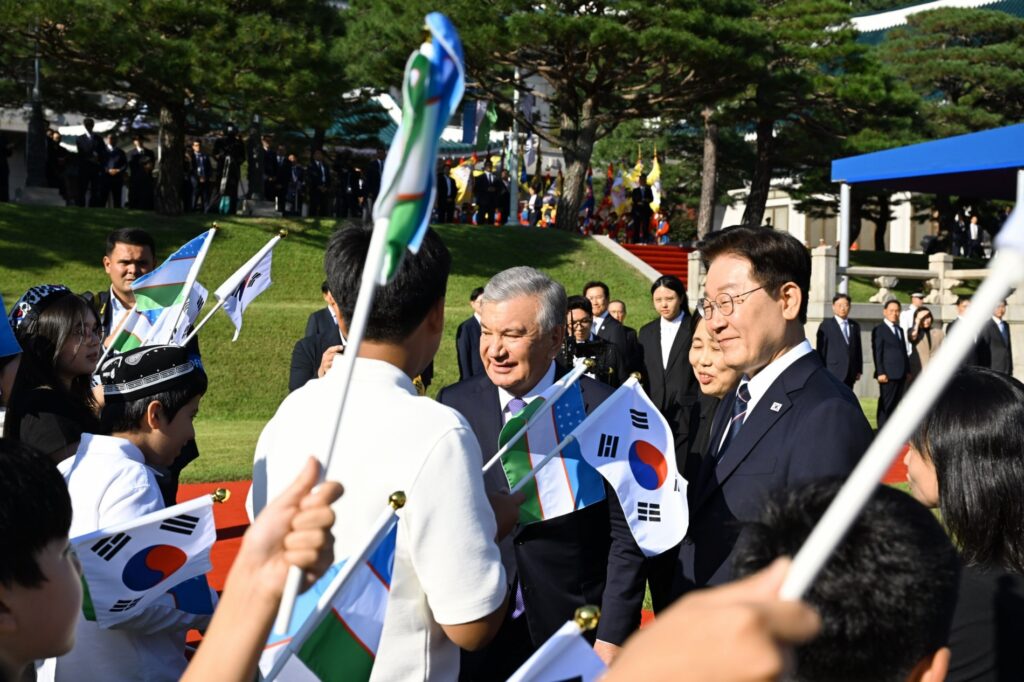
The first South Korea–Central Asia summit, held in Seoul on September 16, capped three days of bilateral meetings that produced more than 70 agreements and memorandums. The leaders agreed to meet every two years, a separate C5+1 forum for industry ministers was established, and critical minerals took a central place on the new agenda. The main question now is how many of those documents will translate into mines, processing plants, and long-term contracts. South Korea needs reliable supplies of metals for its automotive, electronics, battery, and energy industries. Central Asia wants to use that demand to develop domestic processing and reduce its reliance on raw material exports. Seoul proposed combining the region’s resources with its own exploration, mineral processing, and manufacturing technologies. President Lee Jae Myung spoke of cooperation across the production chain, from identifying deposits to manufacturing finished products. Rare metals centers being established at key locations in Central Asia are intended to support joint research and specialist training. Until now, South Korea has worked with the region’s countries largely through bilateral ties. The new C5+1 format adds a regional mechanism to those relationships. Kazakhstan will host the next summit in 2028. Kazakh financier and analyst Rasul Rysmambetov believes the value of the new format will depend on the region’s ability to secure tangible industrial results. He sees South Korea as an attractive partner because of its experience with rapid industrialization and its strengths in building industrial facilities. “The priority for Central Asia is to stop selling raw materials. We need to establish processing in the region. The heads of state’s visit to Seoul was highly productive. In fact, all summits in similar formats have been productive. The main question now is how to move away from exporting raw materials and toward joint industrialization,” Rysmambetov told The Times of Central Asia. Uzbekistan put forward a broader regional proposal. President Shavkat Mirziyoyev called for an investment alliance for critical minerals, with processing clusters bringing together exploration, mining, and the production of high-value goods. Uzbekistan and South Korea are already developing a joint rare metals center and have agreed to strengthen cooperation throughout the production chain. Kazakhstan offered Korean businesses a broader package covering rare metals, nuclear and clean energy, and artificial intelligence. Urban development was also part of the talks, including the Alatau Smart City project near Almaty. The countries upgraded their ties to a comprehensive strategic partnership and signed a memorandum on the peaceful use of nuclear energy. The energy agreements also cover conventional resources. In April, South Korea said it had secured 18 million barrels of Kazakh crude oil. In Kyrgyzstan, Korean organizations are working with their Kyrgyz counterparts to identify possible antimony and tungsten projects and strengthen exploration capacity. Tajikistan is also offering cooperation on antimony, as well as precious metals, building on the first Korea–Tajikistan Minerals Forum, which took place in August. The minerals agenda is complemented by Korean willingness to invest in transport and infrastructure. South Korea and Uzbekistan agreed to expand Korean participation in...