• KZT/USD = 0.00226
  • TJS/USD = 0.10850
  • UZS/USD = 0.00009
  • TMT/USD = 0.29760
  • KZT/USD = 0.00226
  • TJS/USD = 0.10850
  • UZS/USD = 0.00009
  • TMT/USD = 0.29760
  • KZT/USD = 0.00226
  • TJS/USD = 0.10850
  • UZS/USD = 0.00009
  • TMT/USD = 0.29760
  • KZT/USD = 0.00226
  • TJS/USD = 0.10850
  • UZS/USD = 0.00009
  • TMT/USD = 0.29760
  • KZT/USD = 0.00226
  • TJS/USD = 0.10850
  • UZS/USD = 0.00009
  • TMT/USD = 0.29760
  • KZT/USD = 0.00226
  • TJS/USD = 0.10850
  • UZS/USD = 0.00009
  • TMT/USD = 0.29760
  • KZT/USD = 0.00226
  • TJS/USD = 0.10850
  • UZS/USD = 0.00009
  • TMT/USD = 0.29760
  • KZT/USD = 0.00226
  • TJS/USD = 0.10850
  • UZS/USD = 0.00009
  • TMT/USD = 0.29760
01 October 2026

Viewing results 1 - 6 of 761

Chinese Uzbek Archaeologists Uncover Ancient City Walls at Kuva Silk Road Site

A team of Chinese and Uzbek archaeologists has uncovered a well-preserved section of city walls at the ancient settlement of Kuva in eastern Uzbekistan, dating from the 3rd century BCE to the 10th century CE, according to a report published by Xinhua. The discovery was made by the joint Luoyang-Ferghana archaeological expedition. Researchers say the find offers critical physical evidence for understanding the historical development of a Silk Road city and the enduring cultural exchange between East and West. The team also hailed the excavation as a key achievement of international cooperation under the Belt and Road Initiative. Located in the Ferghana Valley, a historic hub along the ancient Silk Road, the ruins of Kuva cover an area of approximately 110,000 square meters. Xinhua noted that the valley has maintained close ties with China for over 2,000 years. Preliminary findings indicate that the city’s fortifications were rebuilt multiple times and remained in use across several historical eras from the Parthian Kingdom and the states of Dayuan and Sogdiana to the Samanid dynasty. Liu Bin, head of the Chinese delegation to the joint expedition, said the evolving construction techniques used in the walls provide valuable insights into the architectural practices, building materials, and cultural influences of different periods. He added that such features help trace the diffusion of cultural traditions along major trade routes. The Luoyang-Ferghana team was established in 2023 as a collaboration between the Luoyang Archaeological Institute in China’s Henan Province and Ferghana State University in Uzbekistan. Since then, archaeologists have identified palaces, city gates, fortifications, residential structures, streets, and craft workshops at the site. Liu Bin noted that systematic excavations of the palace areas are planned for next year, which will further clarify the city’s layout and functional zones. As previously reported by The Times of Central Asia, similar Chinese-Uzbek archaeological partnerships are underway in Surkhandarya, Samarkand, Ferghana, and Khorezm. These projects have led to discoveries of ancient settlements, urban infrastructure, and even an Iron Age city-state, underscoring the growing scope of bilateral archaeological cooperation in Uzbekistan.

Rising Border Insecurity Puts Chinese Interests at Risk in Tajikistan

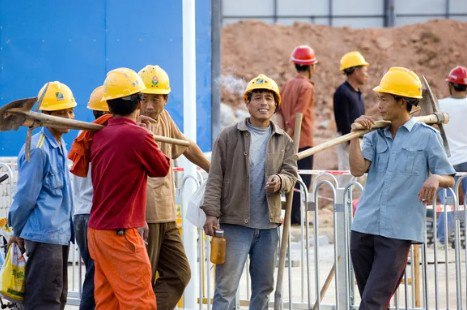
Mounting insecurity along the Tajikistan-Afghanistan border is increasingly threatening Chinese interests and heightening Beijing’s concerns about regional stability, Al Jazeera has reported, citing recent incidents and official statements from Dushanbe. According to the report, the Tajik authorities have recorded multiple armed infiltrations from Afghan territory in recent months, resulting in more than a dozen deaths. Among the victims were five Chinese nationals working on infrastructure and mining projects in remote areas of Tajikistan. The attacks reportedly targeted Chinese companies and personnel specifically, prompting alarm in Beijing. Al Jazeera noted that China is Tajikistan’s largest creditor and one of its most significant economic partners. Chinese firms have a major presence in road construction, infrastructure, and extractive industries, many of which are situated near the porous Afghan border. The growing threat of violence has raised serious concerns among Chinese officials about the safety of their citizens and investments. Tensions escalated dramatically on November 26, when a drone strike hit a Chinese-operated gold-mining facility, and gunfire targeted workers at a state-owned enterprise. Several Chinese nationals were reportedly killed in the coordinated attacks. In response, the Chinese embassy in Dushanbe advised Chinese citizens and enterprises to withdraw from border areas and called on Tajik authorities to take “all necessary measures” to protect Chinese nationals and assets. Citing regional analysts, Al Jazeera reported that although no group has claimed responsibility, the tactics are consistent with those used by Islamic State Khorasan Province (ISKP). Analysts believe ISKP is attempting to undermine the Taliban’s claims of providing security by deliberately targeting foreign nationals, particularly Chinese workers. Tajik officials described the incidents as evidence of the Taliban’s “irresponsibility” and repeated failure to deliver on its international commitments. Dushanbe has demanded an official apology and concrete guarantees regarding border security. Most of the recent attacks, according to Tajik authorities, have originated from Afghanistan’s Badakhshan province, a complex and fragile security zone. The Taliban’s crackdown on poppy cultivation, which has provoked resentment among local farmers, is believed to have further destabilized the area. The Taliban have expressed regret over the incidents, blamed unspecified non-state actors, and insisted that Afghanistan poses no threat to neighboring countries. They reaffirmed their commitment to the Doha Agreement and regional stability. In December, Tajikistan’s State Committee for National Security (SCNS) reported another armed incident on the southern frontier. According to the SCNS, three armed individuals crossed into Tajik territory late on December 23 and attempted to attack a border post in the Shamsiddin Shohin district. The intruders, who refused to surrender, were killed in a firefight. Two Tajik border guards also died in the clash, underscoring the persistent volatility along the border.

Kyrgyzstan Launches Its First Solar Power Plant

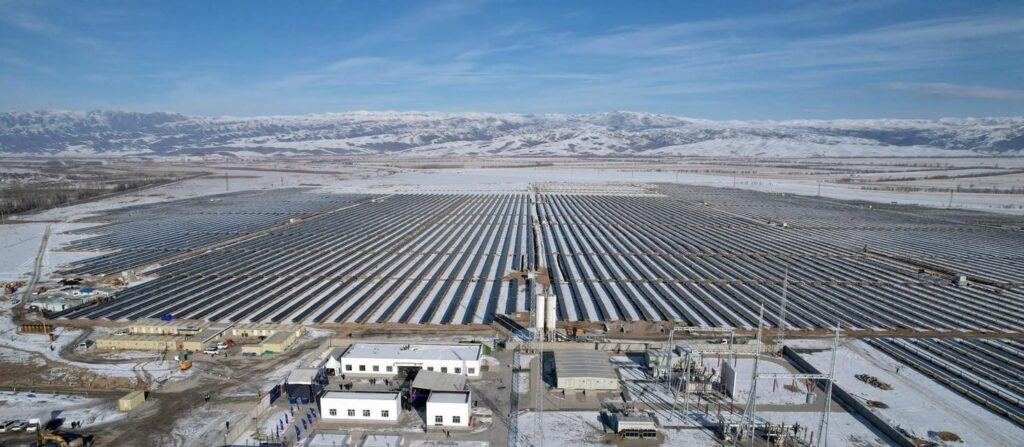
On December 24, Kyrgyzstan inaugurated its first solar power plant in the Kemin district of the Chui region, approximately 100 kilometers east of the capital, Bishkek. The 100-megawatt facility was constructed with $56 million in Chinese investment and is expected to generate approximately 210 million kWh of clean electricity annually. According to government estimates, this output will reduce carbon dioxide emissions by 120,000 tons per year. Speaking at the launch ceremony, President Sadyr Japarov described the project as one of the largest foreign investments in Kyrgyzstan’s renewable energy sector to date. He said the plant signals a new phase in the country’s energy transition and its commitment to sustainable development. “The opening of the solar power plant marks the beginning of an important stage in strengthening our country’s energy independence and developing renewable energy sources,” Japarov said. “We now recognize that without the active development of renewables, it is impossible to fully ensure stable electricity supplies for both the population and economic sectors.” Japarov added that the Cabinet of Ministers has signed 12 agreements with investors to build solar and wind power facilities with a combined capacity of over 5 gigawatts. The solar plant is part of a broader development plan for the Kemin area and the wider Chui region, including the creation of an environmentally sustainable urban center, Kemin City. In January 2025, Japarov signed a decree allocating 353 hectares for the project, which aims to provide modern housing, reduce outward migration, and retain local skilled labor. Located about 95 kilometers from Bishkek, Kemin and the nearby town of Orlovka were once industrial hubs during the Soviet era. The collapse of the USSR led to the closure of many enterprises, triggering significant out-migration. The development of Kemin City and supporting infrastructure is intended to reverse these trends and revitalize the local economy. Also on December 24, President Japarov visited the construction site of a major cement plant in the Kemin district, another project backed by Chinese investment. Scheduled to be commissioned in 2027, the facility is expected to produce 3,200 tons of clinker per day. The project will create more than 300 jobs during the construction phase and over 500 permanent positions once fully operational. Japarov emphasized the strategic importance of the plant for the region’s socioeconomic development and instructed government agencies to provide full support to the project’s investor.

More Than a Third of Migrant Workers in Kazakhstan Are Chinese Citizens

More than 35% of all foreign nationals officially working in Kazakhstan are Chinese citizens, according to data published by the Ministry of Labor and Social Protection of the Republic of Kazakhstan. As of December 1, 2025, a total of 14,103 foreign citizens were employed in Kazakhstan under permits issued by local executive authorities. The largest group of labor migrants comprises Chinese nationals, 5,604 individuals, representing over 35% of the total. They are followed by citizens of Uzbekistan (2,110 people, about 15%), Turkey (1,036 people, over 7%), and India (943 people, more than 6%). Migrants from other countries make up roughly 35% of the foreign labor force, a proportion nearly equal to that of China. In 2025, the structure of permits for foreign labor included 537 issued to managers and their deputies (first category), and 2,244 to heads of structural divisions (second category). Most foreign workers fell into the third and fourth categories, specialists (3,784 people) and skilled workers (1,271 people). Additionally, 2,299 permits were granted for seasonal work, and 3,970 were issued as part of corporate transfers. The ministry reported that 1,817 employers in Kazakhstan currently utilize foreign labor. These companies also employ more than 334,000 Kazakhstani citizens, who make up about 96% of their total workforce. By sector, the highest number of foreign workers are employed in construction, 4,993 people, just over 35%. Other major sectors include agriculture, forestry, and fisheries (2,316 workers, 16.5%), mining and quarrying (1,235 workers, about 9%), and manufacturing (1,155 workers, approximately 8%). To safeguard the domestic labor market, Kazakhstan sets an annual quota for the employment of foreign workers. In 2025, the initial quota was 0.2% of the workforce, or 14,800 permits. This figure was raised to 16,500 in March at the request of regional authorities. In August, the quota was increased further to 0.25% or 19,400 permits, following the expansion of the list of professions eligible for seasonal foreign workers. It was later revised down to 16,700 permits, based on updated regional needs. As previously reported by The Times of Central Asia, more than 80,000 Russian citizens received residence permits to work in Kazakhstan between January 2023 and September 2024.

China’s Expanding Electric Bus Footprint in Central Asia

In recent years, there has been a visible increase in electric vehicle exports from China to Central Asia. Although much public attention goes to electric cars, the spread of Chinese electric buses across the region is equally meaningful. Kyrgyzstan provides a clear example of this trend, where manufacturers such as Yutong and Anhui Ankai Automobile have become important actors in the country’s effort to modernize its public transport system. Through the Asian Development Bank-funded Urban Transport Electrification Project, Kyrgyzstan purchased 120 battery electric buses from Anhui Ankai Automobile. A complementary initiative by the European Bank for Reconstruction and Development under its Green City program is supporting the delivery of 95 new 12-meter Yutong buses. The first batch of 20 Yutong vehicles reached the country in November 2025, marking a practical step forward in Kyrgyzstan’s shift toward cleaner transportation. Mutual Benefits and Strategic Alignment Cooperation in the electric bus sector offers advantages for China and Kyrgyzstan in different but interconnected ways. For Chinese companies, emerging markets such as Kyrgyzstan present new commercial openings at a time when access to some advanced markets faces stricter regulatory conditions. Exporting electric buses to Central Asia allows Chinese manufacturers to diversify revenue streams while strengthening their global presence. The growing visibility of Chinese green technologies also fits within the broader vision of the Green Silk Road, which aims to reinforce an image of China as a partner in sustainable development. China’s involvement in Kyrgyzstan’s electric mobility market broadens the scope of bilateral engagement. Previous cooperation often focused on large infrastructure and energy projects. The addition of electric mobility creates a more diversified framework that touches directly on urban life and community-level benefits. Opportunities for Kyrgyzstan’s Green Transition Kyrgyzstan stands to gain significantly from the expansion of electric public transport, especially with the support of multilateral development banks. Access to affordable and modern electric buses enables cities to renew outdated fleets and reduce their reliance on conventional diesel-powered vehicles. Environmental and public health benefits are among the most important outcomes. The transportation sector accounts for an estimated 28% of Kyrgyzstan’s national greenhouse gas emissions, making a transition to cleaner mobility essential for meeting sustainability goals. Electric buses can reduce air pollution in densely populated areas and improve overall urban health. Kyrgyzstan’s electricity mix relies heavily on domestically generated renewable energy, particularly hydropower. This makes the shift to electric mobility even more beneficial. When electric buses are powered by renewable sources, the overall carbon footprint of the fleet is significantly lower. Reduced dependence on imported fossil fuels further strengthens national energy security. A Gradual but Meaningful Transformation The growing presence of Chinese electric buses in Kyrgyzstan reflects a broader regional transformation. Public transport electrification is becoming an important element of Central Asia’s green development path. While challenges remain in finance, maintenance, and charging infrastructure, the overall direction is clear. Partnerships that bring together Chinese manufacturers, multilateral development institutions, and Central Asian governments are creating new opportunities for sustainable mobility. For Kyrgyzstan, these developments support cleaner cities and...

Kazakhstan-China Agricultural Research Center to Open in Key Grain-Producing Region

A Kazakhstan-China Agricultural Research Center will be established in the North Kazakhstan region, one of the country's top three grain-producing areas. The initiative was announced by region's governor Gauez Nurmukhambetov following a business delegation’s visit to China. “Last week, a business delegation from our region visited the People’s Republic of China and held meetings with leading Chinese investors. As a result, seven strategic memoranda were signed, opening new economic opportunities for our region. These agreements include the construction of new factories and the creation of a Kazakh-Chinese agricultural research center,” Nurmukhambetov said at a press conference. The region continues to post record harvests. In 2025 it harvested 6.5 million tons of grain, nearly a quarter of Kazakhstan’s total gross harvest of 27.1 million tons. Nevertheless, the region is actively diversifying its agricultural profile. Sugar beet cultivation is expanding, with experimental plots from Asyl Farms showing strong crop adaptation. Based on this success, plans are underway to build a processing facility capable of handling 1 million tons of raw material annually, producing up to 200,000 tons of sugar. In the Kyzylzhar district, Salar Farm is building a plant for processing granulated alfalfa with an annual capacity of 60,000 tons. The main export markets include China and other Central Asian countries. The facility is scheduled to open in 2026. The region is also home to Maslo-Del, an oil extraction plant with an annual processing capacity of 370,000 tons of oilseeds and a production output of 120,000 tons, much of which is exported. Alongside its growth in crop production, the region is making notable progress in livestock farming. “SK Agro will construct the largest cattle farm in Central Asia, with a herd of 10,000 and a state-of-the-art Carousel milking system,” said Nurmukhambetov. “The farm is expected to increase milk production by 68 million tons annually. This will raise the share of milk produced by agricultural enterprises in Kazakhstan to 70%.” He noted that in Belarus, modern farms account for 77% of milk production, in China around 70%, and in European countries more than 93%. North Kazakhstan region aims to boost its share of the country’s total milk output to 20%. Meanwhile, 17 projects valued at $555.6 million are underway in the Qyzyljar special economic zone. Agricultural cooperation with China continues to grow. Kazakhstan views China as a key export destination for its processed agricultural products. In November, QazTrade signed a partnership agreement with Optimize Integration Group, one of China’s largest food importers, responsible for 18% of the country's frozen meat imports. In a related development, a joint Kazakh-Chinese veterinary laboratory was opened in East Kazakhstan region in October 2025. The facility is designed to streamline and accelerate export procedures for agricultural goods.