• KZT/USD = 0.00211
  • TJS/USD = 0.10800
  • UZS/USD = 0.00008
  • TMT/USD = 0.29850
  • KZT/USD = 0.00211
  • TJS/USD = 0.10800
  • UZS/USD = 0.00008
  • TMT/USD = 0.29850
  • KZT/USD = 0.00211
  • TJS/USD = 0.10800
  • UZS/USD = 0.00008
  • TMT/USD = 0.29850
  • KZT/USD = 0.00211
  • TJS/USD = 0.10800
  • UZS/USD = 0.00008
  • TMT/USD = 0.29850
  • KZT/USD = 0.00211
  • TJS/USD = 0.10800
  • UZS/USD = 0.00008
  • TMT/USD = 0.29850
  • KZT/USD = 0.00211
  • TJS/USD = 0.10800
  • UZS/USD = 0.00008
  • TMT/USD = 0.29850
  • KZT/USD = 0.00211
  • TJS/USD = 0.10800
  • UZS/USD = 0.00008
  • TMT/USD = 0.29850
  • KZT/USD = 0.00211
  • TJS/USD = 0.10800
  • UZS/USD = 0.00008
  • TMT/USD = 0.29850

Viewing results 1 - 6 of 7

Tajikistan Turns to Satellites to Discover How Much Forest It Has Left

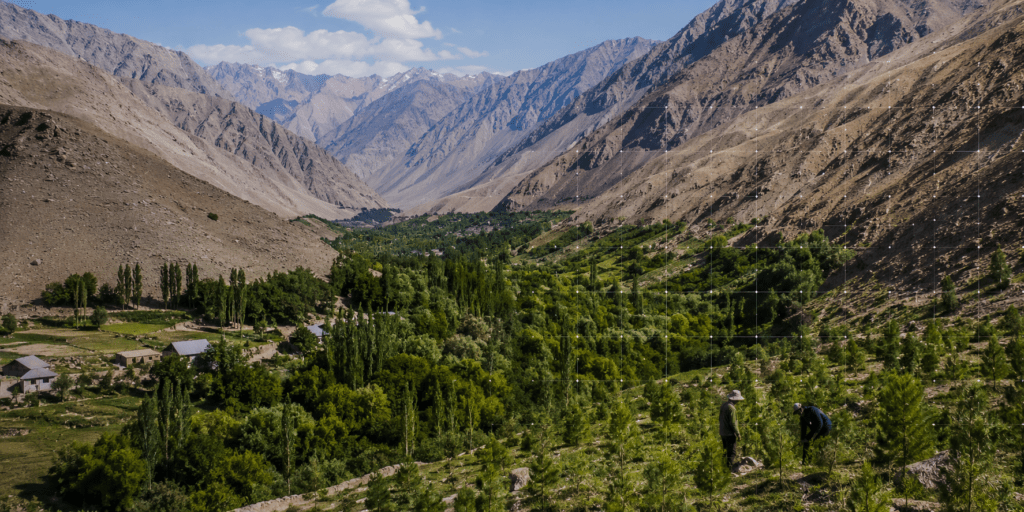
In Barvoz village in the Western Pamirs, Zarifkhon Gulchinov watched a green forest near his home become a semi-desert during the 1990s. The collapse of the Soviet Union and Tajikistan’s civil war left the isolated region short of electricity and coal. Families cut trees to heat their homes and cook. “I also went to the forest for firewood, but I cut down only old and dry trees and bushes,” Gulchinov recalled. He later joined a community forestry program and received five hectares of degraded land to restore. Villagers now plant hundreds of trees and protect young growth from livestock. They also maintain an irrigation canal fed by mountain water. Such places explain why a forest inventory is more than a technical count. A strip of trees can supply fuel or hay. It can also hold a riverbank together and shield fields from erosion. Yet Tajikistan has spent decades without a reliable national picture of where its forests remain or what condition they are in. Counting What the Country Has On July 15, Deputy Forestry Agency Director Davlatali Sharifzoda announced a national inventory using satellite images and field inspections. The work will cover forests under every form of ownership, and its results will support ten-year management plans for each state forestry enterprise. Local coverage has described the exercise as Tajikistan’s first complete forest inventory using satellite data. A World Bank project appraisal says the country last conducted a national inventory in 1990. The current exercise is therefore the first nationwide inventory since independence and the first to use modern mapping methods across the country. The inventory combines Sentinel-2 and RapidEye images with geographic information systems. Machine-learning tools classify forest types, while mobile laser scanners can create three-dimensional models of tree stands. Field teams will still visit selected plots to measure tree diameter and height, and count the number of trees in each area. Their observations will show whether the satellite classifications match conditions on the ground. The work is being carried out by Aerogeodesy Dushanbe and Austria’s Umweltdaten GmbH through the World Bank-backed Tajikistan Resilient Landscape Restoration Project. A June progress update said the team carrying out the inventory had been appointed and work was underway. The project is due to close on September 30, 2027. Why the Numbers Diverge Tajikistan has long been described as one of Central Asia’s least forested countries. The figure most often used is about 3% of the national territory, or roughly 420,000 hectares. The World Bank has also noted that land administered by the Forestry Agency covers a much larger area, but much of that land is pasture rather than forest. Preliminary satellite work has now put forest cover at about 4.7%. The higher estimate does not mean that Tajikistan suddenly gained trees. Better mapping may be capturing sparse woodland and remote areas missed by older records. The final inventory should also separate actual forest cover from land that belongs to the state forest fund but carries little or no tree cover. That distinction affects...

Kyrgyzstan Adopts Central Asia’s First Framework Climate Law

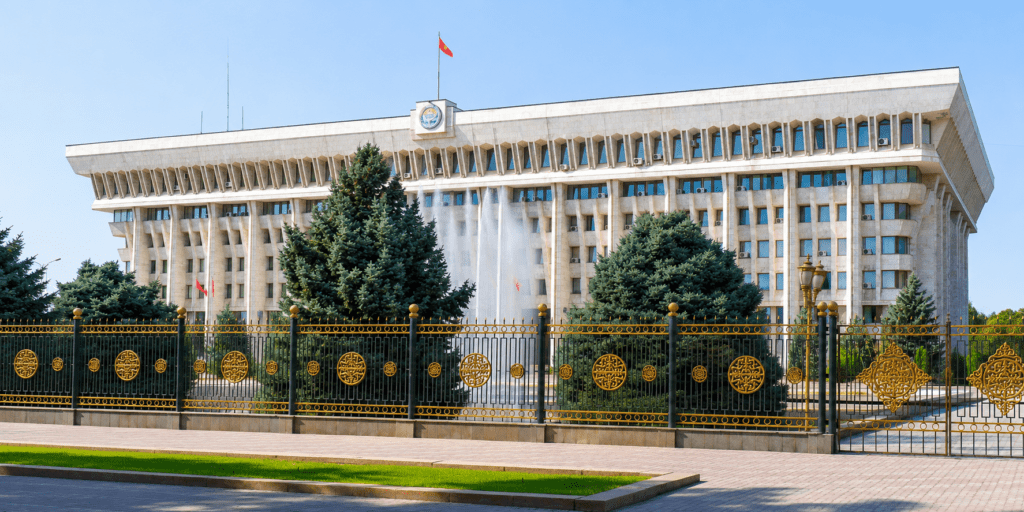
President Sadyr Japarov signed Kyrgyzstan’s Law on Climate Activity on July 7, giving the country Central Asia’s first framework statute devoted to climate policy. The Jogorku Kenesh (parliament) approved the measure on May 20, and it takes effect on January 1, 2027. The Cabinet has six months from official publication to bring existing regulations into line. The law puts emissions policy and climate adaptation under one legal structure. It covers climate finance, carbon neutrality, research, professional training and technology transfer. It also provides a legal base for carbon units and a national registry. Separate rules will govern how emission cuts are recorded and verified. UNDP gave technical and expert support during its preparation. The regional first refers to the breadth of the framework. Uzbekistan passed a law on limiting greenhouse gas emissions in July 2025, and Kazakhstan already regulates carbon inventories, quotas and emissions trading through its Environmental Code. Kyrgyzstan has now put mitigation and adaptation in one dedicated statute, with provisions for finance and institutional duties. The law replaces a narrower statute adopted in 2007. That measure governed greenhouse gas emissions and removals, with a focus on state regulation, inventories and monitoring. It did not create a full legal base for adaptation or climate finance, and lacked the new law’s provisions on climate technology and education. MP Zhyldyz Egenberdieva set out the case for reform at a parliamentary committee meeting in April. The existing law “does not reflect current realities or practice,” she said. The new statute gives public bodies a basis for climate policy and low-carbon development plans. It also brings resilience measures into the same system. Kyrgyzstan signed the Paris Agreement in September 2016 and ratified it on February 18, 2020. Japarov announced a 2050 carbon-neutrality goal at COP26 in Glasgow in 2021. The Cabinet approved a national carbon-neutrality concept in July 2025. The Coordination Council then approved updated climate targets and the country’s first biennial transparency report in September 2025. The law turns those international pledges and policy documents into a domestic framework. It defines state responsibilities and creates a base for climate finance. The practical detail will come through regulations, including standards for carbon accounting and the operation of a registry. The statute arrives as glacier loss puts pressure on water, farming and electricity supply. Mountain ice feeds rivers used for drinking water and irrigation. The same flows feed the country’s hydropower plants. At COP29 in Baku in November 2024, Japarov gave a stark figure. “Over the past 70 years, the area of glaciers in Kyrgyzstan has shrunk by 16%,” he said. TCA has previously reported on how continued glacier retreat could reduce river flows and deepen water shortages. Hydropower provides about 90% of Kyrgyzstan’s electricity, meaning drought and erratic runoff can cut generation when demand peaks. Floods and mudslides can damage roads and canals, as well as homes and crops. The law now makes adaptation a formal part of national climate policy. Coal-fired heating and traffic drive much of Bishkek’s severe winter smog. Vehicles...

Regional Ecological Summit in Astana Produces Ecology Declaration and Broader Regional Agenda

Central Asian leaders have adopted the Astana declaration on ecology and sustainable development, giving the Regional Ecological Summit in Astana a formal political outcome while a wider package of biodiversity, climate, and pollution initiatives takes shape around it. Kazakhstan’s environment ministry says the five heads of state adopted the document, titled “Ecological Solidarity of Central Asia,” during the April 22 to 24 Summit. The declaration sets out a common regional position on several of Central Asia’s biggest environmental pressures. According to the ministry summary, the text calls for closer coordination in climate negotiations, glacier preservation, the mountain agenda, biodiversity, chemical and waste management, plastic pollution, air quality, land degradation, and desertification. It also presents the declaration as a contribution to ecological sustainability, inclusive economic growth, and a sustainable future for the region. Water runs through the document, but the language is careful. The declaration welcomes work on an interstate program to conserve the Caspian Sea and expresses concern about declining water levels and the shallowing of lakes in Central Asia. It also notes Kazakhstan’s proposal for a possible International Water Organization within the United Nations system, but stops short of endorsing its creation. The summit’s outcome does not rest on a single document. On April 24, the United Nations Environment Programme said the Astana meeting had launched new regional partnerships on circular economy and glaciers, while countries established common approaches on biodiversity, climate action, and air pollution. UNEP also said a regional climate and ecology investment portfolio was set up to widen access to international finance for environmental projects. A separate biodiversity track had already produced its own result earlier in the week. On April 22, UNDP in Kazakhstan said Central Asian countries had signed a regional declaration on biodiversity conservation during a high-level plenary session in Astana. According to UNDP, the document envisages an umbrella programme and action plan, as well as a regional resource mobilization plan to be presented at COP17 in Armenia. Outside confirmation of the main declaration has also become clearer. EFE reported on April 22 that the five Central Asian republics had approved the Astana Declaration of Ecological Solidarity, linking it to Tokayev’s focus on water security, the Aral Sea, and the Caspian. Put together, the Astana summit now looks like a broader regional attempt to turn shared ecological pressure into a workable political agenda. The summit’s next test will be whether these declarations and partnerships are followed by funding, coordination, and cross-border implementation.

Kyrgyzstan Seeks Climate Finance and Carbon Market Funding to Cut Emissions

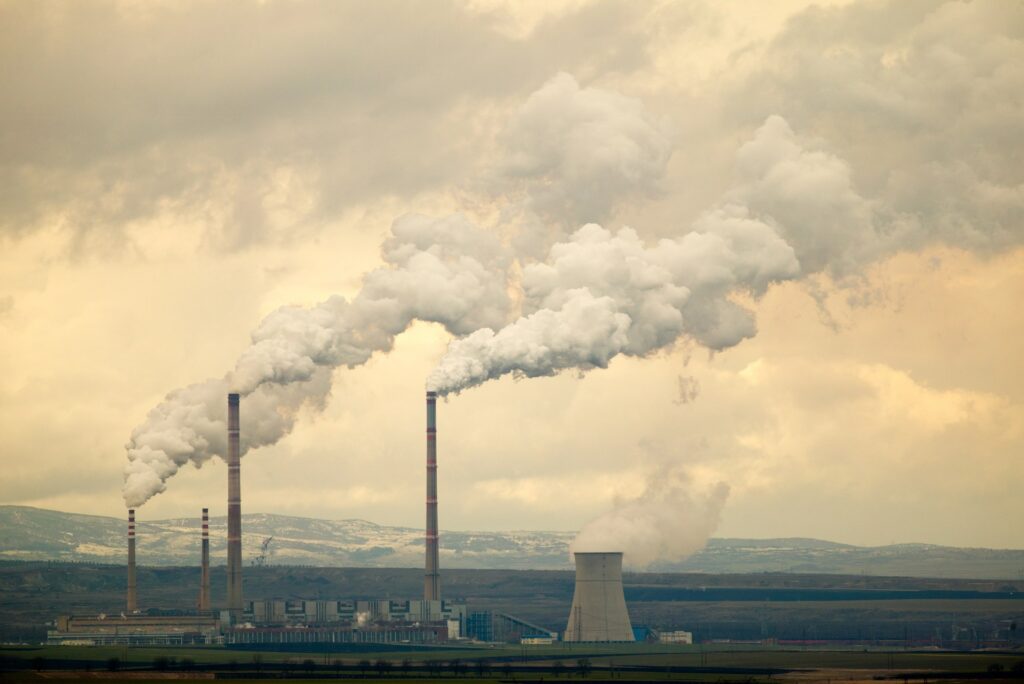
Kyrgyzstan is preparing to sign a carbon project aimed at supporting the country’s transition to sustainable energy. The announcement was made by Energy Minister Taalaibek Ibrayev following a meeting with World Bank Country Manager for Kyrgyzstan Hugh Riddell on March 13. The initiative will be supported by the Transformative Carbon Asset Facility (TCAF), a World Bank trust fund designed to help developing countries introduce market-based carbon pricing mechanisms and attract private investment in low-carbon technologies. TCAF provides a hybrid financing model that combines climate finance with carbon market funding. Payments are made only after verified reductions in greenhouse gas emissions are achieved. The project is being implemented under the Innovative Finance for Resilient and Sustainable Energy Transition (iFIRST) program. According to Kyrgyzstan’s Ministry of Energy, it will use a results-based payment mechanism, meaning that emission reductions must first be measured and independently verified before financial compensation is disbursed. If the reductions are confirmed, Kyrgyzstan could receive up to $4.5 million in climate finance to support its commitments under the Paris Agreement. The initiative may also attract up to $5.5 million in additional funding through carbon market mechanisms. The project includes technical assistance grants of up to $1.5 million to strengthen the institutional capacity of government agencies, develop a national system for monitoring greenhouse gas emissions, and establish a national carbon unit registry. Officials say the initiative will help advance reforms in Kyrgyzstan’s energy sector, strengthen the country’s climate policy framework, and increase access to international climate finance. It is also expected to contribute to environmental sustainability, modernization of the energy sector, and reductions in greenhouse gas emissions. In July 2025, Kyrgyzstan’s Cabinet of Ministers approved the Concept for Achieving Carbon Neutrality in the Kyrgyz Republic. The strategy outlines a phased transition toward a carbon-neutral economy, focusing on key sectors including energy, transport, industry, agriculture, waste management, and forestry. The concept prioritizes reducing greenhouse gas emissions, expanding renewable energy, improving energy efficiency, restoring forest ecosystems, adopting innovative technologies, and integrating climate risks into national planning. The government views the initiative as a foundation for attracting climate finance, creating green jobs, and ensuring long-term environmental security. Under the strategy, Kyrgyzstan has pledged to achieve carbon neutrality by 2050 and reduce greenhouse gas emissions by 44% by 2030. Despite these ambitions, the country’s overall emissions remain relatively low, accounting for less than 0.032% of global greenhouse gas emissions. In October 2025, the Ministry of Natural Resources, Environment, and Technical Supervision published Kyrgyzstan’s first Biennial Transparency Report. According to the document, total greenhouse gas emissions in 2023 reached 19.38 million tons of CO₂ equivalent. Forests, soils, and other ecosystems absorbed 10.31 million tons, resulting in net emissions of 9.07 million tons. The energy sector remains the largest source of emissions, accounting for more than half of the total. Agriculture is the second-largest contributor, largely driven by livestock production. At the same time, emissions from transport, electricity generation, and heating have declined significantly since the early 1990s due to the adoption of cleaner technologies and...

Kyrgyzstan Releases Its First Climate Action Transparency Report

On October 7, Kyrgyzstan’s Ministry of Natural Resources, Environment, and Technical Supervision unveiled its first Biennial Climate Action Transparency Report, marking a key step in aligning with international climate obligations. The report was developed with contributions from government agencies, academic institutions, the private sector, and civil society, with support from the United Nations Development Programme (UNDP). It outlines the country’s progress in addressing climate change, current greenhouse gas (GHG) emissions, climate risk preparedness, and the external support it has received. According to the report, Kyrgyzstan’s total GHG emissions in 2023 amounted to 19.38 million tons of CO₂ equivalent. At the same time, the country’s forests, soils, and other ecosystems absorbed 10.31 million tons, resulting in net emissions of 9.07 million tons of CO₂ equivalent. The report notes that this “climate safety net” provides a valuable natural buffer that should be protected and expanded. The energy sector remains the largest source of emissions, accounting for more than half of the total. However, emissions from transport, electricity generation, and heating have declined significantly since the early 1990s, largely due to the adoption of cleaner technologies and improved energy efficiency. Agriculture is the second largest contributor to emissions, primarily driven by livestock farming, with levels remaining relatively stable over recent decades. The submission of the transparency report is a requirement under the Paris Agreement, the international climate treaty signed by Kyrgyzstan in 2016. Beyond fulfilling a global commitment, transparent reporting is also a pathway to unlocking funding from international financial institutions, climate funds, and private investors. According to the report, improved transparency can help attract investment in energy efficiency, renewable energy, sustainable water management, climate-smart agriculture, and disaster risk reduction, critical elements in Kyrgyzstan’s strategy to achieve carbon neutrality by 2050.

Kyrgyzstan Endorses National Program to Strengthen Climate Cooperation with Green Climate Fund

Kyrgyzstan has taken a step toward climate resilience by approving its Country Program for Cooperation with the Green Climate Fund (GCF) through 2027. The program defines national priorities for climate action and outlines a portfolio of projects seeking international funding. The GCF, the principal financial mechanism under the UN Framework Convention on Climate Change (UNFCCC), supports developing nations in mitigating and adapting to the impacts of climate change. Kyrgyzstan’s newly approved framework highlights several priority initiatives: Reducing greenhouse gas emissions in the housing sector Enhancing ecosystem resilience and introducing climate-smart water treatment systems in the Issyk-Kul region Promoting climate-resilient agriculture and water resource management in the Batken region Improving disaster preparedness and access to climate data Expanding climate finance mechanisms for small and medium enterprises (SMEs) and households According to the Ministry of Natural Resources, Ecology and Technical Supervision, Kyrgyzstan mobilized significant international climate finance between 2010 and 2023. Major contributors included the World Bank ($303.7 million), the Asian Development Bank ($194.4 million), German institutions and climate funds ($73.1 million), and the United Nations Development Programme ($63.1 million). These funds were disbursed as a mix of grants and concessional loans. Data from the International Aid Transparency Initiative (IATI) indicate that energy projects received the largest share of this climate financing ($306.6 million), followed by agriculture, forestry, and fisheries ($140.5 million), and water-related projects ($122.8 million). Between 2011 and 2021, Kyrgyzstan received approximately $620 million in international technical assistance for climate-related initiatives, with grants comprising about 81% of total funding. The new Country Program reflects Kyrgyzstan’s broader commitment to sustainable development and climate adaptation, particularly in vulnerable regions such as Batken and Issyk-Kul. National priorities continue to focus on energy efficiency, risk reduction, and scaling green finance solutions for local communities and businesses.