• KGS/USD = 0.01144 0%
  • KZT/USD = 0.00204 0%
  • TJS/USD = 0.10835 0%
  • UZS/USD = 0.00008 0%
  • TMT/USD = 0.28490 -0.28%
  • KGS/USD = 0.01144 0%
  • KZT/USD = 0.00204 0%
  • TJS/USD = 0.10835 0%
  • UZS/USD = 0.00008 0%
  • TMT/USD = 0.28490 -0.28%
  • KGS/USD = 0.01144 0%
  • KZT/USD = 0.00204 0%
  • TJS/USD = 0.10835 0%
  • UZS/USD = 0.00008 0%
  • TMT/USD = 0.28490 -0.28%
  • KGS/USD = 0.01144 0%
  • KZT/USD = 0.00204 0%
  • TJS/USD = 0.10835 0%
  • UZS/USD = 0.00008 0%
  • TMT/USD = 0.28490 -0.28%
  • KGS/USD = 0.01144 0%
  • KZT/USD = 0.00204 0%
  • TJS/USD = 0.10835 0%
  • UZS/USD = 0.00008 0%
  • TMT/USD = 0.28490 -0.28%
  • KGS/USD = 0.01144 0%
  • KZT/USD = 0.00204 0%
  • TJS/USD = 0.10835 0%
  • UZS/USD = 0.00008 0%
  • TMT/USD = 0.28490 -0.28%
  • KGS/USD = 0.01144 0%
  • KZT/USD = 0.00204 0%
  • TJS/USD = 0.10835 0%
  • UZS/USD = 0.00008 0%
  • TMT/USD = 0.28490 -0.28%
  • KGS/USD = 0.01144 0%
  • KZT/USD = 0.00204 0%
  • TJS/USD = 0.10835 0%
  • UZS/USD = 0.00008 0%
  • TMT/USD = 0.28490 -0.28%

Viewing results 1 - 6 of 3

Eco Expo Opens in Samarkand as Uzbekistan Pushes Green Investment

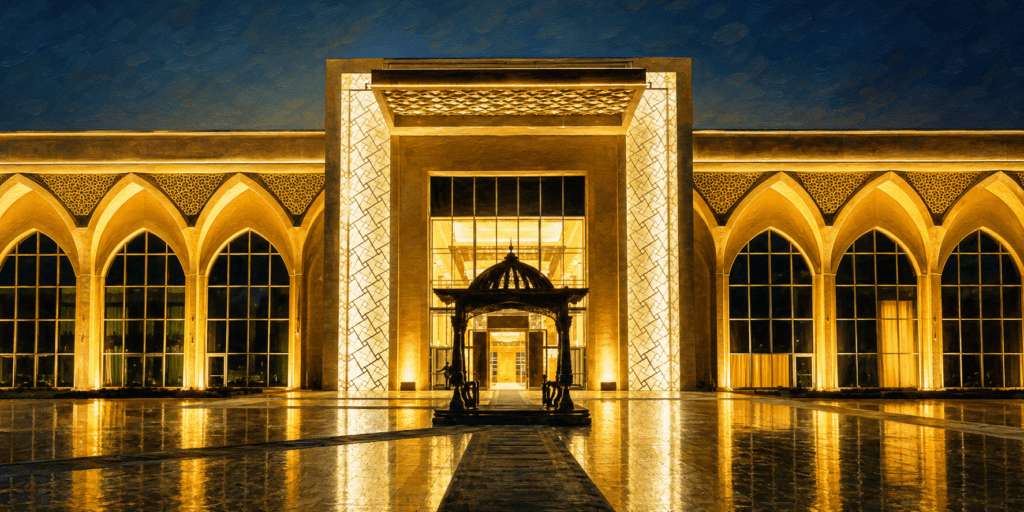
Eco Expo Central Asia 2026 opened on June 2 at the Expo Center of Silk Road Samarkand, placing Uzbekistan’s green economy plans before officials, lenders, companies, scientists, and environmental groups already gathered in the city. The exhibition is scheduled to run through June 4 and is being held alongside the Eighth Assembly of the Global Environment Facility, one of the main global forums for environmental finance. The timing gives Uzbekistan a rare week of attention on climate, water, biodiversity, and clean technology. The GEF Assembly runs from May 30 to June 6 in Samarkand. The GEF says its Assembly is its highest governing body, made up of 186 member countries, and meets once every four years. GEF Council meetings are scheduled from May 31 to June 3, before the formal Assembly sessions later in the week. Eco Expo has a more practical focus. Its exhibition sections include protected natural areas, clean technology, green construction, transport, and energy, sustainable agriculture, green finance and green cities, ecotourism, water-saving technologies, environmental education, artificial intelligence in ecology, and the Aral Sea region. The business program includes lectures, seminars, panels, and roundtables for registered visitors. Uzbekistan’s state news agency UzA has said that approximately 10,000 participants from Uzbekistan and abroad are expected. The exhibition will include more than 68 pavilions for environmental products, plus 20 pavilions for startup projects from Central Asian countries. Organizers also plan more than 50 forums, presentations, and discussion platforms on green energy, waste recycling, water resource management, and sustainable development. The exhibition - organized by Uzbekistan’s National Committee on Ecology and Climate Change with Business Congress Management - is designed to turn local environmental plans into fundable projects. Regions and districts across Uzbekistan have prepared proposals for donors and investors, covering climate adaptation, better use of natural resources, and practical steps to make local economies more resilient. For Uzbekistan, the meetings are a chance to move from broad pledges to project lists, budgets, and partners. Farms need more efficient irrigation; cities need cleaner transport and better waste systems; protected areas need long-term funding. The expo brings those needs into one room with development banks, UN agencies, foreign governments, and companies looking for green projects. The GEF meetings bring the process closer to the expo floor. The fund says it has provided more than $26 billion in financing over three decades, and has helped mobilize another $148 billion for country-led environmental projects. In Samarkand, the 71st GEF Council meeting opened ahead of the Assembly and Eco Expo. Its agenda includes biodiversity protection, sustainable infrastructure, renewable energy, energy storage, the GEF-9 programming strategy, and support for vulnerable countries. Uzbekistan already has a working portfolio with the GEF, which includes 13 projects worth $56 million and five more projects worth more than $30 million in the pipeline. The projects cover biodiversity, snow leopard protection, restoration of ecosystems in the Aral Sea region, climate resilience, land management, and waste management. The week arrives as Uzbekistan faces rising climate stress. The World Bank has described...

Kazakhstan Launches QaJET Investment Platform for Just Energy Transition

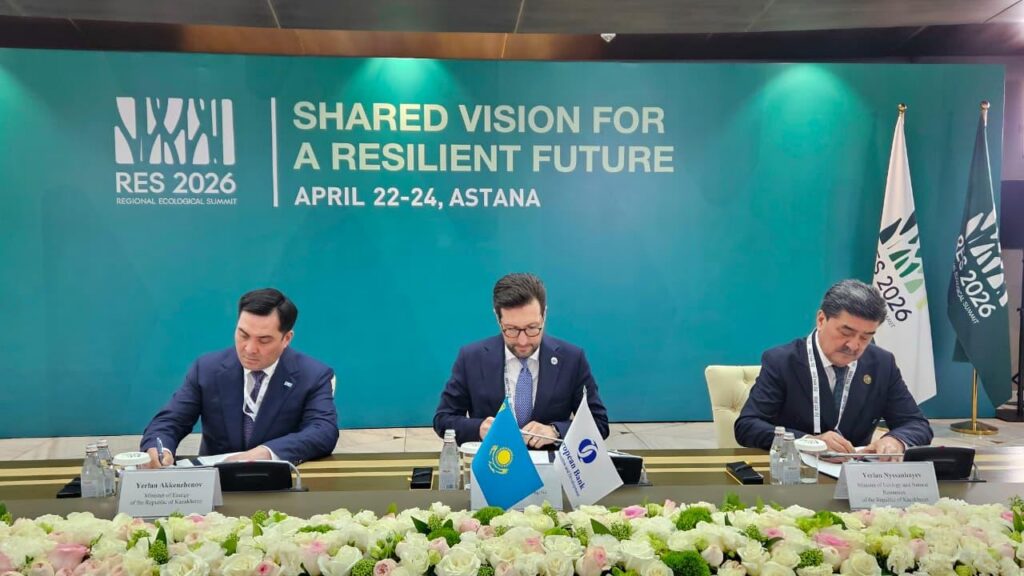
Kazakhstan has announced the launch of the QaJET (Just Energy Transition) investment platform, supported by the European Bank for Reconstruction and Development (EBRD), to attract international financing and accelerate the decarbonization of its economy. A corresponding memorandum was signed on April 23 during the Regional Environmental Summit in Astana. Signatories included Energy Minister Yerlan Akkenzhenov, Minister of Ecology and Natural Resources Yerlan Nysanbayev, and EBRD Managing Director for Central Asia and Mongolia Hüseyin Özhan. The QaJET platform reflects Kazakhstan’s ambition to accelerate the transition to clean energy through a large-scale expansion of renewable energy capacity. According to current plans, the country aims to commission 10 GW of new green capacity by 2035. According to EBRD estimates, achieving these targets will require approximately $20 billion in investment from both public and private sources. This is expected to reduce greenhouse gas emissions by more than 20 million tonnes annually, equivalent to roughly 7% of the country’s energy-related emissions. The creation of the platform is of strategic importance for Kazakhstan, whose economy remains highly carbon-intensive and heavily dependent on coal-fired power generation. At the request of the Kazakh government, the EBRD participated in developing the QaJET concept and will continue to coordinate its implementation with national and international partners. The platform is also intended to support Kazakhstan’s international climate commitments, including achieving carbon neutrality by 2060 and reducing greenhouse gas emissions by up to 25% by 2030 compared to 1990 levels. QaJET is expected not only to reduce emissions but also to strengthen energy security, enhance economic competitiveness, and promote the development of local high-tech manufacturing in the renewable energy sector. Key areas of cooperation within the platform include expanding renewable energy capacity, modernizing power grids and energy storage systems, electrifying businesses and households, and supporting a just transition, technology transfer, and the development of research and innovation capacity. Authorities expect QaJET to become the central mechanism for coordinating climate finance, bringing together international financial institutions, donors, private investors, and the government to accelerate Kazakhstan’s energy transition.

AIIB Provides $500 Million to Support Uzbekistan’s Green Economy Reforms

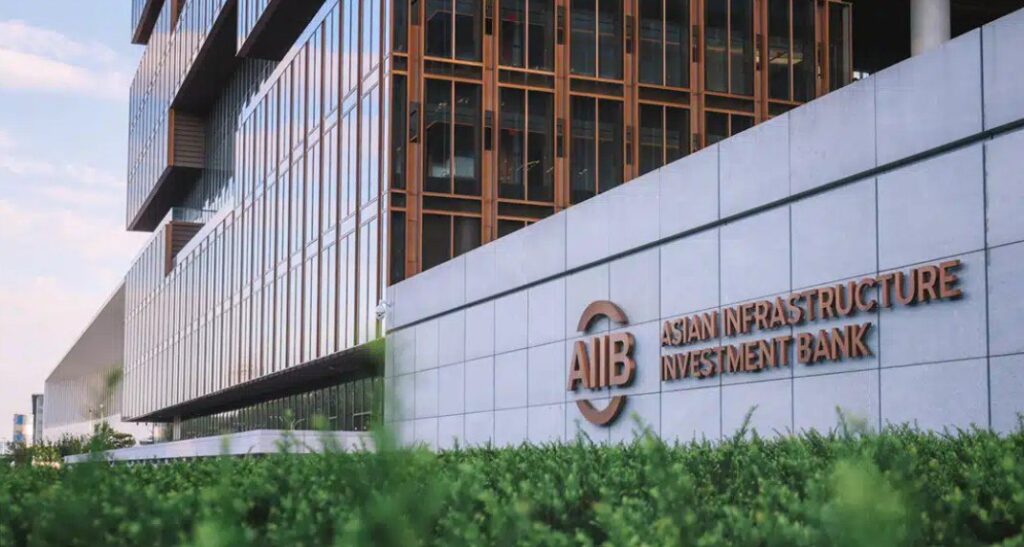
The Asian Infrastructure Investment Bank (AIIB) and the Government of Uzbekistan have signed a $500 million financing agreement to support the country’s Green and Resilient Market Economy Program, the Bank announced on November 28. The initiative is designed to accelerate Uzbekistan’s transition toward a greener, more resilient, and market-oriented economy through a comprehensive package of policy and institutional reforms. According to AIIB, the funding will assist the Uzbek government in strengthening the policy and governance frameworks necessary for low-carbon development, improved public-sector efficiency, and greater resilience to climate-related risks. The initiative falls under AIIB’s Climate-Focused Policy-Based Financing approach, which supports systemic reforms that have economy-wide climate impacts. The reforms backed by the new financing include measures to enhance efficiency and governance in the energy sector and state-owned enterprises, expand climate-responsive public procurement, and establish transparent systems for carbon-credit development and trading. The program also highlights the development of a robust Measurement, Reporting, and Verification (MRV) system to attract greater private capital for climate investments. “This operation reflects AIIB’s commitment to supporting Uzbekistan’s reform agenda through measures that can deliver lasting climate and economic gains,” said Konstantin Limitovskiy, AIIB’s Chief Investment Officer for Region 2 and Project and Corporate Finance Clients. He noted that the program is expected to foster conditions conducive to increased climate finance and stronger private-sector engagement in Uzbekistan’s green transition. The program is co-financed by the World Bank Group and is aligned with several national strategies, including Uzbekistan’s Strategy for Transition to a Green Economy for 2019-2030, its second Nationally Determined Contribution under the Paris Agreement, and the broader Uzbekistan-2030 development strategy. These frameworks stress clean energy, resource efficiency, and long-term economic resilience. AIIB projects that the reforms will generate substantial environmental and social benefits over time. More efficient resource use, the scaling up of clean energy solutions, and improved climate regulation are expected to reduce greenhouse gas emissions, enhance air quality, and strengthen the country’s capacity to withstand climate shocks. The adoption of cleaner technologies could also lower energy costs and improve living conditions, particularly for vulnerable communities. In a separate agreement earlier this year, AIIB provided a $71.1 million loan to Uzbekistan to modernize rural roads in Khorezm and Karakalpakstan. That project aims to enhance climate resilience and improve access to markets and public services for rural populations.