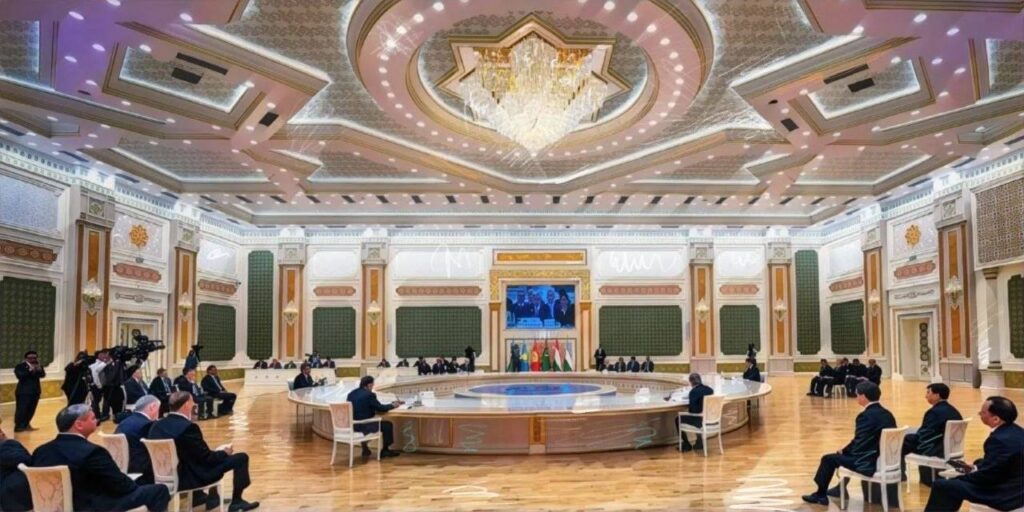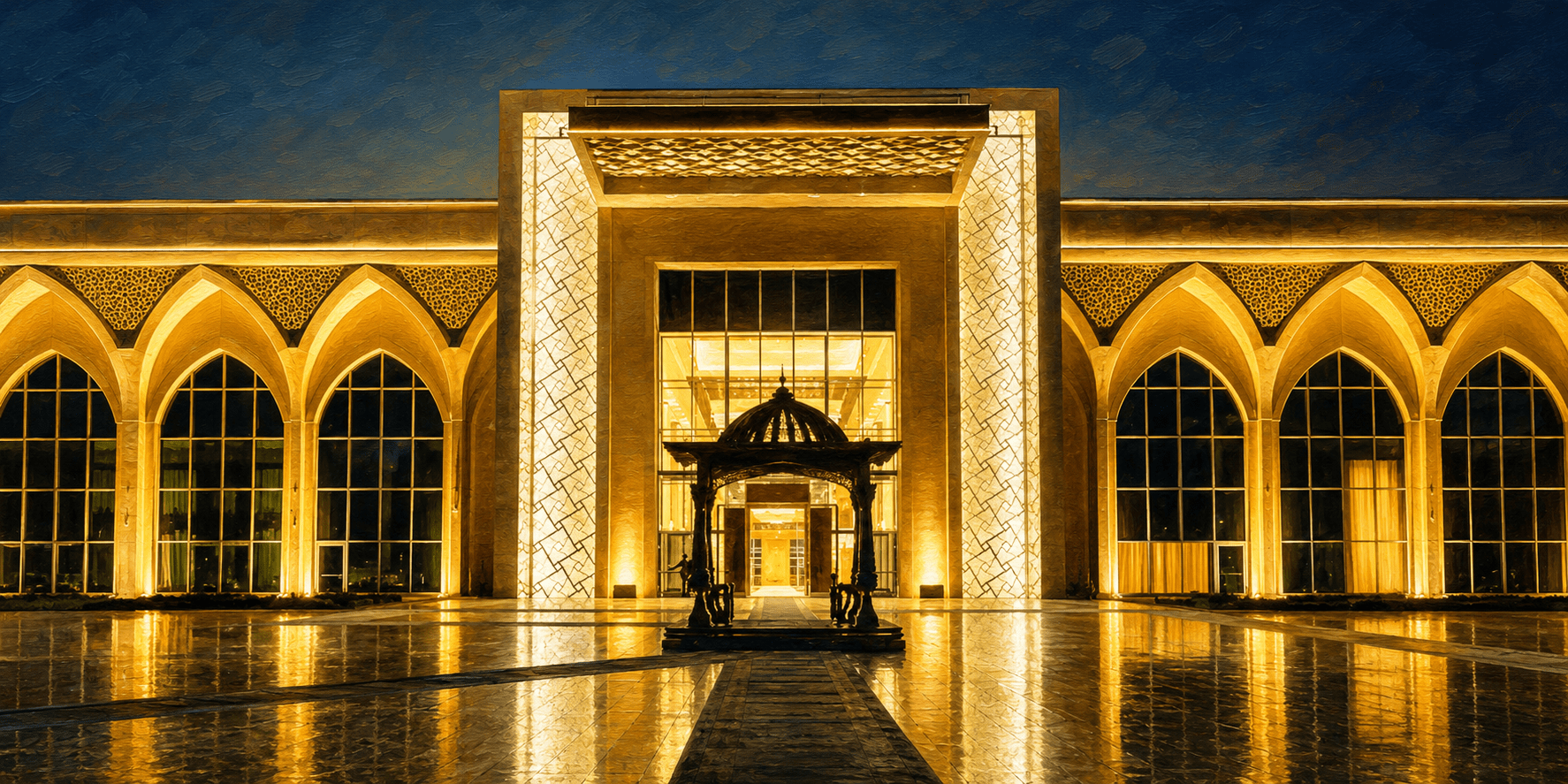
Eco Expo Central Asia 2026 opened on June 2 at the Expo Center of Silk Road Samarkand, placing Uzbekistan’s green economy plans before officials, lenders, companies, scientists, and environmental groups already gathered in the city. The exhibition is scheduled to run through June 4 and is being held alongside the Eighth Assembly of the Global Environment Facility, one of the main global forums for environmental finance.
The timing gives Uzbekistan a rare week of attention on climate, water, biodiversity, and clean technology. The GEF Assembly runs from May 30 to June 6 in Samarkand. The GEF says its Assembly is its highest governing body, made up of 186 member countries, and meets once every four years. GEF Council meetings are scheduled from May 31 to June 3, before the formal Assembly sessions later in the week.
Eco Expo has a more practical focus. Its exhibition sections include protected natural areas, clean technology, green construction, transport, and energy, sustainable agriculture, green finance and green cities, ecotourism, water-saving technologies, environmental education, artificial intelligence in ecology, and the Aral Sea region. The business program includes lectures, seminars, panels, and roundtables for registered visitors.
Uzbekistan’s state news agency UzA has said that approximately 10,000 participants from Uzbekistan and abroad are expected. The exhibition will include more than 68 pavilions for environmental products, plus 20 pavilions for startup projects from Central Asian countries. Organizers also plan more than 50 forums, presentations, and discussion platforms on green energy, waste recycling, water resource management, and sustainable development.
The exhibition – organized by Uzbekistan’s National Committee on Ecology and Climate Change with Business Congress Management – is designed to turn local environmental plans into fundable projects. Regions and districts across Uzbekistan have prepared proposals for donors and investors, covering climate adaptation, better use of natural resources, and practical steps to make local economies more resilient.
For Uzbekistan, the meetings are a chance to move from broad pledges to project lists, budgets, and partners. Farms need more efficient irrigation; cities need cleaner transport and better waste systems; protected areas need long-term funding. The expo brings those needs into one room with development banks, UN agencies, foreign governments, and companies looking for green projects.
The GEF meetings bring the process closer to the expo floor. The fund says it has provided more than $26 billion in financing over three decades, and has helped mobilize another $148 billion for country-led environmental projects. In Samarkand, the 71st GEF Council meeting opened ahead of the Assembly and Eco Expo. Its agenda includes biodiversity protection, sustainable infrastructure, renewable energy, energy storage, the GEF-9 programming strategy, and support for vulnerable countries.
Uzbekistan already has a working portfolio with the GEF, which includes 13 projects worth $56 million and five more projects worth more than $30 million in the pipeline. The projects cover biodiversity, snow leopard protection, restoration of ecosystems in the Aral Sea region, climate resilience, land management, and waste management.
The week arrives as Uzbekistan faces rising climate stress. The World Bank has described the drying of the Aral Sea as a symbol of the country’s development challenge. Once the world’s fourth-largest lake, the Aral has shrunk to about 10% of its original size. The World Bank lists water scarcity, drought, extreme heat, erratic rainfall, dust storms, and land degradation among the risks already affecting people and the economy.
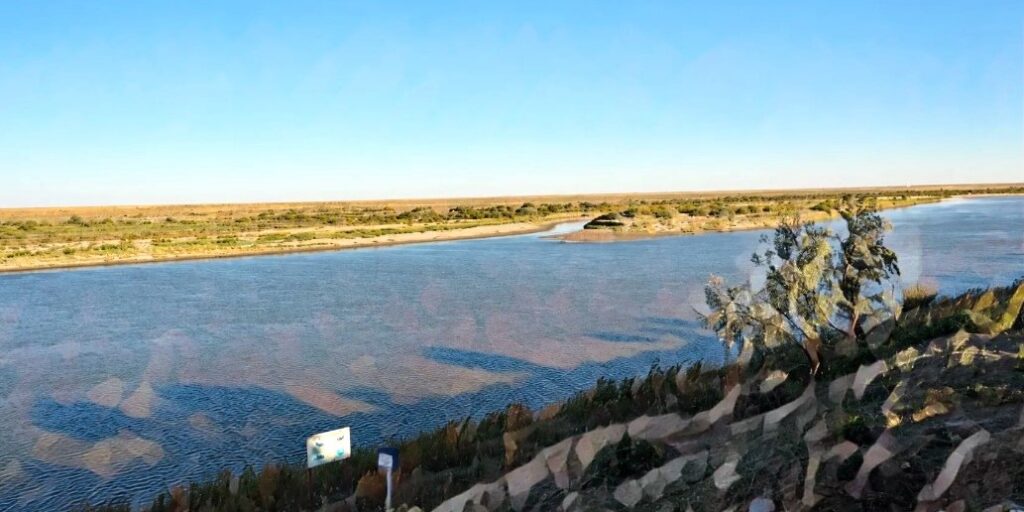
The town of Moynaq shows what those pressures look like on the ground. Once a fishing port on the Aral Sea, it had canneries, boats, beaches, and regular air links. As Soviet-era irrigation projects diverted water from the Amu Darya, the shoreline retreated, and the local economy collapsed. Fishing crews followed the shrinking sea by digging channels through the sand, but many vessels were eventually abandoned where they ran aground. Today, rusting ships litter the former seabed, and Moynaq has become a stark example of how water policy can decide the future of whole communities.
According to the World Bank, by 2030, at least eight million people in Uzbekistan could live in areas of very high climate risk. Without adaptation, the economy could be 10% smaller by 2050 than it would have been without climate stress, leading to lower employment and household incomes.
Water sits at the heart of the problem. Uzbekistan’s arid climate makes irrigation essential. Agriculture contributes about 25% of national GDP and employment, and accounts for roughly 90% of the country’s water use. Water scarcity is expected to worsen as glacier-fed flows decline, evaporation rises, rainfall becomes less predictable, and droughts become more frequent. Water availability could fall by 30 to 40%, while irrigation demand could rise by 25%.
Those figures explain why water-saving technology has a prominent place at Eco Expo, and why Central Asian cooperation is a central tenet of the week’s program. The Amu Darya and Syr Darya basins, key water sources for around 80% of Central Asia’s population, connect upstream and downstream countries, meaning that decisions on irrigation, hydropower, reservoirs, and river flows often cross borders.
A GEF-backed regional program gives these issues a broader frame. Uzbekistan, Kazakhstan, Kyrgyzstan, Tajikistan, and Turkmenistan have joined the Central Asia Water and Land Nexus program, supported by the GEF with a budget of $30 million and implemented with the participation of the Food and Agriculture Organization of the United Nations. The program focuses on water and land management, restoration of agricultural land, desertification, forests, biodiversity, and climate resilience.
Glaciers will also be part of the agenda. UNESCO says a June 3 side event in Samarkand will focus on cryosphere cooperation in Central Asia. The session will discuss a Joint Subregional Action Programme on the Cryosphere for 2027-2035, including monitoring, adaptation, and cooperation on glacier-related risks.
Uzbekistan has also raised its own formal climate targets, submitting its third Nationally Determined Contribution under the Paris Agreement at COP30 in November 2025. The updated pledge commits Uzbekistan to reduce greenhouse gas emissions per unit of GDP by 50% from 2010 levels by 2035. The NDC Partnership says the pledge aligns with a longer-term goal of net zero emissions by 2055.
The priorities in that plan match many of the expo’s sections, while the UNDP’s Uzbekistan office is also using the Samarkand week for several focused sessions. Its program includes discussions on the Lower Amu Darya and the Aral Sea basin, biodiversity finance, hazardous chemicals management, locally led environmental solutions, and wildlife corridors.
Samarkand has often served as Uzbekistan’s venue for major international events. This week, the city is being used to pursue a more specific goal: linking Central Asia’s environmental pressures with finance, technology, and policy tools. The results will be measured in projects that save water, restore land, cut waste, protect biodiversity, and help farms and cities prepare for hotter and drier years ahead.