Tajikistan’s government has been trying to reduce or at least diversify food imports whose prices are vulnerable to regional or global shocks. But a recent surge in the cost of sugar highlights ongoing challenges for the landlocked country.
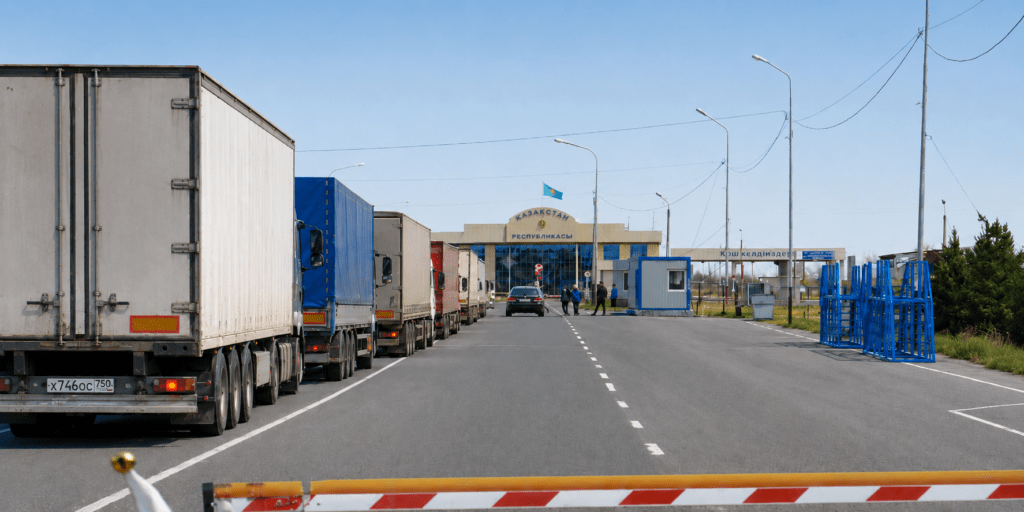
Tajikistan relies on sugar imports from Russia, Belarus, India, Pakistan, Kazakhstan, and other countries. Last year, it imported about 190,000 tons. Now, as oil prices fluctuate because of conflict in the Middle East, Tajikistan is among many countries, including its neighbors in Central Asia, that are struggling with uncertainty over the international energy trade.
The country has faced similar cycles in the past.
In 2024, Russia announced a ban on grain and sugar exports to some trading partners to ensure its own food needs as it grappled with sanctions and other economic pressures related to the war in Ukraine. Kazakhstan imposed a similar ban on exports as supply tightened. The result was that the sugar price in Tajikistan jumped by about 25% over the previous year.
Those export bans were eventually lifted, and the sugar price stabilized and even dropped in Tajikistan in 2025. Now the country faces another bout of price volatility as concerns mount following U.S. and Israeli air strikes on Iran and Iranian retaliation in the region. U.S. and Iranian negotiators failed to reach an agreement in recent talks, and the International Monetary Fund warns that oil market disruptions could slow global growth and spur inflation.
The price of a kilogram of sugar in Tajikistan has increased from 9–11 somoni ($0.80–$1) at the end of March to 12–14 somoni ($1.10–$1.30) this month, according to Asia-Plus, a media group in Tajikistan. It said the wholesale price of a 50-kilogram bag had risen from 380–400 somoni ($34–$36) to more than 500 somoni (more than $45) during the same period.
Those are increases of at least 25%, similar to the 2024 jump in cost.
The Food and Agriculture Organization, a United Nations agency, said the global sugar price index, which measures the monthly change in cost, was up 7.2% in March, and that the Middle East conflict was contributing to upward pressure on prices.
“Nevertheless, the overall increase in world sugar prices was contained by the generally favorable global supply outlook for the 2025/26 season, supported by good harvest progress in India and Thailand,” the agency said.