• KGS/USD = 0.01144 0%
  • KZT/USD = 0.00211 0%
  • TJS/USD = 0.10794 0%
  • UZS/USD = 0.00008 0%
  • TMT/USD = 0.28571 0%
  • KGS/USD = 0.01144 0%
  • KZT/USD = 0.00211 0%
  • TJS/USD = 0.10794 0%
  • UZS/USD = 0.00008 0%
  • TMT/USD = 0.28571 0%
  • KGS/USD = 0.01144 0%
  • KZT/USD = 0.00211 0%
  • TJS/USD = 0.10794 0%
  • UZS/USD = 0.00008 0%
  • TMT/USD = 0.28571 0%
  • KGS/USD = 0.01144 0%
  • KZT/USD = 0.00211 0%
  • TJS/USD = 0.10794 0%
  • UZS/USD = 0.00008 0%
  • TMT/USD = 0.28571 0%
  • KGS/USD = 0.01144 0%
  • KZT/USD = 0.00211 0%
  • TJS/USD = 0.10794 0%
  • UZS/USD = 0.00008 0%
  • TMT/USD = 0.28571 0%
  • KGS/USD = 0.01144 0%
  • KZT/USD = 0.00211 0%
  • TJS/USD = 0.10794 0%
  • UZS/USD = 0.00008 0%
  • TMT/USD = 0.28571 0%
  • KGS/USD = 0.01144 0%
  • KZT/USD = 0.00211 0%
  • TJS/USD = 0.10794 0%
  • UZS/USD = 0.00008 0%
  • TMT/USD = 0.28571 0%
  • KGS/USD = 0.01144 0%
  • KZT/USD = 0.00211 0%
  • TJS/USD = 0.10794 0%
  • UZS/USD = 0.00008 0%
  • TMT/USD = 0.28571 0%

Viewing results 1 - 6 of 283

More Than Half of Uzbeks View Nepotism as a Corruption Problem

According to the United Nations, corruption costs developing countries approximately $1.26 trillion annually. Since 2016, Uzbekistan has undertaken significant reforms to combat corruption, including the establishment of the Anti-Corruption Agency, the simplification of public services, and the full digitalization of public procurement systems. A recent study conducted by Uzbekistan's Anti-Corruption Agency, the United Nations Development Programme, and the Anti-Corruption and Civil Rights Commission of the Republic of Korea sheds light on public attitudes toward corruption. The study used surveys, focus groups, and expert interviews, covering all 14 regions of Uzbekistan and gathering responses from 503 participants. Key Findings The study revealed that public understanding of corruption in Uzbekistan often focuses on bribery and nepotism. Over half of respondents identified abuse of office and nepotism as corrupt practices. However, less than 40% considered valuable gifts a form of corruption, with many viewings them as gestures of gratitude rather than bribes. While bribery is widely condemned - 88.4% of respondents disapproved of it - attitudes toward small gifts for good service were more lenient. Sectors Most Affected The study highlighted the sectors most susceptible to corruption: Healthcare and Education: Particularly in higher education. Local Governance: Frequent opportunities for misuse of authority. Traffic Safety Services, Internal Affairs, Roads, and Construction: Identified as high-risk areas, with rural residents particularly concerned about corruption in road construction. Reporting Corruption Despite witnessing corrupt practices, few respondents report such behavior to authorities. Among respondents: Men: 79.2% were slightly more willing to report corruption than women (70.4%). Women: Showed greater interest in using mobile applications or online portals for reporting (85.2% versus 79.2% of men). Persons with Disabilities: Reported corruption less frequently, but expressed a high willingness to use online tools if made accessible. Trust in Anti-Corruption Institutions Trust in anti-corruption institutions varied significantly: Urban Residents: Trusted the media (20.3%) and bloggers (17.3%) more than rural residents. Rural Residents: Had higher trust in the Anti-Corruption Agency (21.4%). Persons with Disabilities: Showed trust in the Anti-Corruption Agency, media, and bloggers. General Public: Less than 5% said they trust no one to address corruption. Moving Forward The findings suggest that while public awareness of corruption is growing, attitudes toward certain practices, such as gift-giving, remain complex. Efforts to increase transparency, provide accessible reporting tools, and build trust in anti-corruption institutions are critical to further reducing corruption in Uzbekistan.
Capital Over Confinement in Sentencing of Raimbek “Millions” Matraimov

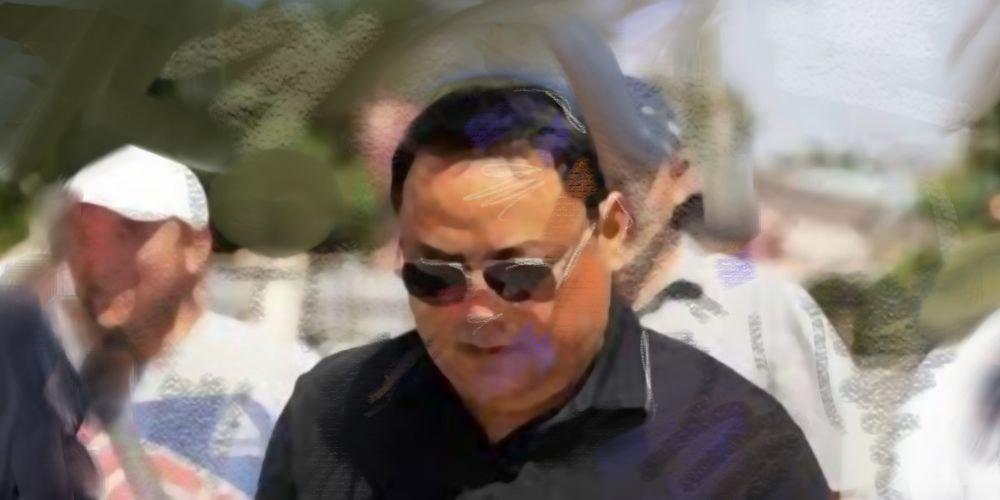
Raimbek Matraimov, infamously known as “Millions” for his tremendous wealth, once wielded immense power in Kyrgyzstan. Rising to prominence as deputy chairman of Kyrgyzstan’s Customs Service from 2015 to 2017, Matraimov’s tenure became synonymous with corruption and organized crime. His activities, alleged to have funneled monumental sums of money through shadowy operations, fashioned him not only as a dominant figure within the Customs Service but also as a key player in Kyrgyzstan’s criminal underworld.   The Rise of Raimbek Matraimov During his time in the Customs Service, Matraimov amassed an extraordinary fortune. His influence extended beyond bureaucratic corridors, infiltrating the political landscape of Kyrgyzstan. Whispers of his role as an organized crime leader were persistent, yet his wealth and connections left him virtually untouchable in those years. Speculation about his political influence peaked after the dramatic rise of Sadyr Japarov to Kyrgyzstan’s presidency in October 2020. Japarov’s elevation, from prison to the highest office amidst a tide of civil unrest, prompted many to suspect that Matraimov’s financial backing played a decisive role in the ascent. However, despite Japarov-appointed head of Kyrgyzstan’s State National Security Committee (GKNB), Kamchybek Tashiyev once describing him as a “good guy,” if Matraimov hoped to shelter under Japarov's influence, his expectations were soon dashed.   The Turning Point Japarov’s administration showed no hesitation in targeting Kyrgyzstan’s entrenched criminal networks. With Matraimov having bounced in and out of jail since October 2020, by October 2023, the GKNB had escalated their crackdown on organized crime, culminating in the death of Kamchybek Kolbayev, the country’s top crime kingpin - a member of the “Bratva” linked to heroin trafficking - during a security operation in Bishkek. Sensing the shifting winds, Matraimov fled Kyrgyzstan shortly after Kolbayev's death. However, his flight only seemed to intensify the resolve of the government in his homeland, where the authorities began seizing Matraimov's assets and investigating his allies. Among those implicated was Matraimov’s brother, Iskender, a parliamentary deputy with significant political connections.   Extradition and Arrest In late March 2024, Kyrgyzstan’s crackdown on Matraimov escalated when the GKNB detained five Azerbaijani nationals in Bishkek. These individuals, suspected members of a transnational organized crime group, were allegedly dispatched by Matraimov from Azerbaijan to assassinate top Kyrgyz government officials. This accusation  - one of countless similar claims regarding assassination attempts made by the Kyrgyz authorities this year alone - led to diplomatic action, and March 26, 2024, Matraimov along with three of his brothers were extradited from Baku to Kyrgyzstan. Upon his arrival, Matraimov was immediately taken into custody. The legal net tightened further as the case against him unfolded, with allegations of illegal border crossings, hooliganism involving weapons, money laundering, and broader accusations regarding his criminal empire.   Asset Seizures and Financial Settlements Prior to his sentencing, Matraimov had reportedly returned $200 million to the state budget, equivalent to over 17 billion Kyrgyz som, to be released from custody to house arrest pending his trial. Authorities also confiscated significant assets, including a 14-story business center in...

Following Corruption Arrests in Kyrgyzstan, MP Calls for PM Japarov to Resign

At a recent parliamentary session, Kyrgyz MP Elvira Surabaldiyeva called for the resignation of Prime Minister Akylbek Japarov following the arrest of senior officials from the State Tax Service (STS). The arrests stemmed from allegations of a corruption scheme involving electronic invoices that reportedly cost the state 3.2 billion KGS (approximately U$37 million). Accusations Against the Government Surabaldiyeva directly accused Japarov and his government of corruption. Addressing the Minister of Economy and Commerce present at the session, she questioned the administration’s inability to curb bribery. “You collect money from the people, but you cannot eliminate bribery in your country. Why are you surprised that people don’t trust you?” she said. “The Deputy Chairman of the Cabinet of Ministers has acknowledged that the corruption scheme caused 3.2 billion KGS in damage. This is a colossal amount. At the very least, the Prime Minister should resign, and the head of the tax service should face jail time.” Government Response Deputy Prime Minister Edil Baisalov responded to Surabaldiyeva’s claims on social media, defending the government’s record and arguing that tax collections in Kyrgyzstan have nearly tripled over the past five years due to improved governance and administration. “The people see what their taxes are used for and recognize the state’s development,” Baisalov stated. He added that the era of bribing tax inspectors is over, emphasizing the government’s commitment to a “relentless struggle” against corruption within the state apparatus. Background on Corruption Arrests Earlier, Kyrgyz special services arrested three senior tax officials from the STS, accusing them of orchestrating a systematic corruption scheme. The officials face charges under the article “Abuse of official position”. Despite these measures, the accusations against Japarov’s administration have sparked broader discussions about the government’s ability to effectively combat corruption and restore public trust.

Tajik Lawyer Jailed After Exposing Alleged Corruption in Prosecutor’s Office

In Tajikistan, 74-year-old lawyer Faizi Oli, also known as Faizali Yuldoshev, has been sentenced to 2.5 years in prison after raising allegations of corruption within the prosecutor’s office. The Sino District Court in Dushanbe delivered its verdict on November 29. Oli was found guilty of “knowingly making a false denunciation” against employees of the prosecutor's office. However, he asserts that he merely exercised his right to file complaints with anti-corruption bodies, the Security Council, and the presidential administration, detailing what he described as evidence of corruption. A Controversial Case According to Oli’s lawyer, his complaints should have prompted an investigation, not legal proceedings against him. The court considered his advanced age when issuing the sentence, which fell below the minimum term of five years prescribed under Article 346 of the Tajik Criminal Code. The prosecution had sought a six-year prison term. Oli was arrested immediately after the verdict. Over the course of the five-month trial, he consistently maintained that the charges were baseless, and that filing complaints with the authorities is a legal right. This is not the first time Oli has been involved in a high-profile case; he previously defended his colleague, Saidnuriddin Shamsiddinov, who was sentenced to 8.5 years in prison on similar charges of false denunciation. At that time, Oli stressed the right of citizens to address grievances directly to the president and the Prosecutor General’s Office, a principle he believes is now being criminalized. Broader Context International human rights organizations have frequently criticized Tajikistan for targeting lawyers and human rights defenders. Many prominent figures, including Buzurgmehr Yorov, are serving lengthy prison sentences under controversial circumstances. Oli, known for his outspoken social media presence and comments on government operations, believes his activism may have influenced the court’s decision. He has announced plans to appeal the verdict after receiving the court’s written decision. The Prosecutor General's Office declined to comment on the case.

Out With the Old and in With the New: From Politicians to Felons: Part Two

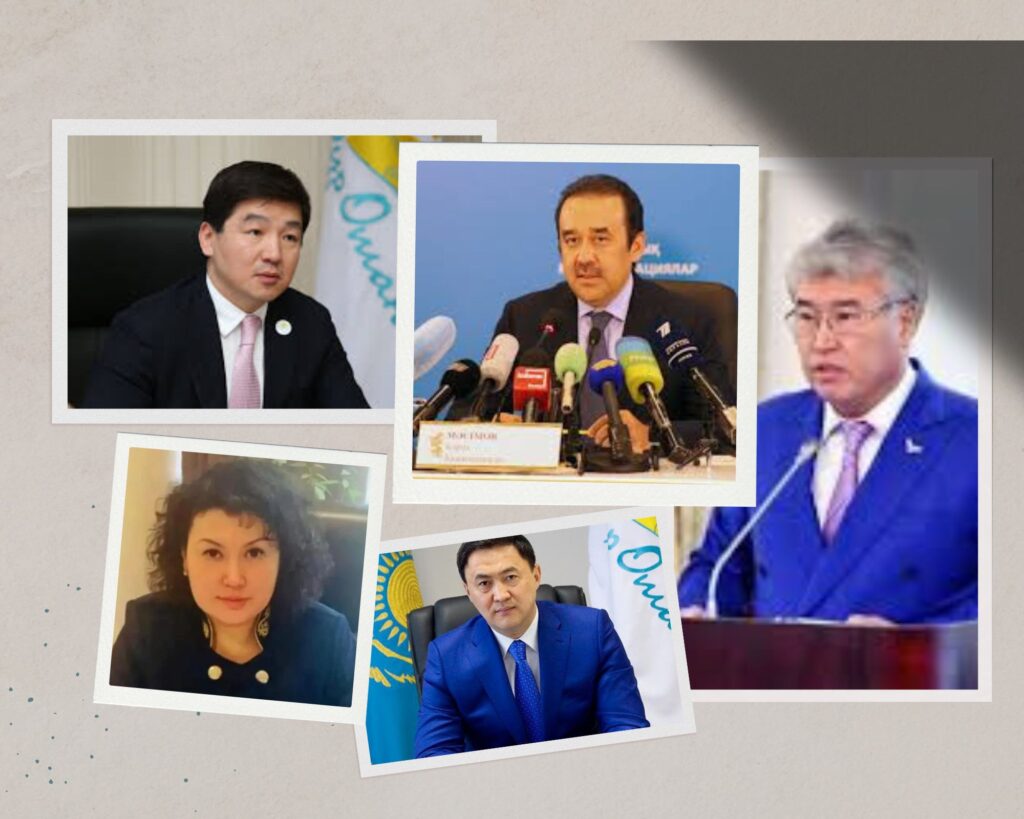
The end of the first president of Kazakhstan, Nursultan Nazarbayev’s era coincided with a wave of mass protests across the country. The widely-accepted cause was the death of five children in a fire in a dilapidated annex to a private house, the like of which there are many in the suburbs of Astana. This tragedy occurred on the night of February 4, 2019, when the girls, with ages ranging from a baby to twelve years old, were left home alone. The event sparked furious complaints from mothers of children across the country, and on March 19 of the same year, Nazarbayev resigned, handing power to the next in the constitutional hierarchy, Kassym-Jomart Tokayev, the speaker of the Senate (Kazakhstan's upper house of parliament). High-profile cases of the transition period From that moment until the events of January 2022, the country went through a transitional period, which is often spoken of as having been a time of dual power. By analogy with the “Kremlin Towers” (a popular theory about clans in Vladimir Putin's Russia being engaged in an irreconcilable struggle for resources and influence), the new president's entourage began to be called “Akorda” - after the head of state's residence in Astana. Supporters of Nazarbayev and the idea of his return to the presidency, meanwhile, were known as the “Library” – a reference to the Library of the First President. It was believed that the officials Tokayev inherited from his predecessor were more likely to run reports to the Library than to the Akorda. This division serves to explain how the new president was bound in his ability to implement changes. Tokayev initially announced a course of political, economic and social reforms, but only the latter were implemented, while the rest were sabotaged. Even support from the general public, which Tokayev managed to garner in the National Council of Public Trust, did not help matters.Even under such constraints, however, it was possible to begin a purge of the establishment. For example, in 2020, the country was shaken by the first high-profile criminal case under Tokayev, when Bulat Bakauov, akim of the Pavlodar region and a bellwether of high-profile scandals under Nazarbayev, was accused of abusing his authority and arrested. However, the influence of Nazarbayev's entourage remained strong, so the sentence handed down to the former Akim turned out to be a meagre restriction of freedom for 3.5 years. The court obliged Bakauov to refrain from leaving his residence and regularly report to the probation service. In addition, Bakauov was obliged to engage in a hundred hours of public labor, ordered to return $10,000, and banned from holding public office. In the same year, there was a glimmer of hope that the former Akim of Almaty, Bauyrzhan Baibek - who was elevated to the height of political power by his father's childhood friendship with Nursultan Nazarbayev – would be held to account. Urban legends still circulate about the illegal earnings of Baibek and his team from the reconstruction of the center of...

In the Wake of Bishimbayev: From Politicians to Felons – Part One

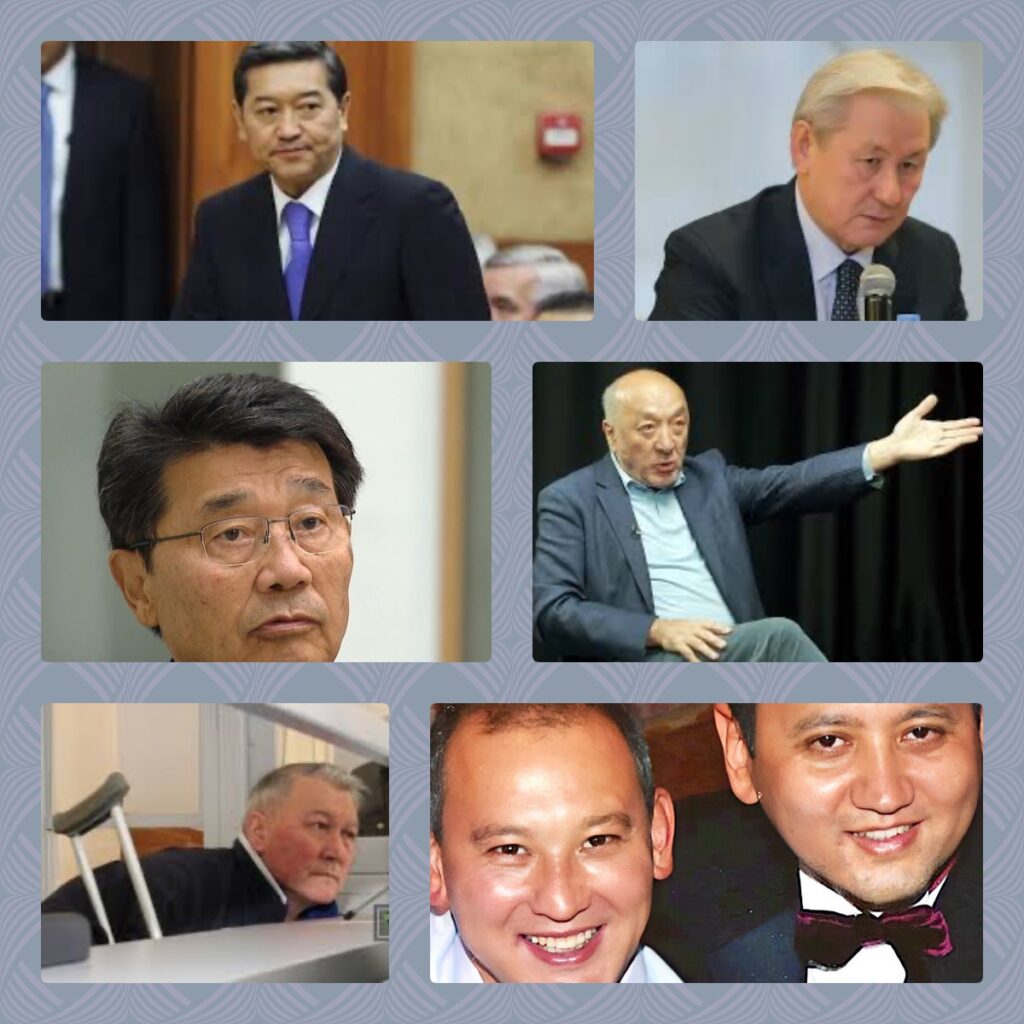
Eight days ago, a scandal shook Kazakhstani society: Kuandyk Bishimbayev allegedly escaped from the penal colony where he was serving his sentence. Bishimbayev is a former high-ranking official of the government of Nursultan Nazarbayev's era, who was sentenced to 24 years in prison for the brutal murder of his wife. The Interior Ministry's Criminal Correctional System Committee immediately denied this information and said that a criminal case had been opened over the dissemination of this misinformation. This is not the first time Bishimbayev has become a resident of a penal colony. In 2017, as the Minister of National Economy of Kazakhstan, he was arrested on suspicion of large-scale bribery and embezzlement. In 2018, he was sentenced to a ten-year term with the confiscation of property and deprivation of the right to hold public office for the rest of his life. However, he was released on parole in 2019. Kazakhstan has been shaken by Bishimbayev's new crime. The trial, which was broadcast live online for the first time in the country's history, was watched by millions of citizens, not only within the Republic, but also abroad in other post-Soviet countries, and even in the West. However, this is not the first and, in all likelihood, not the last sensational case in which a former high-ranking official becomes a defendant. The long list of convicted ministers and akims can be divided chronologically into three parts: the Nazarbayev era, the transition period, and the so-called “New Kazakhstan,” which started after the January Events - the failed coup in 2022. This article discusses the most notorious court cases from each of these periods. Akezhan Kazhegeldin Former Prime Minister Akezhan Kazhegeldin was a politician known not only in Kazakhstan, but also in the West. He led the Government of Kazakhstan from 1994 to 1997. After falling into disfavor, in 1998 he attempted to challenge Nazarbayev in the upcoming presidential election. Kazhegeldin was not allowed to participate and had to leave Kazakhstan under the pretense of receiving medical treatment in Switzerland for unspecified health problems. In 1999, Kazhegeldin was put on an international wanted list, and in 2001 he was found guilty in absentia by the Supreme Court of Kazakhstan of abuse of power and authority, extortion and repeated bribes of millions of dollars, illegal acquisitions, the storage and transfer of weapons and ammunition, and tax evasion. Kazhegeldin was sentenced to ten years in prison, but has not returned to the country since. He continued to influence Kazakhstan's domestic politics from abroad until 2001 through the Republican People's Party of Kazakhstan, which he organized for this purpose. It was alleged that Kazhegeldin received kickbacks from a contract awarded to Tractebel in 1996 to run Almaty's electric company and power grid. A year later, the Belgian company also won a concession to manage gas pipelines in the south and west of Kazakhstan. In the U.S., meanwhile, the DOJ investigated claims Kazhegeldin received illegal payments of $6 million as part of a bribery scandal known as ‘Kazakhgate’. This...