• KGS/USD = 0.01144 0%
  • KZT/USD = 0.00209 0%
  • TJS/USD = 0.10864 0%
  • UZS/USD = 0.00008 0%
  • TMT/USD = 0.28571 0%
  • KGS/USD = 0.01144 0%
  • KZT/USD = 0.00209 0%
  • TJS/USD = 0.10864 0%
  • UZS/USD = 0.00008 0%
  • TMT/USD = 0.28571 0%
  • KGS/USD = 0.01144 0%
  • KZT/USD = 0.00209 0%
  • TJS/USD = 0.10864 0%
  • UZS/USD = 0.00008 0%
  • TMT/USD = 0.28571 0%
  • KGS/USD = 0.01144 0%
  • KZT/USD = 0.00209 0%
  • TJS/USD = 0.10864 0%
  • UZS/USD = 0.00008 0%
  • TMT/USD = 0.28571 0%
  • KGS/USD = 0.01144 0%
  • KZT/USD = 0.00209 0%
  • TJS/USD = 0.10864 0%
  • UZS/USD = 0.00008 0%
  • TMT/USD = 0.28571 0%
  • KGS/USD = 0.01144 0%
  • KZT/USD = 0.00209 0%
  • TJS/USD = 0.10864 0%
  • UZS/USD = 0.00008 0%
  • TMT/USD = 0.28571 0%
  • KGS/USD = 0.01144 0%
  • KZT/USD = 0.00209 0%
  • TJS/USD = 0.10864 0%
  • UZS/USD = 0.00008 0%
  • TMT/USD = 0.28571 0%
  • KGS/USD = 0.01144 0%
  • KZT/USD = 0.00209 0%
  • TJS/USD = 0.10864 0%
  • UZS/USD = 0.00008 0%
  • TMT/USD = 0.28571 0%

Viewing results 1 - 6 of 184

Uzbek Artifacts from Italian Museums and Private Collections to be Exhibited in Tashkent

A collection of Uzbek cultural heritage masterpieces housed in Italian museums and private collections will be showcased at an upcoming exhibition in Tashkent. The event coincides with the opening of the Center for Islamic Civilization in Uzbekistan. As part of the preparations, a delegation from the Center for Islamic Civilization, led by its director Firdavs Abdukhalikov, visited Italy in mid-February. During the visit, negotiations were held with representatives of several museums and private collectors, who expressed support for the international exhibition. Over the centuries, Uzbek artifacts have become part of prestigious museum and private collections worldwide. “Collections of Uzbek relics housed in Italian museums were published in the 35th volume of the multimedia project Cultural Heritage of Uzbekistan in the Collections of the World. This initiative, supported by the state and business sector, has already resulted in the publication of 80 volumes documenting Uzbek cultural monuments abroad,” said Elmira Gul, the project’s scientific coordinator. Several renowned Italian institutions have contributed artifacts to the exhibition, including: University of Bologna Library - home to a Hebrew manuscript by Abu Ali ibn Sina (Avicenna). Giuseppe Tucci National Museum of Oriental Art (Rome). Museum of Asian Art (Turin). Stibbert Museum (Florence). Mudec Museum of Cultures (Milan). Antonio Ratti Textile Foundation (Como). Private collection of Milanese collectors Alberto and Anna Levi. According to the Center for Islamic Civilization, the exhibition will feature Afrasiab ceramics with epigraphic inscriptions, Medieval metalwork from Khorasan and Maverannahr, including a legendary bowl of the Karakhanid rulers, and Uzbek textile masterpieces from the 19th and early 20th centuries. This exhibition marks a significant step in promoting Uzbekistan’s rich cultural history on the international stage.

Uzbekistan and Pakistan Agree to Increase Trade Volume by $2 Billion

Uzbekistan and Pakistan have agreed to expand trade, transport, and cultural cooperation, following talks between Uzbek President Shavkat Mirziyoyev and Pakistani Prime Minister Shehbaz Sharif in Tashkent on February 26. During the meeting, both leaders expressed satisfaction with the growing bilateral relationship. In 2024, trade volume between the two countries exceeded $400 million, and the number of joint ventures reached 130. Additionally, direct flights between Tashkent and Lahore have been resumed. The two sides discussed plans to boost trade to $2 billion and simplify customs procedures under a recently adopted roadmap. Key areas of cooperation include pharmaceuticals, agriculture, mining, and textiles. Transport connectivity was a major focus of the discussions. Freight traffic through the Uzbekistan-Afghanistan-Pakistan corridor has increased fivefold in recent years, and the two countries agreed to establish a joint transport and logistics company. They also pledged to advance the Trans-Afghanistan railway project, which aims to enhance regional trade routes. The two governments also committed to expanding cultural and educational exchanges. Agreements were reached on mutual cultural weeks, tourism development, and cooperation in science, technology, youth policy, and security. To strengthen long-term cooperation, Uzbekistan and Pakistan will establish a High Council for Strategic Partnership, with its first meeting scheduled for next year.

Japanese Musician Yutaka Kikuchi Captivated by the Turkmen Dutar

Japanese musician and shamisen performer Yutaka Kikuchi visited Ashgabat recently as part of a cultural exchange program, and shared his admiration for Turkmen musical traditions. According to Kikuchi, the richness and diversity of Turkmenistan’s musical instruments left a strong impression on him. “I consider it my duty to emphasize that during the master classes, I gained invaluable knowledge about Turkmenistan’s unique culture and feel deeply grateful for this experience,” he said. Kikuchi noted striking similarities between Turkmen and Japanese musical instruments, particularly in their design and construction. He observed parallels between Turkmen instruments and the Japanese Koto and Biwa. However, what astonished him the most was the Dutar, which he compared to the shamisen, an instrument he has mastered. With two decades of experience teaching music, Kikuchi was especially pleased to engage with students and faculty at the Turkmen National Conservatory. He praised the enthusiasm and dedication of Turkmen students. “It is a great honor for me to hold a master class for talented Turkmen youth and introduce them to the traditions of Japanese culture,” he said. Alongside Japanese folk dance master Ueda Chiho, Kikuchi conducted a series of master classes at specialized secondary and higher educational institutions in Ashgabat. The visit concluded with a performance at a reception celebrating the birthday of Emperor Naruhito of Japan, a vibrant display of the strengthening cultural ties between the two nations.

Museum Showcasing Traditional Rishtan Ceramics to Be Established in Uzbekistan

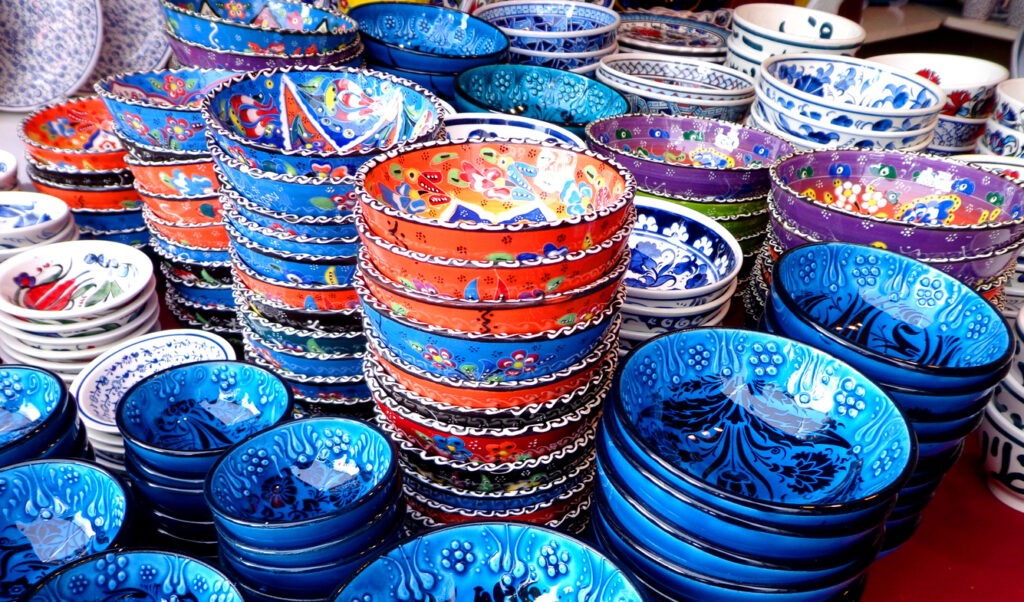
A museum dedicated to the history of traditional ceramics will be established in the Uzbek town of Rishtan. The institution, organized as a non-governmental entity, aims to serve as a center for preserving and promoting the region’s unique pottery heritage. The museum’s key objectives include collecting and preserving exhibits, conducting cultural and educational programs, and training young artisans in pottery through the traditional mentoring system. Additionally, it will foster international cooperation by collaborating with foreign museums to organize exhibitions and exchange expertise. To implement the project, a working group has been formed to develop the museum’s concept and oversee its activities. The building designated for the museum is expected to be fully adapted to its needs by April 1, 2025. Notably, in September 2023, London’s King’s Foundation School of Traditional Arts hosted a master class led by Uzbek ceramist Shokhrukh Rakhimov. The event, supported by Uzbekistan’s Foundation for the Development of Culture and Arts, introduced master's and doctoral students to the traditions of Uzbek ceramics. Rakhimov inspired participants to explore new artistic forms using ancient craft techniques, highlighting the importance of cultural exchange and the preservation of national heritage within the global academic community.

Gender Inequality in Marriage: The Role of the Kelin in Kyrgyzstan

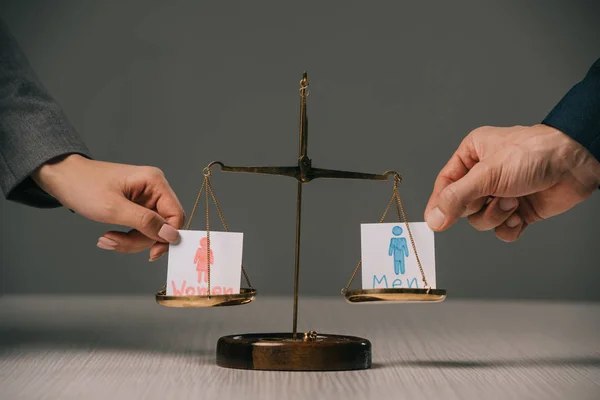
Gender inequality in marriage remains a significant issue in Kyrgyzstan, particularly with regard to the role of the kelin - the daughter-in-law - who is traditionally expected to shoulder numerous household responsibilities. In this patriarchal society, women often face pressure from their husbands' families, limited career opportunities, and an unequal division of domestic labor. According to recent data, 12.9% of women in Kyrgyzstan marry before the age of 18. This figure nearly doubles in rural areas compared to urban ones, reflecting stark regional disparities. Many families continue to uphold traditional expectations for women, especially the kelin, who is considered responsible for caring for her husband, his parents, the children, and the household. The Kelin: Between Tradition and Change Kyrgyz women have varying attitudes toward their role in the family. While some accept these expectations as part of their cultural heritage, others see them as a problem requiring change. Personal Stories Aizhan, 24, Osh (name changed): "After marriage, I was expected to leave my job and devote myself fully to the household. Although my husband supports my career aspirations, there is pressure from both his parents and mine. In the early years of our marriage, I had to prove that I was a good wife - cooking, cleaning, and pleasing my mother-in-law - even though I had the opportunity to build a career. My parents also insisted that I focus on household duties to avoid being ridiculed by others. This frustrates me, but my husband stands by me." Nuria, 25, Naryn (name changed): "In our social circle, it is rare for young couples to strive for equality in marriage. Traditional expectations remain strong, and sometimes compromises are necessary to maintain peace in the family. Early in my marriage, I didn’t feel much pressure, but after the birth of my child, I was often reminded that my primary role was now to be a mother and the keeper of the hearth." Ainura, 23, Bishkek (name changed): "In the capital, it's easier to be independent. More people here support the idea of equal rights. However, even in Bishkek, many girls face the expectation of becoming perfect kelins. This pressure usually comes from parents who cling to traditional values." Societal Expectations Beyond Marriage For many young women, gendered expectations begin long before they marry. From an early age, girls are taught to prioritize marriage and family above personal ambitions. Saule, 22, Bishkek: "I’m 20 and don’t want to get married yet, but my relatives constantly hint that ‘the clock is ticking’ and that I should start looking for a groom. They don’t understand that I have other plans. Sometimes they introduce me to potential suitors, which is awkward and frustrating." In some families, restrictions are imposed on daughters to preserve their "marriage prospects." Kamilla, 23, Bishkek: "I was often told to be modest, avoid friendships with boys, and dress conservatively because ‘I had to get married.’ Many girls like me missed out on a full teenage experience. However, I’ve noticed that the younger generation...

Uzbekistan Encourages Civil Servants in Tashkent to Wear National Dress

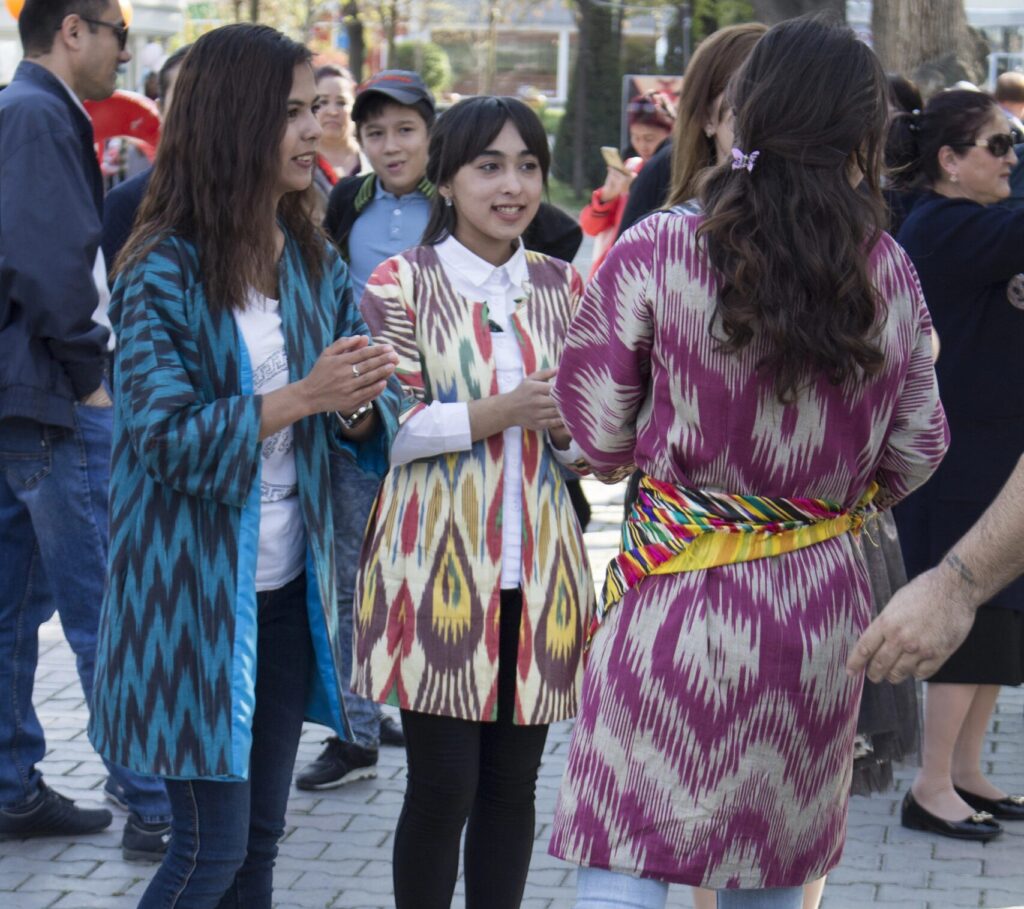
Shavkat Umurzakov, the khokim of Tashkent, has signed a decree launching the National Tashkent project, an initiative aimed at promoting Uzbekistan’s cultural heritage and national traditions within the capital. The project includes a wide range of activities, from redesigning public spaces to reflect traditional Uzbek aesthetics to encouraging civil servants to adopt national attire. Public transportation, markets, parks, and other spaces across Tashkent will be adorned in a national style as part of this effort. Traditional Clothing for Civil Servants As part of the initiative, government employees in Tashkent are encouraged to wear traditional Uzbek clothing during work hours, provided it does not conflict with existing uniform requirements. To further promote this practice, Fridays have been designated as “National Dress Day” for civil servants. Employees of khokimiyats, departments, and other government agencies are being urged to embrace traditional attire on these days. A special working group, led by Shakhnoza Sultanova, deputy khokim and head of the Department for Family and Women's Affairs, has been tasked with overseeing the project. This group has developed an action plan that includes educational programs, public events, and support for local entrepreneurs who specialize in the production of ethnic clothing. Celebrating Uzbek Culture The National Tashkent project emphasizes integrating Uzbek cultural elements into mass events such as holidays, exhibitions, concerts, and sports competitions. Participants at these events will don traditional costumes, while the programs will feature folk games, dances, and songs. Contests and awards will further highlight the richness of Uzbek traditions. Additionally, the initiative envisions creating television programs, publishing articles in both traditional and social media, and launching public challenges such as “National Dress for Everyone.” A contest titled “The Best Promoter of National Traditions” will recognize individuals or organizations that effectively advocate for Uzbek culture. Educational institutions will also participate by hosting lectures on the history of national crafts and clothing. Cultural Zones for Tourists The project includes measures to enhance the cultural experience for tourists visiting Tashkent. Special zones will be created, featuring craft workshops, photo opportunities with national costumes, and curated cultural routes. Hotels and restaurants will host exhibitions and competitions to showcase traditional values, further engaging both residents and visitors. Public transportation will also reflect the project’s goals, with buses and transport cards decorated with national patterns. Similarly, the facades and interiors of shopping centers, markets, and museums will incorporate traditional Uzbek designs. Schools will see the introduction of “National Classrooms” decorated in the spirit of Uzbek culture. Strengthening National Identity The National Tashkent project is a comprehensive effort to preserve Uzbekistan’s cultural heritage, strengthen national identity, and pass down traditions to younger generations. By raising awareness of ethnic customs and promoting national pride, the initiative seeks to enrich the cultural fabric of the capital while fostering a deeper appreciation for Uzbekistan’s historical and artistic legacy.