• KGS/USD = 0.01144 0%
  • KZT/USD = 0.00205 0%
  • TJS/USD = 0.10813 -0.18%
  • UZS/USD = 0.00008 0%
  • TMT/USD = 0.28571 0.28%
  • KGS/USD = 0.01144 0%
  • KZT/USD = 0.00205 0%
  • TJS/USD = 0.10813 -0.18%
  • UZS/USD = 0.00008 0%
  • TMT/USD = 0.28571 0.28%
  • KGS/USD = 0.01144 0%
  • KZT/USD = 0.00205 0%
  • TJS/USD = 0.10813 -0.18%
  • UZS/USD = 0.00008 0%
  • TMT/USD = 0.28571 0.28%
  • KGS/USD = 0.01144 0%
  • KZT/USD = 0.00205 0%
  • TJS/USD = 0.10813 -0.18%
  • UZS/USD = 0.00008 0%
  • TMT/USD = 0.28571 0.28%
  • KGS/USD = 0.01144 0%
  • KZT/USD = 0.00205 0%
  • TJS/USD = 0.10813 -0.18%
  • UZS/USD = 0.00008 0%
  • TMT/USD = 0.28571 0.28%
  • KGS/USD = 0.01144 0%
  • KZT/USD = 0.00205 0%
  • TJS/USD = 0.10813 -0.18%
  • UZS/USD = 0.00008 0%
  • TMT/USD = 0.28571 0.28%
  • KGS/USD = 0.01144 0%
  • KZT/USD = 0.00205 0%
  • TJS/USD = 0.10813 -0.18%
  • UZS/USD = 0.00008 0%
  • TMT/USD = 0.28571 0.28%
  • KGS/USD = 0.01144 0%
  • KZT/USD = 0.00205 0%
  • TJS/USD = 0.10813 -0.18%
  • UZS/USD = 0.00008 0%
  • TMT/USD = 0.28571 0.28%

Viewing results 1 - 6 of 39

From Central Asia to the World: How a U.S.-Raised Kazakh Founder Is Using AI to Unlock Global Education

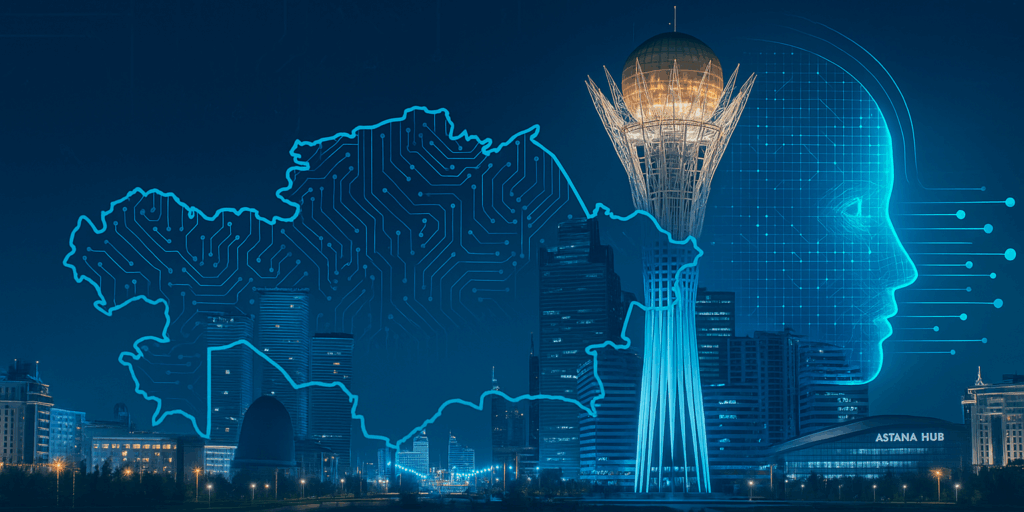
For many talented students across Central Asia, admission to the world’s leading universities remains an elusive goal, not due to a lack of ability, but because of complex application procedures, and expensive consulting services. A new AI platform, yoonee.ai, is working to change that. At the heart of the initiative is a woman bridging continents and reconnecting with her cultural roots. One of the platform’s co-founders is ethic Kazakh Gulmira Sage, who was adopted and raised in the United States. Despite growing up in America, she says her connection to Kazakhstan never waned. Last year, her journey back to Kazakhstan to meet her biological mother captured national attention. Now, she is once again in the spotlight, this time for launching a project that promises to reshape access to global education. “Coming back to my homeland after many years felt like reclaiming a missing part of myself,” she says. That personal journey now underpins the mission behind yoonee.ai: a platform designed to help students from Central Asia navigate international higher education systems with greater ease and confidence. From Aviation to AI Before venturing into the tech sector, Gulmira worked as an analyst at Delta Air Lines, one of the world’s largest carriers. There, she worked with complex datasets, financial models, and global logistics, skills she says sharpened her systems thinking. “My background is actually in aviation. I worked as an analyst at one of the biggest airlines in the world, dealing with complex data, financials, and the global logistics that keep an airline moving,” she explains. “Aviation connects people physically, and IT does the same thing electronically. Technology connects them digitally.” That experience fueled her belief that digital tools, and AI in particular, could help eliminate long-standing educational barriers. Together with her co-founders, Feruza and Aidana, she began building yoonee.ai, drawing on their shared academic and professional experiences in the U.S., France, and Kazakhstan. How the Platform Works Yoonee.ai allows students to upload academic documents directly into the system. Using AI, the platform translates them with academic accuracy and converts grades into internationally recognized formats. For instance, GPA scores from five-point or 100-point systems are standardized to U.S. benchmarks, allowing students to assess how competitive their profiles are for specific universities. The platform also offers a “match score” that estimates a student’s compatibility with selected institutions. According to the founders, many qualified applicants are rejected not for academic shortcomings but due to formatting errors or unmet technical requirements. “Geography Should Not Decide a Student’s Future” The team sees its mission as the democratization of global education. Their goal is to eliminate what they call the “geographic tax” – the added financial and informational burden on students from developing regions. This is especially relevant in rural parts of Kazakhstan and neighboring countries, where access to U.S.-trained admissions consultants is limited and often unaffordable. To improve accessibility, the platform will be available in Kazakh, Russian, and Uzbek, allowing students to explore global university options in their native languages, directly from their smartphones. Cultural...
Kyrgyzstan to Launch Unified Digital Tourism Platform to Attract Foreign Visitors

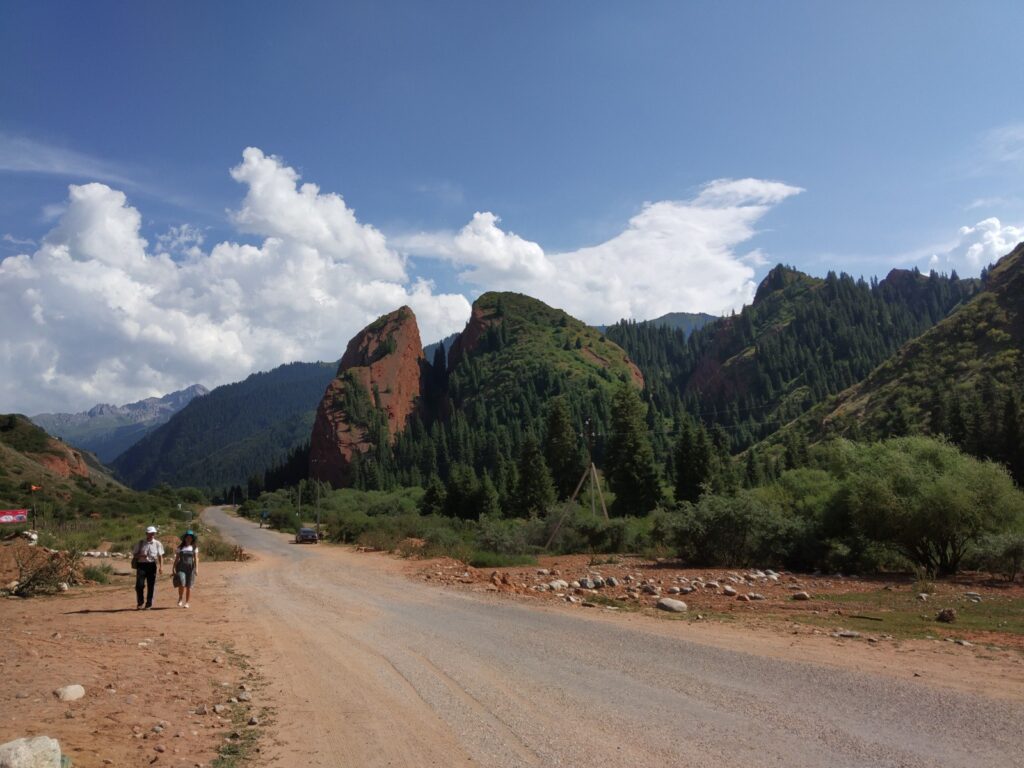
Kyrgyzstan is preparing to launch a unified Digital Tourism Platform designed to simplify travel procedures and strengthen the country’s appeal to foreign tourists. At a government meeting on January 26, Chairman of the Cabinet of Ministers Adylbek Kasymaliev pointed to long-standing structural challenges in the tourism sector, including fragmented services for visas, logistics, and insurance, as well as the absence of a centralized coordination mechanism. “Tourists should not face bureaucracy and language barriers at every stage. A single-window platform must integrate government services, private-sector offerings, and payment instruments from entry to exit,” Kasymaliev stated. He directed the Department of Tourism, the Ministry of Digital Development, and the Ministry of Finance, in coordination with the Tunduk State Portal of Electronic Services, to secure funding and oversee the platform’s technical implementation. Tourism’s economic contribution is steadily increasing. In 2025, the sector accounted for 4.3% of Kyrgyzstan’s GDP, with nearly 10 million tourist arrivals, according to Adilet Januzakov, Director of the Tourism Support and Development Fund, speaking on Sputnik Radio. Januzakov noted a shift in government policy from maximizing tourist numbers to improving infrastructure and service standards. The aim is to create comfortable conditions for a wide range of travel experiences, from ecotourism and camping to premium hospitality. Key initiatives include the construction of an Olympic village on Lake Issyk-Kul, the development of ski resorts and amusement parks, and the continued digitalization of tourist routes, such as integrating eco-trails into the 2GIS navigation system. Authorities also plan to implement a national classification system for hotels and guesthouses, designed to increase market transparency and provide consistent service quality for visitors. According to the National Statistical Committee, revenue from foreign tourists exceeded $813 million between January and September 2025, making tourism one of Kyrgyzstan’s key non-resource sectors.

Kyrgyzstan Launches Online Platform for Digital Nomad Applications

Kyrgyzstan has officially launched an online platform allowing foreign citizens to apply for Digital Nomad status, the Ministry of Labor, Social Security, and Migration announced this week. The service is available via the Government Services portal. The Digital Nomad status grants eligible foreign nationals the legal right to reside in Kyrgyzstan while working remotely. Initially valid for 60 days, the status can be extended for one year and renewed annually for up to 10 years. Applications can now be submitted entirely online, making the process faster, more secure, and user-friendly. The move is part of the government’s broader digitalization and economic modernization efforts. The Digital Nomad framework was introduced in November 2024, when President Sadyr Japarov signed legislative amendments establishing a legal basis for foreign professionals working in fields such as information and communication technologies (ICT), software development, creative industries, and other digital sectors. Those granted Digital Nomad status are exempt from mandatory local registration and may obtain a personal identification number (PIN). They are not required to obtain separate work permits and are permitted to engage in entrepreneurial activity either as individuals or through registered legal entities. Digital Nomads are also eligible to open bank accounts in Kyrgyzstan. The initiative is designed to attract global talent and foster the growth of Kyrgyzstan’s digital economy. Government officials hope the policy will encourage innovation, create jobs, increase tax revenues, and stimulate tourism. Neighboring Kazakhstan has launched similar efforts to attract mobile professionals. The country recently introduced a Digital Nomad Visa for IT specialists, offering both single-entry electronic and multiple-entry paper formats. Kazakhstan also rolled out a Neo Nomad Visa targeting remote workers with a verified monthly income of at least $3,000. Applicants must provide proof of health insurance and a clean criminal record. With these policy shifts, both Kyrgyzstan and Kazakhstan are positioning themselves as emerging hubs for remote work and digital entrepreneurship in Central Asia.

Mirziyoyev Orders Crackdown on Pollution and Waste

Uzbekistan is intensifying its environmental oversight as President Shavkat Mirziyoyev convened a high-level government meeting on December 1 to address mounting pollution, delays in waste-to-energy infrastructure, and preparedness for the winter season. The session highlighted the rising social and economic risks of air-quality deterioration in Tashkent, and chronic failures in waste management nationwide. Officials attributed recent spikes in air pollution in the capital not only to industrial emissions and construction activity but also to a severe cold anticyclone blanketing much of the country. This weather system caused high atmospheric pressure and temperature inversions, trapping fine particulate matter and inhibiting air circulation. In response, authorities launched inspections of construction sites, greenhouses, and vehicle emissions, while emergency measures, such as watering streets, cleaning canals, and activating fountains, were deployed to stabilize air quality. Mirziyoyev ordered regional officials to enforce stricter environmental compliance, eliminate violations promptly, and take proactive steps to prevent further degradation. He emphasized that growing public frustration demands “decisive and coordinated action” from all levels of government. Stalled Waste-to-Energy Projects Under Scrutiny Waste-to-energy development, a cornerstone of Uzbekistan’s sustainability agenda, also came under fire. Although $933 million in investment has been pledged, several regions have yet to launch projects. Existing facilities in Andijan, Namangan, Ferghana, Samarkand, Kashkadarya, and Tashkent continue to face critical infrastructure deficiencies, including inadequate roads, electricity, and water supply. Mirziyoyev instructed officials to remove these bottlenecks and ensure the nationwide rollout of waste-to-energy projects in 2026. The government has set a target of reducing household waste disposal areas by 50% by 2030. To date, 47 landfill sites have been closed and rehabilitated, restoring over 240 hectares of land for environmental use. Yet the majority of Uzbekistan’s 132 active landfills still lack protective barriers, green belts, and basic safety systems. The president ordered the transformation of these sites into “environmentally safe zones” and called for greater public engagement through environmental education. Starting in 2026, the government will allocate at least 150 billion soums annually from the state budget for this initiative. Hazardous Waste and Digital Tracking Industrial and hazardous waste management also remains underdeveloped. Processing rates have improved but still fall short of international norms. Mirziyoyev demanded a full inventory of hazardous waste generation and storage sites and directed each region to launch its own recycling or disposal initiatives. A unified digital platform will be introduced to monitor hazardous waste nationwide. Winter Readiness and Public Safety Winter preparedness was another major focus. Persistent issues with liquefied gas distribution prompted the president to order operational reforms and faster responses to citizen complaints. Authorities reported substandard repairs along 1,800 kilometers of power lines; the Prosecutor General’s Office will investigate, and the Energy Inspectorate has been tasked with strengthening oversight to ensure stable electricity supply during the winter. Mirziyoyev also called for updated fire-safety standards in residential buildings, including a ban on highly flammable façade materials. Presidential Decree and Long-Term Strategy The December 1 meeting followed a presidential decree issued on November 25 introducing emergency environmental measures and creating a special...

AI Analyst to Help Kazakh Businesses Find Optimal Sales Locations

Kazakhstan’s Ministry of Finance is piloting a digital platform that uses AI and big data to help entrepreneurs identify the most profitable locations for selling their products. Deputy Finance Minister Aset Turysov announced the initiative during a recent briefing. The new AI-driven tool is integrated into the Ministry’s “Digital Map of Public Finances.” It utilizes electronic invoice data, machine learning algorithms, and commercial activity analytics to generate real-time maps of high-demand areas, aimed specifically at small and medium-sized businesses. “The Digital Map includes an AI analyst that processes receipts to identify where and which goods are in highest demand. We are currently testing this feature and plan to make it accessible through digital platforms, such as personal taxpayer accounts,” Turysov said. “If a business owner is unsure where to sell their products, the system will suggest the most advantageous locations.” AI to Support Targeted Subsidies and Smarter Investment The platform is designed not only to boost private sector efficiency but also to optimize state support programs. The AI tool will assist in allocating subsidies and issuing preferential loans by identifying promising business locations. This data-driven approach is expected to enhance investment outcomes and lower the risk of loan defaults. By discouraging over-concentration of businesses in particular sectors or regions, the system promotes more balanced economic development across the country. “For example, if someone wants to open a coffee shop, AI can flag areas where there’s already saturation and recommend neighborhoods where such services are lacking,” said a ministry representative. “This helps entrepreneurs allocate resources more effectively and avoid unprofitable locations.” Customs and Compliance Applications Artificial intelligence will also be implemented at customs checkpoints. In the initial phase, AI systems will match customs declarations with actual images of cargo, automatically detecting inconsistencies. This feature is currently in pilot testing. Parallel to this, the State Revenue Committee is expanding its use of the Digital Map project to gather data on company operations, cash register usage, and commodity flows. “For instance, 260,000 cash registers reported only one receipt over the course of a year, highlighting poor cash discipline. We will be sending notifications to those entities, urging them to increase operational transparency,” Turysov stated. Toward Full Fiscal Visibility Looking ahead, the system will integrate additional data sources, including corporate expenses, to provide a comprehensive view of income and expenditures by region. This will enable dynamic price and commodity flow analysis, supporting more accurate budget planning powered by AI. Turysov also noted that an independent IT audit conducted in 2024 led to a significant digital overhaul of the State Revenue Committee. The number of internal platforms was reduced from 14 to 5 key systems: Smart Data Finance (SDF), the Integrated Tax Administration System (ISNA), SUR, ESF, and Keden. “The Smart Data Finance system is now the core of our digital transformation. It consolidates data from 74 sources, automates tax processes, reduces paperwork, and forecasts revenues using AI,” Turysov said. Previously, The Times of Central Asia reported that the Ministry of Finance will begin blocking...

Kazakhstan to Launch Unified Digital Platform for Energy Sector Management

Kazakhstan is moving forward with plans to establish EnergyTech, a unified national digital platform for managing its fuel and energy complex. Energy Minister Yerlan Akkenzhenov announced the initiative during a recent government meeting. EnergyTech will consolidate all elements of the sector, including power generation, subsoil use, refining, and coal, on a single platform aligned with QazTech standards. The full development and industrial launch are scheduled for 2026-2027. According to Akkenzhenov, two modules of the platform are already in pilot operation. The first, a monitoring service for heating season readiness, provides real-time data on assets, equipment condition, and repair planning. It has generated digital registries of generation facilities and is expected to reduce inspection times and lower the risk of seasonal accidents by 25%. The second module streamlines the process of submitting and reviewing tariff approval requests. By eliminating paper workflows and enhancing transparency, the system has reduced approval times, cut operating costs, and lowered the administrative burden on market participants by 56%. The pilot covers 83 combined heat and power (CHP) plants. Akkenzhenov also highlighted the low penetration of automated electricity metering systems among consumers. To address this, the government plans to install 4 million smart meters across 27 electricity suppliers within three years. This is projected to yield an annual economic benefit of $105 million by reducing regulatory losses. Parallel efforts are underway to implement automated heat metering. More than 30,000 smart devices are needed for 52 heat supply organizations. The minister noted that, based on international benchmarks, comprehensive metering can cut heat consumption by up to 15%. In addition, the ministry is planning to establish a sector-specific information security center and a national operator for energy-related information and communication infrastructure. Artificial intelligence is also central to the government’s digital transformation strategy. An AI acceleration group has been formed within the energy ministry, along with an AI alliance that includes global technology companies. The estimated economic impact of these AI projects ranges from $4.6 million to $78 million. Both are currently undergoing regulatory approval and are being prepared for broader implementation. As previously reported by The Times of Central Asia, Kazakhstan is also exploring the use of AI tools in the legislative process.