• KGS/USD = 0.01144 0%
  • KZT/USD = 0.00213 0%
  • TJS/USD = 0.10456 0.19%
  • UZS/USD = 0.00008 0%
  • TMT/USD = 0.28490 0%
  • KGS/USD = 0.01144 0%
  • KZT/USD = 0.00213 0%
  • TJS/USD = 0.10456 0.19%
  • UZS/USD = 0.00008 0%
  • TMT/USD = 0.28490 0%
  • KGS/USD = 0.01144 0%
  • KZT/USD = 0.00213 0%
  • TJS/USD = 0.10456 0.19%
  • UZS/USD = 0.00008 0%
  • TMT/USD = 0.28490 0%
  • KGS/USD = 0.01144 0%
  • KZT/USD = 0.00213 0%
  • TJS/USD = 0.10456 0.19%
  • UZS/USD = 0.00008 0%
  • TMT/USD = 0.28490 0%
  • KGS/USD = 0.01144 0%
  • KZT/USD = 0.00213 0%
  • TJS/USD = 0.10456 0.19%
  • UZS/USD = 0.00008 0%
  • TMT/USD = 0.28490 0%
  • KGS/USD = 0.01144 0%
  • KZT/USD = 0.00213 0%
  • TJS/USD = 0.10456 0.19%
  • UZS/USD = 0.00008 0%
  • TMT/USD = 0.28490 0%
  • KGS/USD = 0.01144 0%
  • KZT/USD = 0.00213 0%
  • TJS/USD = 0.10456 0.19%
  • UZS/USD = 0.00008 0%
  • TMT/USD = 0.28490 0%
  • KGS/USD = 0.01144 0%
  • KZT/USD = 0.00213 0%
  • TJS/USD = 0.10456 0.19%
  • UZS/USD = 0.00008 0%
  • TMT/USD = 0.28490 0%

Viewing results 1 - 6 of 188

Japanese Musician Mashu Komazaki Named “Ambassador of Uzbek Culture”

Japanese singer and musician Mashu Komazaki has been awarded the title of “Ambassador of Uzbek Culture,” becoming the first Japanese citizen to receive this distinction, Uzbekistan’s Ministry of Culture has announced. As an Ambassador of Uzbek Culture, Komazaki will work to promote Uzbekistan’s traditional music and arts in Japan. The Ministry of Culture has pledged full support for her activities, providing national costumes, musical instruments, and other cultural materials. Komazaki has a close connection to Uzbek music, having previously volunteered as a music teacher in Bukhara. She plays the dutor, a traditional Uzbek stringed instrument, and has performed at major cultural festivals in Uzbekistan. Speaking at the award ceremony, she expressed gratitude for the honor and shared her passion for introducing more Japanese audiences to Uzbek music. “When I perform Uzbek music, many in Japan tell me it creates a vivid image of a mysterious land along the Silk Road. Some even say they want to visit Uzbekistan because of the music,” she said. The “Ambassador of Uzbek Culture” title is part of a new initiative under a presidential resolution aimed at recognizing foreign citizens who actively promote Uzbekistan’s cultural heritage. Those granted the status receive cultural materials and may even be recommended for state awards based on their contributions. Komazaki plans to organize concerts and educational events in Japan to further showcase Uzbekistan’s rich musical traditions.

Russian Foreign Ministry Responds to Turkmen Displeasure Over ‘Second Turkmenbashi’ Article

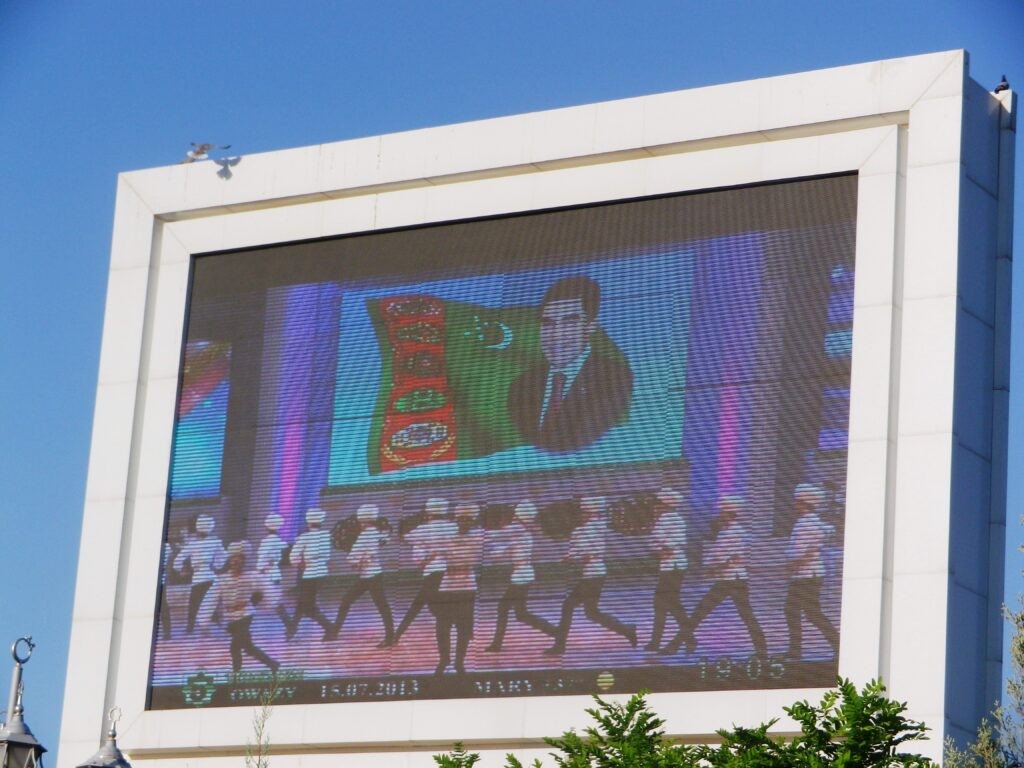
The Russian Foreign Ministry has issued a statement following a controversial article in Nezavisimaya Gazeta that drew criticism from the Turkmen leadership. On January 12, the newspaper published an article titled "Neutrality Turned Out to Be an Excuse for Strengthening the Personality Cult of the 'Second Turkmenbashi.'" The piece compared former president Gurbanguly Berdimuhamedov to his predecessor, Saparmurat Niyazov, who was the subject of a personality cult during his rule over Turkmenistan from 1985 to his death in 2006. Niyazov often called himself "Turkmenbashi" (father of the Turkmen). The Nezavisimaya Gazeta article quoted Arkady Dubnov, an expert on post-Soviet affairs, in relation to a meeting of the Organizing Committee for the 30th anniversary of Turkmenistan's neutrality. During the event, Turkmen Foreign Minister Rashid Meredov reportedly referred to Berdimuhamedov as the “father of the nation.” Dubnov, a critic of authoritarian regimes, remarked that the event symbolized “the birth of another father of the nation on the ruins of the USSR.” The article was subsequently removed from Nezavisimaya Gazeta's website, but not before it provoked discontent in Ashgabat. In response, the Russian Foreign Ministry issued a clarification. In a statement on its official website, the ministry emphasized that "The assessments given in the article have nothing in common with the official position of Russia and do not reflect the high status of ties between our friendly countries." This incident highlights a pattern in which the Russian Foreign Ministry has distanced itself from media outlets over publications that anger foreign governments. Similar cases have occurred in the past, underscoring the delicate balancing act Moscow maintains with its partners in post-Soviet space.

Mirziyoyev Invites Trump to Visit Uzbekistan

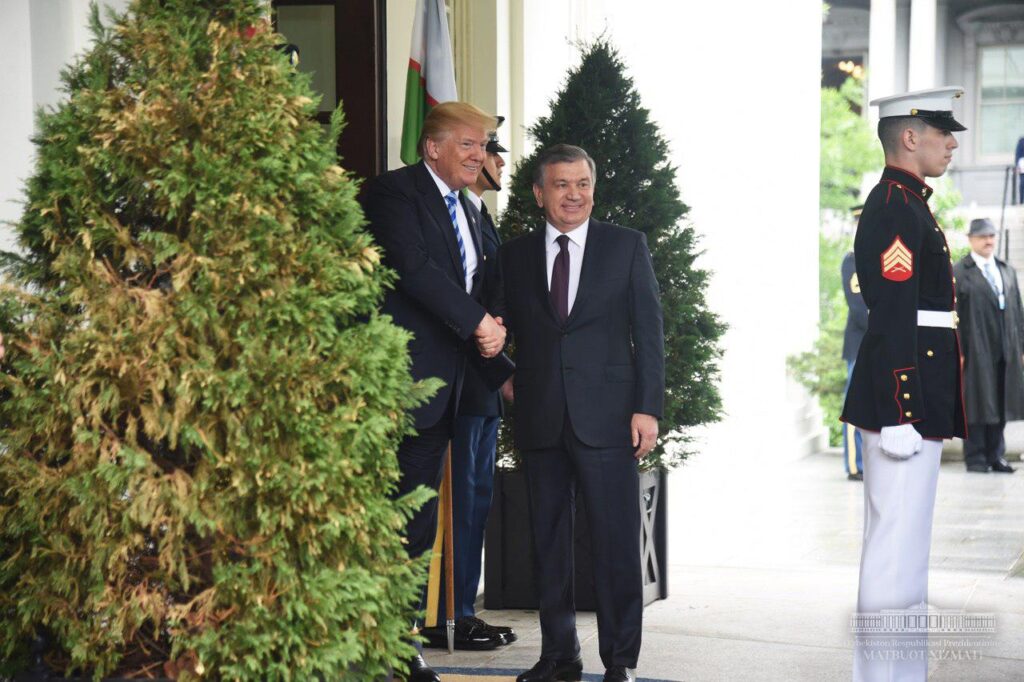
Uzbekistan’s President Shavkat Mirziyoyev has extended his congratulations to Donald Trump on his inauguration as the 47th President of the United States by inviting him to visit Uzbekistan. Mirziyoyev's press secretary, Sherzod Asadov, made the announcement. Republican candidate Donald Trump won the November 2024 U.S. presidential election and was sworn into office on January 20, 2025. In his congratulatory letter, Mirziyoyev expressed confidence that the United States, under Trump’s leadership, would continue to enhance its global influence and prestige. He commended the country’s economic strength and vital role in international affairs. The letter also highlighted Uzbekistan’s appreciation for the United States’ consistent support of its independence, sovereignty, and territorial integrity. Mirziyoyev voiced optimism for a new era of strategic partnership between the two nations during Trump’s presidency. He stressed the importance of deepening bilateral ties and expanding collaboration through bilateral and multilateral platforms. President Mirziyoyev also invited Trump to visit Uzbekistan, a gesture aimed at strengthening the relationship between the two countries. Mirziyoyev visited the United States in 2018 during Trump’s previous term as president. When the two leaders met at the White House, Trump remarked on Uzbekistan’s growing influence: “The authority of Uzbekistan is growing. It’s an honor for us to meet with you in the White House.” In addition to Uzbekistan, other Central Asian leaders congratulated Trump on his inauguration. Kazakhstan’s President Kassym-Jomart Tokayev sent a telegram expressing confidence in the continued development of mutually beneficial cooperation between Kazakhstan and the United States, particularly concerning energy, nuclear non-proliferation, and international security.

Afghanistan as Part of Central Asia: Expectations, Reality, Challenges, and Threats

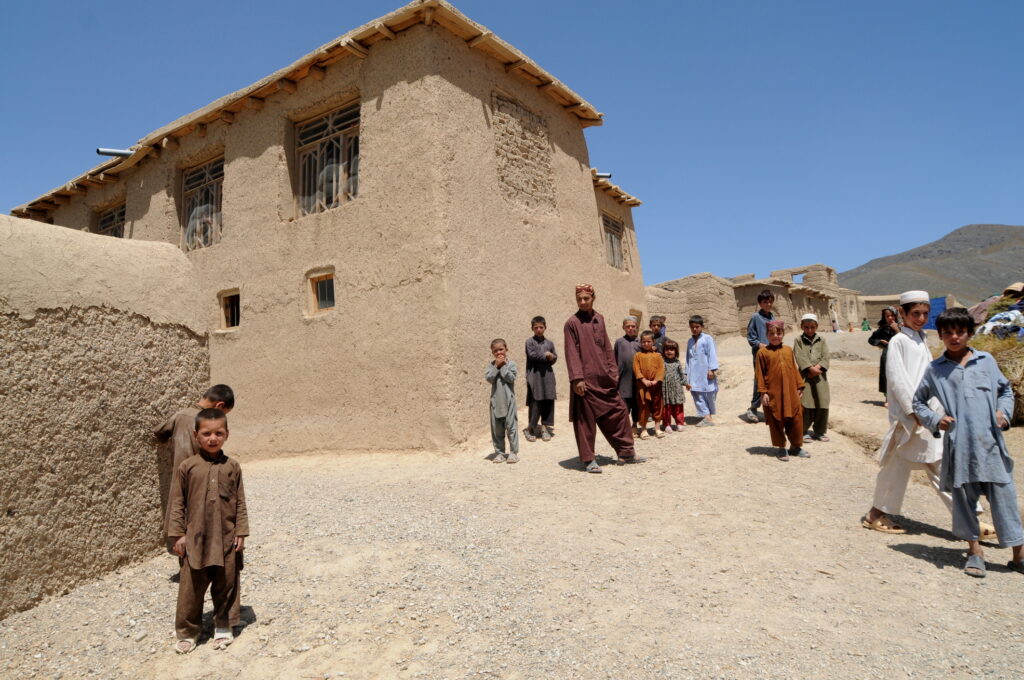
Afghanistan has increasingly been regarded in expert and journalistic circles as part of Central Asia, which is justifiable from a physical-geographical perspective. However, given current regional realities, it is still premature to classify the country as part of Central Asia in terms of being internationally recognized as such. The outcome of the 19th-century rivalry between the British and Russian Empires for influence in Central Asia, known as the "Great Game," not only established the modern southern borders of the region but also set Afghanistan and its northern neighbors on entirely different social and historical paths. The countries differ in value systems, ideologies, public consciousness, and, of course, economic development. At the same time, experts from the Russian Institute for Central Asian Studies note that "In the early 21st century, approaches to analyzing regional realities shifted towards geo-economics. The spatial dimension of Central Asia began to be seen as a zone for pipeline transit." This perspective is hard to argue against — Afghanistan’s current geopolitical interests and challenges are largely tied to the economic interests of countries at the regional level. This includes India, Iran, China, the UAE, Pakistan, Russia, Turkey, and the Central Asian states, for whom Afghanistan's prospects are evident. Chiefly, these prospects concern its transit potential as a territory connecting various parts of Asia. Four out of the six logistics corridors under the Asian Development Bank’s Central Asia Regional Economic Cooperation Program (CAREC) pass through Afghanistan into Uzbekistan, Tajikistan, and Turkmenistan. Other relevant projects include the "China–Pakistan Economic Corridor" under the "One Belt One Road" initiative, the "Trans-Afghan Corridor," and the TAPI Gas Pipeline. However, Afghanistan's current situation, particularly given the stagnant Afghan-Pakistani conflict, casts doubt on the feasibility of these and other major projects involving Afghanistan. As previously stated by TCA, the future of these large-scale projects involving Central Asian countries, as well as regional stability, a fundamental condition for steady economic development, depends directly on whether an understanding is reached between these two nations. Thus, a geo-economic approach to redefining Central Asia’s new boundaries still requires a different reality. Meanwhile, within Central Asia itself, there is little enthusiasm for political rapprochement with Taliban-ruled Afghanistan. The primary focus is on trade/economic and humanitarian cooperation, with no broader agenda, particularly at a regional level. Tajikistan’s position is significant here, as its authorities continue to view the Taliban as a threat and tread cautiously in building relations with them.  What Prevents Central Asian Countries from Accelerating Relations with Afghanistan? The answers lie not only in different developmental trajectories and scenarios. First and foremost, Afghanistan is still associated with "uncertainty" and numerous risks, particularly in terms of security. According to many assessments, the Afghan-Pakistani zone will, in the long term, remain a source of terrorist and religious-extremist threats to Central Asia. These conclusions are based on a retrospective analysis of escalating tensions, current processes in Afghanistan, and the geopolitical confrontation of global powers in the area. For example, the Soviet invasion in 1979 fostered the consolidation of the Afghan mujahideen,...

Iranian President Honored as Professor at Tajik Medical University

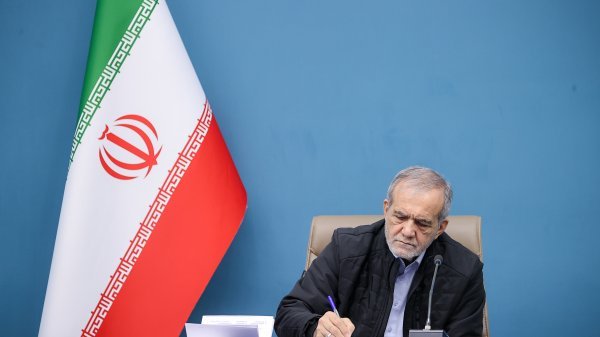
The President of Iran, Masoud Pezeshkian, has been awarded the title of honorary professor by Avicenna Tajik State Medical University, according to the Khovar news agency. On January 16, during his first state visit to Tajikistan, Pezeshkian, accompanied by Tajik Prime Minister Kohir Rasulzoda, toured the university. He met with faculty members and learned about the institution’s achievements, including advancements made at its Simulation Center. In a special ceremony, Pezeshkian received the title of honorary professor in recognition of his significant contributions to medical science and his efforts to foster cooperation in training skilled medical specialists. Expressing his gratitude, Pezeshkian thanked the people of Tajikistan for their warm hospitality and highlighted the importance of strengthening partnerships in healthcare, stating, “We are ready to enhance cooperation in healthcare, including sharing expertise in pharmaceuticals, surgery, and medicine.” Pezeshkian concluded his visit to the university by signing the guest book. This is Pezeshkian's first state visit to Tajikistan. Upon his arrival on January 15, he was welcomed personally by Tajik President Emomali Rahmon at Dushanbe International Airport.

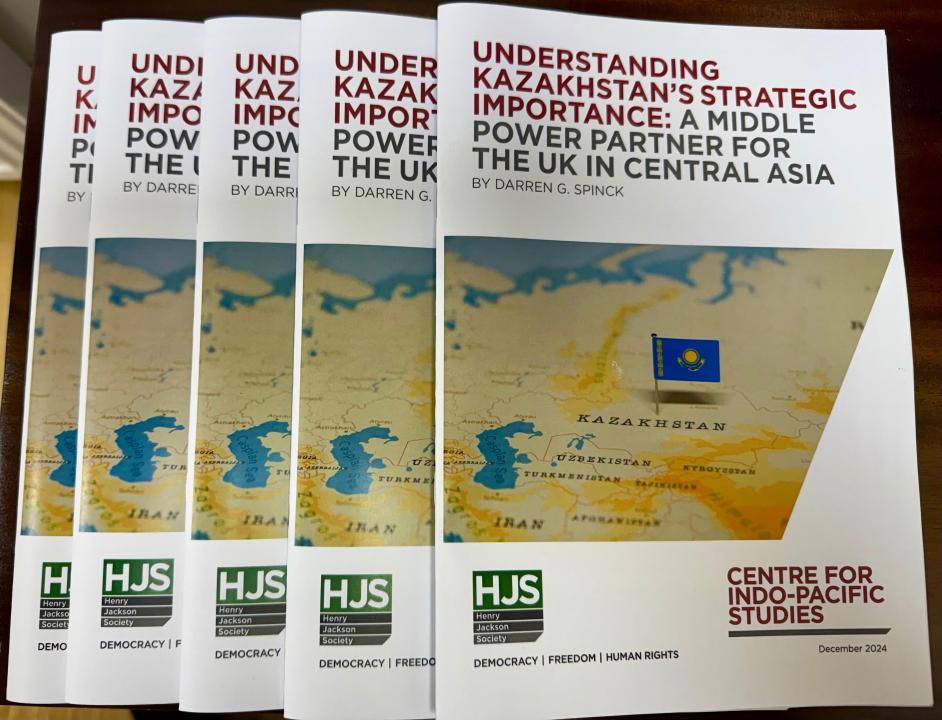
British Think Tank: Kazakhstan is a Key Strategic Partner for the UK

On December 10, the British think tank the Henry Jackson Society presented its research report, “Understanding Kazakhstan’s Strategic Importance: A Middle Power Partner for the UK in Central Asia,” in the UK Parliament. The event was attended by members of both houses of the British Parliament and featured speeches by prominent figures, including Nusrat Ghani MP, Principal Deputy Speaker of the House of Commons; Magzhan Ilyassov, Ambassador of Kazakhstan to the United Kingdom; Darren Spinck, the report’s author and associate research fellow at the Henry Jackson Society; Ekaterina Miroshnik, Director for Eurasia Infrastructure at the European Bank for Reconstruction and Development (EBRD); and Enzo Satkuru-Granzella, business analyst at the UK Critical Minerals Association. Exploring Kazakhstan’s Strategic Role Darren Spinck emphasized that the report examines Kazakhstan’s evolving role as a middle power on the international stage, highlighting its advancements in political reforms and sustainable economic development. It also explores opportunities for enhancing trade and investment between the UK and Kazakhstan, particularly in critical minerals and transit-transport routes. The report includes recommendations for the British Government and Parliament to strengthen this partnership. Nusrat Ghani MP shared her personal efforts to deepen UK-Kazakh relations during her time as Business and Trade Minister (2022–2024) and Minister of State at the Foreign Office (2024). She expressed confidence that the report would provide members of Parliament with valuable insights into Kazakhstan’s importance as a global actor and as a key partner for the UK in Central Asia. Kazakhstan’s Global Diplomacy and Strategic Partnerships Ambassador Magzhan Ilyassov highlighted Kazakhstan’s balanced, multi-vector foreign policy, which aims to safeguard national interests while promoting global security and dialogue. He provided updates on Kazakhstan’s international initiatives, including efforts on nuclear non-proliferation, the proposal to establish an International Agency for Biological Safety (IABS), and the creation of a UN Regional Hub for Sustainable Development Goals (SDGs) in Central Asia and Afghanistan. Ekaterina Miroshnik from the EBRD underscored Kazakhstan’s role in the Trans-Caspian International Transport Route (TITR), also known as the Middle Corridor. This trade route connects China with Europe and strengthens economic ties between Europe, Central Asia, and China. She highlighted the EBRD’s involvement in Middle Corridor projects, which are key to improving regional trade infrastructure. Enzo Satkuru-Granzella of the UK Critical Minerals Association noted Kazakhstan’s vast potential to contribute to the global supply chain of critical minerals. With its rich resource base, well-developed infrastructure, and skilled workforce, Kazakhstan is poised for long-term collaboration. He pointed to the Roadmap on critical minerals, signed between Kazakhstan and the UK in March 2024, as a solid foundation for mutual cooperation. Strengthening Bilateral Relations Participants at the event acknowledged Kazakhstan’s increasing geostrategic importance as a middle power and explored new avenues for strengthening ties between the two nations. A significant milestone in the bilateral relationship was the Strategic Partnership and Cooperation Agreement, signed by Kazakhstan’s Foreign Minister Murat Nurtleu and the UK’s David Cameron in Astana on April 24, 2024. Great Britain remains one of Kazakhstan’s top foreign investors. Since 2005, the UK has invested...