• KGS/USD = 0.01144 0%
  • KZT/USD = 0.00205 0%
  • TJS/USD = 0.10785 0.09%
  • UZS/USD = 0.00008 0%
  • TMT/USD = 0.28571 0.28%
  • KGS/USD = 0.01144 0%
  • KZT/USD = 0.00205 0%
  • TJS/USD = 0.10785 0.09%
  • UZS/USD = 0.00008 0%
  • TMT/USD = 0.28571 0.28%
  • KGS/USD = 0.01144 0%
  • KZT/USD = 0.00205 0%
  • TJS/USD = 0.10785 0.09%
  • UZS/USD = 0.00008 0%
  • TMT/USD = 0.28571 0.28%
  • KGS/USD = 0.01144 0%
  • KZT/USD = 0.00205 0%
  • TJS/USD = 0.10785 0.09%
  • UZS/USD = 0.00008 0%
  • TMT/USD = 0.28571 0.28%
  • KGS/USD = 0.01144 0%
  • KZT/USD = 0.00205 0%
  • TJS/USD = 0.10785 0.09%
  • UZS/USD = 0.00008 0%
  • TMT/USD = 0.28571 0.28%
  • KGS/USD = 0.01144 0%
  • KZT/USD = 0.00205 0%
  • TJS/USD = 0.10785 0.09%
  • UZS/USD = 0.00008 0%
  • TMT/USD = 0.28571 0.28%
  • KGS/USD = 0.01144 0%
  • KZT/USD = 0.00205 0%
  • TJS/USD = 0.10785 0.09%
  • UZS/USD = 0.00008 0%
  • TMT/USD = 0.28571 0.28%
  • KGS/USD = 0.01144 0%
  • KZT/USD = 0.00205 0%
  • TJS/USD = 0.10785 0.09%
  • UZS/USD = 0.00008 0%
  • TMT/USD = 0.28571 0.28%

Viewing results 1 - 6 of 24

Tajikistan Shuts Down Counterfeit Children’s Medicines Operation

Law enforcement authorities in Dushanbe have shut down an underground operation that allegedly produced counterfeit pharmaceutical products, including medicines intended for children. According to the Dushanbe police department, the seized products included syrups sold under well-known brands including Nurofen, Paracetamol, Lazolvan, Theraflu, and others. Authorities said the products were manufactured in unsanitary conditions and distributed with falsified branding. During searches, police confiscated around 35,900 bottles of syrup, more than 405,000 packages and labels, over 600 kilograms of raw materials, and equipment allegedly used in the production process. A 42-year-old Dushanbe resident, Otabek Dadachonov, has been detained on suspicion of organizing the illegal operation. The Interior Ministry said he had previously been convicted of several economic crimes. Several alleged accomplices were also detained and are accused of helping produce packaging and distribute the counterfeit medicines. Investigators said the group operated through officially registered companies but did not have the licenses required to carry out pharmaceutical activity. Dushanbe police warned that the distribution of such counterfeit medicines could pose a serious threat to public health, especially for children. A criminal case has been opened under several articles of Tajikistan’s Criminal Code. The investigation is ongoing.

Dushanbe Considers Waste-to-Energy Plant as Part of Green Development Strategy

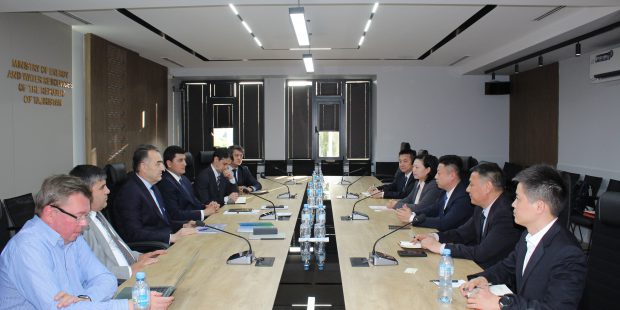
Authorities in Tajikistan’s capital are considering the construction of a modern waste-to-energy facility that would process municipal solid waste while generating electricity, as part of efforts to develop more sustainable urban infrastructure. The proposal was discussed during talks between Tajikistan’s minister of energy and water resources, Daler Juma, and Environmental Protection Committee chairman Bahodur Sheralizoda, and representatives of the Chinese company Wangneng Environment, which specializes in waste treatment and energy recovery technologies. The parties explored the possibility of introducing municipal waste-processing technologies, including electricity generation through waste incineration and other forms of energy recovery. Such systems are used in a number of major cities in Asia and Europe as part of broader waste-management and urban sustainability policies. For Dushanbe, the project is gaining importance as the city’s population continues to grow and household waste volumes increase. Experts note that the existing landfill-based waste-management system is gradually becoming inadequate for the needs of a rapidly expanding urban center, particularly amid rising environmental pressures and limited land resources. If implemented, the facility could address several challenges at once by reducing the volume of waste sent to landfills, improving environmental and sanitary conditions, and adding to the capital’s electricity-generating capacity. The initiative is also being presented as one element of Tajikistan’s push to promote environmentally sustainable economic growth and expand the use of green technologies. In recent years, the country has supported international initiatives focused on climate adaptation, sustainable resource management, and cleaner energy development. Environmental and economic specialists note that waste-to-energy projects can help reduce pressure on landfills while providing an additional source of electricity for fast-growing cities. At the same time, they say strict environmental safeguards, modern filtration systems, and transparent monitoring would be essential to minimizing air pollution and ensuring compliance with international standards. Following the discussions, the parties expressed their willingness to continue consultations on the project. Key parameters of the proposed facility, including waste-processing capacity, electricity generation volumes, environmental requirements, and financing mechanisms, are expected to be determined during the next stages of negotiations.

Tajikistan Receives Nearly $1.9 Million in U.S. Medical Equipment

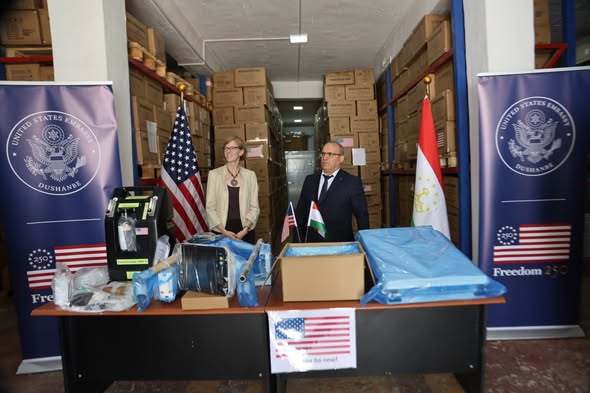
Tajikistan has received nearly $1.9 million worth of medical equipment under a healthcare cooperation program with the United States, with the main focus on improving emergency care, supporting maternity hospitals, and reducing infant mortality. According to Tajikistan’s Ministry of Health, the equipment was delivered as part of the Global Health Supply Chain Program - Procurement and Supply Management (GHSC-PSM). The total value of the shipment exceeded $1.87 million. The handover ceremony took place in Dushanbe and was attended by First Deputy Minister of Health and Social Protection Salomuddin Yusufi and Carson Relitz Rocker, chargé d’affaires at the U.S. Embassy in Tajikistan. Officials said particular emphasis would be placed on equipping healthcare facilities with oxygen delivery systems and neonatal resuscitation equipment. Authorities expect the new supplies to improve the quality of emergency medical care and reduce health risks for mothers and infants. Part of the equipment has already been installed in five maternity hospitals and 11 additional medical facilities across the country. Representatives of the Health Ministry said the new equipment is especially important for intensive care and resuscitation units, where timely oxygen delivery and specialized care directly affect patient survival rates. They described the transfer as another example of long-term U.S. support for Tajikistan’s healthcare system. According to Yusufi, medical cooperation between the U.S. and Tajikistan has continued for many years and spans a wide range of areas, including equipment supplies, efforts to combat infectious diseases, sanitary and epidemiological safety, healthcare infrastructure modernization, and the training of medical personnel. Authorities in Tajikistan also expressed hope for further expansion of cooperation following the signing of a new memorandum of understanding between the country’s Ministry of Health and Social Protection and the U.S. Embassy in Tajikistan.

Dushanbe Students Face Expulsion for Driving Private Vehicles to University

Seven students in Dushanbe face possible expulsion for up to three years after police conducted raids targeting university students who arrived for classes in private vehicles. The inspections were announced by the city’s Interior Ministry department, which said officers from the department for the prevention of youth-related offenses conducted raids near universities in the capital and recorded seven cases of students arriving on campus in their own cars. “Under current legal regulations and an order issued by the Ministry of Education and Science of the Republic of Tajikistan, students are strictly prohibited from arriving at classes in private vehicles,” the statement said. “However, some students deliberately ignore this requirement in an attempt at self-display.” Police said the students attend institutions including Tajik National University, Russian-Tajik Slavonic University, the Academy of Public Administration under the President of Tajikistan, and the Tajik State University of Commerce. Authorities stated that case materials have already been forwarded to the Education Ministry and university administrations for further action. Under existing regulations, students who arrive at classes in private vehicles can be expelled for up to three years without the right to reinstatement. Similar incidents have occurred previously in Dushanbe. Earlier, Tajik National University student Fazliddin Bakhriev faced possible expulsion after arriving at the university in a Range Rover. No final decision in that case was publicly announced. The ban on students and schoolchildren using private cars has been in force in Tajikistan since 2017, and police regularly conduct raids near educational institutions to identify violations. Authorities justify the restrictions partly on safety grounds, arguing that young drivers are disproportionately involved in traffic accidents. Officials have also framed the issue as a social concern, saying that luxury vehicles parked outside schools and universities are viewed as displays of wealth and status that contradict principles of equality among students.

Fuel Prices Surge in Tajikistan Amid Middle East Conflict

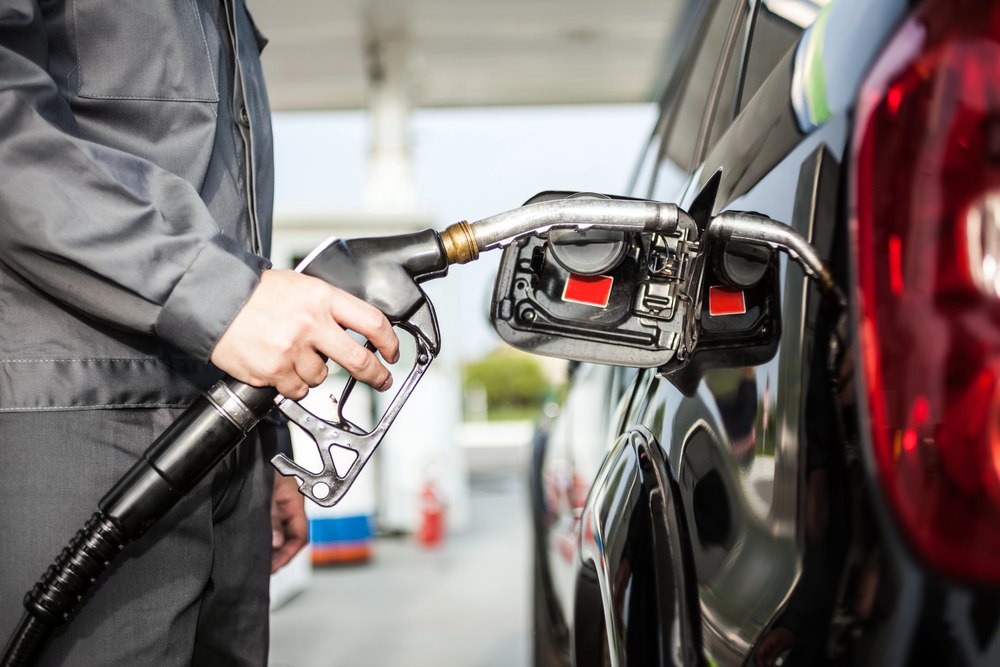
Fuel prices at gas stations in Dushanbe have risen sharply since early March, increasing on average by 8-9%. The increase has been driven by domestic factors as well as adverse developments in the global energy market. The most widely used AI-92 gasoline has risen in price from $1.05 to $1.13 per liter. Diesel has followed a similar trend, increasing from $1.14 to $1.24 per liter. Prices for liquefied petroleum gas (LPG) have risen more modestly, by about 6%, to $0.62 per liter. Prices also vary by location, with drivers noting that fuel in central Dushanbe is traditionally more expensive than in outlying areas. Suppliers attribute the increases to higher prices from producers, but the situation largely depends on external supply chains. Russia remains the primary source of petroleum products for Tajikistan. In 2025, the country imported more than 1.2 million tonnes of fuel and LPG from Russia, accounting for over 70% of total imports. Supplies also come from Kazakhstan, Uzbekistan, and Turkmenistan, though their share is significantly smaller. According to official statistics, Tajikistan imported more than 325,000 metric tons of petroleum products in the first quarter of this year, valued at over $251 million, or approximately $772 per metric ton. Compared with the same period last year, import volumes increased by 11.4%, while their total value rose by 8.6%. Experts say external factors are the main driver of rising prices. They point to international media reports that the conflict involving the United States, Israel, and Iran has triggered a chain reaction in the fuel market, affecting the supply chain from crude oil to refining and retail prices. A key factor has been disruption in the Strait of Hormuz, through which roughly 20% of global oil supplies pass. At the same time, price trends have varied significantly across countries. Al Jazeera reported that fuel prices rose by nearly 70% in Cambodia, 50% in Vietnam, 35% in Nigeria, 33% in Laos, and 28% in Canada. In Central Asia, however, price increases have been more moderate, ranging from 2% to 5% in March and April. In Uzbekistan and Turkmenistan, prices have remained largely stable, which analysts attribute to pricing policies by Russian producers and the availability of domestic fuel supplies.

Son of Former Minister Faces 7-day Administrative Arrest Following Dushanbe Restaurant Altercation

A clash at the Bukhoro-Palace Restaurant in Dushanbe led to the detention of four individuals, including Alisher Gulov, the 25-year-old son of former Minister of Energy and Industry Sherali Gul, and Sherdil Sirojev, son of a prominent Tajik businessman linked to the Jal-Jam bazaar's demolition in 2019. The Dushanbe Police Directorate's official website disclosed this incident on December 1, noting the involvement of Alisher Gulov and Sirojev in a major altercation that occurred on the night of November 30. The detained individuals, comprising Alisher Gulov, Rahmon Mahmadbekov (26), Jasour Khojayev (26), and Suhrob Sharipov (27), all residents of Dushanbe, were confirmed to be in a state of inebriation following a medical examination, as per the official statement. In adherence to Article 460 of the Administrative Code, classifying disorderly conduct, authorities filed an administrative offense report against them, subsequently transferring the case to a Dushanbe court located in the Ismoili Somoni district. Each individual received a reported sentence of seven days of administrative arrest. Reports from Radio Liberty's Tajik Service, known locally as Radio Ozodi, shed light on the confrontation between Alisher Gulov, an Interior Ministry officer, and Sherdil Sirojev. This altercation resulted in injuries sustained by two associates of Gulov, along with Sirojev and his friend Mirsaid, who were subsequently admitted to a hospital for treatment.