Viewing results 1 - 6 of 190
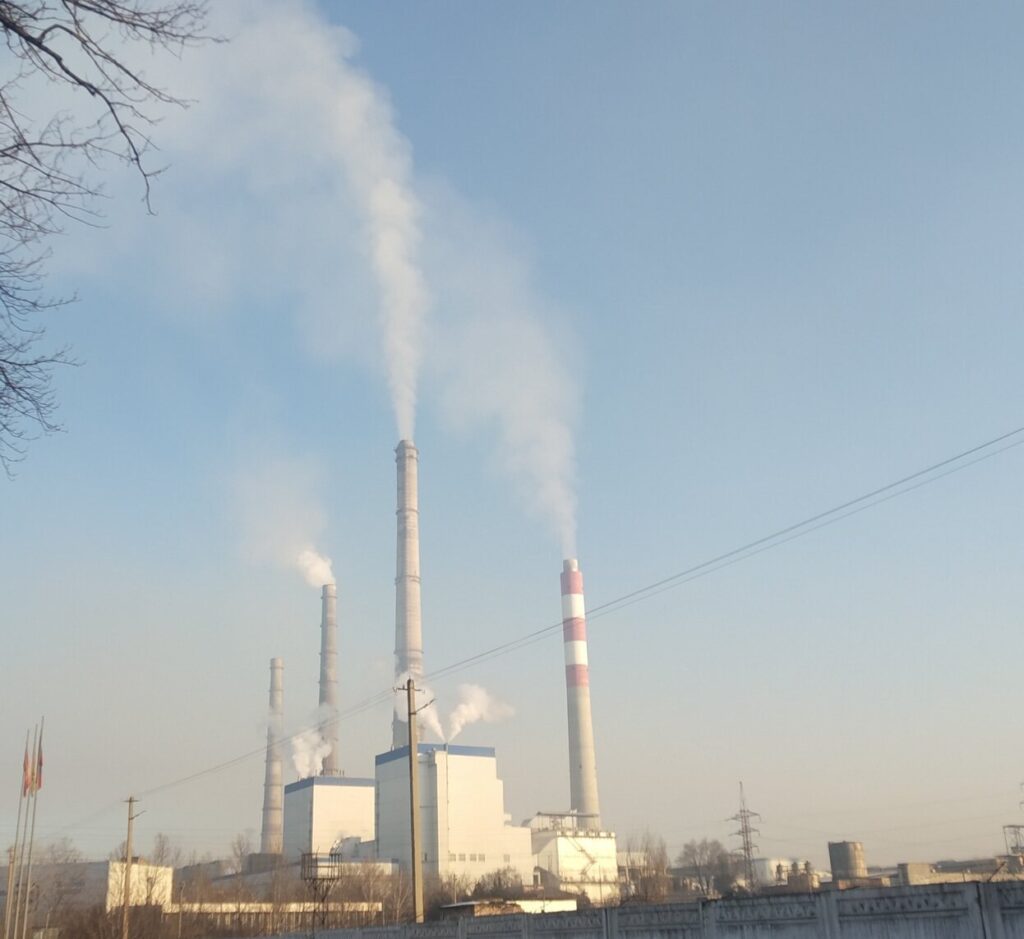
Since July, some 350 specialists from China’s Tebian Electric Apparatus Stock Co. Ltd. (TBEA) have been carrying out a full overhaul of two power generating units at the Bishkek Thermal Power Plant (TPP), Taalaibek Baigaziyev, Deputy Mayor of Bishkek for Energy Issues, told Birinchi Radio. The Bishkek TPP generates 13% of all electricity produced in Kyrgyzstan (with the rest generated by hydropower plants) and provides heat and hot water to almost two-thirds of the capital. TBEA built the two power units that are currently under repair as part of the Bishkek TPP modernization that commenced in 2014. Following a loan agreement between China’s Export-Import Bank and the Kyrgyz government in 2013, TBEA was granted the contract and modernized the plant for $386 million. According to Baigaziyev, these two Chinese power units were commissioned in 2017 and were not repaired until this July. In past winters, they worked with a maximum load of 210 megawatts. This winter, their capacity is planned to increase to 300 megawatts. The Bishkek TPP has seen two significant accidents in recent years. One accident occurred in January 2018, when the plant’s breakdown left the city without heating for three days amid freezing air temperatures. The most recent accident happened on February 2 of this year, in the old part of the power plant that the Chinese did not modernize. An explosion at the plant seriously injured three people. It caused the plant’s breakdown, forcing authorities to declare hot water and heating restrictions in some parts of the city as the plant’s staff worked to repair the damage. Following the accident, Kyrgyzstan’s president Sadyr Japarov ordered the complete modernization of the aging thermal power plant.
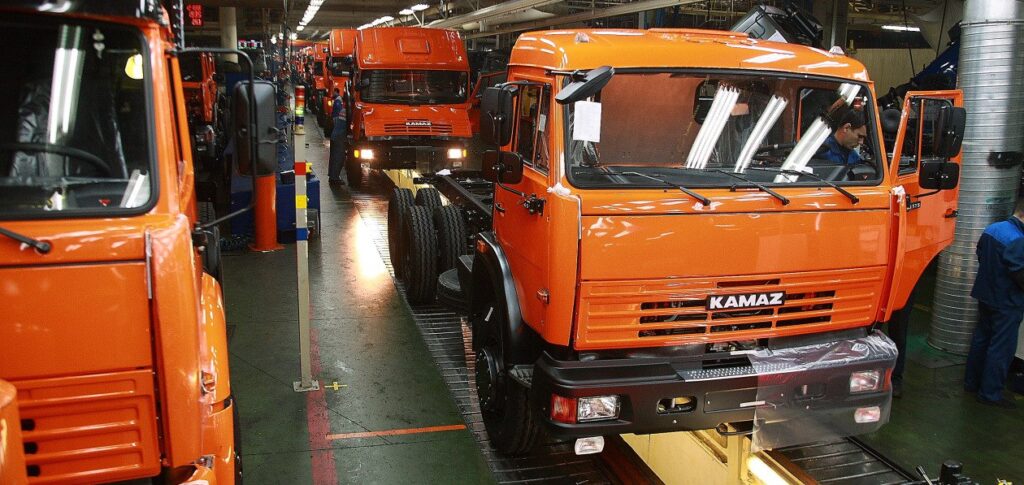
On August 27, at a meeting of the Turkmenistan-Tatarstan joint working group on trade-economic, scientific-technical, and cultural cooperation in Kazan (Republic of Tatarstan, Russian Federation), it was announced that Turkmenistan and Tatarstan's 's trade turnover has increased by 13.4%, amounting to $52.3 million, largely due to the import of products to Turkmenistan. However, the Turkmen Minister of Finance and Economy, Serdar Joraev, stated that this is still two times lower than 2019's numbers. Deputy Prime Minister and Minister of Industry and Trade of Tatarstan, Oleg Korobchenko confirmed the overall decline in trade turnover, with both parties calling for a joint solution. During the meeting, the participants discussed Turkmenistan's debt, which arose due to problems with inter-bank settlements. Whilst both parties stated that this issue is under control and being resolved with the participation of the Central Banks of Turkmenistan and Russia, the total amount of debt remains unreported. Tatarstan companies in the fields of mechanical engineering and oil refining supply equipment and goods in Turkmenistan. In 2020, 852 Kamaz trucks, the second high-speed A145E marine motor ship, and more than $8 million worth of medicines and medical supplies were delivered to Turkmenistan from Tatarstan.
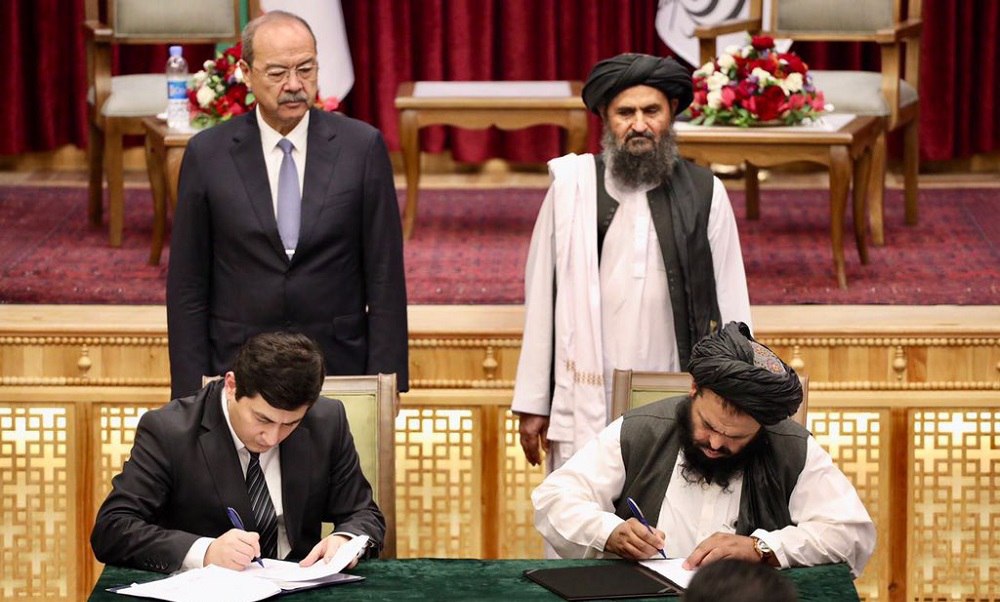
Afghanistan and Uzbekistan have signed five agreements related to mining projects in Afghanistan. The agreements are for the exploration of hydrocarbon fields in the Afghan-Tajik oil and gas basin, the development of copper and gold deposits in the Qandaran district of Zabul province, iron extraction in the Hesh district of Bamyan province, and hydrocarbon resources in the Tuti-Maidan district of Faryab province. There are also plans to build a 120-megawatt gas-fired power plant in Faryab province. These agreements, totaling $1.15 billion, were part of a more comprehensive package of 35 agreements and memorandums of understanding signed between the two countries. These agreements amount to an Uzbek investment in Afghanistan of over $2.5 billion. The latest round of cooperation points to the strengthening of economic ties between Tashkent and Kabul, which is especially important given the region's current geopolitical challenges and financial instability. These agreements can also significantly impact Afghanistan's economic development by providing needed resources and creating jobs in crucial regions of the country.
During a visit to Germany last week, Kazakhstan Deputy Prime Minister Kanat Bozumbayev met with the German Federal Ministry of Food and Agriculture to discuss the possibility of Kazakh agricultural and organic products entering the German market. The parties agreed to draft a concept for the Regional Center for Sustainable Agriculture in Central Asia, an initiative announced by the President of Kazakhstan during his official visit to Germany back in September 2023. Following Kazakh Deputy Prime Minister's meeting with Boris Greifeneder, Managing Director of the German Water Partnership (GWP), a decision was made to draft an Agreement on a Water Partnership between Kazakhstan and Germany. Cooperation with GWP, a network of more than 300 companies in the water sector with a strong international focus, marks an essential step towards sustainable and efficient water management in Kazakhstan and will allow the use of proven new technologies. Speaking at the roundtable "Water for Sustainable Development," Bozumbayev noted that the consequences of the unprecedented floods experienced by Kazakhstan in spring, illustrate the need for innovative approaches to combat and prevent similar disasters in the future. To this end, he added that Kazakhstan is currently testing Talsim, a German digital flood forecasting solution, and is ready to study German cases in solving flood problems. The Kazakh Deputy Prime Minister discussed training specialists for Kazakhstan’s water management industry and in turn, the German side expressed its readiness to identify a university to collaborate with the newly- established Kazakh National University of Water Management and Irrigation in Taraz.
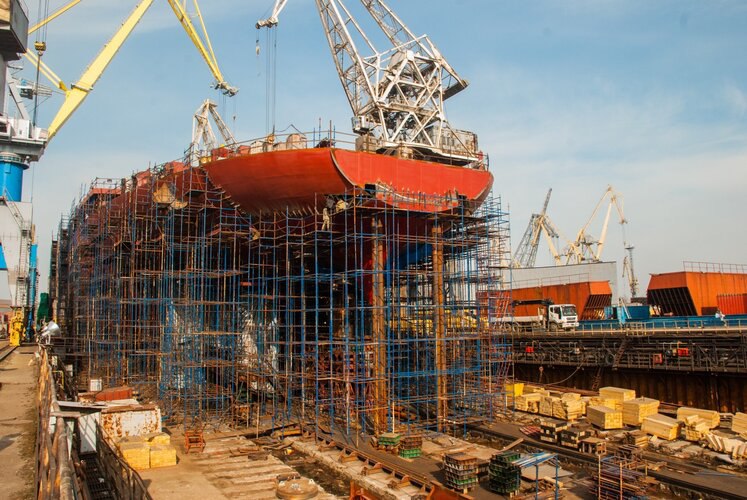
Kazakhstan plans to expand its maritime fleet by building seven new vessels on the Caspian Sea. These vessels will be three tankers, two ferries, and two container ships. The construction of the vessels is part of a broader strategy to develop Kazakhstan's transportation and logistics infrastructure, which will strengthen its position on the Caspian Sea. Today, Kazakhstan's merchant fleet consists of 17 vessels: 10 tankers, four dry bulk carriers, and three container ships. In December 2023, KazMunayGas and Abu Dhabi Ports Group signed an agreement to establish a ship repair and shipbuilding yard in Kazakhstan. This project will provide the necessary base for the repair and construction of new vessels, which will increase the competitiveness of Kazakhstan's fleet on a global level. In addition, Kazakhstan continues to strengthen its ties with Azerbaijan. Tankers have already been purchased to transport oil from Kazakhstan to Azerbaijan for subsequent shipment via the Baku-Tbilisi-Ceyhan oil pipeline. This cooperation will diversify export routes and ensure the stability of supplies. Turkey has become another significant partner of Kazakhstan in shipbuilding. Under an agreement with Turkish companies, new vessels will be built, providing the country with additional opportunities to develop trade relations in the region. This project will also reduce Kazakhstan's dependence on Russia in shipbuilding, and strengthen its position in the Caspian Sea.
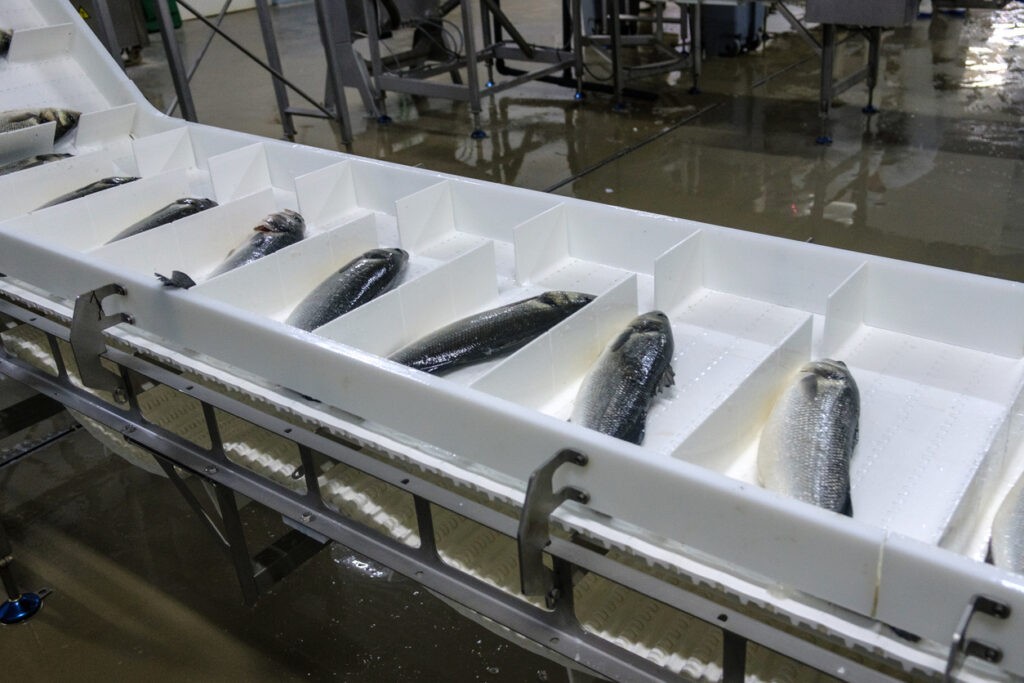
The Thai company Sea Value Plc. plans to build a plant in Kazakhstan to produce canned, processed fish, and frozen semi-finished products. The project was discussed during a meeting on August 14 in Astana between the Chairman of the Investment Committee of the Ministry of Foreign Affairs of Kazakhstan, Gabidulla Ospankulov, and the President of Sea Value, Dr. Poj Aramwattananont. As reported by the company Kazakh Invest, Sea Value is currently searching for a plot of land to start the project. Local fisheries are planned to supply fish for the new production, and the finished products will be exported to Thailand and other countries. The Thai company plans to invest $6 million in the construction of the plant, which will produce 3-5 tons of fish products per day. Sea Value is Thailand's second-largest producer of canned tuna, exporting products to 150 countries. In 2023, trade turnover between Kazakhstan and Thailand increased by almost 36%, reaching $367 million.