• KZT/USD = 0.00221
  • TJS/USD = 0.10830
  • UZS/USD = 0.00008
  • TMT/USD = 0.29760
  • KZT/USD = 0.00221
  • TJS/USD = 0.10830
  • UZS/USD = 0.00008
  • TMT/USD = 0.29760
  • KZT/USD = 0.00221
  • TJS/USD = 0.10830
  • UZS/USD = 0.00008
  • TMT/USD = 0.29760
  • KZT/USD = 0.00221
  • TJS/USD = 0.10830
  • UZS/USD = 0.00008
  • TMT/USD = 0.29760
  • KZT/USD = 0.00221
  • TJS/USD = 0.10830
  • UZS/USD = 0.00008
  • TMT/USD = 0.29760
  • KZT/USD = 0.00221
  • TJS/USD = 0.10830
  • UZS/USD = 0.00008
  • TMT/USD = 0.29760
  • KZT/USD = 0.00221
  • TJS/USD = 0.10830
  • UZS/USD = 0.00008
  • TMT/USD = 0.29760
  • KZT/USD = 0.00221
  • TJS/USD = 0.10830
  • UZS/USD = 0.00008
  • TMT/USD = 0.29760
18 October 2026

Viewing results 1 - 6 of 36

Central Asia Prioritizes Food Security Amid Shared Challenges

Food security remains a top priority for Central Asian nations, yet they face shared challenges that threaten regional stability. Deteriorating water resources, climate change, reliance on external food markets, and geopolitical pressures have intensified the need for regional cooperation in addressing these issues. Bilateral and Regional Efforts Talks between the presidents of Uzbekistan and Kazakhstan, Shavkat Mirziyoyev and Kassym-Jomart Tokayev, on August 8 underscored the importance of collaboration. The two leaders witnessed the signing of an agricultural cooperation agreement between their respective ministries. This followed Tokayev’s November 2022 visit to Tashkent, which was particularly productive in advancing food security. Agreements included joint production of mineral fertilizers and a bilateral cooperation program worth $1.3 billion aimed at boosting mutual trade and developing agricultural projects. Trade within Central Asia has grown significantly, with Uzbekistan’s trade volume with its neighbors nearly doubling between 2017 and 2019. Kazakhstan, the region’s leading grain supplier, plays a central role: • Uzbekistan accounts for 60% of Kazakhstan’s grain exports. • Tajikistan consumes 18%. • Kyrgyzstan takes 14%. • Turkmenistan absorbs 6%. Despite this growth, experts highlight the untapped potential for expanding trade and cooperation in agriculture. Common Challenges Food security challenges are compounded by shared threats, including demographic growth and dwindling water resources. The region’s population has reached 75.5 million, while irrigated land per capita has decreased by more than 25% over the past 15 years. Water availability in the Syr Darya and Amu Darya river basins—crucial for irrigating 10 million hectares - faces a projected 15% decline. This is exacerbated by the alarming retreat of glaciers that feed these rivers, jeopardizing long-term agricultural sustainability. The Need for Regional Solutions While each Central Asian country primarily relies on its resources to address food security, the interconnected nature of these challenges calls for a collective approach. Enhanced regional cooperation is essential to develop resilient agricultural systems, manage water resources effectively, and ensure sustainable growth in food production.
Uzbekistan Joins Global Alliance Against Hunger and Poverty

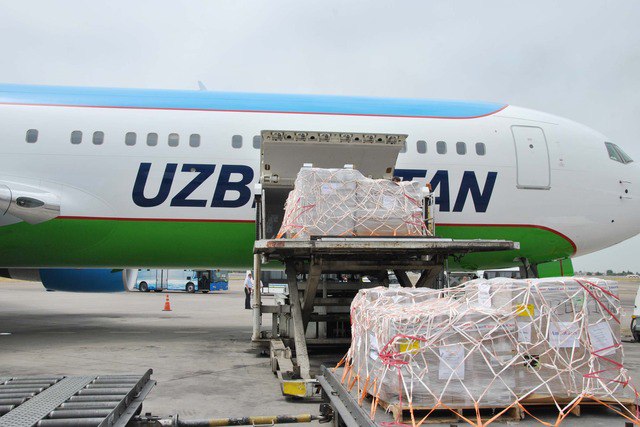
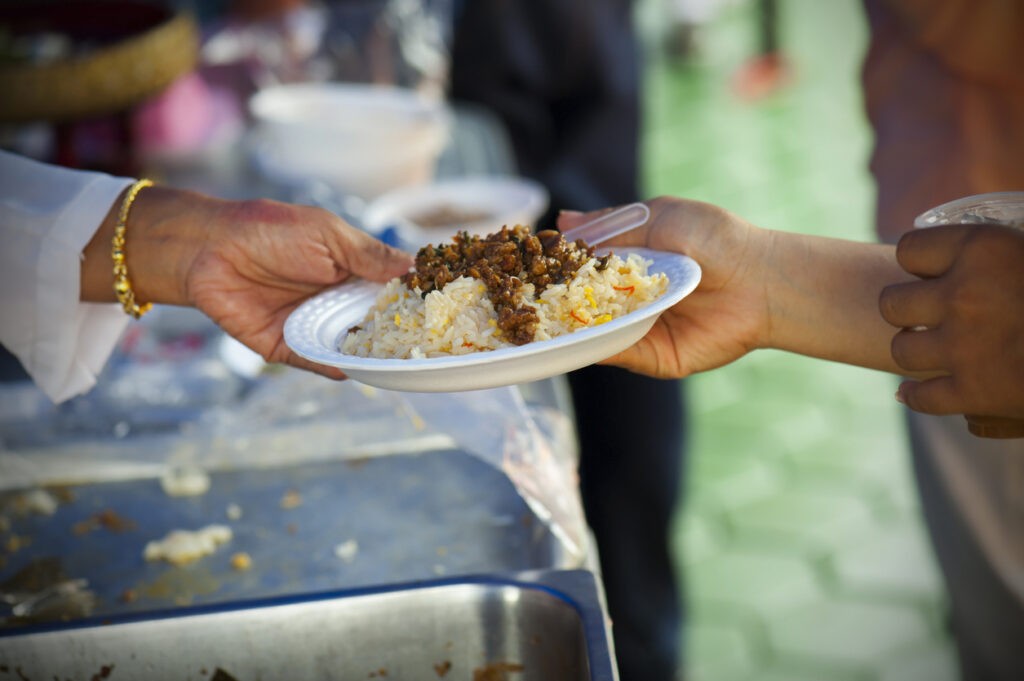
The Republic of Uzbekistan has officially become a member of the Global Alliance to Combat Hunger and Poverty, marking a significant step toward achieving the Sustainable Development Goals and enhancing global efforts to improve food security. This decision reflects Uzbekistan’s commitment to addressing pressing challenges related to hunger, poverty, and inequality on a global scale. By joining the alliance, the country gains access to valuable opportunities for knowledge exchange, international investment, and collaboration on joint programs with other nations and organizations. To date, over 100 countries have joined this initiative. Earlier, on October 9, the United States announced the delivery of 131 tons of food aid to Uzbekistan through USAID. The package, valued at over $435,000, includes vegetables and legumes intended to support more than 33,000 people across 145 facilities, including tuberculosis centers, orphanages, and psychiatric institutions. “At USAID, we collaborate with our partners to deliver life-saving food assistance to the most vulnerable communities in Uzbekistan. By addressing malnutrition and ensuring access to adequate, safe, and nutritious food, we empower individuals to lead healthy, productive lives and build a more stable and resilient world for everyone,” said Anjali Kaur, deputy assistant administrator of USAID’s Bureau for Asia.

Turkey Ready to Buy Kazakh Meat at Twice the Price Offered by China

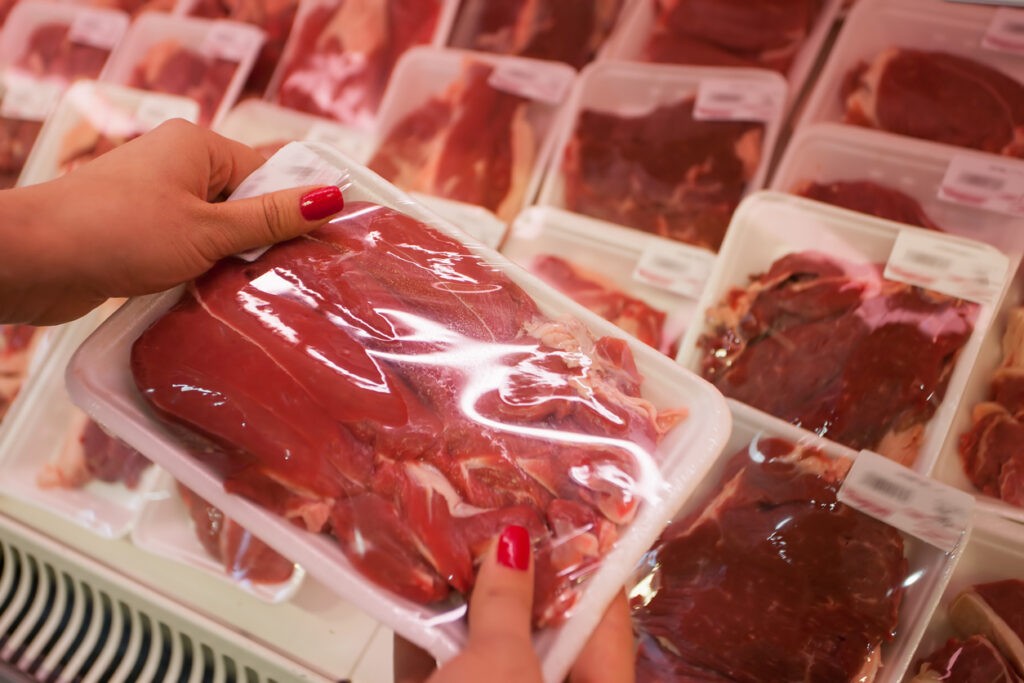
Kazakhstan's Ministry of Agriculture is actively working to open the Turkish market to Kazakh meat exports. Deputy Minister Amangaly Berdalin reported that Turkish partners are willing to pay twice as much for Kazakh beef as China. The Ministry of Agriculture has previously pursued access to the Chinese market for Kazakh livestock products. In February, Beijing lifted restrictions on Kazakh livestock imports, potentially enabling Kazakhstan’s southeastern regions to resume exports of frozen beef and pork to China. However, significant export volumes to China have yet to materialize. Maksut Baktibayev, head of the Meat Union of Kazakhstan, explained that the agreement between the countries only allows exports from four meat processing plants in Kazakhstan, with a combined capacity of 8,000 tons of frozen beef. According to Berdalin, Kazakh producers are not utilizing even this limited capacity due to uncompetitive pricing. Chinese buyers offer $5.5 per kilogram of Kazakh beef, which is comparable to prices in Kazakhstan’s domestic market, ranging from 2,700 to 3,000 tenge ($5.4 to $6.1) per kilogram. Given these figures, transporting Kazakh meat to China is economically unviable for producers. In contrast, Turkey is prepared to pay nearly double, or $11 per kilogram, for Kazakh beef. "Our ministry’s objective is to open as many markets as possible for our producers, particularly those offering attractive prices,” Berdalin stated at the Vet Astana 2024 International Exhibition on Feed and Veterinary in Astana. “That is why our inspectors are actively collaborating with Turkish officials to understand their export requirements.” Berdalin noted that while specific export volumes of Kazakh beef to Turkey are not yet determined, there is optimism following a recent diplomatic visit. In August, Kazakhstan’s Minister of Agriculture Aidarbek Saparov visited Ankara, where business representatives from both countries signed contracts to supply Kazakh meat to Turkey, valued at $80 million over the coming years, contingent on Kazakhstan’s successful completion of required veterinary and epidemiological procedures. The Turkish market has historically been closed to most Kazakh livestock products due to restrictions related to animal diseases, with some bans in place for approximately 20 years. Turkish authorities lifted these restrictions in June 2024. Kazakh producers are now navigating an extensive certification process to gain market access. Some required tests must be conducted in third countries, prompting Kazakhstan to rebuild its own laboratory capabilities. Berdalin shared that the Kazakh government has allocated 3.8 billion tenge ($7.7 million) this year to support veterinary laboratories. "To export to a country, we must meet all its import requirements. For instance, to export our honey, we need to conduct 43 specific tests. Currently, we handle 20 in-house, but the remaining 23 are outsourced to laboratories in Latvia and Georgia,” Berdalin explained. In addition to Turkey, the Ministry of Agriculture is working to open European markets for Kazakh meat. Last year, Kazakhstan exported over 53,000 tons of meat and meat products valued at $153 million. Poultry was the largest export category, at nearly 32,000 tons, followed by beef at 15,800 tons. Primary export destinations included Uzbekistan, the UAE, Kyrgyzstan, Iran,...

Tajikistan’s Acute Hunger Issue

Tajikistan has been recognized as the hungriest country among the former Soviet republics. According to the Global Hunger Index prepared by the International Food Policy Institute, 8.7% of the country's population faces food shortages, and ranked 65th out of 127 countries in the world, is on par with countries such as Nicaragua and Ghana. Lower index scores equal less food problems. Assessments of hunger are based on child mortality, stunting, and wasting and in recent years, Tajikistan has consistently ranked lowest among post-Soviet countries in the Global Hunger Index. Despite attempts to improve the situation, the country remains one of the most vulnerable in the region. Today, 18.4% of children under five are stunted due to malnutrition, 5.1% are wasted, and 3% of children do not survive to the age of five; all indicative of  serious food security problems in the country. According to the Global Hunger Index, malnutrition varies widely across the former Soviet Union. The best results are demonstrated by Uzbekistan, which ranks first among countries with minimal hunger issues. In the republic, less than 2.5% of the population faces food shortages. Stunting affects 6.5% of children; wasting ,2.4% of children, and infant mortality does not exceed 3.1%. Uzbekistan was the only Central Asian country to rank highly among the 22 former Soviet republics with the lowest hunger rates, including Belarus, Estonia, Latvia, Lithuania, Russia, and Georgia. Belarus and Lithuania consistently demonstrate a high level of food security, making them among the leaders of the former Soviet republics. Armenia and Kazakhstan, in contrast, rank 23rd and 25th, respectively, demonstrating moderate nutritional problems among the population. Moldova, ranked 26th, has a similar situation: malnutrition remains relatively low but requires attention. Kyrgyzstan ranks 36th and Ukraine 46th, indicating average hunger levels. Turkmenistan was ranked 50th. The situation is particularly dire in Africa, which tops the list of countries with the most significant hunger problems. South Sudan, Burundi, Somalia, Yemen, and Chad, recognized as the hungriest countries in the world, experience extremely high rates of child mortality and malnutrition among their populations.

USAID Delivers Food Aid to Vulnerable Groups in Uzbekistan

On October 9, the United States, through its Agency for International Development (USAID), announced it had sent 131 tons of food aid to Uzbekistan, worth over $435,000. The shipment includes a nutritious mix of vegetables and legumes for distribution to over 33,000 people in 145 facilities, including centers for long-term tuberculosis patients, orphanages, and psychiatric institutions. “At USAID, we collaborate with our partners to deliver life-saving food assistance to the most vulnerable communities in Uzbekistan. By addressing malnutrition and ensuring access to adequate, safe, and nutritious food, we are empowering individuals to lead healthy, productive lives and building a more stable and resilient world for everyone,” said Anjali Kaur, USAID’s Deputy Assistant Administrator of the Bureau for Asia. Since 2010, USAID’s International Food Relief Partnership program has provided 1,560 tons of food aid to Uzbekistan, worth about $4.5 million. The donated food will be distributed by the American non-profit organization Resource and Policy Exchange in collaboration with the international charitable foundation Sog’lom Avlod Uchun. USAID’s International Food Relief Partnership is part of a more extensive U.S. government program called 'Food for Peace'. Initiated in 1954 by President Dwight Eisenhower, the program illustrates USAID’s commitment to reducing hunger and malnutrition. In addition to providing food, USAID has allocated $6.1 million to expand educational programs in Uzbekistan.

Kyrgyzstan Produces All Potatoes, Vegetables, Fruit, and Milk It Needs

According to government data, of the eight basic socially significant food products in Kyrgyzstan, domestic production meets the demand only for potatoes, vegetables, fruits, and milk. The demand for bread and bakery products, meat, sugar, eggs, and vegetable (cooking) oil is partly satisfied with imports. This was announced at the Council on Food Security and Nutrition meeting on October 3. From January to July 2024, the levels of self-sufficiency were 86.5% for bread and bakery products, 162.8% for potatoes, 159% for vegetables and fruits, 79.1% for meat, 116.3% for milk, 49.2% for sugar, 71.4% for eggs, and 48.5% for vegetable oil. Kyrgyzstan imports food from Russia, Kazakhstan, Belarus, Uzbekistan, and China. At the meeting, Deputy Chairman of the Cabinet of Ministers - Minister of Water Resources, Agriculture and Processing Industry Bakyt Torobaev ordered additional measures to support agricultural production and incentivize local producers. Torobaev also announced the establishment of the Research Institute of Food Security and Nutrition, which will become a center of knowledge and innovation that will help improve the country's food security. The institute's creation will allow scientific research in agronomy and veterinary science and the development of recommendations for improving agricultural product production and processing technologies. It will also cooperate with international organizations and scientific institutions to implement the best global practices in food security.