
• KGS/USD = 0.01144 0%
  • KZT/USD = 0.00198 -0%
  • TJS/USD = 0.10901 0%
  • UZS/USD = 0.00008 0%
  • TMT/USD = 0.28490 0%
  • KGS/USD = 0.01144 0%
  • KZT/USD = 0.00198 -0%
  • TJS/USD = 0.10901 0%
  • UZS/USD = 0.00008 0%
  • TMT/USD = 0.28490 0%
  • KGS/USD = 0.01144 0%
  • KZT/USD = 0.00198 -0%
  • TJS/USD = 0.10901 0%
  • UZS/USD = 0.00008 0%
  • TMT/USD = 0.28490 0%
  • KGS/USD = 0.01144 0%
  • KZT/USD = 0.00198 -0%
  • TJS/USD = 0.10901 0%
  • UZS/USD = 0.00008 0%
  • TMT/USD = 0.28490 0%
  • KGS/USD = 0.01144 0%
  • KZT/USD = 0.00198 -0%
  • TJS/USD = 0.10901 0%
  • UZS/USD = 0.00008 0%
  • TMT/USD = 0.28490 0%
  • KGS/USD = 0.01144 0%
  • KZT/USD = 0.00198 -0%
  • TJS/USD = 0.10901 0%
  • UZS/USD = 0.00008 0%
  • TMT/USD = 0.28490 0%
  • KGS/USD = 0.01144 0%
  • KZT/USD = 0.00198 -0%
  • TJS/USD = 0.10901 0%
  • UZS/USD = 0.00008 0%
  • TMT/USD = 0.28490 0%
  • KGS/USD = 0.01144 0%
  • KZT/USD = 0.00198 -0%
  • TJS/USD = 0.10901 0%
  • UZS/USD = 0.00008 0%
  • TMT/USD = 0.28490 0%
08 December 2025

Viewing results 1 - 6 of 4

Central Asia Grapples with Fuel Shortages Amid Market Volatility

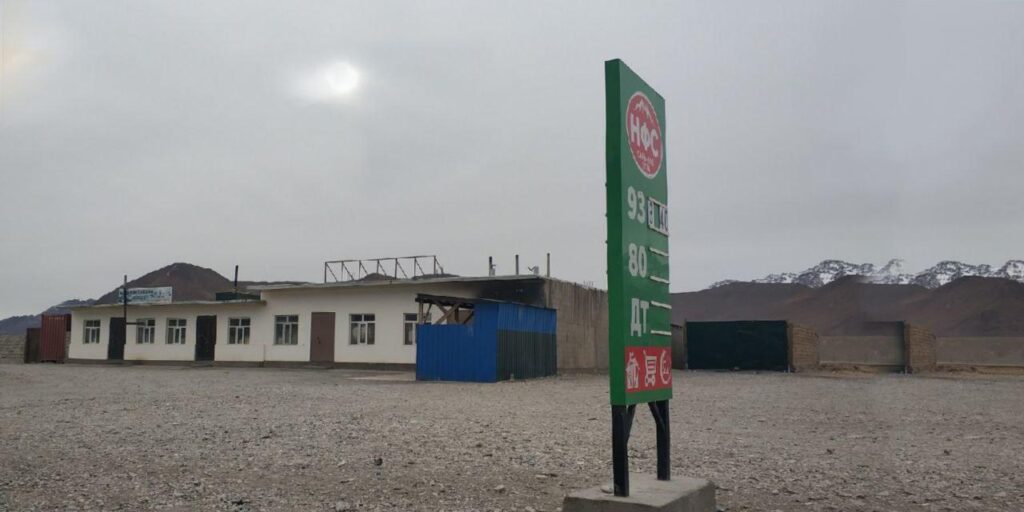
The heavy reliance on fuel imports from Russia is placing Central Asian countries in an increasingly precarious position. Disparities in pricing and exchange rates are driving a surge in illicit fuel resales, exacerbating supply challenges across the region. Gasoline and diesel prices continue to climb, and shortages are being felt widely. This dependence on Russian supplies is particularly concerning following U.S. President Donald Trump's ultimatum to Moscow: end the war in Ukraine within ten days or face 100% tariffs on countries trading oil and petroleum products with Russia. The tariffs could take effect as early as next week, placing Central Asian states in a hugely vulnerable position. Kazakhstan: Shortages and Shadow Exports In early July, motorists across Kazakhstan reported widespread shortages of AI-95 gasoline, particularly along the Karaganda-Balkhash and Astana-Pavlodar highways and in the country’s western regions. Some filling stations restricted purchases of AI-95 to 30 liters per vehicle, and AI-98 was only available via coupons. The Ministry of Energy attributed the shortages to increased tourist and transit traffic. Price caps on gasoline were lifted in January 2025, after which they began to steadily rise. According to the Ministry of Energy, fuel in Kazakhstan remains significantly cheaper than in other Eurasian Economic Union (EAEU) member states, prompting the government to gradually align prices with the regional market. Forecasts suggest gasoline prices could rise by up to 50%, further fueling inflation and impacting all sectors of the economy. The government argues that maintaining artificially low fuel prices would require substantial budget subsidies. The resulting price differentials have made illegal fuel exports more profitable, aggravating domestic shortages. To combat speculation, Kazakhstan imposed a ban in January on exporting gasoline and diesel by road and rail. Despite the country’s ongoing efforts to expand domestic production, Kazakhstan is expected to import substantial volumes from Russia in 2025: 285,000 tons of motor gasoline, 300,000 tons of jet fuel, 450,000 tons of diesel, and 500,000 tons of bitumen. Experts caution that significant increases in domestic output may not materialize until 2030. Russia’s decision on July 28 to tighten its gasoline export ban to include large producers is further complicating the situation. The embargo, introduced amid record-high exchange prices, is expected to last through August. Nevertheless, Energy Minister Erlan Akkenzhenov insists the Russian export restrictions will not affect Kazakhstan, citing a standing intergovernmental agreement that exempts the country from such measures. The Rise of Grey Market Schemes Despite official reassurances, fuel prices continue to rise. Energy expert Olzhas Baidildinov warns of a growing shadow market, driven in part by the weakening of the Kazakh tenge against the Russian ruble. With the exchange rate at 6.6 tenge per ruble, the economic incentive for illicit exports from Kazakhstan remains strong. Baidildinov predicts further shortages by the autumn if this trend continues. Kyrgyzstan: Growing Dependence Kyrgyzstan, which has faced repeated fuel shortages in recent years, has seen prices rise sharply. Over the past decade, the cost of AI-92 has climbed by 52%, AI-95 by 57%, and diesel, used in agriculture...
Turkmenistan Among Ten Countries With Cheapest Gasoline

According to the Global Petrol Prices portal, the average price of gasoline worldwide is $1.21 per liter as of September 30, 2024. “However, there is a substantial difference in these prices among countries. As a general rule, richer countries have higher prices while poorer countries and the countries that produce and export oil have significantly lower prices,” the report explains. Iran, Libya, and Venezuela have the lowest diesel fuel prices. Singapore, Israel, Finland, Albania, Switzerland, Liechtenstein, Iceland, the Central African Republic, Monaco, and Hong Kong have the highest prices. The highest price is noted in Hong Kong, where one liter of gasoline is $3,279. Turkmenistan has the lowest oil prices among Central Asian countries. One liter of gasoline costs $0.429, making it among the top 10 countries in terms of low prices. In Kazakhstan, the price of one liter of gasoline is $0.508. In Kyrgyzstan, it is slightly higher—$0.880. The most expensive price in the region is in Uzbekistan, where the price of one liter of gasoline is $0.983. There is no information about the price of gasoline in Tajikistan.

Kyrgyzstan to Modernize Oil Refinery in Jalal-Abad

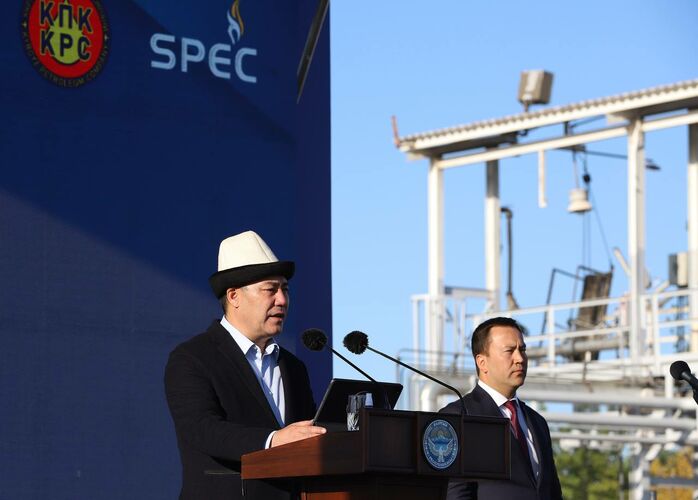
On September 28, Kyrgyzstan's largest oil refinery, located in the southern city of Jalal-Abad, began a large-scale modernization. Operated by Kyrgyz Petroleum Company, the refinery produces AI-80 gasoline, diesel fuel, and fuel oil. Kyrgyzstan's annual gasoline and diesel fuel demand is 1.4 million tons. The refinery in Jalal-Abad can meet only 6.5% of that demand. After the modernization project, the refinery will be able to meet 32% of the domestic demand. After modernization, AI-92 and AI-95 gasoline production would increase more than 12-fold, and diesel fuel production would grow by 40%. The total investment in modernizing the refinery will amount to $410 million, including $200 million in foreign investments and $110 million from the Kyrgyz government. Today, almost all gasoline and diesel fuel used by Kyrgyzstan is imported from Russia. The Times of Central Asia earlier reported that Kyrgyzstan proposed oil-rich Azerbaijan to sign a long-term contract to supply Azeri crude oil to Kyrgyzstan. Azeri crude oil is needed for Kyrgyzstan’s Junda oil refinery. Located in Kara-Balta, about 100 kilometers west of Bishkek, the refinery reopened late in August after a major overhaul. It now plans to reach its total annual capacity of processing 800,000 tons of crude oil by the end of this year.

Kazakhstan to Up Price of Gas and Diesel for Foreign Vehicles

Due to government controls, Kazakhstan currently charges the lowest prices for motor fuel compared to other members of the Eurasian Economic Union, including Armenia, Belarus, Kyrgyzstan, and Russia. To maintain the balance of fuel for the domestic market, as well as minimize the risks of ‘gray’ fuel exports, the Ministry of Energy of Kazakhstan has prepared a draft to increase prices for AI-92 and AI-93 gasoline and diesel fuel to be levied in accordance with the origin of vehicles. The proposed new price for AI-92 and AI-93 gasoline in Kazakhstan is 245 tenge per litre. However, for drivers holding licenses and vehicle registration certificates issued in Kazakhstan, the price will remain unchanged, at 205 tenge per litre, if no more than 300 litres are bought per day. Likewise, the price of diesel will remain at 295 tenge per litre for locals but raised to 315 tenge per litre for non-residents of Kazakhstan. In a statement issued on 11 April, the Ministry of Energy gave assurance that the country currently has sufficient motor fuel to satisfy the domestic market. Now published, the draft is open for public discussion.
