• KZT/USD = 0.00211
  • TJS/USD = 0.10810
  • UZS/USD = 0.00008
  • TMT/USD = 0.29760
  • KZT/USD = 0.00211
  • TJS/USD = 0.10810
  • UZS/USD = 0.00008
  • TMT/USD = 0.29760
  • KZT/USD = 0.00211
  • TJS/USD = 0.10810
  • UZS/USD = 0.00008
  • TMT/USD = 0.29760
  • KZT/USD = 0.00211
  • TJS/USD = 0.10810
  • UZS/USD = 0.00008
  • TMT/USD = 0.29760
  • KZT/USD = 0.00211
  • TJS/USD = 0.10810
  • UZS/USD = 0.00008
  • TMT/USD = 0.29760
  • KZT/USD = 0.00211
  • TJS/USD = 0.10810
  • UZS/USD = 0.00008
  • TMT/USD = 0.29760
  • KZT/USD = 0.00211
  • TJS/USD = 0.10810
  • UZS/USD = 0.00008
  • TMT/USD = 0.29760
  • KZT/USD = 0.00211
  • TJS/USD = 0.10810
  • UZS/USD = 0.00008
  • TMT/USD = 0.29760

Viewing results 1 - 6 of 20

Pamir Loses Its “Ice Shield”: Scientists Confirm End of Glacier Stability Anomaly

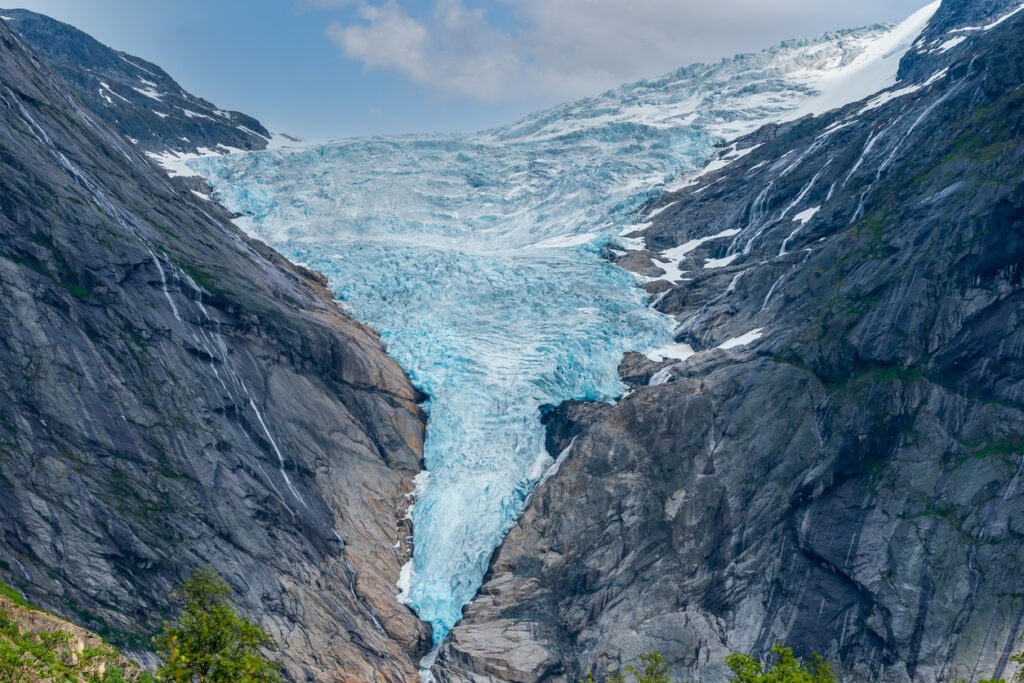
For years, the Pamir-Karakoram anomaly stood as a rare outlier in global climate trends: a region where glaciers remained relatively stable despite accelerating global warming. Now, new research from the Institute of Science and Technology Austria (ISTA) confirms that even these “last strongholds” have begun to lose mass at an alarming rate. Snow Deficit and Rising Heat Data collected from a climate monitoring station on the Kyzylsu glacier in the northwestern Pamirs, active from 1999 to 2023, reveals a sharp shift. According to an international research team led by Francesca Pelliccotti, the tipping point came in 2018, when a significant decline in snow cover and precipitation irreversibly altered the glaciers’ mass balance. Once past this "point of no return," glaciers began rapidly depleting their own reserves to compensate for the lack of new snowfall, a process accelerating their melt. Since 2018, the region has experienced a persistent snow deficit. Snow depth has fallen by approximately 40 cm, and annual precipitation has declined by 328 mm, about one-third of the historical average. Seasonal snow melts earlier, is less stable in spring, and is no longer sufficient to replenish glacier mass. July 2022 was the hottest month on record, and during this period, the Kyzylsu glacier recorded unprecedented mass loss, melting at a rate eight times faster than the 1999-2018 average. Scientists identify increasingly hot summers and a lack of precipitation as the primary causes. Even the intensified ice melt has not made up for reduced snowfall: water inflow into rivers dropped by roughly 189 mm in water equivalent. The contribution of glacial runoff to total river flow rose from 19% to 31%, but this increase was still insufficient to offset the overall decline in water volume. The situation is most severe at altitudes above 4,000 meters, where solid precipitation has declined sharply. Snow from avalanches, which previously helped sustain the glaciers, has dropped nearly threefold from 0.21 to 0.08 m per year. Implications for Central Asia Experts warn that this is not a localized issue. The Pamir and Karakoram glaciers feed the Amu Darya and Syr Darya rivers, lifelines for millions across Central Asia. Diminishing glacial mass threatens freshwater availability, agriculture, hydropower generation, and overall socio-economic stability. “Due to the lack of accurate forecasts, we cannot yet say definitively whether the Pamir glaciers have passed the point of no return. However, since 2018, the processes have changed dramatically, and the reduction in precipitation has had a critical impact on their stability,” said ISTA researcher Achille Joubert. Data Gaps and New Monitoring Efforts Following the collapse of the Soviet Union, glacier monitoring in the region was largely suspended for nearly two decades. Systematic observations resumed only in 2021, when international researchers reinstalled instruments on the Kyzylsu glacier, one of the Vakhsh River’s primary sources. These new measurements confirmed a drastic drop in precipitation and snow thickness starting in 2018, with consistently unfavorable conditions persisting since. Compared to the late 1990s, spring and summer snow now melts much faster, and the "cold reserves"...

Kyrgyzstan Drafts Program to Preserve Lake Issyk-Kul

Kyrgyzstan’s Ministry of Natural Resources, Ecology, and Technical Supervision has released a draft Concept for the Sustainable Development of the Ecological and Economic System of Lake Issyk-Kul until 2030 for public discussion. The proposal addresses mounting environmental challenges that threaten the future of the lake, a vital component of the country’s climate system, biodiversity, and tourism industry. Located in northeastern Kyrgyzstan, Issyk-Kul is the nation's largest lake and one of its most important ecological assets and tourist destinations. The new Concept outlines a roadmap for sustainable management amid signs of accelerating environmental degradation. Falling Water Levels The lake’s water level has dropped by 2.75 meters between 1927 and 2003. To reverse this trend, the Concept recommends restoring hydrological monitoring infrastructure, including groundwater observation and river hydro-posts. It also proposes enforcing irrigation water accounting and transitioning local agriculture to water-saving technologies. Glacier Retreat and River Flow The 957 glaciers in the Issyk-Kul basin, spanning 560.8 km², are rapidly melting due to climate change. These glaciers feed roughly 120 rivers flowing into the lake, though only 80 reach it during the summer, largely due to irrigation withdrawals. To mitigate the loss, the government plans to introduce modern irrigation systems across 100,000 hectares of farmland, potentially redirecting up to 200 million cubic meters of water back into the lake annually. Wastewater and Sewerage Infrastructure Untreated wastewater from settlements and tourism infrastructure poses a serious threat to the lake’s ecosystem. The Concept includes measures to upgrade wastewater treatment, promote the reuse of treated water for irrigation, and expand sewerage systems. Over the past five years, 47 new treatment facilities have been built in the Issyk-Kul region. 2030 Environmental Goals The Concept sets several targets for the next five years: Reduce untreated wastewater discharge by 40% Expand specially protected natural areas to cover 20% of the region Implement ecotourism standards at all recreational facilities Introduce separate waste collection in all district centers Involve at least 80% of schoolchildren in environmental education programs “Issyk-Kul is a strategic resource for Kyrgyzstan. The Concept aims to ensure clean water, protect the shoreline, create safe recreation areas, and boost tourism and entrepreneurship,” said Meder Mashiev, Minister of Natural Resources, Ecology, and Technical Supervision.

Central Asian Glaciers Shrinking Irreversibly, Expert Warns

Glaciers in Central Asia are melting at an alarming rate with no signs of recovery, according to Tohir Majitov, head of the Uzbek public organization "Suvchi," in an interview with Kazinform. Majitov highlighted the escalating pressure on water supplies due to population growth and agricultural expansion across the region. "In 1991, Central Asia had nearly 6 million hectares of irrigated land. By 2024, this figure has grown to over 10 million hectares. The population has also increased from around 45 million to more than 80 million. Water supply for this growing population is now a serious issue," he explained. He noted that Uzbekistan and Kazakhstan heavily depend on the Syr Darya and Amu Darya rivers, which originate in the mountainous regions of Kyrgyzstan and Tajikistan. A critical challenge arises from the differing water needs: upstream countries store water during summer for hydropower generation in autumn and winter, while downstream nations like Kazakhstan and Uzbekistan require substantial water primarily during the summer growing season. Majitov issued a stark warning about the region's largest glacier, Tajikistan's Fedchenko Glacier, which has reportedly lost over 40% of its mass. "Between 1990 and 2005, the glacier shrank by 50 meters," he stated. "Its length is 77 kilometers, width 2.4 kilometers, and depth reaches one kilometer. Glaciers in Kyrgyzstan have also lost over 30% of their mass." To tackle these pressing water challenges, Majitov proposed the formation of a regional body. "We suggest creating an Aral Sea Committee to improve water management and ensure food security. It may take several years, but all Central Asian countries should take part," he urged. He believes that efficient water use could enable the region to expand irrigated land by 2-3 million hectares, potentially feeding up to 100 million people. Previously, The Times of Central Asia reported concerns from other experts on the region's water crisis. A fundamental conflict exists between upstream countries, like Kyrgyzstan and Tajikistan, which have water but need to release it in winter for electricity generation, and downstream countries, such as Uzbekistan and Turkmenistan, that require that water in summer for agricultural purposes. What was once primarily a technical concern has now evolved into a complex regional problem, exacerbated by climate change. Nations are increasingly constructing dams, engaging in disputes over water allocation, and experiencing a decline in mutual trust. The future stability of Central Asia may hinge on its capacity to effectively manage this escalating water crisis.

Dushanbe Proposed as Regional Glaciology Hub Amid Accelerating Glacier Melt

Tajikistan's President Emomali Rahmon, speaking in France on June 8 at the launch of the International Decade of Cryosphere Sciences (2025-2034), has proposed establishing a Regional Coordination Center for Glaciology in Dushanbe. The event was held as part of the Third UN Ocean Conference in Nice, which convened heads of state and government from 65 countries, UN Secretary-General António Guterres, and leaders of international organizations. Glaciology Center in the Heart of the Pamir Mountains Addressing the international community, Rahmon underscored Tajikistan's commitment to creating a glaciology center. "Given the importance of glaciers and in order to study the impact of climate change on them more accurately, we have decided, with the assistance of international partners, to establish a Regional Coordination Center for Glaciology in Dushanbe," he stated. He highlighted that Tajikistan is home to up to 60% of all glaciers in Central Asia, playing a pivotal role in the region's sustainable development. However, their rapid shrinkage poses a threat not only locally but globally. Rahmon warned that if current melting trends persist, up to a billion people could face negative consequences by 2050, particularly in coastal areas and on islands. Tajikistan: Initiator of the Climate Agenda Rahmon emphasised that Tajikistan had been a proactive advocate for water and climate issues on the global stage for two decades. He emphasized the broad international support for the joint initiative by Tajikistan and France to designate 2025-2034 as the "Decade of Action for Cryosphere Sciences." "Our initiatives in the field of water and climate issues have received the support of the international community and are being implemented through 14 resolutions of the UN General Assembly," Rahmon noted. He concluded by urging the international community to expand cooperation for cryosphere preservation and the development of scientific potential in this critical area. From Declarations to Coalitions Rahmon's speech followed the first International High-Level Conference on Glacier Protection held in late May. This forum attracted over 2,500 delegates from 80 countries, including scientists, heads of delegations, international organizations, and donor agencies. The conference's primary outcome was the signing of the Dushanbe Declaration, a document advocating for urgent action to protect glaciers and synchronize international efforts. Participants called for significant reductions in greenhouse gas emissions, a transition to sustainable production models, and the implementation of robust climate monitoring systems. An international coalition was also announced, poised to unite states, scientific institutions, environmental movements, and international organizations. Its mandate will include monitoring the declaration's implementation, facilitating the exchange of best practices, attracting investment, and developing climate change adaptation technologies.

Experts Warn Tajikistan’s Melting Glaciers Threaten Regional Food Security

From May 29 to 31, Dushanbe is hosting the first-ever International Conference on Glacier Preservation. The event has drawn more than 2,500 representatives from 80 countries to the Tajik capital. On the eve of the forum, alarming data was released: Tajikistan has lost more than 1,000 glaciers over the past 23 years, a trend that jeopardizes food security for millions across Central Asia. Glaciers in Retreat, Climate in Crisis Tajikistan’s Deputy Prime Minister Dilrabo Mansuri noted that average air temperatures in the country have risen between 0.7°C and 1.9°C over the past 65 years, depending on the region. In the same period, glaciers have lost 20% of their volume and 30% of their area. “The disappearance of glaciers is not a distant threat, but a constant crisis,” emphasized Agasi Arutyunyan, the Food and Agriculture Organization's (FAO) representative in Tajikistan. Bahodur Sheralizoda, Chairman of the Committee on Environmental Protection, highlighted the increasing frequency of natural disasters, landslides, droughts, and floods, that threaten both the economy and daily life. UNICEF Executive Director Catherine Russell warned that up to 27% of regional water resources could be lost, with children and vulnerable groups being disproportionately affected. Amina Mohammed, Deputy Secretary-General of the United Nations, stressed the need for immediate resource mobilization and reliance on scientific data. Her UN colleague, Armida Salsiah Alisjahbana, Executive Secretary of ESCAP, proposed a regional meeting ahead of the 2026 UN Water Conference to build momentum. Agriculture Under Climate Stress Adham Musallam, Director of the World Food Programme in Tajikistan, reiterated that more than 1,000 glaciers have vanished since 2000, leading to water shortages and degradation of arable land. Forum participants underscored the urgency of adopting climate-resilient agricultural practices. Tajikistan is home to around 14,000 glaciers, with a combined volume exceeding 845 km³. Approximately 1,000 glaciers have disappeared over the last 150 years. The Vangjakh glacier, for example, is retreating by more than 16 meters annually. According to UNEP, Central Asia could lose over 50% of its glaciers by 2050, endangering the water supply of more than 70 million people. Tajik glaciers currently contribute over 80% of the Amu Darya’s flow, 1% of the Syr Darya’s, and around 64 km³ to the Aral Sea basin. Their decline could severely disrupt the region’s water balance and worsen shortages in neighboring countries. Regional Initiatives and Scientific Collaboration The forum emphasized the importance of inclusive climate action, particularly the leadership roles of women and youth. Yasmine Siddiqui of the Asian Development Bank stated, “Women must not only be participants, but also leaders in environmental decisions.” New initiatives included the launch of the Blue World of Central Asia 2.0 project and promotion of the WEFE Nexus approach, integrating water, energy, food, and ecosystem management to enhance cross-border cooperation. Participants also discussed establishing a regional glaciology coordination center, expanding satellite glacier monitoring, and leveraging science diplomacy to mitigate climate risks. The melting of Central Asia’s glaciers is no longer a future concern, it is a present-day crisis impacting water availability, food production, public health, and...

Climate Crisis in Central Asia: Kyrgyz Geologist Spells Out Threat of Disappearing Glaciers

Kyrgyzstan's President Sadyr Japarov has warned at the COP29 climate summit in Baku that Kyrgyzstan’s glaciers have shrunk by 16% over the past 70 years, a trend that could accelerate if immediate action is not taken. Glaciers are a crucial source of drinking water for Kyrgyzstan and the broader Central Asian region. Japarov emphasized that the continued reduction in glacier size will lead to water scarcity and bring severe social, economic, and environmental consequences. “Our region is among the most vulnerable to global warming. By 2100, we may lose more than half of all glaciers,” he said, stressing the need for regional cooperation on green projects to mitigate the impacts of climate change. Kyrgyz glaciologists at the Institute of Geology have been monitoring the region’s glaciers since the early 1940s. Senior researcher Ilya Mezgin explained the alarming rate of glacier loss. “If you look at maps from 1943, two-kilometer glaciers were visible on the Chatkal Ridge in western Kyrgyzstan. Today, they’ve disappeared entirely from satellite images,” Mezgin told The Times of Central Asia. The melting has worsened over time. In 1985, Kyrgyzstan had 8,200 glaciers. That number has since dropped to just 6,500. Glaciers at lower altitudes are melting the fastest, while larger glaciers are expected to last until 2100. Mezgin noted that western glaciers in the Talas region are particularly at risk of disappearing. The mountains of the Tian Shan are composed in the main of crystalline and sedimentary rocks of the Paleozoic Era (i.e., about 540–250 million years ago). growth of the Tian Shan continued until 250 million years ago, when a large continental plate, known as Tarim, collided with Asia. The State Agency for Geology of Kyrgyzstan has suggested that glaciers can both retreat and regrow over time. However, the current trend is one of significant retreat.