• KZT/USD = 0.00221
  • TJS/USD = 0.10860
  • UZS/USD = 0.00008
  • TMT/USD = 0.29760
  • KZT/USD = 0.00221
  • TJS/USD = 0.10860
  • UZS/USD = 0.00008
  • TMT/USD = 0.29760
  • KZT/USD = 0.00221
  • TJS/USD = 0.10860
  • UZS/USD = 0.00008
  • TMT/USD = 0.29760
  • KZT/USD = 0.00221
  • TJS/USD = 0.10860
  • UZS/USD = 0.00008
  • TMT/USD = 0.29760
  • KZT/USD = 0.00221
  • TJS/USD = 0.10860
  • UZS/USD = 0.00008
  • TMT/USD = 0.29760
  • KZT/USD = 0.00221
  • TJS/USD = 0.10860
  • UZS/USD = 0.00008
  • TMT/USD = 0.29760
  • KZT/USD = 0.00221
  • TJS/USD = 0.10860
  • UZS/USD = 0.00008
  • TMT/USD = 0.29760
  • KZT/USD = 0.00221
  • TJS/USD = 0.10860
  • UZS/USD = 0.00008
  • TMT/USD = 0.29760
05 November 2026

Viewing results 1 - 6 of 23

Opinion: Hormuz Crisis Pushes Afghanistan Aid Routes Toward Central Asia

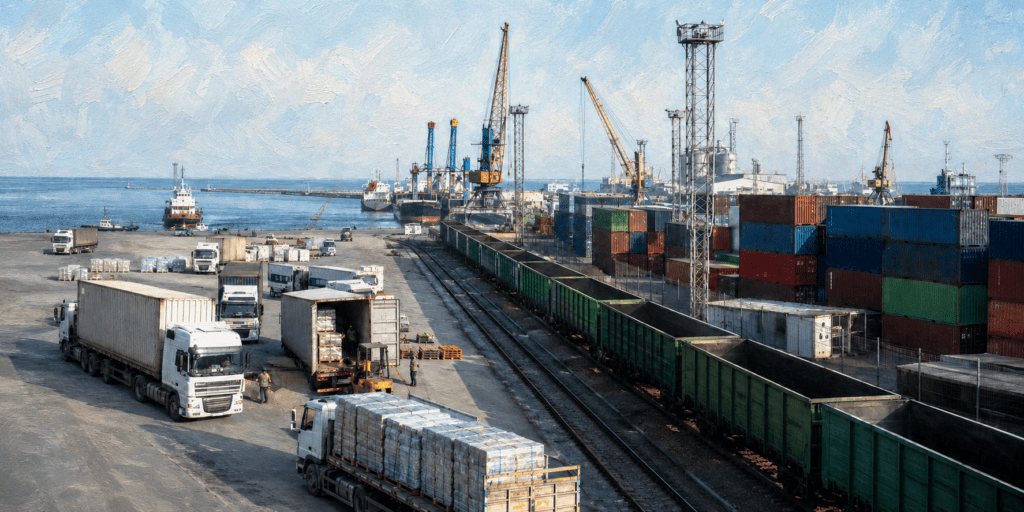
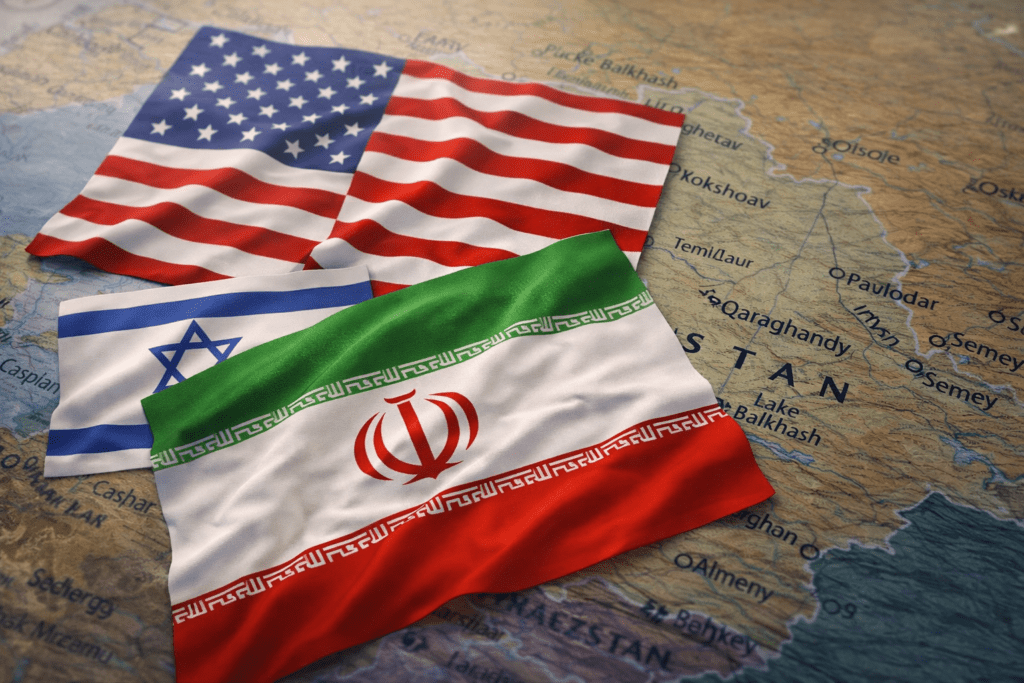
The crisis surrounding the Strait of Hormuz is usually viewed through the lens of energy security or military escalation. But it also has another, less visible, humanitarian dimension. A recent article in The Guardian, “Calls for humanitarian corridor through Strait of Hormuz as Iran war hits vital aid,” points to a critical shift: because of the conflict involving the United States, Israel, and Iran, along with instability around Hormuz, traditional humanitarian supply routes are beginning to break down. For Afghanistan, this is no longer a theoretical concern but an operational reality. According to the World Food Programme (WFP), cited by The Guardian, the cost of delivering food to Afghanistan has tripled. Cargo that previously moved by sea through Hormuz and onward to Pakistani ports must now travel overland across multiple countries, adding weeks to delivery times. The consequences are felt most acutely by vulnerable populations, particularly children. Predictability is one of the core requirements of any humanitarian system, and that predictability is now disappearing. Some shipments are stranded in regional hubs. Routes are constantly changing. Fuel costs continue to rise. Even modest increases in oil prices significantly raise operational expenses for humanitarian agencies. For Afghanistan, the implications are severe. The country has been in a prolonged food crisis for several years, with millions dependent on external aid. Delays of even one or two weeks can directly affect malnutrition and mortality rates. According to United Nations estimates, around 3.7 million Afghan children are currently suffering from wasting, nearly one million of them from severe wasting, a condition associated with sharply elevated mortality risks. UNICEF estimates that in 2026 alone, 1.304 million children aged 6-59 months will require treatment for acute malnutrition, including severe cases and other high-risk groups. Another 1.2 million pregnant and breastfeeding women are also suffering from acute malnutrition. Under these conditions, even temporary disruptions in aid deliveries become a direct threat to human life. The situation is being compounded by several overlapping factors. First, instability around the Strait of Hormuz has made maritime routes both more expensive and riskier. Second, the Pakistani corridor, previously the main overland route, has become unreliable, as repeated border closures and restrictions have tied humanitarian deliveries to the fluctuating political and security relationship between Kabul and Islamabad. Third, Iran has imposed restrictions on food exports and has itself become part of the conflict zone, undermining its role as both a supplier and transit route for Afghanistan. Together, these developments are creating what can be described as a “triple crisis” for humanitarian logistics into Afghanistan. The previous aid delivery system is effectively ceasing to function. In response, the WFP is restructuring its logistics network. One solution has been increased use of the Lapis Lazuli Corridor: Turkey-Georgia-Azerbaijan via the Caspian Sea-Turkmenistan and Afghanistan. Although this route is longer and more expensive, it offers predictability and an alternative to disrupted maritime pathways. The key issue is no longer which route is cheapest, but which is reliable. This shift places Central Asia increasingly at the center of...
Caspian Escalation Raises Stakes for Central Asia

Central Asia, which has increasingly sought to present itself as a coordinated actor on the global political stage, has until recently maintained a cautious, non-aligned stance regarding the escalation in the Middle East. However, attacks affecting infrastructure in the Caspian region have altered the diplomatic balance. The Caspian Sea is a critical transit zone for Central Asia, linking Kazakhstan and Turkmenistan to Azerbaijan and onward to European and Middle Eastern markets. It forms part of key east–west and north–south trade corridors that have gained importance since Russia’s war in Ukraine disrupted traditional transit routes. In recent years, regional dynamics have also been shaped by Azerbaijan’s growing engagement with Central Asian states, including its formal inclusion in the expanded Central Asian consultative format, which has effectively evolved from the C5 into the C6. Baku has played an important role in regional connectivity. It has developed close relations with both Turkey and Israel, factors that influence geopolitical calculations in the Caspian basin, which directly borders Kazakhstan and Turkmenistan. This growing alignment has reinforced efforts to develop the Middle Corridor across the Caspian, linking Central Asia to Europe via the South Caucasus. Turkey maintains political, economic, and cultural influence in Kazakhstan, Kyrgyzstan, and Uzbekistan through the Organization of Turkic States. Russian political discourse has at times portrayed this cooperation as part of a broader pan-Turkic geopolitical project, a characterization widely dismissed by officials and analysts in Central Asia. Nevertheless, Astana and Baku continue to maintain strong relations with Ankara, a development that has periodically caused concern in Moscow. Under President Kassym-Jomart Tokayev, Kazakhstan has also strengthened ties with Gulf states. Qatar, Kuwait, the United Arab Emirates, and Saudi Arabia have become significant investors in the country’s economy. In this context, Iranian attacks on Gulf states not directly involved in the conflict have shaped Astana’s diplomatic positioning during the current crisis. Reports of drone attacks widely blamed on Iran targeting the Azerbaijani exclave of Nakhchivan have further heightened regional tensions. At the initial stage of the escalation, Kazakhstan’s response was largely limited to diplomatic contacts with regional leaders. At the same time, several Central Asian countries, along with Azerbaijan, expressed concern over the humanitarian consequences of the conflict and began dispatching aid to Iran. Azerbaijan sent nearly 30 tons of food and medical supplies on March 10, followed by another 82 tons of humanitarian aid on March 18. Uzbekistan delivered approximately 120 tons of humanitarian supplies, including flour, vegetable oil, sugar, and canned food, according to regional media reports. Turkmenistan also sent humanitarian aid consisting of medicines, medical supplies, and other goods, primarily intended for children. The Tajik government reported sending a convoy of 110 heavy trucks carrying humanitarian cargo to Iran, with a total weight of 3,610 tons. The diplomatic environment shifted further after Israeli air strikes on March 18 targeting Iranian naval facilities in the Caspian Sea. According to Israeli military statements cited by international media, the targets included a major port of the Iranian Navy, where, reportedly, "dozens of ships were destroyed,”...

Uzbekistan Pledges Support for Gaza Reconstruction

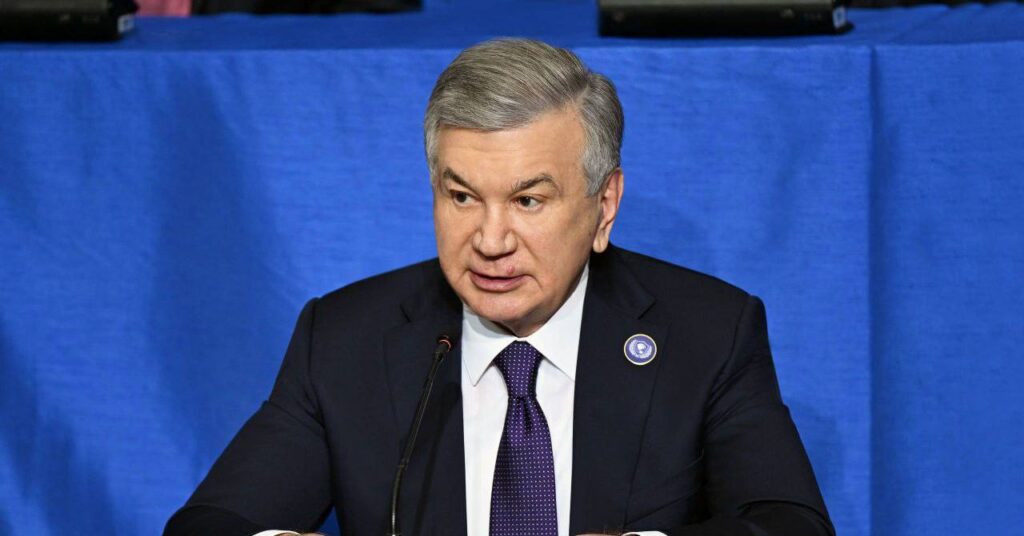
United States President Donald Trump introduced Uzbekistan’s President Shavkat Mirziyoyev as “a friend” during the inaugural meeting of the Board of Peace in Washington, setting a cordial tone for a summit focused on post-conflict recovery in Gaza. In brief remarks while welcoming Mirziyoyev, Trump said Uzbekistan was “doing great” and had “no problems.” The summit, held on February 19 at the United States Institute of Peace, brought together heads of delegations from Azerbaijan, Kazakhstan, Bahrain, Indonesia, Argentina, Paraguay, Romania, Egypt, Qatar, Pakistan, Hungary, Albania, Armenia, Vietnam, Cambodia, the United Arab Emirates, Turkey, Kuwait, Saudi Arabia, Israel, and Morocco, among others. Discussions focused on reconstruction and humanitarian assistance for the Gaza Strip, as well as broader efforts to promote stability in the Middle East. In his address, Mirziyoyev thanked Trump for convening the inaugural meeting of the Board, describing the summit as the result of his “political will and pragmatism.” Uzbekistan supported the initiative to establish the Board of Peace and declared its readiness to participate in its practical implementation. “I am confident that the Board’s work will create favorable conditions for the economic and social restoration of Gaza,” Mirziyoyev said. He stressed that any mechanism for external governance in Gaza must be based on the support of its population. Coordinated efforts by all stakeholders, he added, would help ensure that the post-conflict process remains sustainable and that reconstruction advances efficiently. Mirziyoyev also announced that Uzbekistan is prepared to contribute to the construction of residential buildings, kindergartens, schools, and hospitals in Gaza. He described the meeting as a symbol of international solidarity and urged participants to seize what he called a historic opportunity to help build a renewed Gaza with a functioning economy and improved living conditions.

Tajikistan Sends Large Convoy with Quake Aid to Afghanistan

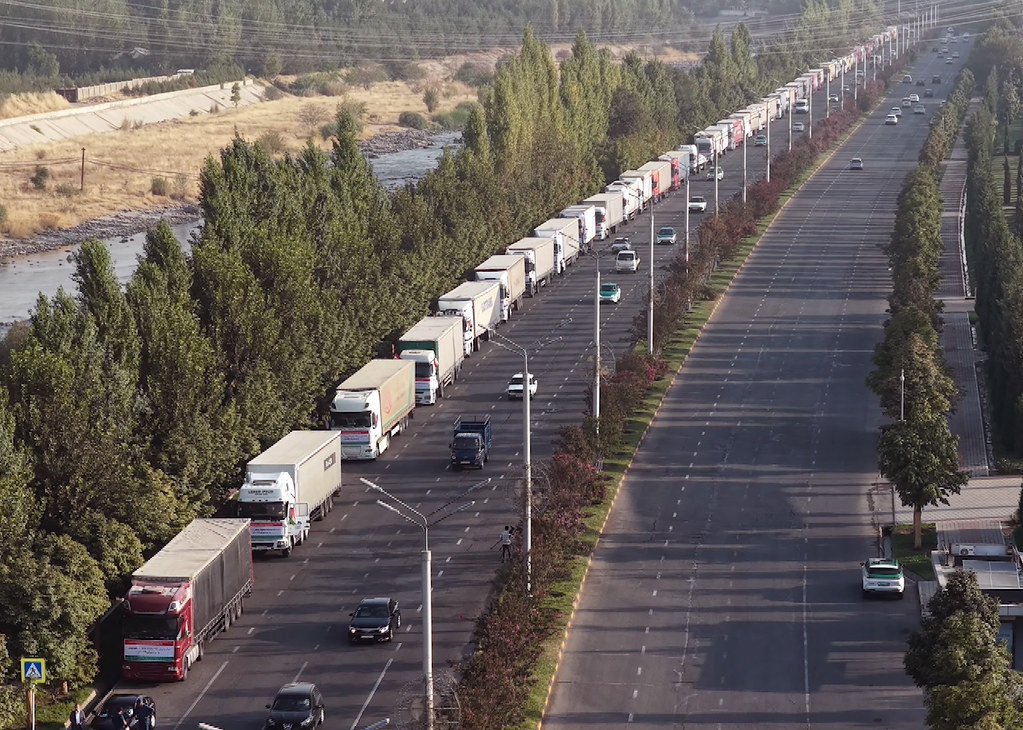
Tajikistan has said it has sent more than 3,000 tons of humanitarian aid to Afghanistan, one of the biggest dispatches of supplies from another country since a devastating earthquake in eastern Afghan provinces on August 31. Photographs released by the office of President Emomali Rahmon show a long line of trucks on a highway, apparently headed to the border with Afghanistan on Monday. The delivery came as the United States and other countries congratulated Tajikistan ahead of the 34th anniversary of its Sept. 9, 1991 independence from the collapsing Soviet Union. “The aid loaded on a caravan of trucks consists of 24 types of necessary products and materials, including flour, oil, sugar, rice, bedding, clothing and footwear for children, adolescents and adults, tents, building materials, reinforcement, boards, slate, cement, and other goods and products,” Tajikistan’s presidential office said. It said the aid exemplified Tajikistan’s “humane and good-neighborly policy.” Tajikistan retains security concerns about its border with Afghanistan. Tajik border guards and fighters with Afghanistan’s Taliban government exchanged fire in an area along the border on August 24, though the two sides later met to reduce tensions. Tajikistan’s aid convoy traveled to Afghanistan two days after Uzbekistan handed over 256 tons of aid in the Afghan border city of Hairatan. Afghanistan’s Ministry of Foreign Affairs has also thanked Turkmenistan, Kazakhstan, and Kyrgyzstan for assistance following the quake, which killed at least 2,200 people. It expressed gratitude in a post on X that listed dozens of countries that have sent help. Central Asian countries in particular have been building ties with Afghanistan as they seek to expand trade routes. The quake destroyed thousands of homes, and humanitarian workers are still struggling to reach affected communities in remote, mountainous areas. Shannon O’Hara, a senior United Nations aid coordination official in Afghanistan, said on Monday that emergency responders are prioritizing aid to women, children, and people with disabilities. “In Afghanistan, in recent years, women and girls have been pushed to the very margins of society and survival,” O’Hara said, according to a U.N. statement. “We know from previous earthquakes and other crises that women and girls always bear the heaviest burden.”

Turkmenistan to Send Tents, Food, Other Aid to Afghanistan; Quake Toll Rises

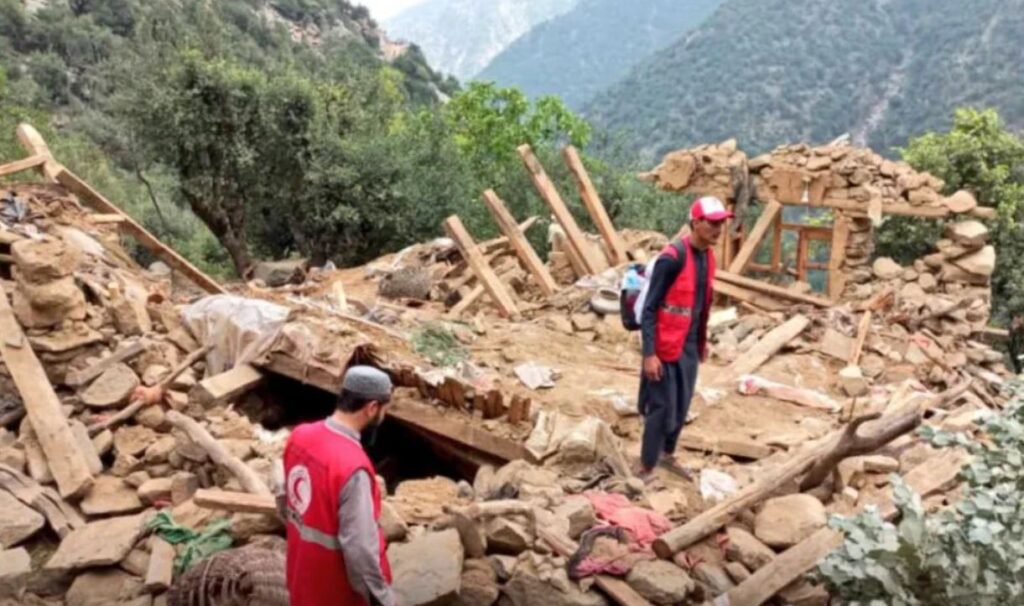
Turkmenistan plans to send humanitarian aid to Afghanistan as the death toll from an earthquake there increased to more than 2,200, Afghanistan’s Taliban government said on Thursday. Rashid Muradov, Turkmenistan’s deputy prime minister and foreign minister, said “urgent humanitarian assistance - including clothing, tents, medicine, and food - will soon be delivered” to Afghanistan, the Afghan Ministry of Foreign Affairs said on X. Muradov announced Turkmenistan’s aid plans in a telephone conversation with Maulvi Amir Khan Muttaqi, Afghanistan’s foreign minister. The Afghan minister thanked Muradov and “assured that the mentioned aid will be delivered to the needy people in a timely manner,” his office said. Some international donors have previously expressed concern that the Taliban diverts aid for its own purposes rather than delivering it to those most in need. The U.S. Special Inspector General for Afghanistan Reconstruction recently released a report that it said looked into how “the Taliban diverts U.S. aid dollars intended for needy Afghans and the culture of denial within the international aid community, which thwarts effective measures to mitigate that diversion.” A 6.0 magnitude earthquake struck eastern areas in Afghanistan on Sunday, and rescue efforts have been hampered by a lack of infrastructure and mountainous terrain. Kunar was the hardest hit province, and parts of Nangarhar and Laghman provinces were also affected. The Afghan Red Crescent Society said on Thursday that at least 2,205 people died and 3,640 others were injured. “Many people are trapped under the rubble of destroyed homes and rescue efforts are ongoing,” the society said. Like Turkmenistan, Uzbekistan shares a border with Afghanistan and has said it is ready to help with quake relief. Central Asian countries have sent aid to Afghanistan in the past as they build ties with the Taliban and work on diversifying trade routes. Security concerns remain. Tajik border guards and Taliban fighters exchanged fire in an area along the Tajik-Afghan border on Aug. 24, though the two sides later met in an effort to reduce tensions.

After Afghan Quake, UNHCR Preps Relief Supplies at Uzbek Border

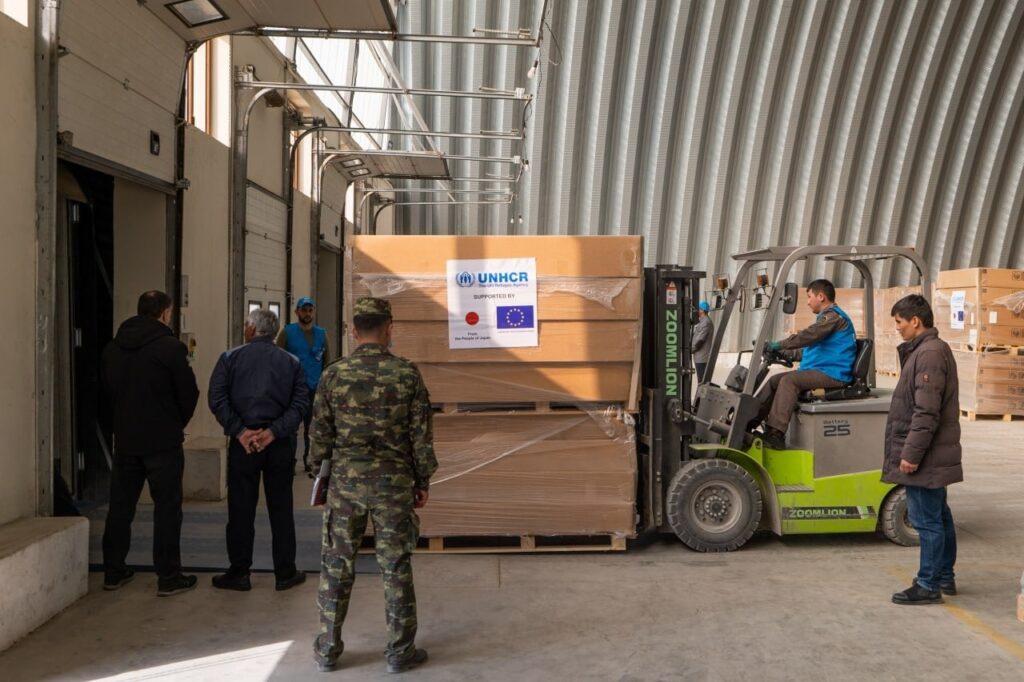
The border city of Termez, Uzbekistan, is becoming a logistics hub for some international efforts to provide aid to Afghanistan after an earthquake there killed more than 1,400 people and destroyed at least 5,400 homes. The United Nations refugee agency said on Tuesday it was drawing on its resources within Afghanistan and in the region after a 6.0 magnitude quake struck near the eastern Afghan city of Jalalabad on Sunday. It said health services in Afghanistan are “overwhelmed” and that the lack of basic infrastructure in hard-hit areas was complicating rescue efforts. “UNHCR is deploying prepositioned essential relief items from stockpiles in Kabul, including tents, blankets and solar lamps,” the agency said. “We are also assessing our emergency stockpiles in the region, including in Termez, Uzbekistan, to meet further needs.” Uzbekistan expressed condolences to Afghanistan and said it was ready to help. “We stand in solidarity with the brotherly people of Afghanistan during this difficult time and reaffirm our readiness to provide all possible assistance in overcoming the consequences of this tragic natural disaster,” Foreign Minister Bakhtiyor Saidov said. After several earthquakes hit the Herat area in western Afghanistan in 2023, UNHCR sent tents and other essential items to affected families from the agency’s warehouse in Termez in an effort coordinated with the Uzbek government. The British Red Cross said more than 2,000 people died in the Herat quakes. Termez, which is about 575 kilometers by road from Jalalabad, lies on the Amu Darya River that separates Uzbekistan from Afghanistan. Soviet forces deployed in the city during the war in Afghanistan in the 1980s, and NATO-led forces also used it as a logistics hub during efforts to help the Afghan government establish security after the fall of the Taliban in 2001. The Taliban returned to power in 2021. Hamdullah Fitrat, a Taliban spokesman, said on X on Tuesday that the death toll from the Jalalabad area quake had risen to 1,411, and that at least 3,124 people had been injured and 5,412 houses were destroyed. “Rescue operations continue across all affected areas today. In locations where helicopters could not land, dozens of commando forces were air-dropped to pull the injured from the rubble and move them to safer ground,” he said. The spokesman also said that “several countries have announced assistance, part of which has already been delivered to emergency relief committees for distribution to earthquake victims.” Britain, India, and China are among a number of countries that have pledged or offered aid to Afghanistan to help it cope with the disaster. Besides Uzbekistan, other Central Asian countries have sent aid to Afghanistan after past deadly quakes there.