• KZT/USD = 0.00213
  • TJS/USD = 0.10800
  • UZS/USD = 0.00008
  • TMT/USD = 0.29850
  • KZT/USD = 0.00213
  • TJS/USD = 0.10800
  • UZS/USD = 0.00008
  • TMT/USD = 0.29850
  • KZT/USD = 0.00213
  • TJS/USD = 0.10800
  • UZS/USD = 0.00008
  • TMT/USD = 0.29850
  • KZT/USD = 0.00213
  • TJS/USD = 0.10800
  • UZS/USD = 0.00008
  • TMT/USD = 0.29850
  • KZT/USD = 0.00213
  • TJS/USD = 0.10800
  • UZS/USD = 0.00008
  • TMT/USD = 0.29850
  • KZT/USD = 0.00213
  • TJS/USD = 0.10800
  • UZS/USD = 0.00008
  • TMT/USD = 0.29850
  • KZT/USD = 0.00213
  • TJS/USD = 0.10800
  • UZS/USD = 0.00008
  • TMT/USD = 0.29850
  • KZT/USD = 0.00213
  • TJS/USD = 0.10800
  • UZS/USD = 0.00008
  • TMT/USD = 0.29850

Viewing results 1 - 6 of 68

Uzbekistan Begins Processing Afghan Crude to Alleviate Energy Shortages

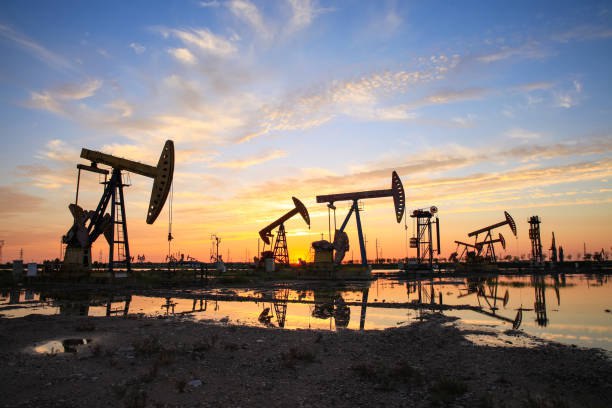
Uzbekistan’s Saneg oil refining company has begun processing Afghan crude oil at its Fergana refinery, to help ease Afghanistan’s energy shortages under Taliban rule. The first shipment of oil was transported by rail from the Hairatan terminal in Afghanistan's northern Balkh province. Afghanistan faces a significant energy crisis due to supply issues from Iran and Turkmenistan. The Taliban wants to restart domestic oil production to reduce its dependence on imports. Afghan crude oil, mainly extracted from the Amu Darya basin, is not fully used because Afghanistan needs more facilities to refine it. However, fortunately for Afghanistan, its neighboring countries to the north and west are willing and capable of supplying electricity, gas, and light oil products so that the country can, to some extent, improve its energy security. The refining agreement represents one of the first cross-border collaborations for Afghan crude oil, despite the historically complex relations between Afghanistan and Uzbekistan. Other countries, such as Russia and Kazakhstan, are looking at similar opportunities to gain market share and indirectly support the Afghan economy. This shows how the Central Asian countries are changing their strategies while Afghanistan is isolated internationally. For example, at the end of April this year, a delegation from Kazakhstan paid an official visit to Kabul, where a meeting of the Kazakh and Afghan businesses and an exhibition of Kazakh products were held. The visit to Kabul shows Astana’s intention of using trade to improve Kazakhstan’s relations with the new Afghan government. Saneg’s initiative to process Afghan oil is part of Uzbekistan's strategy to boost its refining and seize business opportunities in a volatile region. Exporting refined products to Afghanistan could bring extra revenue, and help a struggling neighbor. However, political instability and fragile relations may limit the long-term benefits. Companies from Russia are also interested in similar deals. Uzbekistan has also signed five agreements on mining projects in Afghanistan. These agreements, worth $1.15 billion, were part of a larger package of 35 agreements and memoranda of understanding signed between the two countries. These agreements increased Uzbekistan’s investment in Afghanistan by more than $2.5 billion.

Rise in Trade Between Kyrgyzstan and Afghanistan

In January-August 2024, trade between Afghanistan and Kyrgyzstan reached $14 million, including $6 million worth of Afghan exports to Kyrgyzstan. According to a TOLOnews report, based on data from the Afghan Ministry of Industry and Commerce, most of Afghanistan's exports to Kyrgyzstan and Uzbekistan consist of mineral water, carpets, non-alcoholic beverages, dried fruits, fruit juices, apricots, and sesame seeds. The report was issued in the wake of an announcement on September 6, in which Kyrgyzstan's Ministry of Foreign Affairs stated, "A decision has been made to remove the Taliban from the list of prohibited organizations within the territory of the Kyrgyz Republic.” The Ministry emphasized that the removal of the Taliban, the unrecognized group that effectively controls Afghanistan, from the list of banned terrorist organizations, aims to enhance regional stability and support ongoing dialogue. Confirmation was also made of Kyrgyzstan's ongoing commitment to supporting the efforts of the international community to ensure a stable and peaceful environment in both Afghanistan and the surrounding region. Reporting on the meeting between Chairman of the Cabinet of Ministers of the Kyrgyz Republic, Akylbek Japarov and the Chargé d'Affaires of Afghanistan in Kyrgyzstan, Nurullah Amin, on September 6, the Kyrgyz government’s press service outlined the parties' discussions on furthering bilateral cooperation between the two countries. On the Kyrgyz side, Japarov expressed interest in developing trade and economic relations, and transport links with Afghanistan, engaging in the joint development of  Afghan mineral deposits, and cooperating in the energy, industry, and agriculture sectors.

Kyrgyzstan and Japan Agree to Cooperate in Green Energy

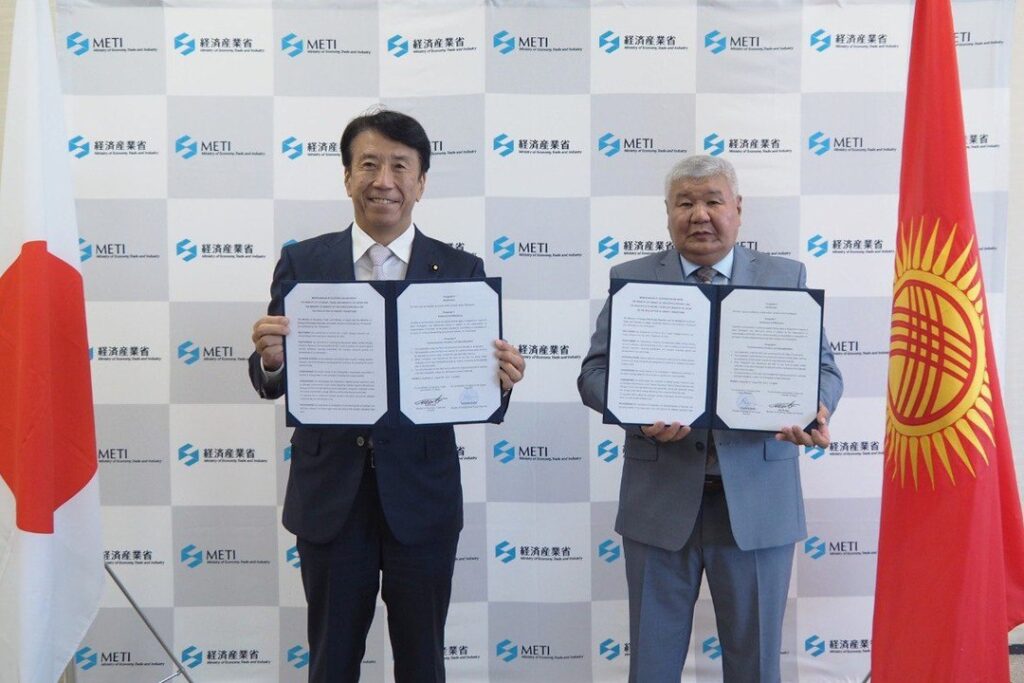
In Japan on September 9, Kyrgyzstan’s Minister of Energy, Taalaibek Ibrayev, met with Ken Saito, Japan's Minister of Economy, Trade and Industry, who oversees the country's energy policy. The two ministries signed a memorandum of cooperation to implement joint projects in green energy. The aim of the new partnership is to expand energy cooperation between Japan and Kyrgyzstan, and developing sectors such as energy efficiency, renewable energy, hydrogen energy, ammonia, carbon recycling, and high-efficiency electricity generation. While visiting Japan last November, Kyrgyzstan's President Sadyr Japarov held talks with Japanese Prime Minister Fumio Kishida. Cooperation in the energy sector was one of the issues that they discussed. During the visit, Japarov invited Japanese companies to use the opportunities and potential for cooperation with Kyrgyzstan to develop renewable energy sources and construct hydropower plants.

New U.S. Ambassador to Turkmenistan Outlines Priorities For Cooperation

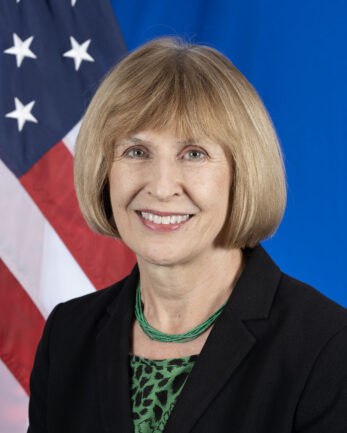
At her first press briefing in Ashgabat, the new U.S. Ambassador to Turkmenistan, Elizabeth Rood, outlined key areas of cooperation between the two countries. She paid particular attention to economic development and investment attraction. Rood emphasized that the U.S. Embassy intends to actively engage with Turkmenistan's government, private sector, and educational institutions to create new jobs and employment opportunities and diversify the national economy. Rood also emphasized four critical areas of work: combating climate change, economic sector development, security issues, and promoting fundamental freedoms. Regarding climate challenges, Rood emphasized Turkmenistan's role in mitigating climate change and welcomed President Serdar Berdymukhamedov's pledge to limit methane emissions. Ambassador Rood also emphasized the importance of supporting civil society in Turkmenistan, including upholding fundamental freedoms and combating forced and child labor. In addition, she expressed her intention to strengthen ties between the peoples of the two countries, noting her inspiration from the determination of Turkmen youth to learn exact sciences and the English language.

Russia’s FM: U.S. Interest in Central Asia’s Economy Could Harm Russia’s Development

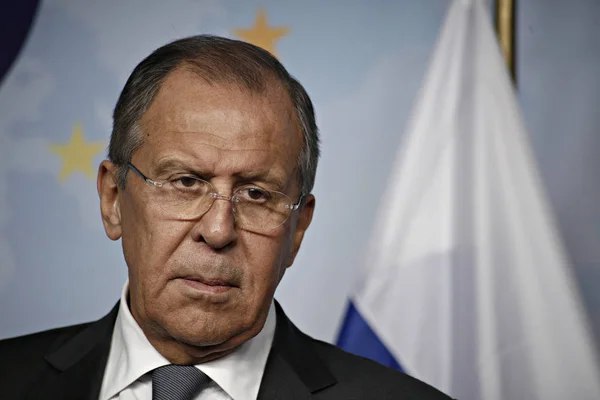
Russia’s Foreign Minister Sergei Lavrov, during a question-and-answer session with students at Moscow’s MGIMO University in early September, noted that “a growing number of extra-regional actors,” including the United States, have taken an interest in fostering trade via the so-called Middle Corridor -- a route connecting Asia to Europe via Central Asia, bypassing Russia. Lavrov’s speech suggests that the U.S. interest in the economic future of Central Asia will negatively impact Russia's development. Lavrov noted that Russia maintains “warm and allied” relations with Central Asian nations, which are bound to Russia economically and strategically via several agreements, including the Collective Security Treaty Organization, the Eurasian Economic Union, and the Commonwealth of Independent States. He added that Russia “cannot prevent anyone from establishing deeper ties with other partners.” Lavrov couldn’t resist lashing out at the United States, saying the motives of American officials in Central Asia aren’t magnanimous. “When our partners and allies in Central Asia expand their relations with the West, I do not have the slightest doubt that they understand perfectly well that apart from pursuing its noble and transparent objectives, the West also seeks to undermine the Russian Federation’s influence there,” he said. The U.S. engages with Central Asia through the B5+1 process, which promotes Western investment by encouraging reforms to reduce trade barriers and streamline customs. Recently, Central Asian countries have signed agreements to improve trade regulation, and the U.S. has helped some countries upgrade their infrastructure. U.S. Ambassador to Kazakhstan Daniel Rosenblum has said in a statement: “In August ... the United States provided Kazakhstan’s Customs Service with advanced Dell Technologies Inc. servers to help make border procedures more efficient. “Adopting innovative technologies will streamline processes, enhance accuracy, improve transparency, and foster a business-friendly environment, attracting more investors and boosting economic growth,” Russia's war in Ukraine has weakened the Kremlin’s ability to pressure Central Asian states to follow its wishes. Russia depends on covert trade through Central Asia to bypass sanctions and get goods for its war. Meanwhile, China is supplying dual-use technologies to Russia and has overtaken Russia as the leading trade partner for Central Asian countries. In his remarks, Lavrov called China “a reliable partner” but didn’t mention it in the context of Central Asia’s growing trade dynamics.

Kyrgyzstan Removes Taliban From List of Terrorist Organizations

Kyrgyzstan has quietly removed the Taliban from its list of banned terrorist organizations. Kyrgyzstan's Prosecutor General's Office recently published a list of extremist terrorist organizations whose activities are banned by courts in the country. The list includes 20 organizations, but the Taliban is not among them. The State Commission on Religious Affairs could not answer precisely why the Taliban is not on the list. Azamat Yusupov, the agency's deputy head, told reporters that the commission had nothing to do with approving the list. “Given the recent changes in Afghanistan, the Taliban can be removed from the list of terrorist organizations. It is better to contact the judiciary, which can answer this question more accurately,” Yusupov stated. Afghanistan's Taliban government has already responded. The foreign ministry of the unrecognized Islamic Emirate said it “welcomes and approves of the Kyrgyz authorities' decision to remove the Taliban from the list of banned groups.” “The step taken by Kyrgyzstan signifies the growing political recognition of the Islamic Emirate of Afghanistan at both regional and international levels and removes an obstacle to strengthening bilateral relations between Afghanistan and other countries,” the foreign ministry said in a statement. The Taliban has been recognized as a terrorist organization in different years and by other countries and organizations. For example, in Kazakhstan, the Taliban was recognized as a terrorist organization by the Supreme Court on March 15, 2005. And in Kyrgyzstan by the decision of the Pervomaisky District Court of Bishkek on September 15, 2006. In Russia, the Taliban was recognized as a terrorist organization by a decision of the Supreme Court in 2003. In June this year, Kazakhstan removed the Taliban regime from the terrorist list to develop economic interaction with Afghanistan. This was announced by President Kassym-Jomart Tokayev, at a meeting of the Council of the Parliamentary Assembly of the Collective Security Treaty Organization (CSTO). In May of this year, the Russian Foreign Ministry and the Ministry of Justice reported to Russian President Vladimir Putin that the Taliban could be removed from the list of banned organizations; however, this issue still needs to be resolved in Russia.