• KGS/USD = 0.01144 0%
  • KZT/USD = 0.00205 0%
  • TJS/USD = 0.10685 -0.37%
  • UZS/USD = 0.00008 0%
  • TMT/USD = 0.28490 0%
  • KGS/USD = 0.01144 0%
  • KZT/USD = 0.00205 0%
  • TJS/USD = 0.10685 -0.37%
  • UZS/USD = 0.00008 0%
  • TMT/USD = 0.28490 0%
  • KGS/USD = 0.01144 0%
  • KZT/USD = 0.00205 0%
  • TJS/USD = 0.10685 -0.37%
  • UZS/USD = 0.00008 0%
  • TMT/USD = 0.28490 0%
  • KGS/USD = 0.01144 0%
  • KZT/USD = 0.00205 0%
  • TJS/USD = 0.10685 -0.37%
  • UZS/USD = 0.00008 0%
  • TMT/USD = 0.28490 0%
  • KGS/USD = 0.01144 0%
  • KZT/USD = 0.00205 0%
  • TJS/USD = 0.10685 -0.37%
  • UZS/USD = 0.00008 0%
  • TMT/USD = 0.28490 0%
  • KGS/USD = 0.01144 0%
  • KZT/USD = 0.00205 0%
  • TJS/USD = 0.10685 -0.37%
  • UZS/USD = 0.00008 0%
  • TMT/USD = 0.28490 0%
  • KGS/USD = 0.01144 0%
  • KZT/USD = 0.00205 0%
  • TJS/USD = 0.10685 -0.37%
  • UZS/USD = 0.00008 0%
  • TMT/USD = 0.28490 0%
  • KGS/USD = 0.01144 0%
  • KZT/USD = 0.00205 0%
  • TJS/USD = 0.10685 -0.37%
  • UZS/USD = 0.00008 0%
  • TMT/USD = 0.28490 0%

Viewing results 1 - 6 of 1117

Kazakhstan’s Kazchrome Launches Flotation Plant to Recover Chromium from Waste

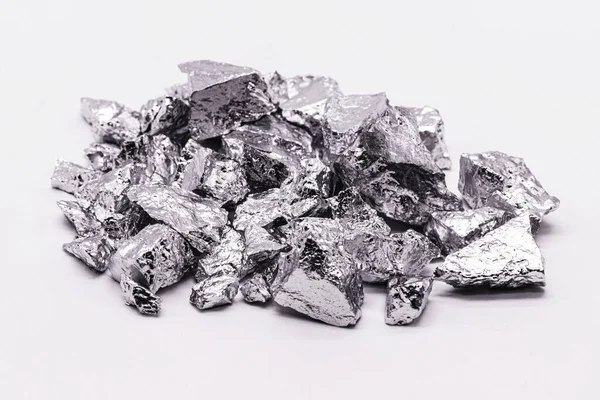
A new flotation unit for extracting chromium from industrial waste has been launched at the Donskoy Mining and Processing Plant (GOK) in Khromtau, located in Kazakhstan’s Aktobe region. The initiative, part of the ERG Green program, was developed by Kazchrome, a subsidiary of Eurasian Resources Group (ERG). Founded in 1938, Donskoy GOK operates the world’s second-largest confirmed chromium ore deposit. Most of its output supplies Kazakhstan’s ferroalloy plants in Aksu (Pavlodar region) and Aktobe. In 2024, the plant reported record output, producing 6 million tons of ore and 1.864 million tons of ferroalloys. The new flotation facility is expected to boost production by processing accumulated industrial waste. Kazchrome invested more than 20.6 billion tenge (approximately $38 million) into the project. While flotation is commonly used in non-ferrous and precious metals mining, it is rarely applied in the chromium sector. ERG’s Research and Engineering Center patented the process, which enables chromium recovery from ultrafine particles (UFPs) previously considered unprocessable. “This technology is a clear example of ERG’s approach to combining advanced global practices with in-house solutions,” said Shukhrat Ibragimov, Chairman of the Board of Directors and CEO of ERG. “It reflects our strategy to transform legacy industrial waste into valuable resources.” The flotation unit marks the second stage of ERG’s environmental program at Donskoy GOK. In 2023, the plant launched a facility utilizing gravity separation to produce concentrate with a chromium content of at least 48.5 percent. The new unit targets ultrafine fractions remaining after gravity processing. The process involves injecting air or gas into water mixed with waste particles. Hydrophobic chromium particles attach to air bubbles, float to the surface as foam, and are collected for further treatment. According to the company, the facility will process approximately 14.5 million tons of historically accumulated waste. The project aligns with Kazakhstan’s national policy to incentivize recycling of man-made mineral formations (MMF). The government has proposed a tenfold reduction in the mineral extraction tax (MET) for companies engaged in MMF processing, as mining sites are estimated to contain 55-60 billion tons of waste stockpiles.

Uzbekistan Launches $20 Million School Climate Resilience Project with Restituted Funds

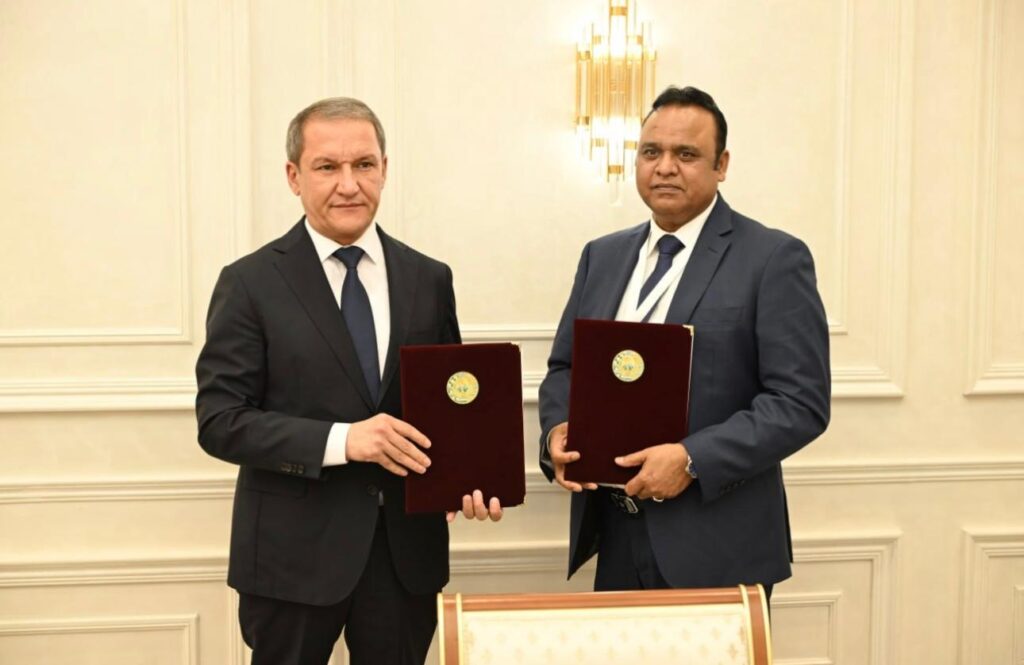
Uzbekistan has launched a $20 million initiative to enhance climate resilience and improve water, sanitation, and hygiene (WASH) infrastructure in schools, marking the first major investment of restituted assets recovered from abroad. The project, titled “Modelling Climate Resilience and WASH in Schools,” officially begins on October 1. It is part of a broader commitment made in April by the Ishonch Fund Management Committee, which outlined how recovered assets from Switzerland would be used to fund education and community development initiatives. The commitment was reaffirmed during the Namangan Poverty Reduction Forum in September. Background: The Ishonch Fund The Ishonch Fund was established under a restitution agreement between Uzbekistan and Switzerland, in accordance with the UN Convention Against Corruption (UNCAC). In February, Uzbek Minister of Justice Akbar Tashkulov and Swiss Ambassador Konstantin Obolensky signed an agreement in Tashkent for the return of $182 million in confiscated assets linked to Gulnara Karimova, daughter of former president Islam Karimov. These funds, seized in Switzerland, are being transferred via the UN Uzbekistan Vision 2030 Multi-Partner Trust Fund. Project Scope and Impact The $20 million project targets 45 rural schools across Uzbekistan. Planned upgrades include access to clean water, modern sanitation, improved heating systems, and renewable energy technologies. Officials say these improvements will reduce energy consumption by 30% and cut greenhouse gas emissions by 50%. The initiative will directly benefit more than 31,500 students, particularly adolescent girls, who will have access to gender-sensitive facilities. Additionally, 2,700 teachers and administrators will be trained in climate resilience, WASH practices, and community engagement. International Support and Oversight Obolensky called the initiative a landmark achievement in the restitution process. “Switzerland is proud to see restitution resources being transformed into visible, corruption-resistant investments that directly benefit the Uzbek people,” he said. “With this project, we are ensuring that 31,500 children will learn in healthier, safer, and more dignified environments, a true symbol of restitution serving development.” At the Namangan forum, Obolensky emphasized that the school modernization project reflects Switzerland’s long-term commitment to ensuring that returned assets support public interests. Governance and Accountability Uzbekistan’s Deputy Minister of Economy and Finance, Ilkhom Norkulov, underscored the project’s alignment with the national reform agenda. “By investing in climate-resilient schools and introducing new governance tools, we are building both infrastructure and accountability for generations to come,” he said. UN Resident Coordinator Sabine Machl added, “By combining clean water, modern sanitation, and climate resilience with transparency and community oversight, we are not only investing in schools but also in trust, equity, and the future of every child.” To ensure transparency, the initiative will be tracked via My Better School, a digital platform that allows communities to monitor budgets, contractors, and timelines in real time. A pilot Integrity Pact will also be used to safeguard procurement processes. Officials say this model of restitution-financed development could guide future national school modernization efforts, while helping align Uzbekistan’s education system with international standards for climate adaptation and gender equality.

Kazakhstan to Invest $24 Billion in Energy Modernization

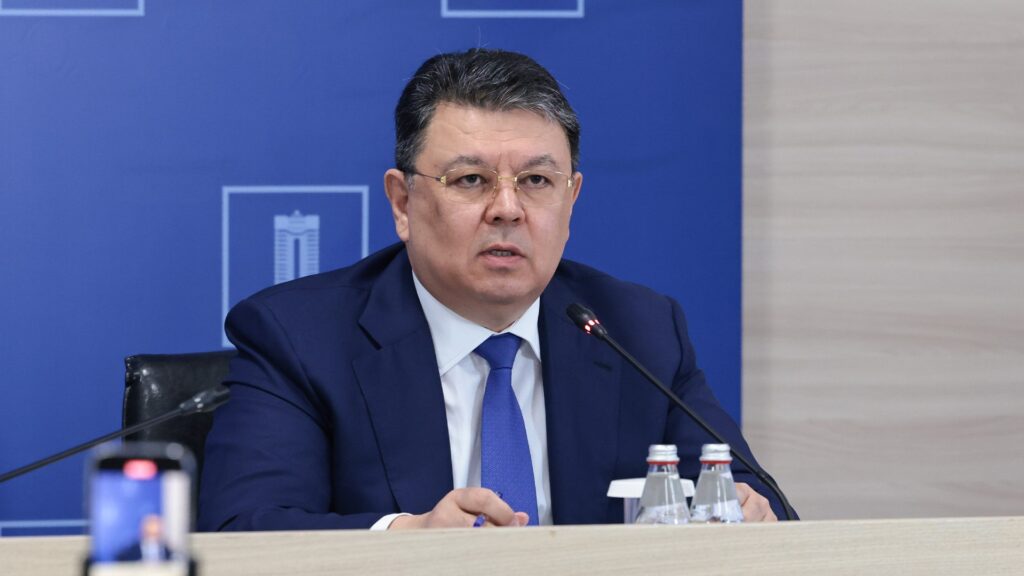
Kazakhstan has launched a National Project to modernize its energy and utility sectors for the period 2025-2029, with planned investments of 13 trillion tenge (over $24 billion). The initiative aims to upgrade existing infrastructure and construct new power generation, transmission, and water supply systems. Deputy Prime Minister Kanat Bozumbayev announced the preliminary cost estimate during the “National Project for the Modernization of the Energy and Utility Sectors: Opportunities for Kazakh Business” conference. According to Bozumbayev, the funds will support the repair and construction of 86,000 kilometers of utility networks and add 7.3 GW in new generation capacity. “Today, we have established the necessary regulatory framework to ensure long-term and affordable financing from financial institutions. We have now moved to the practical stage of the National Project. This year, pilot investments of around 144 billion tenge ($266 million) have been raised for 48 natural monopoly entities,” Bozumbayev stated. Financing will be sourced both domestically and internationally. The Kazakhstan Housing Company has already purchased bonds worth 22.5 billion tenge ($41 million) from local administrations in the Karaganda, Pavlodar, West Kazakhstan, and North Kazakhstan regions. The Development Bank of Kazakhstan is also finalizing assessments for selected projects. International partners are also involved. The European Bank for Reconstruction and Development is financing the construction of wastewater treatment facilities in the Aktobe region. Chinese companies are under consideration as potential partners for upgrading and building new coal-fired power plants. “There are certain restrictions on state-backed export financing from this country, but private companies have financial capabilities and experience operating in multiple countries,” Bozumbayev noted. Authorities expect to finalize financing sources for 2026 by year-end, while procurement and design procedures are scheduled to begin. “Funding will be provided through the state budget and market instruments. The National Project will also apply new procurement mechanisms aligned with international practices, including EPC contracts and consortium-based construction,” Bozumbayev added. Vice Minister of National Economy Assan Darbayev emphasized that reducing the wear and tear on heating, electricity, water supply, and wastewater networks to below 50% will require investments of 6.8 trillion tenge ($12.5 billion). The program includes 15 new generation projects worth 4.4 trillion tenge ($8 billion), along with 14 modernization projects for existing facilities valued at 1.8 trillion tenge ($3.3 billion). These measures are expected to reduce overall depreciation by 15%. As previously reported by The Times of Central Asia, Kazakhstan has faced worsening electricity shortages in recent years. In 2024, the shortfall between supply and demand reached 2.4 billion kWh, up from 2.2 billion kWh in 2023.

Kazakhstan and Turkmenistan Finalize $555 Million Investment and Trade Agreement

Kazakhstan’s Senate on September 4 ratified a bilateral agreement with Turkmenistan aimed at bolstering mutual investment and economic cooperation, Kazinform reported. The agreement, which sets out conditions for the promotion and protection of investments, is expected to create a more transparent and predictable environment for investors from both countries. Senator Amangeldy Nugmanov emphasized that the agreement provides comprehensive legal safeguards for investment across all sectors, from state-led initiatives to private enterprise. For the first time at the interstate level, Kazakhstan and Turkmenistan have formalized clear guarantees to protect investor interests. The agreement includes provisions for dispute resolution, including access to international arbitration, and ensures fair and equal treatment for foreign investments. Energy Sector as Strategic Priority Energy cooperation figures prominently in the agreement. Kazakhstan has expressed readiness to invest in the development of Turkmenistan’s gas condensate fields and to support the expansion of pipeline infrastructure. Nugmanov highlighted a separate agreement signed between Kazakhstan’s QazaqGaz and Turkmenistan’s state concern Turkmengaz, describing it as a “golden bridge” that will enhance both nations' economic prospects and contribute to regional energy security. Trade and Transport Ties Expand Senator Sergey Ershov noted that bilateral trade reached $555.7 million in 2024. Kazakh investors injected $16.1 million into Turkmenistan’s economy, while Kazakhstan received $400,000 in direct investment from Turkmenistan. Beyond energy, cooperation now includes rail, road, and maritime transport. Turkmenistan has also shown interest in modernizing armored vehicles and supplying spare parts to Kazakhstan. During a summit held in April, the presidents of both countries agreed to target $1 billion in annual trade turnover in the near future. They also underscored the strategic importance of expanding cooperation in energy and transport. Key projects under discussion include Kazakhstan’s potential participation in Turkmenistan’s Galkynysh gas field and the development of the Turgundi-Herat-Kandahar-Spin Boldak railway. The rail line, which would pass through Afghanistan, is seen as a means of diversifying trade routes and unlocking new regional markets.

Financing for Tajikistan’s Rogun Project Rises to $500 Million

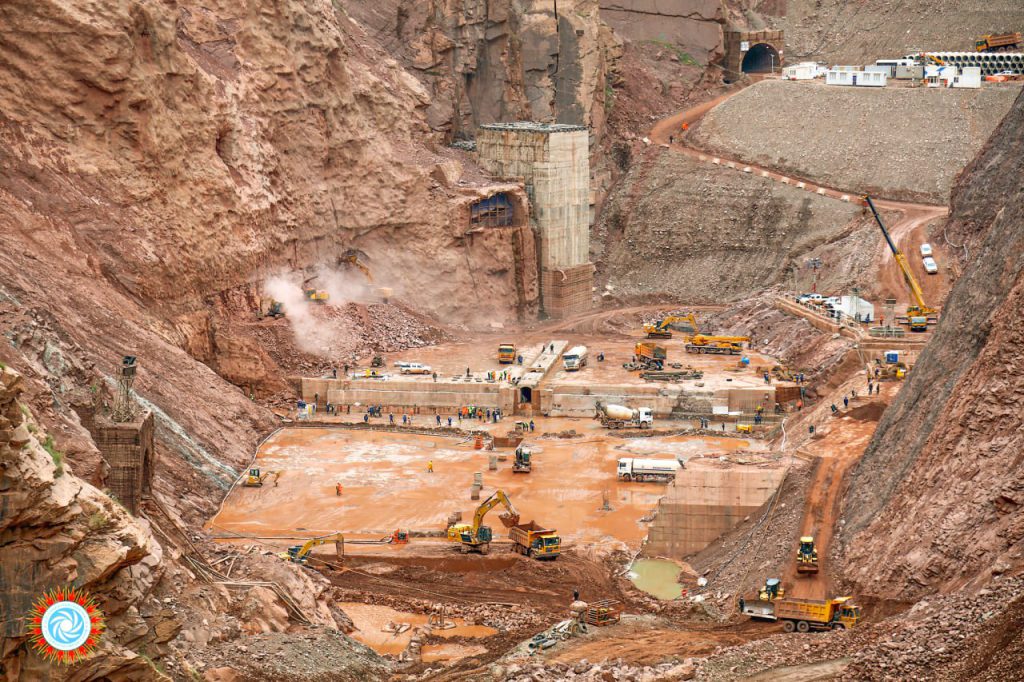
The Asian Infrastructure Investment Bank (AIIB) has confirmed its decision to increase financing for the construction of Tajikistan’s flagship energy project, the Rogun Hydroelectric Power Plant (HPP), to $500 million. New Agreements on Energy, Water, and Transport According to the Tajik president’s press service, the agreement was reached on September 1 in Tianjin during talks between President Emomali Rahmon and AIIB President Jin Liqun. The meeting took place on the sidelines of the Shanghai Cooperation Organization (SCO) Council of Heads of State summit. President Rahmon thanked the AIIB for supporting Tajikistan’s infrastructure development and noted that the bank is already involved in four national projects totaling over $430 million. These include the Rogun HPP and the construction of a 920-meter-long road bridge in the Nurabad district. “The parties discussed broad opportunities for cooperation in the field of green energy, including the construction and modernization of power plants of various capacities, as well as the commissioning of solar and wind installations,” the press service stated. Discussions also focused on water resource management, disaster risk reduction, and the deployment of modern monitoring technologies. Other priorities included transport integration, municipal infrastructure renewal, and innovative mechanisms to attract investment. Expanding private sector participation and utilizing innovative financing instruments were also identified as promising areas. Previously Signed Agreements In December 2024, Tajikistan and the AIIB signed a $270 million (1.92 billion yuan) agreement for the first phase of the Rogun development program. According to the Ministry of Finance, the bank’s total commitment now stands at $500 million, to be disbursed in two tranches. During a visit to Rogun on August 27, Rahmon stated that loan negotiations with the AIIB are in their final stages. In total, Tajikistan has secured commitments exceeding $2 billion from development partners and is negotiating an additional $1.7 billion. However, Standard & Poor's (S&P) Global Ratings has noted delays in funding from some international partners, including the World Bank, citing unmet conditions. The agency estimates the total cost of completing Rogun at $6.4 billion. According to S&P, the Tajik government plans to finance half of the project through a consortium of international partners, with the remainder coming from the national budget and project revenues. The proposed financing includes $1.5 billion in non-concessional loans, $850 million in grants, and $550 million in concessional loans. Part of the grant support is contingent on Tajikistan’s classification as a “least developed country,” a status that may be reconsidered in 2026. Rogun: Central Asia’s Largest Hydropower Project Since the start of 2025, 4.3 billion somoni (approximately $451 million) has been allocated from Tajikistan’s state budget for Rogun. In total, over 48.1 billion somoni (roughly $5.04 billion) has been invested in the project since 2008 from both public and external sources. The Rogun Hydropower Plant is poised to become the largest in Central Asia. Once completed, it will have an installed capacity of 3,780 MW and is expected to generate over 14.5 billion kWh annually. Six 630 MW turbines are planned, with full commissioning expected by 2029....

Russian Organization Builds Amusement Park in Bishkek

On August 28, a new amusement park named Eurasia officially opened in Bishkek. Covering approximately 10 hectares, the park offers free admission and features around 30 amusement rides, sports facilities, and a food court. The project began in 2024 as part of a collaboration between Kyrgyzstan’s Cabinet of Ministers and Russia’s non-profit organization for international cooperation, Eurasia. Total investment in the park reached $35 million. The initiative commemorates the 10th anniversary of the Eurasian Economic Union (EAEU), a regional integration bloc comprising Armenia, Belarus, Kazakhstan, Kyrgyzstan, and Russia. All construction and equipment costs were funded by the Eurasia organization. Expanding Russia’s Soft Power Since 2024, Eurasia has been active in Kyrgyzstan through various social and humanitarian projects. In partnership with Russia’s Ministry of Education, the organization has deployed young Russian teachers to secondary schools across Kyrgyzstan to instruct in specialized subjects taught in Russian. Eurasia has also donated 100 school buses to rural Kyrgyz villages and funded renovations of schools in Bishkek and Kyzyl-Kyya. On August 26, the organization opened its first social store, also named Eurasia, in Bishkek. The store aims to support vulnerable populations, including pensioners, veterans, large families, and people with disabilities, by offering essential food items at reduced prices.