• KGS/USD = 0.01144 0%
  • KZT/USD = 0.00205 0%
  • TJS/USD = 0.10784 0%
  • UZS/USD = 0.00008 0%
  • TMT/USD = 0.28490 0%
  • KGS/USD = 0.01144 0%
  • KZT/USD = 0.00205 0%
  • TJS/USD = 0.10784 0%
  • UZS/USD = 0.00008 0%
  • TMT/USD = 0.28490 0%
  • KGS/USD = 0.01144 0%
  • KZT/USD = 0.00205 0%
  • TJS/USD = 0.10784 0%
  • UZS/USD = 0.00008 0%
  • TMT/USD = 0.28490 0%
  • KGS/USD = 0.01144 0%
  • KZT/USD = 0.00205 0%
  • TJS/USD = 0.10784 0%
  • UZS/USD = 0.00008 0%
  • TMT/USD = 0.28490 0%
  • KGS/USD = 0.01144 0%
  • KZT/USD = 0.00205 0%
  • TJS/USD = 0.10784 0%
  • UZS/USD = 0.00008 0%
  • TMT/USD = 0.28490 0%
  • KGS/USD = 0.01144 0%
  • KZT/USD = 0.00205 0%
  • TJS/USD = 0.10784 0%
  • UZS/USD = 0.00008 0%
  • TMT/USD = 0.28490 0%
  • KGS/USD = 0.01144 0%
  • KZT/USD = 0.00205 0%
  • TJS/USD = 0.10784 0%
  • UZS/USD = 0.00008 0%
  • TMT/USD = 0.28490 0%
  • KGS/USD = 0.01144 0%
  • KZT/USD = 0.00205 0%
  • TJS/USD = 0.10784 0%
  • UZS/USD = 0.00008 0%
  • TMT/USD = 0.28490 0%

Viewing results 1 - 6 of 51

Kazakhstan, Italy, and the Battle for Europe’s Energy Future

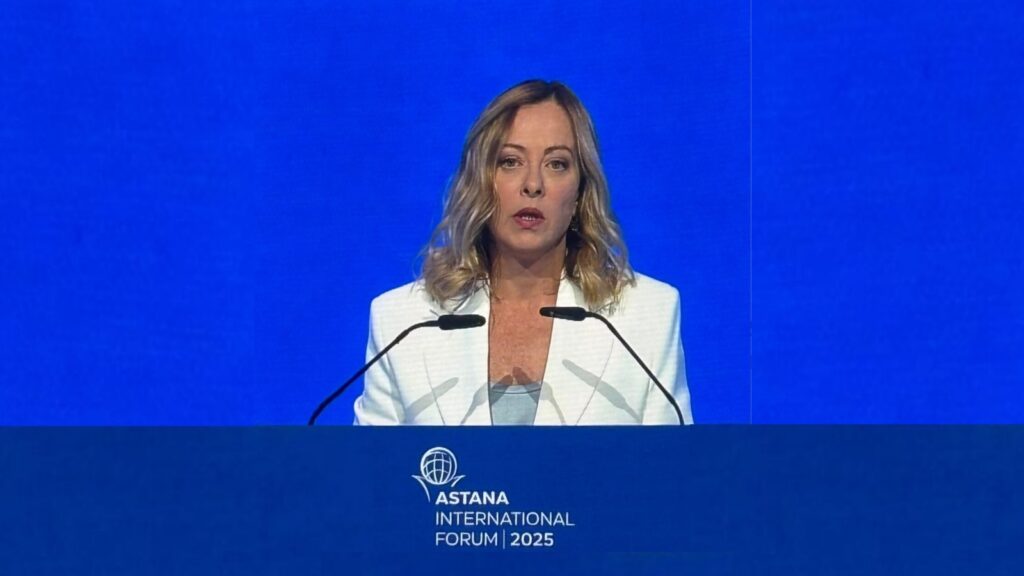
ASTANA - Central Asia is no longer on the periphery of global events, but a place where major countries come together with their ideas, money, and projects. In a turbulent and highly uncertain geopolitical environment, global powers are seeking to establish their presence in this strategic, energy-rich region. Italy is no exception. Italian Prime Minister Giorgia Meloni was initially scheduled to visit Kazakhstan in late April, but in light of Pope Francis' passing her trip to Astana was canceled. Coincidently or not, she came to the Kazakh capital on May 30 to attend the Astana International Forum (AIF) – a two-day event that saw the attendance of political, business, and thought leaders who gathered under an expanded agenda that included climate change, energy security, and sustainability. Meloni’s visit to Kazakhstan is part of her Central Asian tour; she previously visited Uzbekistan, where she met with the country’s President Shavkat Mirziyoyev. In Astana, she not only spoke at the AIF, emphasizing that the “Astana International Forum has become increasingly important in dialogue worldwide,” but also took part in the first-ever Central Asia–Italy summit. “Italy was the first Nation in the EU to decide to invest in relations with Central Asia and its individual member Nations, launching a permanent format in order to share ideas,” Meloni said at the AIF, emphasizing that the EU–Central Asia Summit, held in April in Samarkand, “elevated the relations between the region and the European Union to a strategic partnership.” In this relationship, Kazakhstan seems to play a crucial role. Italy is the largest Central Asian economy’s number one trading partner in Europe. According to Kazakhstan’s Ministry of Trade and Integration, trade turnover between Kazakhstan and Italy in 2024 amounted to $19.9 billion, which is 24% higher compared to the previous year ($16.1 billion). Oil is undoubtedly Kazakhstan’s main export to Italy, although critics argue that the third-most populous EU member is merely a transit country, as large amounts of Kazakh oil ultimately reach other European countries. “If we really want to shape the future, we must have the courage to look beyond our geographical boundaries and pave new paths. I am thinking of the energy sector, where our cooperation can help make a difference, and I am also referring to critical raw materials, where our collaboration aims to generate shared benefits and mutual opportunities,” Meloni stressed. Kazakhstan is one of the richest countries in the world in terms of natural resources. This makes it a nation of significant interest to Italy – with whom Astana signed a Strategic Partnership Agreement back in 2009 – as well as to other European states. But from the Kazakh perspective, it is important that this cooperation be mutually beneficial. Astana is seeking to avoid being seen merely as a source of raw materials and expects its partners to offer tangible benefits in return. That is why Kazakhstan’s President Tokayev has pushed forcefully for the renegotiation of oil agreements with foreign energy companies operating in the country. For Astana, it is...

Kazakhstan and Italy Forge a New Strategic Nexus

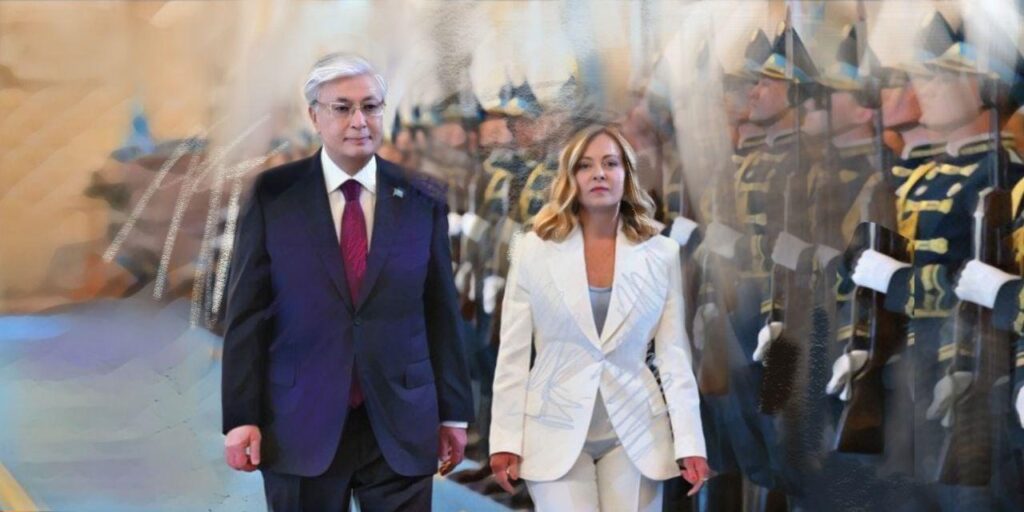
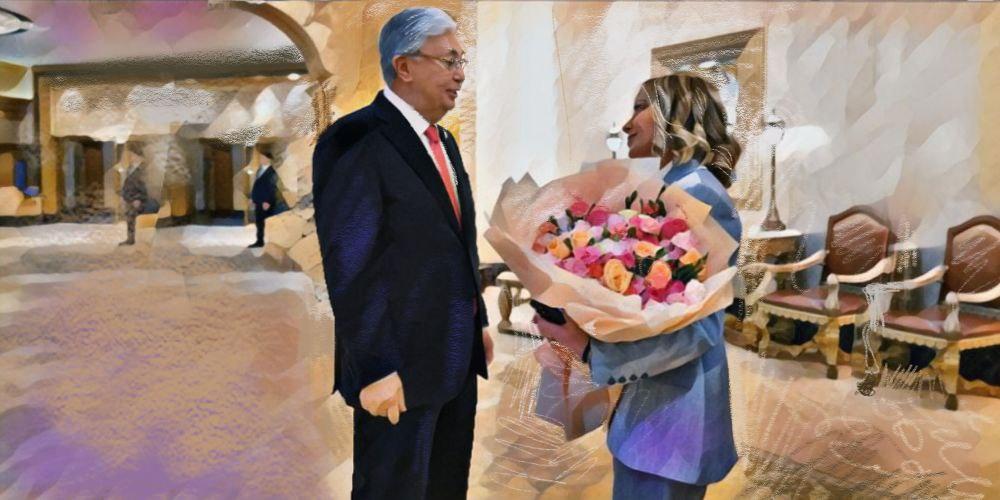
Italian Prime Minister Giorgia Meloni's visit to Kazakhstan marks a pivotal moment in the deepening relationship between the two nations. This diplomatic mission comes on the heels of historical ties reinforced by Pope Benedict XVI’s 2022 visit to the Central Asian nation, where he met with President Kassym-Jomart Tokayev. Benedict’s trip was a testament to Kazakhstan’s role in promoting interfaith dialogue and global peace, a legacy that continues to shape its international relationships. Now, with a new American Pope at the helm of the Vatican, Meloni has renewed Italy’s commitment to strengthening its partnership with Kazakhstan. Her meeting with Tokayev and participation in the C5+Italy Summit underline her focus on fostering collaboration in energy diversification, regional stability, and economic growth. The terms for Meloni’s arrival in Astana were set by Kazakhstan’s previous engagements with Italy, including President Kassym-Jomart Tokayev’s visit to Rome in early 2024 and his meeting with Meloni in Abu Dhabi in January 2025. Those substantive bilateral talks set the bilateral agenda in the joint context of Italian active Eurasian diplomacy and Kazakhstan’s own strategic vision. Meloni’s direct discussions with Tokayev focused on deepening bilateral diplomatic and economic ties; expanding cooperation in energy, trade, and defense; and discussing regional security and joint training programs. As she put it prior to departing Italy, “This visit confirms the strategic value of our collaboration and the excellent level of relations between our nations.” Kazakhstan’s geography, resource wealth, and evolving political posture since independence over a third of a century have also enabled it to craft a nuanced foreign policy balancing traditional ties with Russia and China against emerging alignments with Europe and beyond. Italy’s diplomacy, underpinned by proactive outreach and sustained by major trade and investment flows, has become Kazakhstan’s principal EU partner and third-largest global trading counterpart. Meloni’s engagement with Kazakhstan underscores her broader strategic vision of positioning Italy as a pivotal player in the evolving geopolitical landscape. Central to this ambition is her ability to connect Italy’s foreign policy with global power structures, including her relationship with former U.S. President Donald Trump, a bond that has bolstered both her personal stature and Italy’s diplomatic leverage. This alignment, rooted in shared ideologies of nationalism and sovereignty, allows Italy to project itself as a transatlantic bridge linking Europe, the United States, and strategically critical regions like Central Asia. Beyond energy and trade, Italy’s approach aims to institutionalize its presence in the region, as demonstrated by the simultaneous hosting of the Central Asia–Italy Summit, which builds on the “5+1” dialogue launched in 2019 and its 2024 iteration at the foreign-ministerial level. Convening this summit at the head-of-government/head-of-state level in Astana subtly underscores Kazakhstan’s linchpin role in regional coordination and Italy’s capacity to frame its engagement as a multilateral and strategic enterprise. Meloni’s ambitions extend to securing Italy’s role in stabilizing ties with Central Asia and former Soviet states. For instance, strengthening relationships with energy-rich nations like Kazakhstan underpins her focus on energy diversification, critical for reducing Europe’s reliance on Russian gas while...

Astana Gathers the World: Forum Elevates Kazakhstan’s Diplomatic Stature

The Astana International Forum 2025 (AIF2025), themed “Connecting Minds, Shaping the Future,” will take place in Kazakhstan’s capital on May 29-30. World leaders, business executives, investors, and experts will convene to address pressing global challenges and explore avenues for mutually beneficial agreements. Who is Expected in Astana? The AIF2025 aims to serve as a platform for open dialogue and to attract foreign capital. Participants will also seek to forge strategic partnerships and promote economic development initiatives. Approximately 600 international guests are expected, including prominent political figures, heads of international organizations, business leaders, investors, and members of the academic community. Confirmed attendees include Paul Kagame, President of Rwanda; Edi Rama, Prime Minister of Albania; Andrej Plenković, Prime Minister of Croatia, Gordana Siljanovska Davkova, President of the Republic of North Macedonia; and Sheikh Mohammed bin Abdulrahman Al Thani, Prime Minister and Minister of Foreign Affairs of Qatar. Ban Ki-moon, former UN Secretary-General and Chair of the Global Green Growth Institute and the Boao Forum for Asia, will also participate. Other distinguished guests include Alain Berset, Secretary General of the Council of Europe; Qu Dongyu, Director-General of the UN Food and Agriculture Organization (FAO); Amy Pope, Director General of the International Organization for Migration (IOM); Mathias Cormann, Secretary General of the OECD; and Daren Tang, Director General of the World Intellectual Property Organization. Also expected are Antonella Bassani, World Bank Vice President for Europe and Central Asia; Haoliang Xu, UNDP Deputy Secretary-General and Deputy Administrator; Jin Liqun, President of the Asian Infrastructure Investment Bank (AIIB); Jürgen Rigterink, First Vice President of the EBRD; Kubanychbek Omuraliev, Secretary General of the Organization of Turkic States; and Sebastian Kurz, former Federal Chancellor of Austria. This year, the forum will focus on three global themes: politics and international security, energy and climate change, and economics and finance. According to the Kazakh government, AIF2025 takes place amid intensifying global competition for investment and showcases Kazakhstan’s openness to international collaboration. The country continues to solidify its global presence through comprehensive reforms, legal modernization, and a strengthened investment climate. On May 28, two bilateral business forums, Kazakhstan-France and Kazakhstan-Italy will precede the main event. Italian Prime Minister Giorgia Meloni will also attend a Central Asia-Italy summit. As previously reported by The Times of Central Asia, in recent years Italy has emerged as one of the European countries most keen to maintain close relations with the countries of Central Asia. President Kassym-Jomart Tokayev is scheduled to open the forum. Global Anticipation Builds In the run-up to the event, several participants have already shared their expectations, with Maha Al-Kuwari, General Manager of the Doha Forum, saying that it was a privilege to be involved. “Together with the Qatar Development Fund, the Doha Forum will host a session focused on innovative approaches to enhancing global sustainability. Given geopolitical fragmentation, post-pandemic recovery, and disrupted supply chains, this discussion is vital, especially for developing and least developed countries,” she stated. The session will highlight new investment models and successful partnership frameworks spanning from Astana to Doha. Interviews...

Italy Raises the Bar in Central Asia: What to Expect from Giorgia Meloni’s Visit

In recent years, Italy has emerged as one of the European countries most keen to maintain close relations with the countries of Central Asia. In mid-April, confirmation arrived that Prime Minister Giorgia Meloni would be travelling to the region this spring. The purpose of the trip is to visit Uzbekistan and Kazakhstan and attend a summit in Astana with the presidents of the five countries.  Meloni's visit is scheduled for the end of May, although the exact dates are not yet known. Italy was the first European country to involve the Central Asia region in a "1+5" summit. The first meeting was held in Rome in December 2019, and involved the then Italian Foreign Minister, Luigi Di Maio, and all Central Asian Foreign Ministers. This meeting took place a few months after Italy, the first and only EU country to take this step, signed a memorandum of understanding with China on the Belt & Road Initiative (in 2023, Rome decided to withdraw from the project). Central Asia is one of the regions at the heart of the original BRI project: the launch was announced in Kazakhstan in 2013. The most recent meeting at foreign minister level took place in May 2024, again in Rome, and was attended by the current Italian Foreign Minister, Antonio Tajani. But now Italy has decided to raise the bar and directly involve Meloni and her Central Asian counterparts. The multilateral forum is complemented by frequent visits to Italy by leaders from the region: Uzbekistan's Mirziyoyev in June 2023, Kazakhstan's Kassym-Jomart Tokayev in January 2024 and Tajikistan's Emomali Rahmon at the end of April 2024. For Italy, President Sergio Mattarella visited Uzbekistan in November 2023 and Kazakhstan in March 2025. Italy is one of the main economic partners in the region, and especially in Kazakhstan; the country ranks third (behind only China and Russia) in terms of trade with Astana. Trade turnover between Kazakhstan and Italy rose 25% in 2024 and reached almost $20 billion. The relationship is particularly strong in the energy sector, with over $18 billion accounted for exports of Kazakh oil and petroleum products in 2024. The Italian national oil and natural gas company Eni has been present in Kazakhstan since 1992, where it is a co-operator of the Karachaganak oil field and participates in the North Caspian Sea PSA consortium responsible for operations at the Kashagan oil field. Other significant sectors of trade between Italy and Kazakhstan are those of agricultural machinery and agricultural production. One area that could be subject to greater cooperation is defense, as demonstrated by the visit to Italy by Kazakhstan's Minister of Defense, Ruslan Zhakssylykov, in March this year. The potential is truly remarkable: during Mattarella's aforementioned flash visit to the country this March, with a meeting with Tokayev held directly at Astana airport, the Italian president emphasized the potential for further deepening the strategic partnership between Rome and Astana, which has been in place since 2011. Speaking of official documents, in June 2023, Italy and Uzbekistan...

Meloni Postpones Central Asia Trip After Pope Dies

Italian Prime Minister Giorgia Meloni has postponed a visit to Central Asia this week because of the death of Pope Francis. The Italian news agency ANSA said Meloni’s trip to Kazakhstan and Uzbekistan was originally scheduled for Friday to Sunday but will be rescheduled. Kazakhstan previously said Meloni would visit the country this coming weekend at the invitation of President Kassym-Jomart Tokayev and that Astana would host the first-ever Central Asia–Italy summit on Sunday. Francis died on Monday at age 88 and his funeral will be held on Saturday.

Italian Company Eyes Tomato Product Manufacturing in Kazakhstan

Italy’s Tramite Group is exploring opportunities to establish a tomato paste production facility in Kazakhstan, as part of broader efforts to boost agro-industrial cooperation between the two countries. On April 1, Kazakhstan’s Minister of Agriculture, Aidarbek Saparov, met with Gianantonio Tramet, founder and general manager of Tramite Group, to discuss tomato cultivation and processing in Kazakhstan, according to a statement from the Ministry of Agriculture. Tramet noted that his company is actively seeking partners to supply natural food products from Kazakhstan, citing the country's favorable climate for growing high-quality produce. Italy currently imports 180,000 tons of tomato paste annually, and Tramite Group is considering shifting part of this demand to be met through production in Kazakhstan and other Central Asian countries. Agro-Industrial Cluster in Shardara Tramite Group plans to collaborate with Kazakhstan’s Agriqa Farms LLP, which has launched a project to develop an export-oriented agro-industrial cluster in town of Shardara, in the central Turkestan region. The initiative will begin in May 2025 with the construction of a 22-hectare greenhouse complex. It will also include: A tomato paste processing plant with a planned capacity of 3,360 tons per day An alfalfa granulation facility A fruit and vegetable drying and freezing plant In 2026, the project will expand to install drip irrigation systems across 8,000 hectares of farmland. Saparov welcomed the initiative and reaffirmed Kazakhstan’s commitment to supporting large-scale agro-processing ventures. He assured Tramite Group of comprehensive government assistance for the joint Kazakh-Italian enterprise.