• KGS/USD = 0.01144 0%
  • KZT/USD = 0.00205 0%
  • TJS/USD = 0.10785 0.09%
  • UZS/USD = 0.00008 0%
  • TMT/USD = 0.28571 0.28%
  • KGS/USD = 0.01144 0%
  • KZT/USD = 0.00205 0%
  • TJS/USD = 0.10785 0.09%
  • UZS/USD = 0.00008 0%
  • TMT/USD = 0.28571 0.28%
  • KGS/USD = 0.01144 0%
  • KZT/USD = 0.00205 0%
  • TJS/USD = 0.10785 0.09%
  • UZS/USD = 0.00008 0%
  • TMT/USD = 0.28571 0.28%
  • KGS/USD = 0.01144 0%
  • KZT/USD = 0.00205 0%
  • TJS/USD = 0.10785 0.09%
  • UZS/USD = 0.00008 0%
  • TMT/USD = 0.28571 0.28%
  • KGS/USD = 0.01144 0%
  • KZT/USD = 0.00205 0%
  • TJS/USD = 0.10785 0.09%
  • UZS/USD = 0.00008 0%
  • TMT/USD = 0.28571 0.28%
  • KGS/USD = 0.01144 0%
  • KZT/USD = 0.00205 0%
  • TJS/USD = 0.10785 0.09%
  • UZS/USD = 0.00008 0%
  • TMT/USD = 0.28571 0.28%
  • KGS/USD = 0.01144 0%
  • KZT/USD = 0.00205 0%
  • TJS/USD = 0.10785 0.09%
  • UZS/USD = 0.00008 0%
  • TMT/USD = 0.28571 0.28%
  • KGS/USD = 0.01144 0%
  • KZT/USD = 0.00205 0%
  • TJS/USD = 0.10785 0.09%
  • UZS/USD = 0.00008 0%
  • TMT/USD = 0.28571 0.28%

Viewing results 1 - 6 of 2187

Kazakhstan to Auction 50 Rare Metal Deposits in June 2025

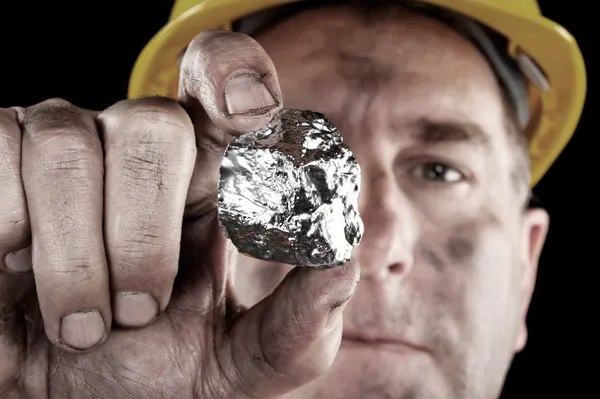
Kazakhstan will grant exploration and development rights for 50 deposits of gold and rare metals through an electronic auction scheduled for June 2025, the Ministry of Industry and Construction has announced. Almas Kushumov, Director of the Ministry’s Department of Subsoil Use, shared the details through MINEX Kazakhstan (Mining and Exploration Forum). “We will auction off deposits with confirmed balance reserves, gold, coal, rare metals, and polymetals,” Kushumov said. “The information will be published soon on the Unified Platform of Subsoil Use, and in June we plan to hold the electronic auction. All participants will be able to submit their documents online.” The auction will be hosted on the Unified Subsoil Use Platform: minerals.e-qazyna.kz. Licenses will be awarded for both exploration and production, with production licenses valid for 25 years. Companies from the United States, European Union, and China have already submitted applications, according to the ministry. The full list of the 50 deposits will be made public in the coming days. Kazakhstan has prior experience with this auction format, between 2023 and 2024, 117 deposits were awarded through electronic auctions, generating over KZT29 billion ($55.9 million) in signing bonuses. Kazakhstan currently holds over 9,000 registered deposits, including 987 classified as solid mineral sites. Many of these were surveyed more than three decades ago, which is why the government is now prioritizing not only production rights but also geological exploration, with strong interest from both domestic and foreign investors. Kushumov noted that the introduction of the Code on Subsoil and Subsoil Use in 2018 significantly improved the investment climate, tripling the volume of private capital in the sector. As previously reported by The Times of Central Asia, the state mining company Tau-Ken Samruk is advancing work at the Kuirektykol rare earth deposit, where exploration began in 2022. Recent studies have identified new promising zones which, if confirmed, could place Kazakhstan among the global leaders in rare earth metal reserves.
Stadler Begins Production of Railcars for Kazakhstan’s National Railway in Astana

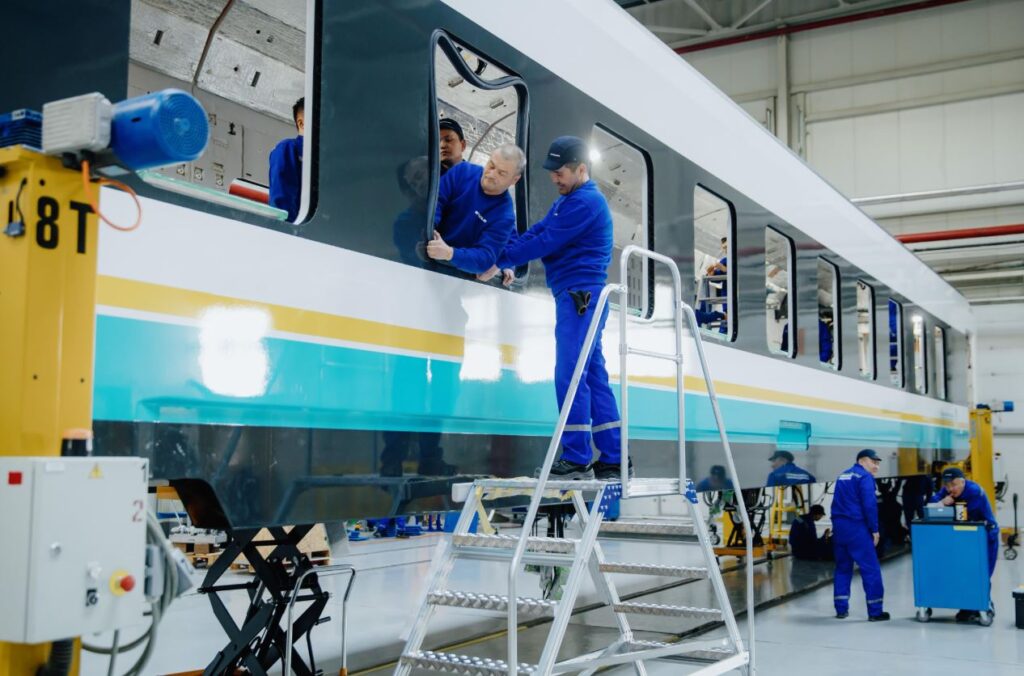
Serial production of passenger railcars for Kazakhstan's national rail carrier, Passenger Transportation JSC, has officially commenced in Astana. The project is being implemented at the Stadler Kazakhstan LLP plant as part of a broader initiative to modernize the country's railway sector. Contract for 557 Cars The initiative stems from a long-term agreement between Passenger Transportation JSC and Swiss rail manufacturer Stadler Rail AG. Under the terms of the contract, 557 passenger cars of various types, including compartment and platzkart models, generator cars, and specially adapted trains for passengers with disabilities, are to be produced by 2030. The first 51 units are scheduled to enter service in 2025. The contract also includes a 20-year maintenance commitment by the manufacturer, aimed at ensuring the reliability and longevity of the rolling stock. Full Production Cycle During a recent visit to the plant, representatives of Passenger Transportation JSC inspected the facilities and reviewed completed bodies of passenger and generator cars. More than 400 specialists are currently employed at the plant, the majority of whom are Kazakh nationals. The manufacturing process encompasses a complete production cycle, from body welding and painting to the assembly of electrical components, bogies, and interior fittings. Each railcar undergoes both static and dynamic testing before leaving the production line. In the past two years, the facility has undergone significant modernization and localization, including workforce training in advanced technologies. Comfort and Safety The new Stadler cars are designed with passenger comfort and safety in mind. Each compartment coach will offer 40 sleeping berths and feature air conditioning, video surveillance, electric heating, and an automated fire suppression system. Passengers will have access to electrical outlets and USB ports in each compartment. The railcars will sport a distinctive exterior in corporate blue, yellow, and white, while the interiors will be tailored to suit Kazakhstan’s climate and long-distance travel requirements. Swiss Quality in the Steppe Stadler Rail AG is a leading European rail manufacturer with over 80 years of experience and operations in 45 countries. Renowned for producing reliable and technologically advanced railcars suited to harsh climates, the company has supplied equipment to regions including Scandinavia and Eastern Europe. President Kassym-Jomart Tokayev personally discussed the establishment of the Kazakh production facility with Stadler Chairman Peter Spuhler in December 2022. Located in Astana’s industrial park, the plant spans over 31,000 square meters and has an annual production capacity exceeding 100 railcars. The launch of serial production marks a pivotal step in overhauling Kazakhstan's railway infrastructure. Beyond replacing outdated rolling stock, the project fosters technological advancement, local job creation, and the strengthening of the domestic rail manufacturing sector.

Kuirektykol Deposit May Elevate Kazakhstan to Global Leader in Rare-Earth Reserves

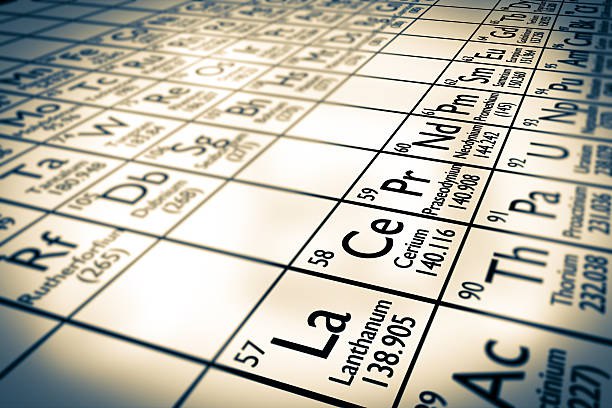
Kazakhstani geologists have identified several promising new areas within the Kuirektykol deposit in the Karkaraly District of the Karaganda Region. If confirmed, these reserves could position Kazakhstan among the world’s leading nations in rare-earth metal resources. Exploration of the Kuirektykol site began in 2022. By November 2024, surveyors had discovered commercially viable concentrations of rare-earth elements, including cerium and lanthanides, across four prospective zones. These were initially estimated to contain total resources of 935,400 tons, including 795,800 tons of proven reserves. At the time, experts predicted that with further in-depth exploration, total reserves could potentially double. That projection is now being borne out by new findings, according to the Ministry of Industry and Construction. In a recent statement, the ministry reported that LLP Tsentrgeolszemnadzor, working within the framework of the state program for geological subsoil research, had uncovered several additional promising areas at the Kuirektykol site. These areas are believed to contain a combined one million tons of rare-earth metals. The agency also announced the preliminary evaluation of a vast new prospective area named Zhana Kazakhstan. Following recent prospecting work, geologists now estimate the total predicted resources of rare-earth metals in the Kuirektykol area to exceed 20 million tons at depths of up to 300 meters. The average concentration of rare-earth elements in the ore is approximately 700 grams per ton. As previously reported by The Times of Central Asia, the state-owned National Mining Company Tau-Ken Samruk is preparing to begin development of the Kuirektykol deposit, a move expected to attract significant private investment in the sector. These developments come amid increasing global demand for rare-earth elements, which are essential to technologies ranging from renewable energy and electric vehicles to defense and telecommunications, and are set to be exempt from new U.S. trade tariffs. Kazakhstan's growing resource base could play a pivotal role in diversifying global supply chains and enhancing the country’s strategic economic importance.

Kazakhstan to Establish Unified Innovation Cluster

Kazakhstan is set to create a unified national innovation cluster by merging two of its key technological institutions: the International Technopark of IT Startups, Astana Hub, and the Park of Innovative Technologies fund, also known as Tech Garden. The merger bill has passed its first reading in parliament. Officials say the initiative is aimed at accelerating the development of Kazakhstan’s digital economy and enhancing its global competitiveness. Merging Platforms for Greater Synergy Astana Hub is currently Kazakhstan’s largest platform supporting IT entrepreneurs, offering tax incentives and accelerator programs. In contrast, Tech Garden is funded through mandatory contributions from subsoil users, 1% of their income, to support digital innovation in the industrial sector. According to Member of Parliament Aituar Koshmambetov, the integration of these two entities will create powerful synergies. “We’re combining infrastructure, finances, experts, mentors, support programs, and market access opportunities,” Koshmambetov said. A Digital Marketplace for Innovation At the heart of the merged structure will be a digital platform designed to link science, business, government, and startups. “It will function as a marketplace for challenges and solutions. Residents can see where subsoil users’ contributions are being directed and propose technologies to meet those needs,” explained Minister of Digital Development Zhaslan Madiev. Another component of the initiative is the expansion of the Single Window of the National Innovation System (SW NIS), which allows IT companies and scientists to directly access the development needs of industrial firms. The platform is already operating in pilot mode at astana-hub.com. Expanded Benefits for Residents Post-merger, participants from both institutions will retain all existing benefits. Tech Garden residents will gain access to Astana Hub’s startup acceleration programs, while Astana Hub startups will have new opportunities to secure contracts from major industrial players. Officials also hope the consolidated cluster will attract greater interest from international corporations. Kazakhstan already collaborates with major tech players like Indrive and Google, and negotiations are ongoing with Telegram. “Kazakhstan has the unique advantage of being able to engage comfortably with China, the U.S., and Russia,” Koshmambetov noted. “That’s a strategic asset we should fully leverage.” Economic Impact and Future Prospects Data from 2024 show that every 1 Kazakhstani tenge (KZT) invested in Astana Hub yields: 3 KZT ($0.0060) in private investment 14 KZT ($0.028) in resident company revenue 3 KZT ($0.0060) in export earnings A trade surplus 4.6 times the input Notable successes include a Kazakh-developed game generating $18 million in annual revenue, a smart scooter management system used in 20 global cities, and Higgsfield AI, a startup ranked among Google’s global top 20. Strategic Focus on Artificial Intelligence President Kassym-Jomart Tokayev has repeatedly emphasized the importance of digital transformation and artificial intelligence (AI) in national development. “The development of artificial intelligence must be accelerated and integrated into public services and Smart City projects,” Tokayev said during a recent government meeting. Prime Minister Olzhas Bektenov has also highlighted the practical use of AI in sectors such as ecology, social protection, and industry. He has instructed ministries to digitalize systems for managing...

EU-Central Asia Summit Opens New Opportunities for Kazakhstan

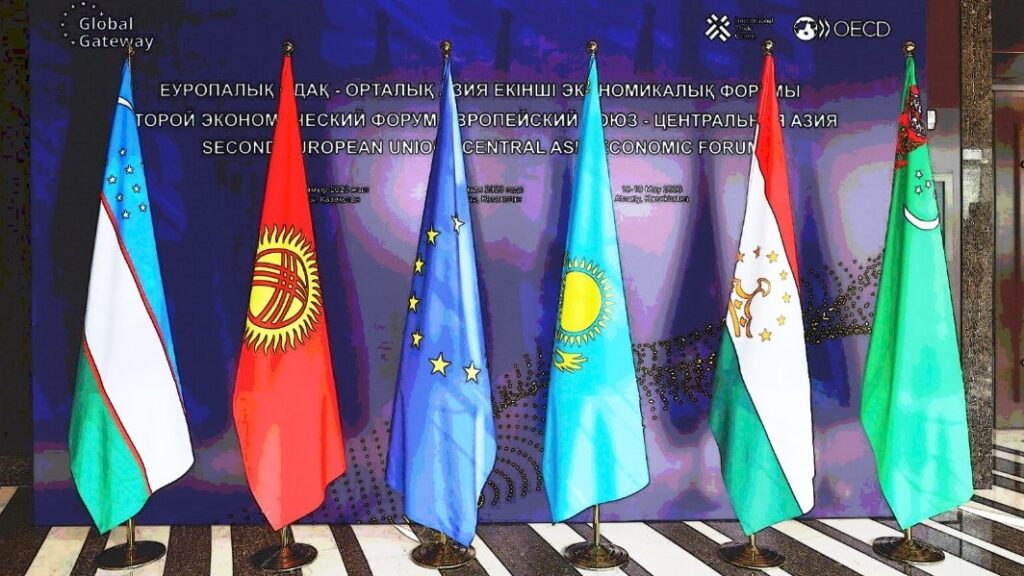
The first-ever summit between the European Union and the five Central Asian countries opened on April 3 in Samarkand, Uzbekistan. The meeting marks a milestone in regional diplomacy, as both sides seek to deepen cooperation amid growing geopolitical shifts. Kazakhstan, in particular, is entering the summit with growing international clout, thanks to its stable economic performance and balanced foreign policy approach. European Council President António Costa and European Commission President Ursula von der Leyen are representing the EU at the summit, which is being chaired by Uzbek President Shavkat Mirziyoyev. According to official sources, the summit aims to demonstrate mutual geopolitical interest and expand collaboration between Europe and Central Asia across key areas. The agenda includes strengthening multilateral ties, addressing shared security threats, enhancing economic and investment cooperation, and advancing collaboration under the EU’s Global Gateway initiative. Focus areas also include energy, climate neutrality, connectivity, and green transition, along with mobility and cultural exchange. The EU is already the region’s second-largest trading partner, accounting for 22.6% of Central Asia’s total foreign trade in 2023. It is also the largest source of foreign investment, responsible for over 40% of the region’s total inflows. Kazakhstan's President Kassym-Jomart Tokayev is attending the summit, following a bilateral meeting with President Mirziyoyev in Almaty on March 29. Also expected to participate are Kyrgyz President Sadyr Japarov, Tajik President Emomali Rahmon, and Turkmen President Serdar Berdimuhamedov. At the summit, the EU is set to unveil a substantial investment package for Central Asia, with priority sectors including transportation infrastructure, critical raw materials, energy transmission, and digitalization. European Commission President von der Leyen emphasized that Central Asia’s significant natural resources and industrial potential align with Europe’s sustainability goals. “Europe aims to create a complete value chain, not merely purchase raw materials. This is vital for generating local employment and upholding high environmental and social standards,” she said. Additional EU funding will be directed toward green energy projects and improvements to Uzbekistan’s water infrastructure. According to Tair Nigmanov, an international relations expert, the EU’s increased engagement stems from heightened geopolitical rivalry. “We are situated between major powers like Russia and China. The EU, as another global player, wants Central Asia to remain neutral and not gravitate toward any single power center,” Nigmanov told Inform.kz. “To that end, it is offering investment, trade opportunities, and political assurances.” For Kazakhstan, the summit presents a strategic platform to attract investment, reinforce its non-aligned stance, and leverage its growing geopolitical relevance in an increasingly multipolar world.

Trump’s Tariff Blitz Targets Global Imports, Kazakhstan Faces Harshest Impact in Central Asia

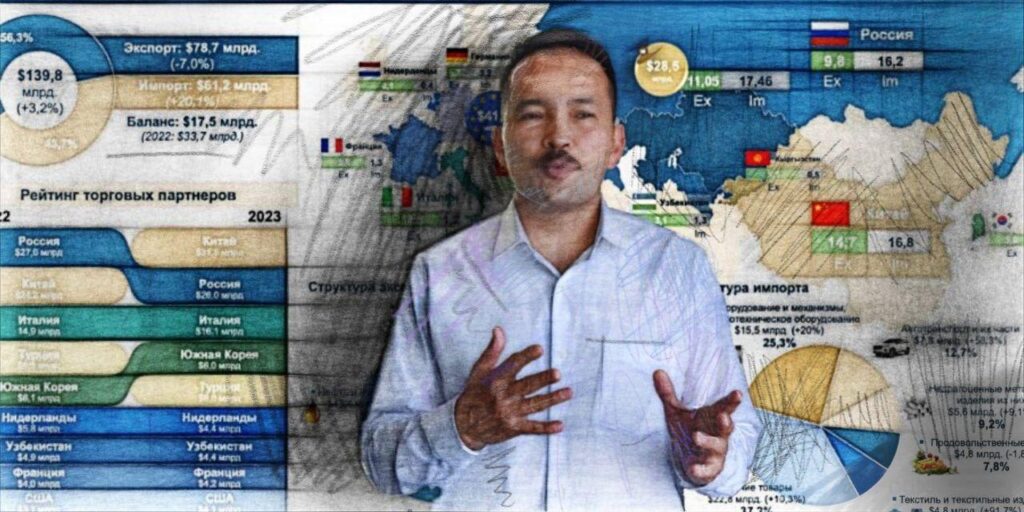
U.S. President Donald Trump has announced sweeping new tariffs on all goods imported into the United States, citing the need to protect American industry and jobs. Speaking at a White House press conference, Trump outlined a base tariff rate of 10% that will apply to 185 countries. However, several nations and blocs face significantly higher rates: China will see a 34% tariff, the European Union 20%, Switzerland 31%, and Israel 17%. The steepest tariffs were imposed on Vietnam (46%), Cambodia (49%), and Laos (48%). Notably absent from the list are Russia, Belarus, Mexico, Iran, Canada, and Belarus. Ukraine, however, will face the base 10% rate. Kazakhstan Hit with 27% Tariff The new U.S. duties also target Central Asian nations. According to a comparative chart published by the White House, Uzbekistan, Turkmenistan, Tajikistan, and Kyrgyzstan will face 10% tariffs on their exports to the U.S. Meanwhile, Kazakhstani goods will be subject to a much higher rate of 27%. The White House document notes that Kazakhstani imports currently face a 54% tariff in Kazakhstan, figures that surprised local analysts, who have questioned the methodology behind the calculations. The rationale for the elevated rate on Kazakhstan remains unclear. However, the country's Ministry of Trade and Integration has initiated consultations with his U.S. counterparts to explore options for exempting certain goods. According to a preliminary analysis, many of Kazakhstan’s key exports fall under exceptions outlined in U.S. regulations. “In 2024, trade turnover between Kazakhstan and the United States amounted to $4.2 billion,” the ministry stated. “Kazakhstan's primary exports to the U.S. - crude oil, uranium, silver, and ferroalloys - constitute 92% of total exports and are included in the exemption list under the U.S. President’s decree on reciprocal tariffs.” Turning Tariffs Into Opportunities Despite the steep new tariffs, some experts believe the impact on Kazakhstan will be limited. Financial analyst Rasul Rysmambetov argues that Kazakhstan’s marginal role in global trade dynamics shields it from major economic fallout. “The real battle is between the U.S. and the world’s largest economies, China and the EU,” Rysmambetov wrote on his Telegram channel. “Our trade with the U.S. accounts for less than 1% of Kazakhstan’s total foreign trade. Even with a 27% tariff, the effect will be negligible.” Rysmambetov noted that Kazakhstan exported over $2 billion worth of goods to the U.S. in 2024, while imports totaled $1 billion, maintaining a trade surplus for the tenth consecutive year. “We’re on the tariff list, but it’s mostly symbolic,” he added, emphasizing that Kazakhstan’s exports largely consist of strategic materials. Rysmambetov also sees potential upsides: countries facing new duties may seek alternative markets, possibly offering Kazakhstan better terms on imports such as equipment, metals, vehicles, and construction materials. “Global trade tensions can open windows of opportunity, for strategic borrowing, better equipment deals, and expanded exports. But quick action is key,” he concluded. International Backlash The U.S. move drew swift condemnation from European Commission President Ursula von der Leyen, who called the policy a “severe blow to the global economy.” “Uncertainty will...