• KGS/USD = 0.01144 0%
  • KZT/USD = 0.00211 0%
  • TJS/USD = 0.10802 -0.18%
  • UZS/USD = 0.00008 0%
  • TMT/USD = 0.28490 0%
  • KGS/USD = 0.01144 0%
  • KZT/USD = 0.00211 0%
  • TJS/USD = 0.10802 -0.18%
  • UZS/USD = 0.00008 0%
  • TMT/USD = 0.28490 0%
  • KGS/USD = 0.01144 0%
  • KZT/USD = 0.00211 0%
  • TJS/USD = 0.10802 -0.18%
  • UZS/USD = 0.00008 0%
  • TMT/USD = 0.28490 0%
  • KGS/USD = 0.01144 0%
  • KZT/USD = 0.00211 0%
  • TJS/USD = 0.10802 -0.18%
  • UZS/USD = 0.00008 0%
  • TMT/USD = 0.28490 0%
  • KGS/USD = 0.01144 0%
  • KZT/USD = 0.00211 0%
  • TJS/USD = 0.10802 -0.18%
  • UZS/USD = 0.00008 0%
  • TMT/USD = 0.28490 0%
  • KGS/USD = 0.01144 0%
  • KZT/USD = 0.00211 0%
  • TJS/USD = 0.10802 -0.18%
  • UZS/USD = 0.00008 0%
  • TMT/USD = 0.28490 0%
  • KGS/USD = 0.01144 0%
  • KZT/USD = 0.00211 0%
  • TJS/USD = 0.10802 -0.18%
  • UZS/USD = 0.00008 0%
  • TMT/USD = 0.28490 0%
  • KGS/USD = 0.01144 0%
  • KZT/USD = 0.00211 0%
  • TJS/USD = 0.10802 -0.18%
  • UZS/USD = 0.00008 0%
  • TMT/USD = 0.28490 0%

Viewing results 1 - 6 of 109

As Russia loses its luster, Tajik laborers head to Turkey

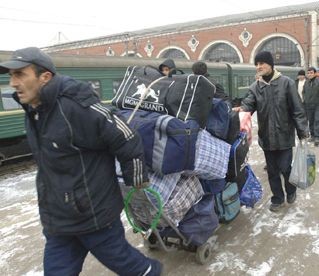
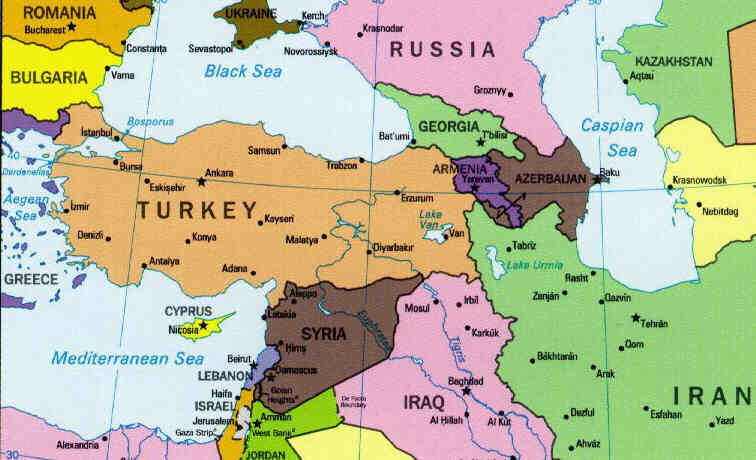
DUSHANBE (TCA) — Turkey has now become an attractive destination for labor migrants from Central Asia countries — including Tajikistan — instead of Russia. We are republishing the following article on the issue, originally published by Eurasianet: As you turn the corner from the stairs into the seventh floor corridor at Istanbul’s Hotel Malkoc, the strains of Persian-language pop music can sometimes be heard filtering through one of the doors. When Eurasianet visited recently, that was a clue that a long-time guest at the hotel might be from Tajikistan. Tahmina Hotamova is among the growing crowd of Tajiks spurning Russia as a place for work in favor of Turkey. Russia is a land of demoralizing hard work, where migration laws have been tightened and police routinely harass foreign laborers for bribes. Thousands of Tajiks are deported from there every year and banned from returning. In Turkey, authorities adopt a more laissez-faire approach. Hotamova moved to Istanbul three years ago. She lives at the Malkoc because it is cheap – the broken lift helps ensure that – and in the heart of the bustling commercial district of Laleli. Her room is spartan and small. There is little space for Hotamova to keep all her possessions. The dressing table is half filled with cosmetics and perfumes. From the late 1990s until 2015, Hotamova lived in Dushanbe dealing in jewelry. “Trading has been my life since childhood. I used to work with my mother, then I started my own business. Once I gained confidence, I took out a $100,000 loan from the bank,” she said. With that money, she bought gems at $32 a gram. And then calamity struck. Her mother became gravely ill and died a month later. “I couldn’t work. I gave my gold to others to sell. And they took advantage and abandoned me. One left for Russia, another hid from me. And on top of that, the [2015 financial] crisis hit. Banks demanded their money back, but I had nothing to give back,” she said. The bank said it would have to confiscate the home where Hotamova lived with her seven children. She was forced to sell her gems at $26 per gram, so she could at least repay some of the money and negotiate an extension on her loan agreement. After that, she moved to Turkey, where she intends to stay at least until her debts are cleared. “I am doing here what I was doing before – I am selling gold in a shop. And if they put in orders in Tajikistan for gold, in bulk or for private use, I send it,” Hotamova said. Another sideline for Hotamova is helping the Tajik shuttle traders who make money carrying packages of wares for sale back home. The more clothes they can stuff into their dense, taped bundles, the more money they earn. As an experienced hand, Hotamova is especially skilled at the art of wrapping packages and does so regularly for a fee. “There is a flight...

Development dialogue addresses migration policy in Kyrgyzstan

BISHKEK (TCA) — Government representatives, development partners, and experts gathered in Bishkek on March 1 to share inputs on the development of a comprehensive long-term, evidence-based migration policy for Kyrgyzstan. The half-day Development Dialogue on “Comprehensive Long-Term Evidence-Based Migration Policy for the Kyrgyz Republic” was co-organised by the United Nations (UN) in Kyrgyzstan, and the University of Central Asia’s (UCA) Institute of Public Policy and Administration (IPPA). This was the second in a series of six such development dialogues. Continue reading

International Labour Organization delegation visits Uzbekistan

TASHKENT (TCA) — The President of Uzbekistan Shavkat Mirziyoyev on December 14 met with the Director-General of the International Labour Organization (ILO) Guy Ryder at Tashkent International Airport, the official Jahon information agency reported. Continue reading

Central Asia: Who benefits from labor migration?

BISHKEK (TCA) — External labor migration in general is beneficial to Central Asia countries, because it contributes to the solution of many acute social and economic problems. Labor migration is beneficial both to host countries, such as Kazakhstan, and to Uzbekistan, Kyrgyzstan, Tajikistan, and Turkmenistan, the main suppliers of labor force. Continue reading

Afghanistan has highest unemployed workforce in the world

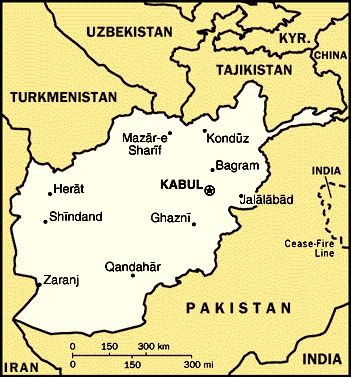
KABUL (TCA) — The International Labor Organization (ILO) said the unemployment rate in Afghanistan is around 30 percent, which is the highest recorded in the world at present, Afghan broadcaster TOLOnews reports. Continue reading

Kyrgyzstan: Textile and Clothing Week held in Bishkek

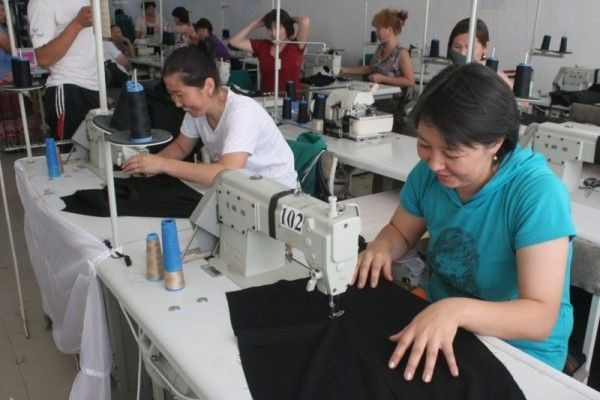
BISHKEK (TCA) — A Textile and Clothing Week was held in Bishkek from November 7 to 16. It was the first large-scale event in the history of Kyrgyzstan devoted to the development of the textile and apparel sector. As part of the event, roundtables, a Fashion Week and a High Level Forum were held. At the awarding ceremony, winners of competitions of young designers, industrial enterprises, craftsmen and the media were announced. An exhibition-fair of garments from local manufacturers took place, where local companies showcased their fabrics, clothes, shoes, and accessories. The event was organized by the Kyrgyz Government, the Legprom Light Industry Enterprises Association of Kyrgyzstan, Fashion Designers Association of Kyrgyzstan, development partners including UNDP, EBRD, and ILO, and Russian-Kyrgyz Development Fund. On November 16, a high-level Forum discussed how the State could support the industry to attract labor to the sector, improve the training system and ensure decent working conditions and tools for financing the clothing industry, as well as to enhance its export competitiveness. At the end of the forum, its participants adopted a Resolution on the State’s measures to support the industry. Priority sector Textile and clothing production is among the priority sectors of Kyrgyzstan’s economy. The industry has a high export potential and is of special social significance for the country, as it creates mass jobs. According to the National Statistical Committee, more than 45 thousand people are employed in the textile and clothing industry of Kyrgyzstan. Considering that many enterprises work in the shadow economy, the number of people employed in this sector, according to various estimates, ranges from 200,000 to 300,000. Over 90% of the sector’s workers are women. The garment products rank third in Kyrgyzstan’s export. Over the eight months of this year, garment enterprises exported goods worth $157 million. According to the Economy Ministry, production of the clothing industry has increased by 15% over the past three years. In terms of the volume of imported garment products to Russia, Kyrgyzstan ranks the fifth after China, Turkey, Italy, and Germany. This indicates high quality of Kyrgyzstan’s products. Shortage of labor The garment industry badly lacks personnel while the existing staff has low qualifications, said President of the Legprom Association Saparbek Asanov at the forum.Most industry companies are located in Bishkek and near it, while the bulk of the workforce is available in rural areas, which results in a systemic gap in the human resources. The problem of personnel outflow is related to a high level of migration of skilled and unskilled sewing workers to Russia. Russian companies offer better working conditions for employees, including wages and benefits. Young people prefer to go abroad to earn money to buy homes in Kyrgyzstan. The average age of workers in the sewing industry is 35-40 years. Women in the garment industry mainly came to Bishkek from the regions and have problems with housing, access to healthcare and education services. According to the Association of Light Industry Enterprises, there are over one thousand vacancies in the...