• KGS/USD = 0.01144 0%
  • KZT/USD = 0.00211 0%
  • TJS/USD = 0.10802 -0.18%
  • UZS/USD = 0.00008 0%
  • TMT/USD = 0.28490 0%
  • KGS/USD = 0.01144 0%
  • KZT/USD = 0.00211 0%
  • TJS/USD = 0.10802 -0.18%
  • UZS/USD = 0.00008 0%
  • TMT/USD = 0.28490 0%
  • KGS/USD = 0.01144 0%
  • KZT/USD = 0.00211 0%
  • TJS/USD = 0.10802 -0.18%
  • UZS/USD = 0.00008 0%
  • TMT/USD = 0.28490 0%
  • KGS/USD = 0.01144 0%
  • KZT/USD = 0.00211 0%
  • TJS/USD = 0.10802 -0.18%
  • UZS/USD = 0.00008 0%
  • TMT/USD = 0.28490 0%
  • KGS/USD = 0.01144 0%
  • KZT/USD = 0.00211 0%
  • TJS/USD = 0.10802 -0.18%
  • UZS/USD = 0.00008 0%
  • TMT/USD = 0.28490 0%
  • KGS/USD = 0.01144 0%
  • KZT/USD = 0.00211 0%
  • TJS/USD = 0.10802 -0.18%
  • UZS/USD = 0.00008 0%
  • TMT/USD = 0.28490 0%
  • KGS/USD = 0.01144 0%
  • KZT/USD = 0.00211 0%
  • TJS/USD = 0.10802 -0.18%
  • UZS/USD = 0.00008 0%
  • TMT/USD = 0.28490 0%
  • KGS/USD = 0.01144 0%
  • KZT/USD = 0.00211 0%
  • TJS/USD = 0.10802 -0.18%
  • UZS/USD = 0.00008 0%
  • TMT/USD = 0.28490 0%

Viewing results 1 - 6 of 109

A comprehensive reform program is key to development and shared prosperity in Tajikistan

DUSHANBE (TCA) — The International Entrepreneurship Forum held earlier this month in Tajikistan has demonstrated a widespread recognition of the potential effectiveness of a reform program that would provide the private sector with sufficient space and security for more dynamic business activities, states Jan-Peter Olters, World Bank Country Manager for Tajikistan, in the following opinion article, originally published on the World Bank website: Continue reading

Kazakhstan laborers head to South Korea for a better life

ASTANA (TCA) — Despite the government’s reports on economic growth in Kazakhstan, many Kazakh citizens that failed to find good job opportunities at home have moved abroad to earn their living. We are republishing this article on the issue, written by Almaz Kumenov, originally published by Eurasianet: Labor migration in Central Asia is most typically associated with the region’s economically weaker nations — Kyrgyzstan, Tajikistan and Uzbekistan. But as Kazakhstan has struggled in recent years amid a slump in global oil prices, its nationals too have looked overseas for employment prospects in low-skilled sectors. South Korea has been a particularly strong draw. Edil Soranbayev, 34, is one of thousands breaking the stereotype of the Kazakh abroad as big-spending property-buyer or a leisure tourist. Last year he left Almaty, Kazakhstan’s business capital, to settle in Boryeong, a city of around 100,000 people on Korea’s Yellow Sea. He lives and works illegally on a building site, ever-vigilant for the migration officials in search of foreigners without papers. When Soranbayev was back in Almaty, he worked as a cook in a restaurant. A decade ago, he took out a large loan to buy a plot of land outside Almaty on which to build a home. Since then, the Kazakh tenge has taken several deep tumbles against the dollar, heavily exposing those who took out foreign currency-denominated credit. On his salary, Soranbayev found himself unable to pay back the loan. In Korea, he makes no less than $100 a day. “When oil cost more than $100 [a barrel], Kazakhstan’s economy was growing stably and we had good salaries, which made it possible to make big purchases and travel often. Now we have tightened our belts,” Soranbayev told Eurasianet in a telephone interview. Kazakhstan’s good times dried up in 2015, when global oil prices fell. But a slim lifeline had appeared around the same time for those willing to work abroad. In the summer of 2014, Kazakhstan and South Korea reached an agreement to mutually scrap visa requirements for short-term visitors. As Rashida Shaikenova, head of the Kazakhstan Tourism Association, explained to Eurasianet, South Koreans had hoped to tap into demand for medical tourism. Korea is among the most favored destinations for people in Kazakhstan seeking good-quality health treatment overseas. Seoul received another kind of visitor, however. Many Kazakhs would travel to Korea pretending to be visitors, and then look for work and overstay the 30-day limit. Over the past couple of years, the number of Kazakh citizens caught violating Korean migration laws increased 15-fold, according to officials in Seoul. The Foreign Ministry in Astana estimates that almost 12,000 Kazakhs are working in South Korea illegally. The Koreans have in response tightened rules for visiting Kazakhs. It is now obligatory for tourists from Kazakhstan to clearly document their reason for traveling and to provide additional paperwork, such as return tickets and invitations from medical clinics or tourist agencies. And even then, privately owned visa-assistance services warn that migration officials in Seoul still reserve the right...

Kazakhstan’s Human Capital Index higher than Central Asia’s average — World Bank

ASTANA (TCA) — A child born in Kazakhstan today will be 75 percent as productive, when grown up, as he or she could be if enjoyed complete education and full health, according to a new Human Capital Index released by the World Bank on October 11. Continue reading

Policies must address inequality of opportunity in Central Asia — WB

BISHKEK (TCA) — Labor, taxation and social welfare policies in countries around Europe and Central Asia must be brought into the 21st century to tackle rising inequality between groups and help workers face increased uncertainty, says a new World Bank study. Continue reading

Forced labor in Uzbekistan’s cotton industry – a hard nut to crack

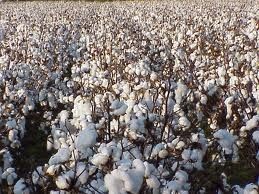
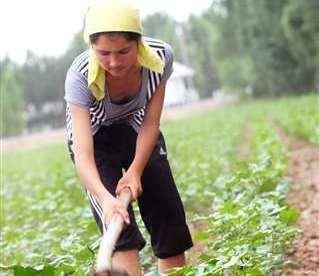
TASHKENT (TCA) — Uzbekistan has achieved a remarkable progress in the elimination of forced and child labor in its cotton industry, but Uzbek officials cannot guarantee that the practice will disappear overnight. We are republishing this article on the issue, written by Joanna Lillis, originally published by Eurasianet: There is a palpable buzz in the air in Uzbekistan these days, following a decision by the U.S. Department of Labor to remove the country from a blacklist of cotton producers that rely on child workers. Responding to the decision, as laid out in a Department of Labor report published last week, the Uzbek External Trade Ministry predicted exciting developments. “It will open the path to potential cooperation with leading foreign brands in the textile industry – Gucci, Louis Vuitton, H&M, OGGI, Adidas, Nike and others. It will also create new opportunities to develop exports of textile goods to developed countries, including nations in the European Union and North America, and Japan,” the ministry said. For a country that has faced almost a decade of escalating industry embargoes against its cotton exports, these should be exciting times. Rights groups warn, however, against complacency and say more needs to be done rooting out forced labor before Uzbek cotton’s reputation is fully sanitized. The process of independently vetting standards during cotton-harvesting season, which is currently underway, has fallen on rights activists and, more recently, the International Labor Organization, or ILO. On a recent afternoon in mid-September, a dozen rights campaigners gathered at a Tashkent hotel for an event held under the ILO’s auspices to engage in a debate that would have been unthinkable even just a couple of years ago. The campaigners, who have been registered on the government’s coordinating council on forced labor, included some perennial figures of Uzbekistan’s tiny and beleaguered human rights community, such as Yelena Urlayeva and Sukhrat Ganiyev. Discussions revolved around how exactly forced labor could properly be defined. Do only open intimidation and threats of reprisals apply, or does psychological manipulation count? Positions on this point vary, which is what makes this year’s planned harvest-monitoring exercise noteworthy. “The people who are in the room today will be participating in […] monitoring this year. This is quite a big development. It’s something that builds on the dialogue that we have facilitated with the government since 2017,” Jonas Astrup, the ILO’s chief technical advisor in Tashkent, told Eurasianet on the sidelines of the training event. One of the more nuanced areas for consideration in evaluating the scale of forced labor is the extent to which long-standing traditions of communal work and social mores can be said to apply. Khashar, ostensibly voluntary group labor to help the community, and andisha, an Uzbek term that defies translation but can describe anything from concepts of tact and social conscientiousness to prudence, caution or discretion, are common ways of mobilizing a workforce for large short-term efforts. Labor rights campaigners are under no illusions that their job will be easy this fall, but with campaigners...

To boost agricultural exports, Central Asia states should end child labor

BISHKEK (TCA) — Central Asian countries intend to increase their export of agricultural products to the partner countries in the Eurasian Economic Union, as well as to the European Union. Continue reading