• KGS/USD = 0.01144 0%
  • KZT/USD = 0.00218 0%
  • TJS/USD = 0.10637 -0.19%
  • UZS/USD = 0.00008 0%
  • TMT/USD = 0.28530 0%
  • KGS/USD = 0.01144 0%
  • KZT/USD = 0.00218 0%
  • TJS/USD = 0.10637 -0.19%
  • UZS/USD = 0.00008 0%
  • TMT/USD = 0.28530 0%
  • KGS/USD = 0.01144 0%
  • KZT/USD = 0.00218 0%
  • TJS/USD = 0.10637 -0.19%
  • UZS/USD = 0.00008 0%
  • TMT/USD = 0.28530 0%
  • KGS/USD = 0.01144 0%
  • KZT/USD = 0.00218 0%
  • TJS/USD = 0.10637 -0.19%
  • UZS/USD = 0.00008 0%
  • TMT/USD = 0.28530 0%
  • KGS/USD = 0.01144 0%
  • KZT/USD = 0.00218 0%
  • TJS/USD = 0.10637 -0.19%
  • UZS/USD = 0.00008 0%
  • TMT/USD = 0.28530 0%
  • KGS/USD = 0.01144 0%
  • KZT/USD = 0.00218 0%
  • TJS/USD = 0.10637 -0.19%
  • UZS/USD = 0.00008 0%
  • TMT/USD = 0.28530 0%
  • KGS/USD = 0.01144 0%
  • KZT/USD = 0.00218 0%
  • TJS/USD = 0.10637 -0.19%
  • UZS/USD = 0.00008 0%
  • TMT/USD = 0.28530 0%
  • KGS/USD = 0.01144 0%
  • KZT/USD = 0.00218 0%
  • TJS/USD = 0.10637 -0.19%
  • UZS/USD = 0.00008 0%
  • TMT/USD = 0.28530 0%

Viewing results 1 - 6 of 66

Turkmenistan Opens Additional Crossings as Uzbekistan Evacuates Citizens from Iran

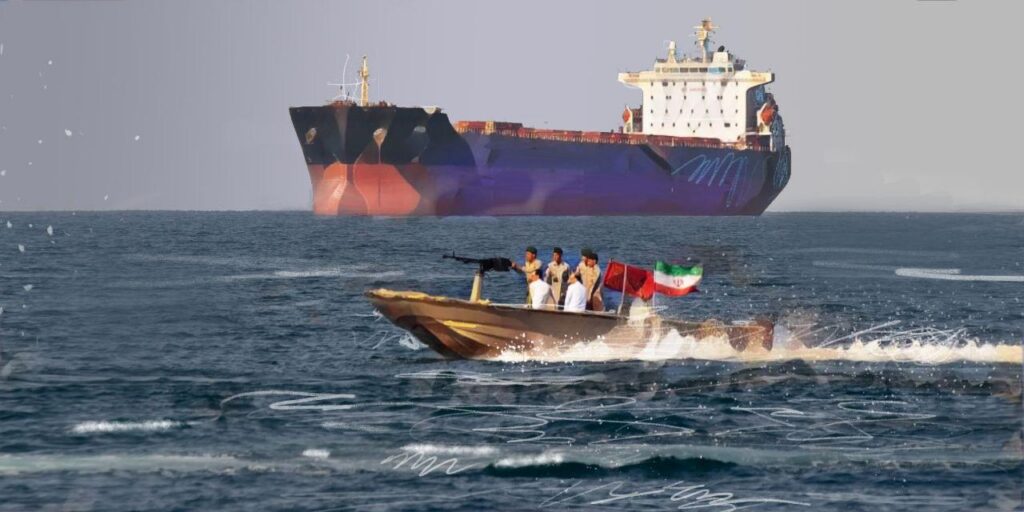
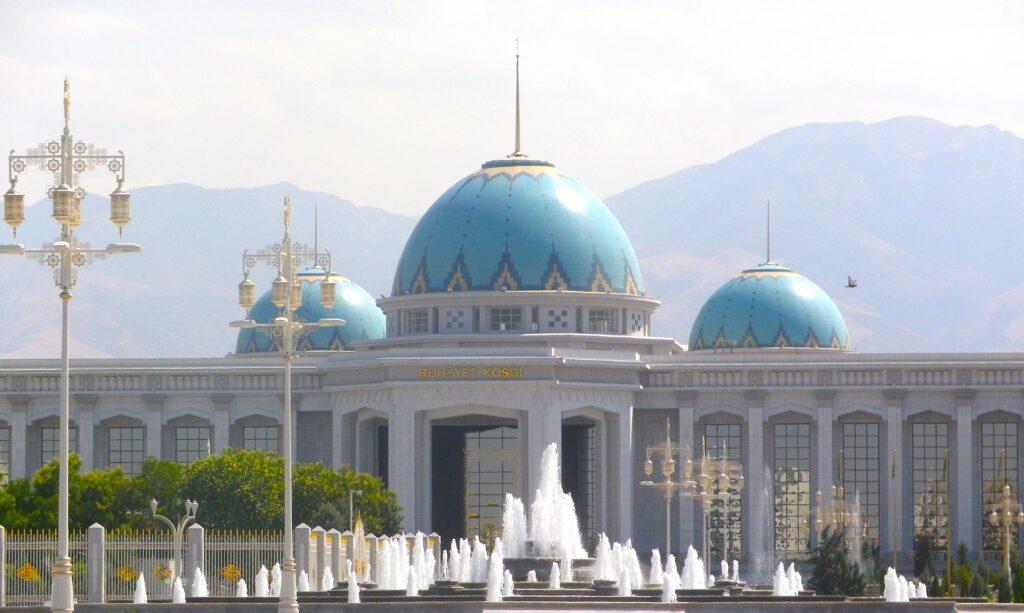
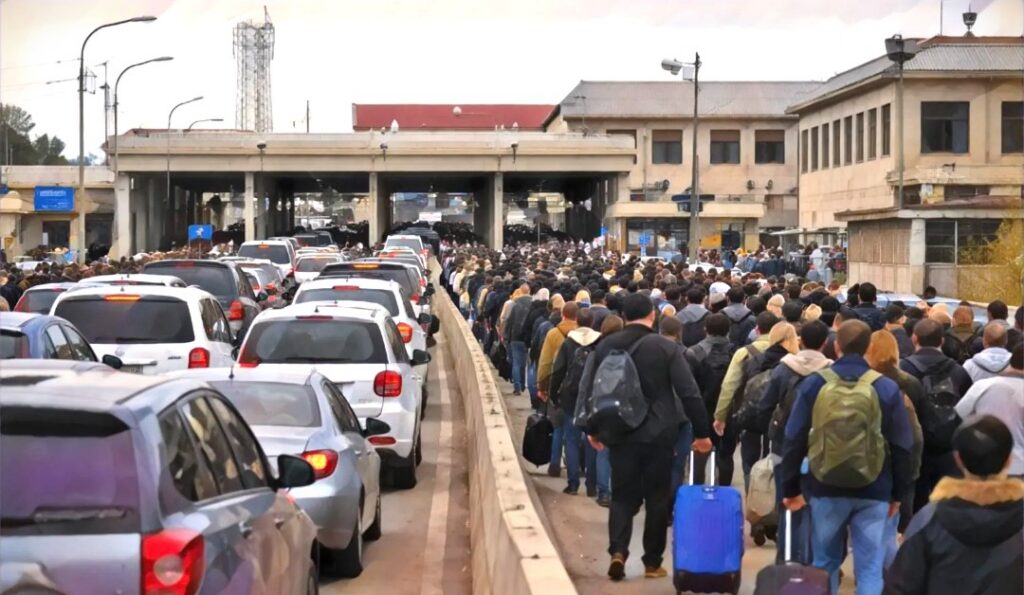
Turkmenistan has opened several additional checkpoints on its border with Iran to allow foreign citizens to leave the country as fighting in the Middle East continues. The Russian Embassy in Ashgabat said the Turkmen authorities have opened four additional crossings along the Turkmen-Iranian frontier: Artyk–Lutfabad, Gaudan–Bajgiran, Akyayla–Incheburun, and Altyn Asyr–Incheburun. These operate alongside the Sarakhs crossing, which had already been used for evacuation transit. The move expands an overland route through Central Asia for foreigners seeking to leave Iran while air travel across parts of the Middle East remains disrupted. Uzbekistan has begun using this corridor to assist its citizens. The country’s Ministry of Foreign Affairs said diplomatic staff and official vehicles have been deployed to the Sarakhs crossing to receive Uzbek nationals arriving from Iran and organize their onward transport across Turkmenistan toward Uzbekistan. Uzbek outlet Daryo reported on March 4 that Uzbekistan had already repatriated 13 citizens from Iran via Turkmenistan. Russia has also pointed citizens toward the Turkmen route. The Russian Embassy in Ashgabat said its citizens unable to leave Iran by air could exit through Turkmenistan and should register with the Russian Embassy in Tehran, which is coordinating assistance for citizens inside Iran. The embassy noted that Turkmenistan maintains strict entry rules and normally requires special permits for foreign visitors. Despite those restrictions, the country has previously allowed evacuation transit from Iran during earlier regional crises. The additional crossings create another evacuation corridor alongside the route from Iran into Azerbaijan through the Astara border crossing on the Caspian coast. Foreign nationals have already used that crossing to leave Iran in recent days, including citizens from Central Asia. The Turkmenistan route provides a more direct path back into the region for evacuees traveling toward Uzbekistan and other Central Asian countries. Turkmenistan shares a 1,148-kilometer border with Iran. Ashgabat, the Turkmen capital, sits only about 25 kilometers north of the frontier, and several transport links connect the two countries. Sarakhs functions as an established rail and road gateway used for trade and freight movement between the two countries. In recent years, Turkmenistan and Iran have also discussed expanding rail and freight transit through the Sarakhs crossing as part of broader regional transport corridors linking Central Asia to southern markets. Turkmenistan also exports natural gas to northern Iran under swap arrangements in which Tehran delivers equivalent volumes to Azerbaijan, which could disrupt regional logistics and energy flows. The expansion of border crossings increases the capacity for organized departures from Iran and provides foreign governments with an additional land route when other exit corridors become congested. For Central Asian governments, the immediate priority remains the safe movement of their nationals out of the conflict zone. The opening of additional Turkmen checkpoints provides another corridor linking Iran to Central Asia and may ease pressure on evacuation routes through the South Caucasus.

Middle East Conflict May Slow Growth, but Gold and Oil Dynamics Could Cushion Impact

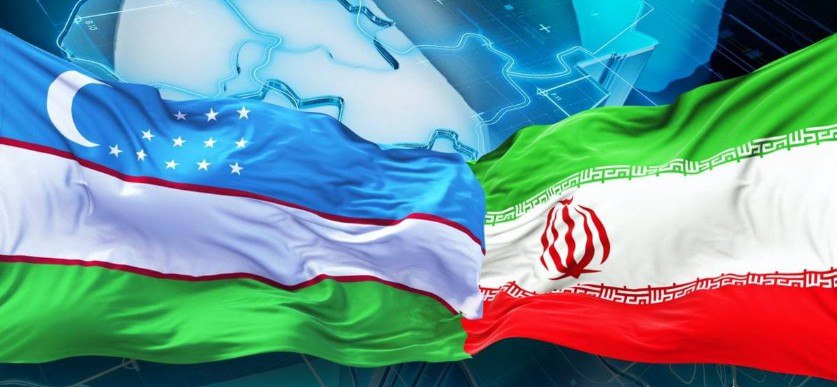
The escalating conflict in the Middle East could weigh on Uzbekistan’s economic growth if it persists, though higher gold prices and oil-driven gains in key partner economies may soften the impact, according to Uzbek economist Mirkomil Kholboyev. Kholboyev shared his analysis on his Telegram channel, examining both the direct and indirect channels through which the crisis could affect Central Asia’s largest economy. “Several days of geopolitical tensions in the Middle East have already turned into open military confrontation,” he wrote. “It is still difficult to say how long this situation will last. If it is short-term and the previous status quo is restored, the impact on our economy will likely be limited and temporary. But if the war continues for a longer period, the consequences could be more significant.” Direct trade exposure appears limited. According to data from Uzbekistan’s national statistics portal, the country exported $157 million worth of goods to Iran in 2025, accounting for just 0.5% of total exports. Imports from Iran totaled $421 million, or 0.9% of overall imports. Trade with Israel was even smaller, with exports of $33 million and imports of $22 million. “Even a complete halt in trade with these countries would not significantly affect total exports,” Kholboyev wrote, though he noted that export and import growth could slow. Iran also plays a role as a transit hub. Its ports are part of broader regional logistics networks, including the Central Asia-India corridor via Chabahar and the International North-South Transport Corridor (INSTC). According to a regional analytical report, Uzbekistan accounts for 5.5% of total traffic along this route, compared with 61.1% for Kazakhstan and 29.4% for Turkmenistan. Kholboyev pointed out that while some of Uzbekistan’s trade passes through Iranian ports, the country is less dependent on them than other Central Asian countries. Still, he cautioned that prolonged fighting would inevitably disrupt both direct trade and transit flows. “I do not have precise data on how much of our total foreign trade passes specifically through Iranian ports,” he wrote. “That makes it difficult to assess the full effect. But if the war continues, both direct trade and transit through Iran will suffer serious damage.” Even if trade with the wider region, including Iran and other countries affected by hostilities, were to stop entirely, Kholboyev estimates the impact would remain moderate. The region accounts for about 2.4% of Uzbekistan’s exports and 1.5% of imports. A complete halt could slow export growth by roughly 3% and imports by about 2.5%, reducing overall GDP growth by around 0.6 percentage points. A 50% reduction in trade with the region would shave an estimated 0.2-0.3 percentage points off GDP growth. Energy markets represent a more significant risk channel. As trading resumed after the latest escalation, global oil prices rose by about 9%, driven by concerns over potential disruptions in the Strait of Hormuz, through which roughly one-fifth of global oil consumption passes. “If tensions escalate further and oil flows are restricted, or if prices continue rising amid uncertainty, this could slow...

Escalation in the Middle East Threatens Kyrgyzstan’s Agricultural Export Potential

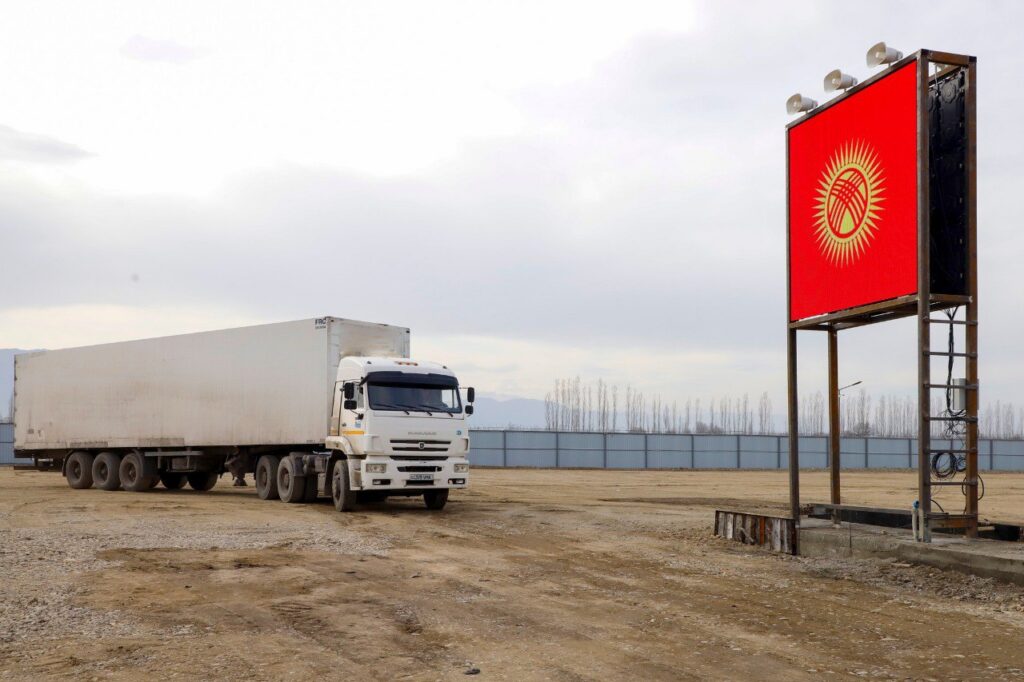
Escalating tensions in the Middle East are putting pressure on Kyrgyzstan’s export routes, a significant portion of which previously transited through Iranian territory. Iranian ports in the Persian Gulf and on the Caspian Sea have provided Kyrgyz producers with access to markets in the Middle East and Europe. According to the National Statistical Committee of Kyrgyzstan, cattle exports from Kyrgyzstan declined fivefold in 2024. In 2025, domestic meat prices rose sharply amid what authorities described as uncontrolled exports of cattle carcasses, primarily to Uzbekistan and Tajikistan. In response, the State Antimonopoly Service introduced maximum retail prices for lamb and beef in the domestic market and imposed a temporary ban on livestock exports to neighboring countries. To stabilize supply, the government approved meat imports from India for processing plants, while domestic production was intended to meet internal demand. Against this backdrop, many farmers shifted their focus to exporting chilled meat to Iran. In 2024, shipments resumed, beginning with an initial 10-ton consignment, after which volumes gradually increased. The Ministry of Agriculture announced plans to raise lamb exports to Iran to 1,000 tons. In addition to meat, Kyrgyz companies exported legumes, grains, and dried vegetables to Middle Eastern markets via Iranian ports. Honey, beans, and nuts were also shipped to Europe using Iranian transit routes. However, in the context of renewed military tensions, Kyrgyz exporters may now need to seek alternative logistics corridors or new destination markets. Any rerouting is likely to increase transportation costs and reduce the price competitiveness of Kyrgyz agricultural products. In 2023, the Eurasian Economic Commission signed a free trade agreement with Iran, which entered into force on May 15, 2024. The agreement provides for the creation of “green customs corridors,” the digitalization of trade procedures, and the introduction of electronic transit mechanisms. According to EEC Minister for Trade Andrey Slepnev, the deal was intended to facilitate accelerated access to the Iranian market for companies from the Eurasian Economic Union. Under the agreement, goods from EAEU member states benefit from tariff preferences, including zero or reduced import duties in Iran. Iranian products receive comparable preferences within the EAEU market. Last year, Tehran also proposed that Bishkek consider establishing its own merchant fleet, using Iranian ports in the Persian Gulf and the Caspian Sea to export Kyrgyz agricultural products and expand transit opportunities.

Escalation with Iran at the Epicenter: How Central Asian Countries Are Reacting

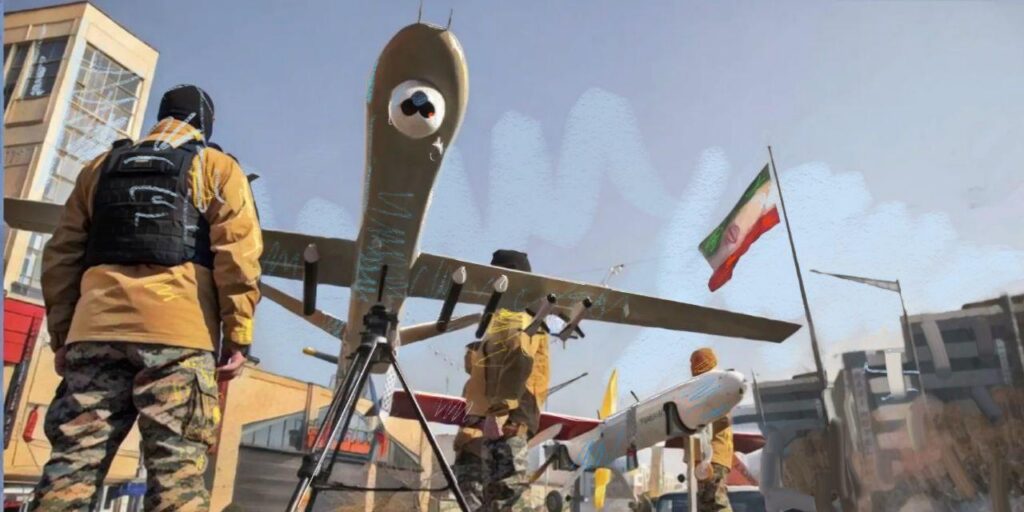
Over the past weekend, the Middle East has once again become a focal point of global tensions. At the center of the escalation is Iran, a country with which Central Asian states intensified engagement last year following the visit of President Masoud Pezeshkian to the region. As events unfold, the potential regional and economic consequences have become a key concern for Central Asian leaders. Kazakhstan President Kassym-Jomart Tokayev responded swiftly on February 28, as Iran was reportedly preparing a retaliatory strike targeting not only Israel, which, together with the U.S., had assumed responsibility for the latest escalation, but also several Arab states in the Persian Gulf. On February 27, Tokayev received U.S. Ambassador to Kazakhstan Julie Stufft. According to the official readout, the sides exchanged views “on further cooperation within the framework of the Board of Peace.” While it remains unclear whether the meeting was directly linked to impending military developments, Kazakhstan’s leadership moved quickly the following day. On February 28, the president instructed Security Council Secretary Gizat Nurdauletov, together with the heads of law enforcement agencies and relevant ministries, to prepare an emergency action plan in light of the escalating situation around Iran and potential risks to domestic stability. All law enforcement agencies were placed on heightened alert, and a special monitoring group was established within the government under the supervision of the Ministry of Foreign Affairs. Regional governors were instructed to assess potential risks stemming from developments in the Middle East. Late on March 1, presidential press secretary Aibek Smadiyarov announced that Tokayev had sent personal messages to the leaders of the United Arab Emirates, Saudi Arabia, Qatar, Bahrain, and Kuwait, expressing solidarity and support during what he described as a difficult period. Tokayev strongly condemned military actions that undermine the sovereignty and security of states friendly to Kazakhstan. “Our country consistently advocates resolving complex international problems and armed conflicts exclusively through diplomatic means,” Tokayev stated. He also expressed Kazakhstan’s readiness to provide assistance if necessary and reaffirmed the importance of maintaining working contacts with regional leaders. Subsequently, Tokayev held telephone conversations with Emir of Qatar Sheikh Tamim bin Hamad Al Thani and President of the United Arab Emirates Sheikh Mohammed bin Zayed Al Nahyan. In both calls, Tokayev expressed serious concern over the escalation and reiterated Kazakhstan’s support and solidarity. During the conversation with the UAE president, Tokayev also noted reports that civilian infrastructure had been damaged and stated that attacks on civilian targets deserve strong condemnation. Sheikh Mohammed bin Zayed Al Nahyan thanked Kazakhstan for its support and expressed appreciation for its readiness to assist in overcoming the crisis. Uzbekistan Uzbekistan, alongside Kazakhstan, suspended flights to several Middle Eastern destinations, with some aircraft reportedly turning back after departure. The Ministry of Foreign Affairs issued emergency contact information for Uzbek diplomatic missions and urged citizens abroad or planning to travel, to closely monitor official updates from host countries and Uzbek embassies. The ministry advised citizens to maintain communication with diplomatic missions, register with consular services when necessary,...

Syria After Assad: What the New Regional Order Means for Central Asia

The overthrow of Bashar al-Assad in December 2024 fundamentally reshaped Syria’s regional position. The collapse of the old power structure weakened Iran’s entrenched military and economic networks and left Russia’s previously secured foothold uncertain. As Damascus enters a new political phase, external actors are recalibrating their strategies in a landscape that looks markedly different from that of the past decade. For Central Asian governments, the shift is not merely regional. Syria is becoming a testing ground for how mid-sized states navigate post-conflict environments shaped by larger powers, and a potential arena for economic and diplomatic outreach. As influence is redistributed and new investment and trade corridors are reconsidered, decisions taken in Damascus will increasingly intersect with Central Asia’s own foreign policy and economic calculations. In this emerging landscape, a power vacuum is being filled by states seeking to advance their interests. From the earliest days of Syria’s post-Assad transition, Turkey has been particularly active. As part of its declared comprehensive support for the new Syrian authorities, Ankara has taken steps to consolidate its position in the Syrian Arab Republic. Turkey is actively participating in infrastructure reconstruction, investing in economic projects, and expanding military-technical cooperation with Damascus. In August 2025, Syria and Turkey signed a military cooperation agreement covering areas including counterterrorism training, cybersecurity, demining, military engineering, logistics, and enhanced coordination between their armed forces. That same month, the two sides agreed to establish an intergovernmental business council under the Turkish Foreign Economic Relations Board to promote trade and investment cooperation between public and private companies. Turkish exports to Syria reached $3 billion in 2025, reflecting the rapid expansion of Ankara’s economic presence. For Central Asia, Ankara’s activism carries particular weight. Turkey has simultaneously deepened its political, economic, and security cooperation across the Turkic world, meaning its posture in Syria intersects with its broader regional strategy. A central element of Turkey’s Syria policy remains the issue of refugee returns. However, the prospect of large-scale repatriation is complicated by several factors, notably the long-term presence of around 2.5 million Syrian displaced persons in Turkish society and the absence of stable socio-economic conditions in Syria to support reintegration. Over more than a decade of conflict, a generation of Syrians has grown up in Turkey, many of whom are deeply embedded in the country’s social and economic life. Turkey’s obligations under the 1951 UN Convention Relating to the Status of Refugees, including the principle of non-refoulement, further constrain policy options. Taken together, these factors make large-scale return unlikely until Syria achieves sustained political stabilization and adequate living conditions. In the longer term, Turkey’s objective of neutralizing what it describes as the Kurdish threat emanating from Syrian territory will continue to shape its strategy. Israel has also intensified its military and political engagement since the change of power in Damascus. It has taken steps to establish control over areas adjacent to the Golan Heights and to create a buffer zone, arguing that such measures are necessary to safeguard national security against potential terrorist threats. Israeli officials...

Uzbekistan Agrees to Join U.S.-Proposed Board of Peace

Uzbekistan has received and accepted an official invitation from U.S. President Donald Trump to join a new international initiative aimed at promoting peace and resolving conflicts in the Middle East, according to the press secretary of the President of Uzbekistan. The invitation, addressed to President Shavkat Mirziyoyev, proposes Uzbekistan’s participation as a founding member of a newly established Peace Council. The initiative is anchored in a comprehensive plan to end the conflict in Gaza, which was announced on September 29, 2025, supported by several global leaders, and endorsed by United Nations Security Council Resolution 2803, adopted on November 17, 2025, the presidential press service stated. According to the letter from the White House, the initiative seeks to unite countries willing to take responsibility for fostering long-term peace, stability, and security in the Middle East. The Peace Council is envisioned as an international body that would initially focus on Gaza, with a broader mandate to address other conflicts over time. In his response, President Mirziyoyev affirmed Uzbekistan’s readiness to join the Peace Council as a founding member. He called the initiative a significant step toward resolving enduring conflicts in the Middle East and promoting peace and stability across the wider region. In recent years, Tashkent has sought to expand its international role through dialogue-oriented diplomacy while avoiding formal military or bloc alignments. As previously reported by The Times of Central Asia, Kazakhstan has also accepted an invitation to join the Peace Council. The offer, addressed to President Kassym-Jomart Tokayev, was confirmed by Ruslan Zheldibay, assistant to the Kazakh president’s press secretary. Zheldibay stated that Tokayev was among the first world leaders to receive an official invitation from President Trump. “Yes, President Kassym-Jomart Tokayev received an official invitation to join the Peace Council, and Kazakhstan was invited to become one of its founding states,” Zheldibay said. He added that Tokayev responded with gratitude, confirmed Kazakhstan’s participation, and reaffirmed the country’s intention to contribute to a lasting peace in the Middle East and broader global stability. According to a report by Reuters, international reactions to Trump’s proposal have been cautious. The initiative, sent to approximately 60 countries, has raised concerns among some diplomats who worry it could undermine the role of the United Nations. Reuters also reported that the Peace Council would be chaired for life by President Trump and would initially focus on Gaza before expanding its scope to other global conflicts. Member states would serve three-year terms, unless they contribute $1 billion each to gain permanent membership. The White House stated that permanent membership would be reserved for countries demonstrating a sustained commitment to peace, security, and prosperity.