• KGS/USD = 0.01144 0%
  • KZT/USD = 0.00202 0%
  • TJS/USD = 0.10681 0%
  • UZS/USD = 0.00008 0%
  • TMT/USD = 0.28530 0%
  • KGS/USD = 0.01144 0%
  • KZT/USD = 0.00202 0%
  • TJS/USD = 0.10681 0%
  • UZS/USD = 0.00008 0%
  • TMT/USD = 0.28530 0%
  • KGS/USD = 0.01144 0%
  • KZT/USD = 0.00202 0%
  • TJS/USD = 0.10681 0%
  • UZS/USD = 0.00008 0%
  • TMT/USD = 0.28530 0%
  • KGS/USD = 0.01144 0%
  • KZT/USD = 0.00202 0%
  • TJS/USD = 0.10681 0%
  • UZS/USD = 0.00008 0%
  • TMT/USD = 0.28530 0%
  • KGS/USD = 0.01144 0%
  • KZT/USD = 0.00202 0%
  • TJS/USD = 0.10681 0%
  • UZS/USD = 0.00008 0%
  • TMT/USD = 0.28530 0%
  • KGS/USD = 0.01144 0%
  • KZT/USD = 0.00202 0%
  • TJS/USD = 0.10681 0%
  • UZS/USD = 0.00008 0%
  • TMT/USD = 0.28530 0%
  • KGS/USD = 0.01144 0%
  • KZT/USD = 0.00202 0%
  • TJS/USD = 0.10681 0%
  • UZS/USD = 0.00008 0%
  • TMT/USD = 0.28530 0%
  • KGS/USD = 0.01144 0%
  • KZT/USD = 0.00202 0%
  • TJS/USD = 0.10681 0%
  • UZS/USD = 0.00008 0%
  • TMT/USD = 0.28530 0%
05 February 2026

Viewing results 1 - 6 of 21

UNHCR Again Urges Tajikistan to Stop Deporting Afghan Refugees

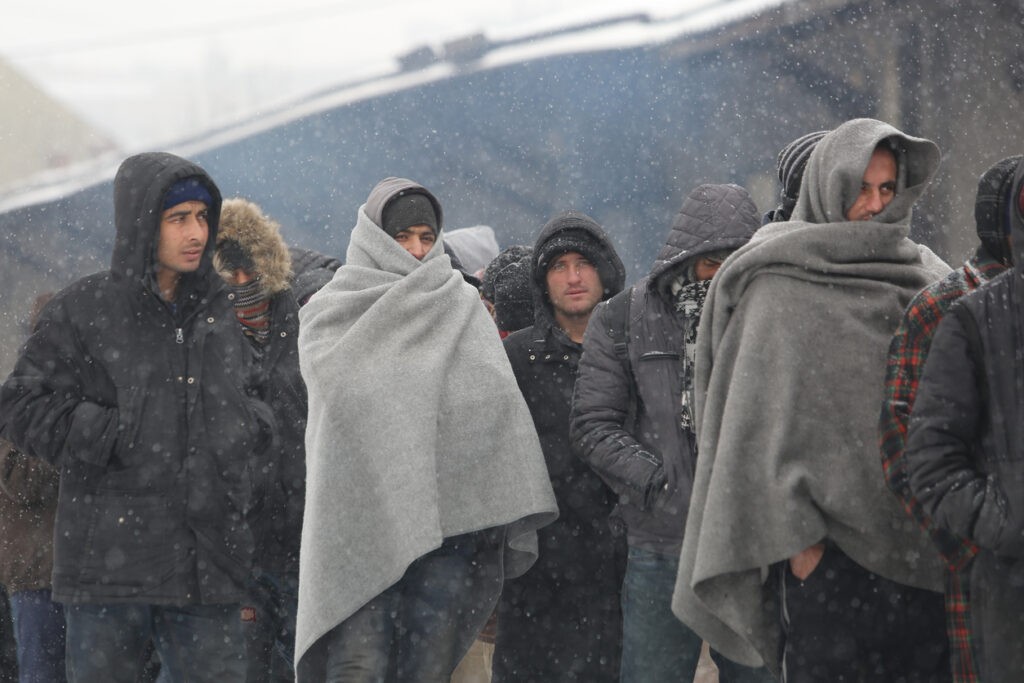
The UN High Commissioner for Refugees (UNHCR) has called on Tajikistan to immediately halt the deportation of Afghan refugees, following reports that dozens were forcibly returned to Afghanistan last month. According to UNHCR, at least 80 Afghan refugees were deported from Tajikistan in December 2024, despite many holding valid refugee documents. The agency warned that such actions violate international protection standards and could put deportees at risk. By the end of 2024, around 9,000 Afghan refugees were residing in Tajikistan. UNHCR has expressed concern that further deportations could endanger many more lives. Regional Context and Increasing Deportations Tajikistan is not the only country tightening its stance on Afghan refugees. Iran and Pakistan have also intensified deportations in recent months. Reports indicate that Iran has expelled 586,000 undocumented Afghans since the start of the current solar year. Meanwhile, the Taliban’s Ministry of Refugees and Repatriation stated that nearly 12,000 Afghan migrants have returned from Pakistan, Iran, and Turkey in the past three weeks. The rise in deportations has added pressure on Afghan refugees, many of whom are already struggling due to Afghanistan’s worsening humanitarian crisis. UNHCR has reiterated its appeal for international cooperation, urging host countries to balance national security concerns with humanitarian obligations. Previously, Mosawer Bahadori, head of Afghanistan’s Migration Committee (Aryana) in Tajikistan, urged Tajik authorities to respect refugee rights and uphold their international commitments in protecting displaced Afghans.

Afghan Migration Committee Urges Tajikistan to Halt Refugee Deportations

Mosawer Bahadori, head of Afghanistan’s Migration Committee (Aryana) in Tajikistan, has raised concern over the deportation of Afghan migrants from Tajikistan, urging the authorities to safeguard refugee rights and adhere to international obligations. Concerns Over Deportations In a recent statement, Bahadori expressed condolences to the Afghan families affected by the deportations and emphasized the committee’s commitment to supporting Afghan migrants. He noted that the deportation process, ongoing for over a week, has caused widespread concern among the refugee population. Advocacy for Refugee Rights The Afghan Migration Committee, which has operated in Tajikistan for more than 27 years, serves as an intermediary between Afghan refugees and local authorities. Functioning under the legislative framework of Tajikistan’s Ministry of Justice, the committee addresses migrant concerns and facilitates dialogue with state institutions. Bahadori urged Tajikistan to honor its international obligations, particularly by acceding to United Nations conventions that prohibit deporting refugees to countries where they face threats to their lives. Many Afghan refugees in Tajikistan fled Taliban persecution and have been granted asylum or refugee status. Proposals for Alternative Solutions Bahadori proposed alternative approaches to deportation, including: Negotiating with international organizations or third countries to facilitate the transfer of Afghan refugees. Simplifying the relocation process to make resettlement more accessible. Introducing fines or imprisonment as penalties for offenses, rather than deporting individuals to unsafe conditions. The Afghan Migration Committee also assured Tajik authorities that Afghan refugees would continue to respect local laws and customs. The committee pledged to cooperate with Tajik security forces to address repeated illegal activities by individuals through lawful measures. Call for Diplomatic Solutions Bahadori concluded his statement by advocating diplomatic solutions to protect vulnerable Afghan migrants while maintaining strong relations between Afghanistan and Tajikistan. He emphasized the need for collaborative efforts to uphold human rights and ensure the safety of refugees.

Killing of Russian General Kirillov: Arrest of Uzbek Suspect Raises Fears Among Central Asians

In the early hours of Tuesday, December 17, an explosion occurred at the entrance of an apartment building in a modest Moscow district, killing two people: Lieutenant General Igor Kirillov and his assistant. Kirillov was the head of the Radiation, Chemical, and Biological Defense (RCBD) troops of the Russian Armed Forces. A briefing by him had reportedly been scheduled for later that day. The Russian Federal Security Service (FSB) announced the arrest of a suspect: a 1995-born citizen of Uzbekistan. According to the FSB, the suspect was identified and detained through joint operations with Russia’s Ministry of Internal Affairs and the Investigative Committee. According to investigators, the explosive device had been attached to an electric scooter parked near the building's entrance. Surveillance was allegedly conducted via a video camera placed inside a carshare vehicle parked nearby for several days. While the Ukrainian side has not officially claimed responsibility for the attack, some sources linked to Ukraine’s Security Service have reportedly done so. Russian officials quickly blamed Ukraine. Kremlin spokesperson Dmitry Peskov stated, “The Kiev regime does not shy away from such methods,” without providing evidence. Soon after, Investigative Committee spokesperson Svetlana Petrenko claimed that the suspect had confessed to being recruited by Ukrainian special services, who allegedly promised him an EU passport and $100,000. However, a video of the confession released by the FSB raises doubts. The suspect, who appears to struggle with Russian, delivers statements that suggest he may not fully understand what he is saying. While the confession's credibility is unclear, the nationality of the suspect - another migrant from Central Asia - is what resonates most in the short term. The incident follows a previous terrorist attack at Moscow’s Crocus City Hall, after which migrants from Central Asia faced intensified scrutiny. Over the past six months, many Central Asian workers living in Russia have felt treated not as second-class but as third-class citizens. Document checks, lengthy detentions, and increasingly restrictive rules for entry and residency in Russia have become commonplace. In August, Russia’s Interior Ministry reported that almost 92,800 foreign citizens were expelled in the first half of 2024 - a 53.2% increase compared to the same period in 2023. In response to the attack, nationalist groups and patriotic public figures are once again urging the Russian government to introduce a visa regime for Central Asian countries, particularly Tajikistan and Uzbekistan. Similar measures have been observed in Turkey after the Crocus incident involving Tajik citizens, and in the UAE following a high-profile crime involving Uzbek nationals. It is highly likely that anti-migrant sentiment in Russia will intensify in the coming months. Coupled with increased security operations, this trend could escalate into new forms of repression targeting migrants. Such measures are likely to strain Russia's relations with Central Asian republics, where the treatment of migrant workers remains a sensitive issue.

Young Uzbek Men Dominate Russia’s Migrant Workforce in 2024

A recent analysis by the "Migrant Service" platform has outlined the profile of the average migrant worker in Russia for 2024. According to the study, the typical migrant is a 28-year-old married man from Uzbekistan, residing in or near Moscow. The survey, which included approximately 63,000 participants, revealed key demographic trends among migrant workers in Russia. Most respondents identified as Muslim men aged 28, though the age range spanned from 18 to 37 years. Uzbekistan Leads Migration Statistics The majority of migrant workers in Russia come from Uzbekistan, accounting for 55.4% of the total. Tajikistan follows with 39.89%, while Armenia, Kyrgyzstan, Belarus, and Kazakhstan collectively contribute 4.82% of the migrant population. “For migrants, family and children are the highest priorities,” the analysts noted. This focus is reflected in remittance patterns: 67% of respondents send money to their families once a quarter, and 41% remit more than 50% of their income. Growing Demand for Migrant Labor The survey also highlights the increasing reliance on Central Asian migrants to address labor shortages in Russia. This trend, as previously reported by the Times of Central Asia, has been exacerbated by Russia's ongoing war in Ukraine, which has intensified the demand for additional workers.

From Hero to Exile: Kyrgyz Rescuer Sultan Abdumalikov Deported from Russia

Sultan Abdumalikov, a Kyrgyz citizen hailed for his bravery during a fire in Yekaterinburg, Russia, has been deported due to issues with his documentation. Abdumalikov gained attention on November 18 for rescuing patients and staff during a fire at Polyclinic No. 2, where he risked his own life to evacuate victims from the burning building. He suffered from smoke inhalation during the incident, which also brought him to the notice of law enforcement. A subsequent document check revealed that Abdumalikov lacked the required labor contract to legally remain in Russia. While police officers praised his heroism, a decision was made to deport him. Abdumalikov had hoped to resolve his legal issues and remain in the country but was ultimately unsuccessful. Upon his return to Kyrgyzstan, Abdumalikov faced significant challenges. Blacklisted for violating Russian immigration laws, he has been unable to secure stable employment. Providing for his family, including four children, has become increasingly difficult.

Russian MP Blames Central Asians for Ruble Depreciation

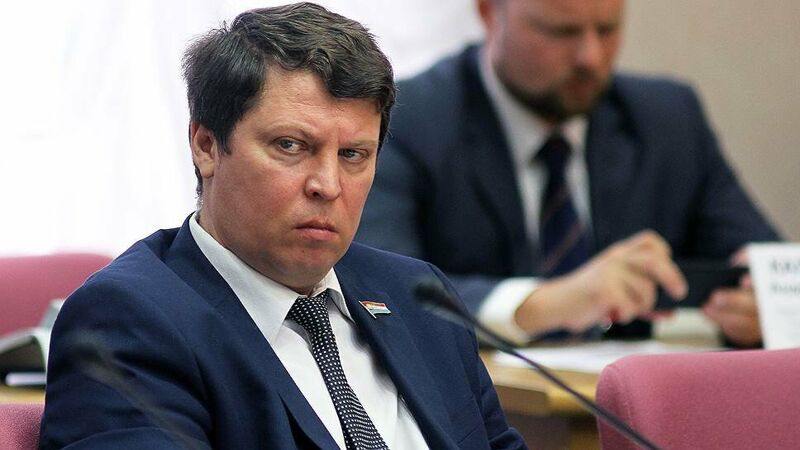
Mikhail Matveyev, a member of Russia’s State Duma, has attributed the depreciation of the Russian ruble in part to remittances by labor migrants from Central Asia and the Caucasus. In a statement on his Telegram channel, Matveyev argued that millions of migrants working in Russia transfer their earnings abroad, removing significant sums from the Russian economy. According to him, these remittances fuel demand for foreign currencies, such as the dollar, thereby weakening the ruble. Citing statistics, Matveyev claimed that in 2023, labor migrants sent $5.7 billion from Russia to Tajikistan - nearly half of Tajikistan’s GDP. Kyrgyzstan received remittances equal to about one-third of its GDP, while Uzbekistan received over $14.5 billion, accounting for 12-15% of its GDP. Other significant recipients included Georgia (over $2 billion), Armenia (over $3 billion), and Kazakhstan. Matveyev also criticized some of these countries for their stance on Western sanctions against Russia. He noted that several countries in the Eurasia region have joined sanctions targeting Russian banks and refuse to process transactions using the Russian Mir payment system. This, he said, forces migrants to withdraw cash dollars from Russia to transfer home, exacerbating the pressure on the ruble exchange rate. The MP’s remarks came amid a sharp drop in the ruble’s value against the dollar last week. For more than 30 years, millions of Central Asian citizens have migrated to Russia for work. However, recent trends indicate an increase in return migration, driven by Russia’s deteriorating economic conditions, stricter immigration rules, worsening attitudes toward Central Asian workers, and attempts by Russian authorities to recruit immigrants - both with and without Russian citizenship - for military service in Ukraine.