• KGS/USD = 0.01144 0%
  • KZT/USD = 0.00214 0%
  • TJS/USD = 0.10693 0%
  • UZS/USD = 0.00008 0%
  • TMT/USD = 0.28571 0%
  • KGS/USD = 0.01144 0%
  • KZT/USD = 0.00214 0%
  • TJS/USD = 0.10693 0%
  • UZS/USD = 0.00008 0%
  • TMT/USD = 0.28571 0%
  • KGS/USD = 0.01144 0%
  • KZT/USD = 0.00214 0%
  • TJS/USD = 0.10693 0%
  • UZS/USD = 0.00008 0%
  • TMT/USD = 0.28571 0%
  • KGS/USD = 0.01144 0%
  • KZT/USD = 0.00214 0%
  • TJS/USD = 0.10693 0%
  • UZS/USD = 0.00008 0%
  • TMT/USD = 0.28571 0%
  • KGS/USD = 0.01144 0%
  • KZT/USD = 0.00214 0%
  • TJS/USD = 0.10693 0%
  • UZS/USD = 0.00008 0%
  • TMT/USD = 0.28571 0%
  • KGS/USD = 0.01144 0%
  • KZT/USD = 0.00214 0%
  • TJS/USD = 0.10693 0%
  • UZS/USD = 0.00008 0%
  • TMT/USD = 0.28571 0%
  • KGS/USD = 0.01144 0%
  • KZT/USD = 0.00214 0%
  • TJS/USD = 0.10693 0%
  • UZS/USD = 0.00008 0%
  • TMT/USD = 0.28571 0%
  • KGS/USD = 0.01144 0%
  • KZT/USD = 0.00214 0%
  • TJS/USD = 0.10693 0%
  • UZS/USD = 0.00008 0%
  • TMT/USD = 0.28571 0%

Viewing results 1 - 6 of 54

Tension Spills Into Streets of Bishkek After Fight Involving Foreigners

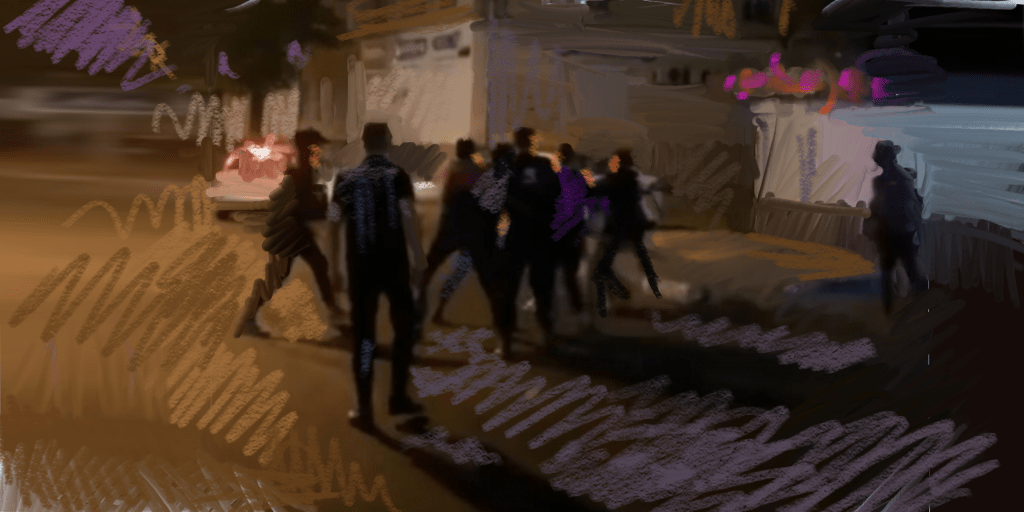
Police in riot gear deployed in part of Kyrgyzstan’s capital overnight as large crowds gathered in anger over an alleged fight between local and foreign people which was widely circulated on social media. The Kyrgyz government later reported that 28 people, including three foreigners had been injured in the incident, whilst four foreign citizens were arrested for incitement. The crowds milled around some intersections of Bishkek for hours before dispersing early Saturday, and the Ministry of Internal Affairs said the situation was stable. Riot police cordoned off areas where the mobs had gathered and negotiated with the protesters in order to head off any further confrontations. The incident appeared to reflect tension over the presence in Kyrgyzstan of migrants. Kyrgyzstan’s Ministry of Internal Affairs is taking steps to tighten monitoring and penalties for foreigners who violate immigration laws, Kaktus Media reported. The fight which led to the wider conflagration happened at a hostel on May 13. Rumors spread on social media, and a video showing Kyrgyz students fighting with medical students from Egypt went viral. People started gathering on Friday night to show their dissatisfaction with what they said was the lax treatment of foreigners involved in the fight. However, police said three foreigners were detained on suspicion of hooliganism, the AKIpress news outlet reported. It said the suspects appeared in a video, apologizing for the fight and saying they would accept their punishment. “All measures were taken in a timely manner, they were detained, legal measures will be taken against them,” said Azamat Toktonaliev, head of Bishkek´s Internal Affairs Directorate. He told AKIpress that Kyrgyz citizens were invited to testify as witnesses and were not detained. Kyrgyzstan has expressed concern about the plight of some of its own citizens who travel to Russia in search of employment and have faced official scrutiny and sporadic harassment there. In the wake of the violence, diplomatic delegations from Pakistan and India have advised their students in Bishkek to stay indoors.

Kyrgyzstan Again Tells Citizens: For Now, Don’t Go to Russia

Kyrgyzstan has again urged its citizens to avoid travel to Russia if possible, citing media reports of “the mass refusal of entry” and saying people should wait until Russia lifts tighter security measures at its border points. Kyrgyzstan’s Ministry of Foreign Affairs “recommends that fellow citizens who do not have compelling reasons to travel to the Russian Federation temporarily refrain from traveling to its territory until the previously introduced additional security measures and the regime of enhanced control of entry across the state border are lifted, and if they need to leave, check in advance for any restrictions on entry to the Russian Federation,” according to a ministry statement on Thursday. The ministry issued a similar call to delay trips to Russia days after gunmen killed more than 140 people at the Crocus City Hall on the outskirts of Moscow on March 22, leading to a backlash of suspicion, harassment and violence in Russia towards Central Asian migrants. Several of the detained subjects were from Tajikistan, which last weekend urged its own citizens to skip travel to Russia “unless absolutely necessary,” amid concerns about hundreds of Tajik nationals who were being held in unsanitary conditions at detention facilities in Moscow airports. Russia has sought to ease tension with Tajikistan, saying anti-terrorism measures were being implemented and that Tajik citizens had not been targeted for mistreatment. Fissures in its relationship with Tajikistan are extremely rare. Russia has also tried to mollify Kyrgyzstan over a Russian police search of the Moscow apartment of a Kyrgyz diplomat last month.

Central Asia Has a Problem, and It Is Russia

The wave of xenophobia targeting Central Asians in Russia that has followed the terrorist March 22 attack on Moscow’s Crocus City Hall presents many problems for Central Asia, including concerns about what sort of friend Russia really is. As reports of attacks on Central Asians in Russia multiplied in the last days of March, April saw a flurry of meetings of Central Asian leaders. Kazakh President Kassym-Jomart Tokayev met Uzbekistan President Shavkat Mirziyoyev in Khiva, Uzbekistan on April 4-5. At the same time, the chairman of Turkmenistan’s Halk Maslahaty (People’s Council), former President Gurbanguly Berdymukhammedov was in Tajikistan meeting with Tajik President Emomali Rahmon. Kyrgyz President Sadyr Japarov visited Kazakhstan on April 18-19, meanwhile, the same days that Uzbek President Mirziyoyev was in Tajikistan for talks with his counterpart Rahmon. Reports of their meetings focused on praising fraternal ties and signing bilateral agreements. There was no mention of any discussions about the rapidly unfolding dilemma with Russia. The people Russia claims staged the attack that left more than 140 people dead are Tajiks, some of whom acquired Russian citizenship, others who were migrant laborers. There are at least four million migrant laborers from Uzbekistan, Kyrgyzstan, and Tajikistan working in Russia and some estimates put the number at double that figure, or more. In the wake of the attack, all Central Asians fell under suspicion in Russia. Passengers from Central Asia arriving in Russia were held up at airports for extra document checks, sometimes for more than 24 hours. Russian police raided dormitories and other facilities where Central Asian migrant laborers were known to stay. The first four Tajik suspects apprehended were shown on Russian television. They had clearly been tortured. An FSB member had cut part of the ear off one of the suspects and fellow FSB troops filmed him forcing the severed piece of ear into the mouth of the suspect. Russia was a colonizer of Central Asia and the leaders of the five Central Asian countries are well aware of that history. Since the collapse of the Soviet Union in late 1991, whenever Central Asian and Russian officials meet, they speak of historically friendly ties and valued partnerships. It has often been difficult to make this image credible to Central Asia’s people, particularly after Russia launched its full-scale invasion of Ukraine in late February 2022. Some Russian nationalists, including politicians, have spoken about reclaiming “historic Russian land,” usually mentioning part or all of Kazakhstan. Chairman of Russia’s Investigative Committee Aleksandr Bastrykin said in May 2023 that military service in Ukraine should be mandatory for migrant laborers seeking Russian citizenship, and State Duma Deputy Mikhail Matveev backed this call, adding, “Where are our Tajik battalions?“ There are many other such examples since February 2022. Both Russian and Central Asian government officials have downplayed these remarks, saying they are the views of an individual and do not reflect the position of the Russian government. However, In January 2024, Deputy Speaker of Uzbekistan’s lower house of parliament Alisher Qodirov questioned why,...

Lavrov Calls Tajik Counterpart to Smooth Over Cracks

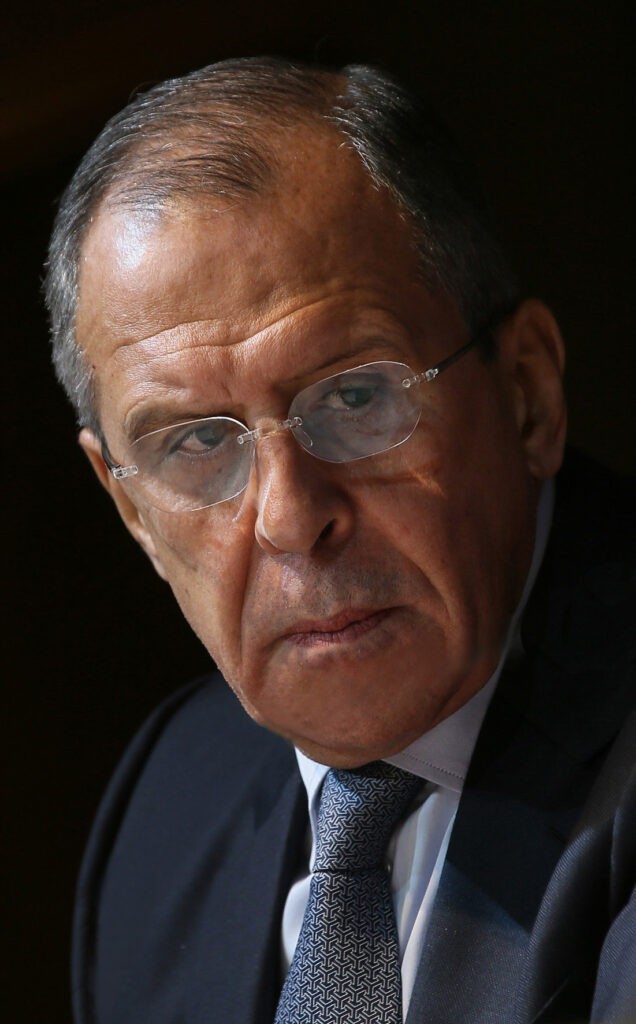
Russian Foreign Minister, Sergey Lavrov has called his Tajik counterpart to explain Russia´s anti-terrorism measures at border points, the Russian Foreign Ministry said on Tuesday, following Tajikistan’s complaints that its citizens are being singled out for tough treatment on arrival at Moscow airports. Lavrov’s telephone call to Foreign Minister Sirojiddin Muhriddin of Tajikistan was initiated by the Russian side, indicating that Moscow is seeking to ease tension between the two countries in the aftermath of the killing of more than 140 people by gunmen who stormed the Crocus City Hall on the outskirts of Moscow on March 22. Several Tajik suspects were arrested, leading to increased scrutiny and harassment of the large population of Tajik migrants in Russia. This past weekend, Tajikistan urged its citizens to temporarily refrain from traveling to Russia “unless absolutely necessary,” and said more than 1,000 Tajik nationals were being held in detention facilities at Moscow airports in unsanitary conditions and without access to hot meals. In the phone call, Lavrov and Muhriddin agreed on the need to preserve the “time-tested” alliance between their two countries, the Russian Foreign Ministry said. Muhriddin has previously complained about an “information campaign” of racism and xenophobia against Tajik migrants since the terrorist attack. “The Tajik side was given additional detailed explanations about the measures taken by Russian services to prevent terrorism in accordance with the legislation of the Russian Federation,” the ministry said. “The tragic events at Crocus City Hall became the main reason for more thorough checks of foreign citizens arriving to us. The temporary nature of the measures taken, their non-direction against a specific nation or religion, and the gradual normalization of the situation at checkpoints are especially emphasized.” The Islamic State group, which has recruited some people from Central Asia, claimed responsibility for the Crocus City Hall attack.

Tajikistan Denounces “Torture” of Tajik Suspects in Moscow Attack, Urges Fair Trial

Tajikistan’s foreign minister has described the beating and abuse of several Tajik suspects in the mass killing of more than 140 people at a Russian concert hall as “torture” that is at odds with the need for a thorough investigation and a fair trial. Foreign Minister, Sirojiddin Muhriddin also said that Tajik people had faced an “information campaign” of racism and xenophobia since the attack at the Crocus City Hall in Moscow on March 22. His comments were some of the strongest yet by Tajikistan’s Government, reflecting increased worry over the national image and the plight of many poor Tajik migrants in Russia who were already living in precarious conditions. Muhriddin urged the Russian authorities to conduct an investigation into the Crocus City Hall attack according to international norms, including the right to a fair trial, reported Asia-Plus, a media group in Tajikistan. He spoke at a meeting of regional foreign ministers in Minsk, Belarus. “The demonstration in the open information space of footage of the detention of suspected perpetrators of a terrorist act with the use of torture against them in the form of bodily mutilation is unacceptable,” Muhriddin said. “The price of confessions obtained in this way is well known to everyone.” Several migrant laborers from Tajikistan were among suspects charged with terrorism in the wake of the attack, and they appeared in court with visible injuries. At the time, videos and photographs circulating on social media showed the men being beaten and abused while in detention. In one video, a man in camouflage cuts off part of the ear of a suspect and forces it into his mouth. The Islamic State group claimed responsibility for the Crocus City Hall attack, which focused attention on the group’s efforts to recruit people from Central Asia into its ranks. Muhriddin alluded to widespread reports of harassment and hostility toward Tajik migrants, particularly in Russia. “As a result of an ill-conceived information campaign, a negative perception of citizens of Tajikistan and Tajiks is being formed,” the Tajik foreign minister said. As for the attack, he said: “All criminals must be punished: the organizers, the perpetrators, the accomplices, and the masterminds of this monstrous crime.” In the face of overwhelming evidence to the contrary, despite ongoing Russian attempts to pin the blame for the atrocity on Ukraine, Russia has pressed ahead with new laws targeting migrants. Focusing on Russia’s “unreliable narrative” regarding the attack, Noah Tucker, a Senior Research Consultant at the Oxus Society and Program Associate of the Central Asia Program at George Washington University stated that the “last major attack inside Russia was the 2017 metro bombing. [In a] strategy of authoritarian cooperation… that was also blamed on Central Asian migrants, and the security services arrested two Uzbek brothers and sent them to jail as the direct orchestrators of the attack – only the facts never added up… One of the brothers, who was charged as being the mastermind, was lying in a hospital in Osh during the attack, and...

Violence Against Migrants: Uzbekistan and Kyrgyzstan Appeal to Russia

Regarding the mistreatment of labor migrants who were made to walk like ducks in Yekaterinburg, the ombudsman of Uzbekistan filed an appeal with the ombudsman of Russia. The number of them who were Uzbek citizens was not stated. A case was started “at the level of Russian federal authorities” by Kyrgyzstan’s Ministry of Foreign Affairs. On January 17, workers at a construction site in Yekaterinburg, Russia, were forced to walk like ducks during a raid by representatives of the Federal Security Service, the Ministry of Internal Affairs, the Rosguard, and the Prosecutor’s Office. Approximately 150 people’s documents were examined during the raid. Which country or countries they are citizens of is unclear. Ombudsman Feruza Eshmatova of Uzbekistan appealed to Ombudsman Tatyana Moskalkova of Russia about the unfair treatment of labor migrants in Yekaterinburg. The press office of the parliamentarian’s human rights representative released this information on January 22. In the petition, it was asked that the rights of Uzbek nationals employed in Russia be upheld. Online images and videos depict security personnel compelling migrant laborers to hide as they navigate a snow-covered construction site. The number of migrants who were Uzbek citizens was not stated. There were reportedly also citizens from other nations, including Kyrgyzstan. According to the Kyrgyz Ministry of Foreign Affairs, the republic’s general consulate in Yekaterinburg paid a visit to the police, the center for temporary detention of foreign nationals, and construction sites on January 20. “It was discovered that three construction sites in Yekaterinburg had 150 foreigners’ documents examined, among them were 40 Kyrgyz citizens. There are no known instances of Kyrgyzstani citizens breaking the immigration laws, according to the report. According to the information provided by Ministry of Foreign Affairs of Kyrgyzstan, three of the migrants who were forced to walk like ducks were Kyrgyz. According to the message from the neighboring country’s MFA, the Consulate General of Kyrgyzstan is taking action to “organize the verification of the legality of the use of methods that degrade the dignity of citizens engaged in labor by law enforcement officers”. The statement from the Kyrgyz Ministry of Foreign Affairs states, “In light of this, the Ministry of Foreign Affairs of the Kyrgyz Republic is initiating a case at the level of the federal authorities of the Russian Federation in order to prevent such actions against citizens working from Kyrgyzstan”.