Tajikistan’s Panjakent Aims to Build Its Tourism Industry
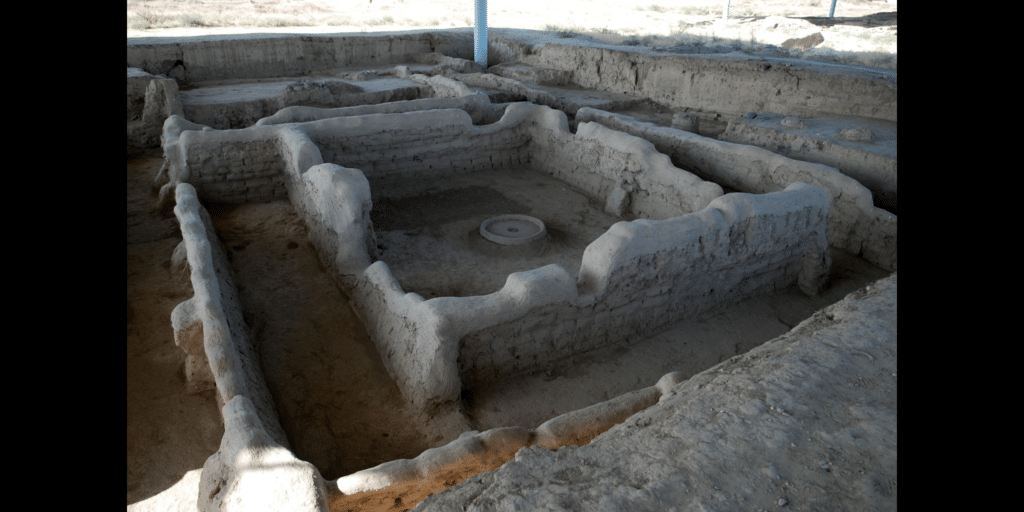
The area around Panjakent in western Tajikistan has ancient ruins, including a UNESCO World Heritage site, as well as picturesque landscapes that have attracted more than 41,000 tourists so far this year. However, the area faces obstacles to development of its tourist industry, including rough roads that make it difficult for visitors to move around. Panjakent city is about 60 kilometers from Samarkand, an ancient city across the border in Uzbekistan whose spectacular cultural heritage makes it one of Central Asia’s major tourist draws. While the Panjakent region has a history extending back thousands of years, it has attracted relatively little international attention as Tajikistan takes steps to build up its tourism infrastructure. More than 41,000 tourists from many countries visited Panjakent in the first nine months of 2026, city officials said, according to Tajikistan’s state news agency Khovar. The city says the area has more than 300 historical monuments in addition to several major sites, including UNESCO-designated Sarazm, whose archaeology traces the development of human settlements in Central Asia from the fourth millennium BCE to the end of the third millennium BCE. Sarazm also provides evidence of trade and cultural ties among societies over a vast area “extending from the steppes of Central Asia and Turkmenistan, to the Iranian plateau, the Indus valley and as far as the Indian Ocean,” UNESCO has said. The U.N. cultural agency said the “proto-urban” site of Sarazm was a major regional center in the working of tin, copper, and other metals, and “is one of the places that gave birth to and saw the development of the major trans-Eurasian trade routes.” The tourism industry has been growing in Panjakent, which now has 24 travel companies, 11 “modern” hotels, 22 guest houses, and numerous restaurants and cafes, according to the city. It also said that a climbing base in the Kuli Kalon area outside Panjakent, which dates from the era of the Soviet Union, is still operating. The Khovar news agency reported that some problems are holding up further development of tourism in Panjakent, including a rough road on the 30-kilometer stretch between the villages of Ruknobod and Artuch. “Every year, tourists pass this road with difficulty,” Khovar reported. The agency also said that the tomb of Abu Abdullah Rudaki, regarded as a founder of Tajik-Persian classical poetry, needs significant repairs. Rudaki was born in Panjrud village near Panjakent and spent many years as a court poet in the Samanid capital of Bukhara. He is believed to have died around 941. While Rudaki is said to have been prolific as a poet, most of his work has been lost.