• KGS/USD = 0.01144 0%
  • KZT/USD = 0.00205 0%
  • TJS/USD = 0.10782 0%
  • UZS/USD = 0.00008 0%
  • TMT/USD = 0.28490 0%
  • KGS/USD = 0.01144 0%
  • KZT/USD = 0.00205 0%
  • TJS/USD = 0.10782 0%
  • UZS/USD = 0.00008 0%
  • TMT/USD = 0.28490 0%
  • KGS/USD = 0.01144 0%
  • KZT/USD = 0.00205 0%
  • TJS/USD = 0.10782 0%
  • UZS/USD = 0.00008 0%
  • TMT/USD = 0.28490 0%
  • KGS/USD = 0.01144 0%
  • KZT/USD = 0.00205 0%
  • TJS/USD = 0.10782 0%
  • UZS/USD = 0.00008 0%
  • TMT/USD = 0.28490 0%
  • KGS/USD = 0.01144 0%
  • KZT/USD = 0.00205 0%
  • TJS/USD = 0.10782 0%
  • UZS/USD = 0.00008 0%
  • TMT/USD = 0.28490 0%
  • KGS/USD = 0.01144 0%
  • KZT/USD = 0.00205 0%
  • TJS/USD = 0.10782 0%
  • UZS/USD = 0.00008 0%
  • TMT/USD = 0.28490 0%
  • KGS/USD = 0.01144 0%
  • KZT/USD = 0.00205 0%
  • TJS/USD = 0.10782 0%
  • UZS/USD = 0.00008 0%
  • TMT/USD = 0.28490 0%
  • KGS/USD = 0.01144 0%
  • KZT/USD = 0.00205 0%
  • TJS/USD = 0.10782 0%
  • UZS/USD = 0.00008 0%
  • TMT/USD = 0.28490 0%

Viewing results 1 - 6 of 145

Kyrgyzstan Seeks to Curb Rising Teen Interest in Quadrobics

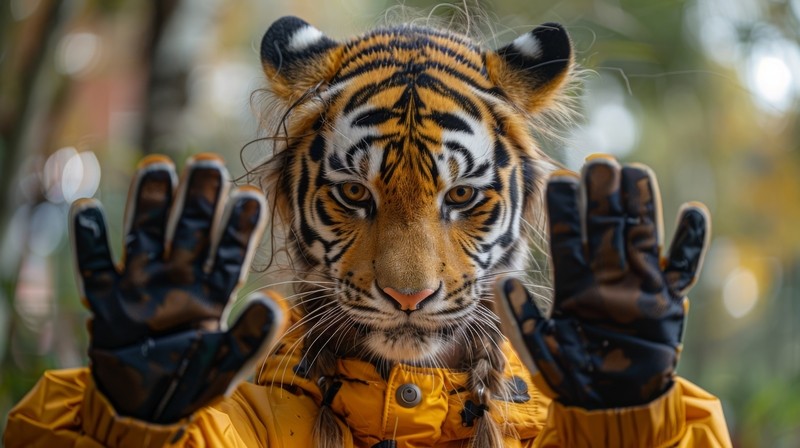
Concern is growing in Kyrgyzstan over teenagers' interest in quadrobics, a movement where people move on all fours and imitate animals. At a Zhogorku Kenesh meeting, MP Dastan Bekeshev raised the issue with cabinet spokesman Almasbek Abytov. Bekeshev suggested that the Ministry of Education and Science organize explanatory activities in schools to inform about the risks of quadrobics. “Some schoolchildren are already doing quadrobics, imitating the behavior of animals. So far, it has not become a mass problem, but preventive measures are necessary,” the deputy emphasized. Quadrobics involves moving on all fours and imitating animals, including using masks and tails to portray foxes, wolves, and other animals. This movement has already been noticed in Kazakhstan, Russia, and Ukraine. Recently, cases of such behavior have been registered in Tashkent. On October 10, a teenager wearing an animal mask frightened passers-by, and the next day, another quadrober imitating a dog attacked passengers on public transport, leaving a child visibly frightened. Earlier, The Times of Central Asia wrote that Uzbekistan is already taking steps to control this subculture. In particular, parents are being warned of fines for inappropriate behavior by teenagers in the quadrobika subculture. The Interior Ministry has stated that failure to fulfill parental duties will be punishable, as parents are responsible for educating their children to respect social norms and preventing inappropriate behavior. Russia has also raised the issue of the administrative responsibility of parents who do not follow the upbringing of their children who are addicted to quadrobika. The issue has not yet been resolved, but the request to the State Duma spoke of a fine and criminal liability for the violation. In addition, Gennady Shkil, a priest of the Russian Orthodox Church, suggested in a sermon that parents of quadrobers should be deprived of parental rights. He believes one cannot do this without “tough measures” as it is “for the salvation of mankind.”
Uzbekistan President’s Party Wins Landmark Election Held Under New Voting System

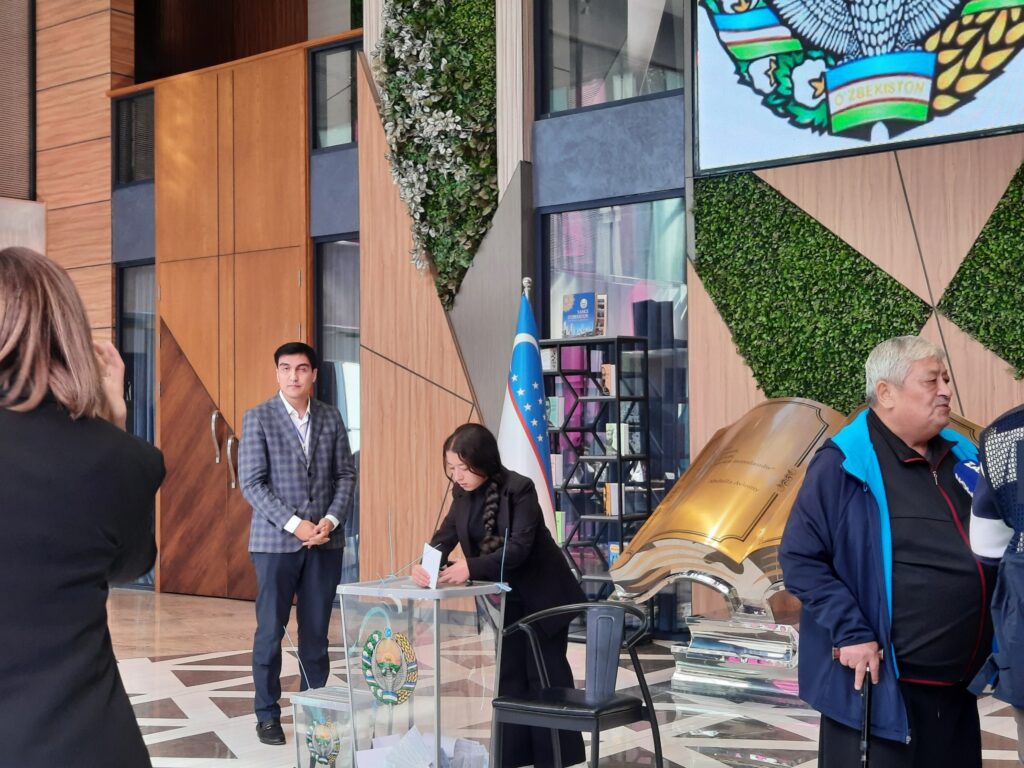
On October 27, Uzbekistan held elections for deputies of the Legislative Chamber of the Oliy Majlis (Lower House of Parliament) and local councils. This marks the first time these elections were conducted using a mixed (majority-proportional) system and featured electronic voting. For over a month, parties actively promoted their election programs to the public, with televised debates and messages on public transport urging citizens to participate in the elections and shape the country’s future. As required by law, all campaign activities were halted one day before the election. The electoral platforms of the five parties registered in Uzbekistan saw The Liberal Democratic Party of Uzbekistan (UzLiDeP) emphasize poverty reduction and promoting internal labor migration over the next five years. The party also campaigned on expanding public-private partnerships in water management, ecology, and energy to increase the private sector's share in the economy to 85%. Additionally, UzLiDeP pledged to improve education, healthcare, and social services, focusing on providing clean drinking water and sewage systems in schools. The party pledged to double the annual budget for healthcare to $6 billion, and advocated to enhance healthcare and social support for citizens over the age of 70. The People’s Democratic Party (PDP) focused on accessibility and social support, including assistive technologies at public transportation points for people with disabilities. They proposed adopting a “Social Housing” law, requiring luxury housing developers to allocate funds for social housing. This would benefit vulnerable groups, such as the homeless, people with disabilities, and those coming through the orphanage system. The party’s environmental initiatives included the Water Code and creating “Health Parks” for seniors near apartment complexes. The Milli Tiklanish (National Revival) Party’s platform spanned various topics, including youth development, cultural enrichment, family support, economic growth, and tourism. One key pledge emphasized Uzbekistan’s international relations, focusing on friendly ties with neighboring countries, cooperation, and maintaining peace - this despite party leader, Alisher Qodirov's anti-Russian rhetoric, including recent comments that “it would be better for [Russia] to deal with their own affairs [which are] full of problems than to deal with our internal issues." Qodirov has been actively responding to international discussions about Uzbekistan, reinforcing the party’s commitment to advancing national interests and strengthening Uzbekistan’s presence on the world stage. The Adolat (Justice) Social Democratic Party ran on a platform of advocating for media freedom, proposing reforms to safeguard journalists’ rights and prevent interference. Adolat pledged to introduce a “Presumption of Property Rights” to protect ownership and put forward affordable energy and price stability initiatives. The Ecology Party’s motto, “We are responsible for the future!” set out to drive home its focus on environmental and social issues. The party promoted government, business, and civil society efforts to address environmental challenges, whilst seeking to improve environmental legislation and education, and transitioning Uzbekistan toward a green economy. [caption id="attachment_24929" align="aligncenter" width="2560"] @TCA[/caption] According to Uzbek legislation, the election would be deemed valid once 33% of voters participated, and by 1pm local time 47.62% of voters had cast their ballots. President Shavkat Mirziyoyev and...

Kyrgyzstan to Introduce New Measures to Curb Noise Levels

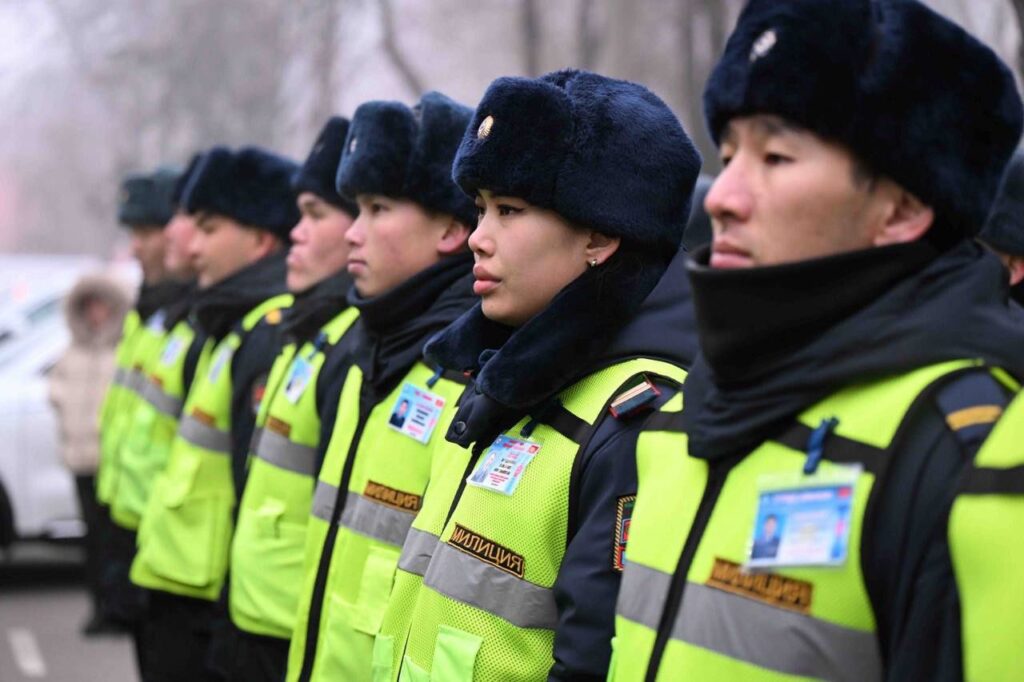
During a parliamentary session, deputies determined that the Interior Ministry should be authorized to collect fines for excessive noise. According to the republic's law, fines for exceeding acceptable levels of  noise were previously issued by the Department of Health Prevention. However, according to the deputies, the department was not properly equipped to measure levels of noise on the streets or on premises. In addition, the department's employees do not work at night, when violations are most likely to occur. “Individuals believe their rights should not be violated if they want to invite a noisy company home to an apartment building at night, put on music, start construction or repair work, or watch television at a volume that exceeds the maximum permissible noise levels. Entertainment or construction work in one apartment can become a nightmare or sleepless nights for many living there. But complaints to the police due to the lack of the necessary law have no proper effect,” said the Kyrgyz Interior Ministry. According to the civil code of offenses, loud noise is prohibited from 10 p.m. to 7 a.m. on weekdays and to 9 a.m. on non-working days and holidays. The only exception is during New Year's Eve celebrations. Violation of the rules in settlements or public places is punishable by a fine of 10 thousand KGS ($120) for individuals and 28 thousand KGS ($330) for legal entities.

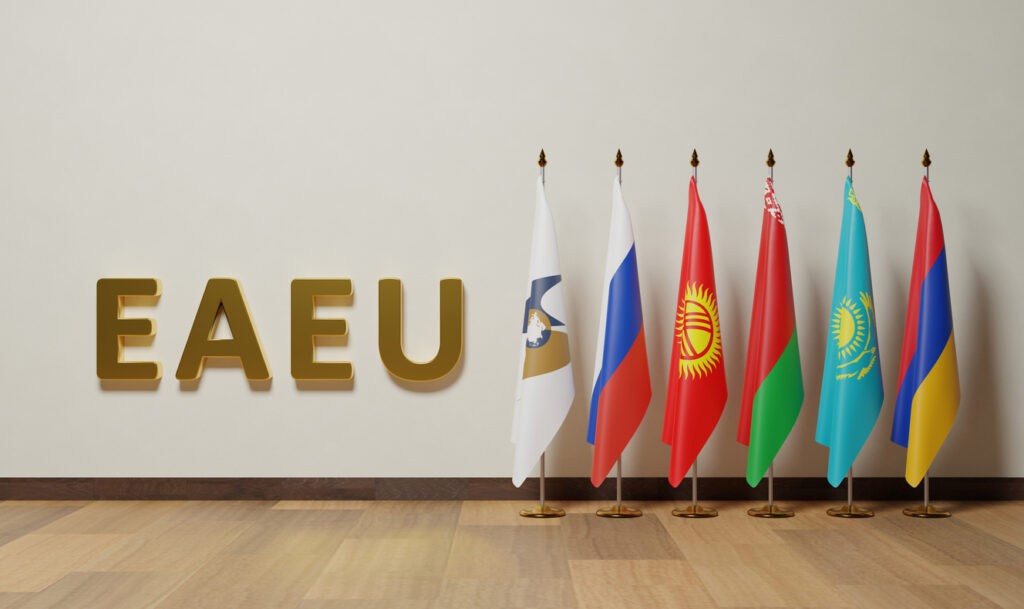
Uzbekistan Rejects Military Alliances and Maintains Observer Role in EAEU

At the opening of the Week of International Partnership Initiatives in Tashkent, the first deputy speaker of the Legislative Chamber of the Oliy Majlis, Akmal Saidov, stated that Uzbekistan will not join any military formations and will remain an observer state in the Eurasian Economic Union (EAEU). Responding to a question on whether Uzbekistan would compromise its sovereignty to cooperate more closely with other countries, Saidov announced: “The first article of our constitution states that Uzbekistan is a sovereign state. If we are talking about joining any paramilitary defense structures and organizations, then no, we will not allow it. We will never send our men [overseas] on military missions, including peacekeeping missions. There will be no foreign military bases in our territory." Saidov also emphasized that Uzbekistan’s current status as an observer in the EAEU is the most appropriate for the country. As head of the parliamentary commission tasked with studying Uzbekistan’s potential accession to the EAEU, Saidov asserted that, after reviewing over a thousand documents, observer status better aligns with Uzbekistan’s interests. He further explained that Kazakhstan had gained minimal benefit from joining the EAEU and that the new Constitution strengthens and strictly follows the main principles of Uzbekistan’s foreign policy. Uzbekistan received observer status in the EAEU on December 11, 2020, during an online summit of the High Eurasian Economic Council, attended by President Shavkat Mirziyoyev.

Kyrgyzstan Seeks Legalization of Traditional Medicines and Practices

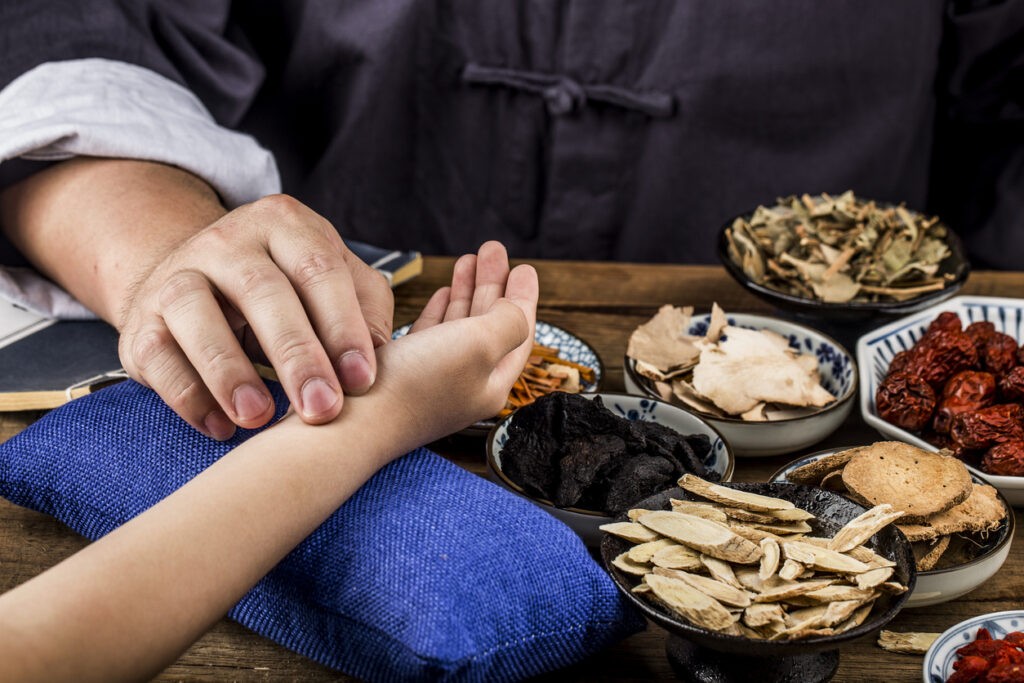
Kyrgyzstan's Health Ministry has devised an initiative to legalize traditional folk medicine. A draft decree of the Cabinet of Ministers on the procedure for training specialists has now been submitted for public discussion. Proposed by Minister of Health Alymkadyr Beishenaliev, the initiative concerns the study of traditional healing methods such as phytotherapy, massage, acupuncture, apitherapy, and hippotherapy, conducted through specialist training programs. He has also mooted the establishment of a research institute or Academy of Traditional Kyrgyz Medicine offering courses in theoretical and practical skills taught by professionals in the field, alongside the foundation of a dissertation council for the defense of academic degrees in the discipline. Central to the project, is the introduction of a budget for traditional medicine specialists, such as acupuncturists and physiotherapists, in all medical institutions of the country. There are also plans to open a research institute to test the efficacy of medicinal plants and conduct clinical trials. In addition, the Cabinet of Ministers has proposed the implementation of medicinal herb plantations for the subsequent production of related medical drugs. It is worth noting that in both several former Soviet Union and countries worldwide, traditional medicine has been legalized and integrated into state healthcare systems. For example, Russia and Belarus practice traditional treatments, including phytotherapy, acupuncture, alongside modern medical procedures. Traditional Chinese medicine is widely practiced in China, Japan, and Korea, and Ayurveda and Yunani are actively being developed in India. The World Health Organization also supports the development of traditional medicine by helping countries develop recognized international standards.

Central Asian Countries Hold Second Inter-Parliamentary Forum, Adopt Khiva Declaration

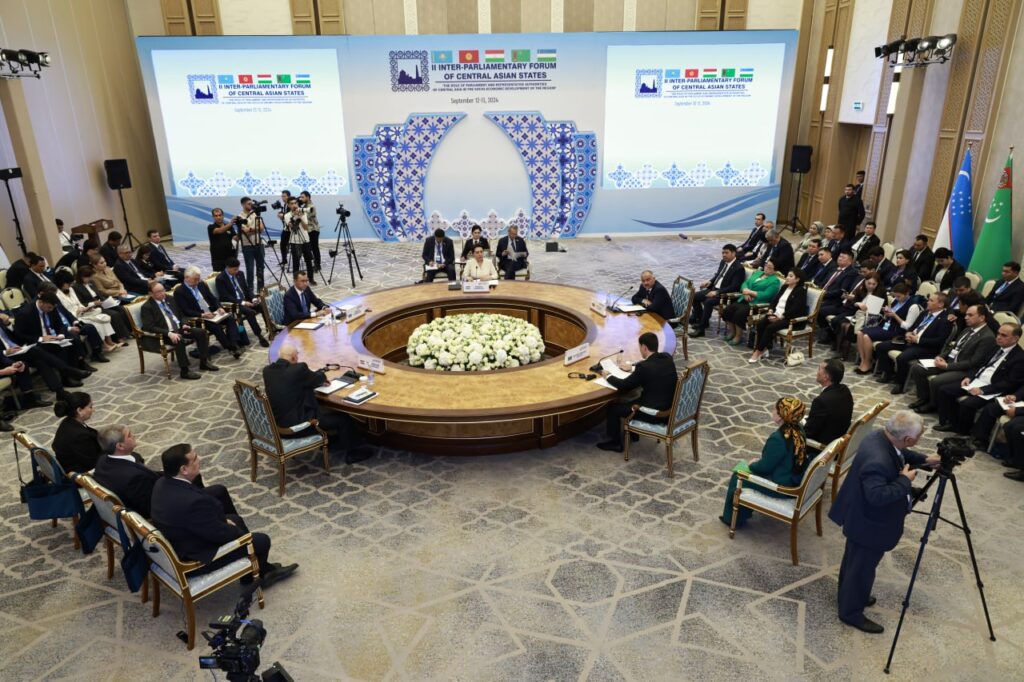
The second inter-parliamentary forum of Central Asian countries was held in Khiva, Uzbekistan on 12 September. It was attended by political representatives from Kazakhstan, Kyrgyzstan, Tajikistan, Turkmenistan, and Uzbekistan, members of youth parliaments, and local and international mass media. Topics addressed at the forum included new forms of interparliamentary cooperation between Central Asian countries, and recommendations for increasing the role of women and young people in the region's socio-economic development. The Special Representative of the United Nations Secretary-General for Central Asia, Kaha Imnadze, commented: “This forum once again confirms Uzbekistan's important role in strengthening regional cooperation, as well as in ensuring peace and security.” Imnadze added that the UN is ready to strengthen cooperation with Central Asia in areas such as the use of transboundary waters, the melting of glaciers, gender equality, and youth activism. The forum's results resulted in the adoption of the Khiva Declaration, which will serve as the basis for the future cooperation of Central Asian countries within the framework of inter-parliamentary initiatives. The first inter-parliamentary forum of Central Asian countries was held last year in Turkestan, Kazakhstan. The event led to the adoption of the Turkestan Declaration.