• KZT/USD = 0.00215
  • TJS/USD = 0.10810
  • UZS/USD = 0.00008
  • TMT/USD = 0.29850
  • KZT/USD = 0.00215
  • TJS/USD = 0.10810
  • UZS/USD = 0.00008
  • TMT/USD = 0.29850
  • KZT/USD = 0.00215
  • TJS/USD = 0.10810
  • UZS/USD = 0.00008
  • TMT/USD = 0.29850
  • KZT/USD = 0.00215
  • TJS/USD = 0.10810
  • UZS/USD = 0.00008
  • TMT/USD = 0.29850
  • KZT/USD = 0.00215
  • TJS/USD = 0.10810
  • UZS/USD = 0.00008
  • TMT/USD = 0.29850
  • KZT/USD = 0.00215
  • TJS/USD = 0.10810
  • UZS/USD = 0.00008
  • TMT/USD = 0.29850
  • KZT/USD = 0.00215
  • TJS/USD = 0.10810
  • UZS/USD = 0.00008
  • TMT/USD = 0.29850
  • KZT/USD = 0.00215
  • TJS/USD = 0.10810
  • UZS/USD = 0.00008
  • TMT/USD = 0.29850
13 August 2026

Viewing results 1 - 6 of 2

Resources, Capacity, Connectivity: Kazakhstan and the Critical Minerals Nexus

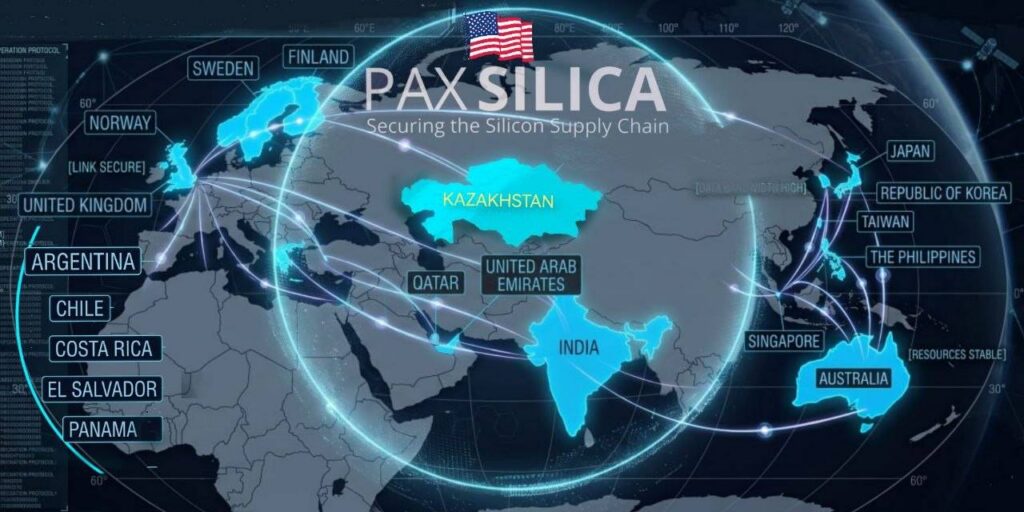
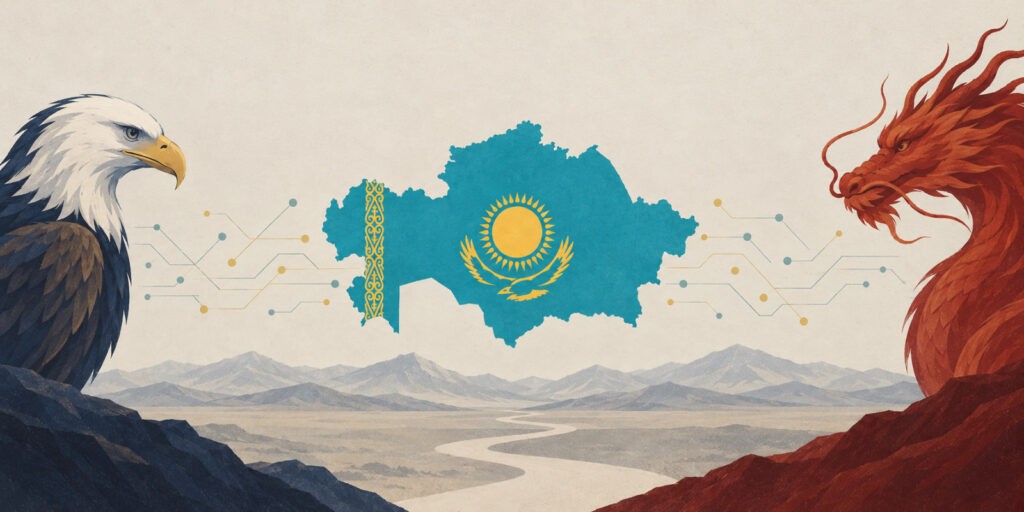
Kazakhstan’s place in diversified critical mineral supply chains rests on an unusual combination: a broad resource base, an established mining and metallurgical sector, and transport infrastructure extending across Eurasia. The task is to make these assets work together. Their strategic value depends on converting resources into financeable projects, existing capacity into internationally qualified products, and geographic connectivity into contractually reliable delivery. Kazakhstan approaches this task with an established industrial base. The world’s leading uranium producer, it also has production or processing capabilities in chromite and ferroalloys, titanium sponge, copper, zinc, aluminum, beryllium, molybdenum, rhenium, and other strategic materials.  Much of that base was established during the Soviet period and extends beyond mines and plants to freight rail and experienced technical personnel. These assets reduce the burden of greenfield development for projects able to use them economically. By joining the U.S.-led Pax Silica initiative in June 2026 as its first Central Asian participant, Kazakhstan brought these questions into a wider strategic setting. Pax Silica connects critical minerals and energy to an industrial agenda extending from semiconductor production to artificial-intelligence infrastructure. Membership creates an institutional opening for higher-value processing and technology cooperation. For Kazakhstan, the opportunity is to retain more value domestically through technology transfer, skilled employment, and a broader range of processed exports. From Resources to Financeable Projects Mineral abundance makes projects possible but not automatically bankable. Current drilling and internationally recognized resource statements must first establish the size, grade, and confidence level of the resource. Feasibility work must then show that it can be developed, and permits must authorize development. The project must still secure an off-taker and financing able to withstand commodity and construction risk. Predictable permitting and clear ownership help lenders assess risk. Traceability is important to lenders and buyers alike. Kazakhstan has begun to make its geological information more usable. More than 4.6 million primary geological records have been digitized. In 2025, the country also developed 20 projects for detailed 1:50,000 surveys covering 100,000 square kilometers; the government plans approximately $470 million in exploration spending during 2026–28. Digitization can open inherited records, but surveys and spending acquire commercial relevance only through completed fieldwork and usable results. Those results must then support economically recoverable reserves and financeable projects. Bankability also depends on the institutions through which capital is raised and transactions governed. The Kazakhstan Stock Exchange and Astana International Exchange give issuers access to investors. The Astana International Financial Centre operates under a legal framework based on common law and has a separate court. Parties may also agree to international arbitration. Kazatomprom’s initial public offering in London and Astana demonstrated access to global capital for a mature national producer. Glencore’s controlling stake in Kazzinc and production by Central Asia Metals at Kounrad since 2012 provide evidence of sustained foreign participation. Taken together, these cases show that Kazakhstan’s system can support substantial transactions and long-term partnerships. Still, each new venture must establish its own economics under commodity and construction risk. From Industrial Capacity to Qualified Products The OECD identifies...

Kazakhstan’s Pax Silica Accession Bodes Well for Foreign Investment

Kazakhstan’s accession to Pax Silica is more than a diplomatic ribbon-cutting. It is an investment signal. By joining an initiative supported by the United States and built around trusted supply chains for the new artificial intelligence economy, Kazakhstan has placed itself inside one of the most important emerging conversations in global industry about who will supply the minerals, energy, computing infrastructure, data centers, talent and manufacturing capacity behind the AI boom. Kazakhstan’s official readout was explicit about that ambition. Pax Silica, it said, brings partner countries together around artificial intelligence, critical minerals, semiconductors, data centers, energy infrastructure, high-tech manufacturing, research and talent development. Kazakhstan became the first country from its region to join, with Deputy Prime Minister and Minister of Artificial Intelligence and Digital Development Zhaslan Madiyev signing the accession declaration and the AI Opportunity Partnership statement in Washington on June 25. “Behind every AI solution are energy, critical minerals, computing capacity, data centers, semiconductors, engineering talent, and secure supply chains,” Madiyev said. Pax Silica is a supply-chain coalition whereby each participant brings a piece of the AI industrial base such as chips, energy, minerals, capital, cloud infrastructure, advanced manufacturing, regulatory alignment or technical talent. Reuters has described the initiative as a U.S.-led effort to secure the supply chains behind artificial intelligence, from energy and critical minerals to high-end manufacturing and AI models. Kazakhstan’s inclusion demonstrates that the country is being viewed as a potentially significant node in the physical infrastructure of the AI economy. Why Kazakhstan Fits the Pax Silica Map Kazakhstan has existing relevance in the AI supply chain as well as the capability to expand that role. That helps explain why Kazakhstan, rather than another regional state, became the first Central Asian node to plug into Pax Silica’s trusted supply-chain architecture. The U.S. International Trade Administration says Kazakhstan has substantial reserves of rare earth elements, copper, lithium, tungsten, tantalum and other materials essential for modern technologies and the energy transition. It also notes that the country’s policy focus is shifting from raw-material exports toward value-added processing and downstream production. With regard to the energy feedstock needed to power AI data centers, Kazakhstan has been the world’s leading uranium producer since 2009 and produced about 40% of global output in 2025. Nuclear energy is returning to the strategic conversation as governments and companies look for firm, low-carbon electricity. Kazakhstan also has a proven record as a resource partner for the U.S. and the West. U.S. energy majors helped build Kazakhstan’s modern oil sector, with Chevron beginning production from a $48 billion expansion of the Tengiz oilfield in 2025. In aerospace, Kazakhstan’s Ust-Kamenogorsk Titanium and Magnesium Plant supplies major global manufacturers, including Boeing and Airbus, and officials say titanium from Kazakhstan accounts for roughly one-fifth of the global aerospace titanium market. A New Layer in U.S.-Kazakhstan Alignment Pax Silica also follows a warming trend in U.S.-Kazakhstan relations under the Trump administration. Tokayev has already framed Kazakhstan as an active participant in several U.S.-backed initiatives, including the Abraham Accords, the...