• KGS/USD = 0.01144 0%
  • KZT/USD = 0.00213 0%
  • TJS/USD = 0.10874 0.37%
  • UZS/USD = 0.00008 0%
  • TMT/USD = 0.28571 0%
  • KGS/USD = 0.01144 0%
  • KZT/USD = 0.00213 0%
  • TJS/USD = 0.10874 0.37%
  • UZS/USD = 0.00008 0%
  • TMT/USD = 0.28571 0%
  • KGS/USD = 0.01144 0%
  • KZT/USD = 0.00213 0%
  • TJS/USD = 0.10874 0.37%
  • UZS/USD = 0.00008 0%
  • TMT/USD = 0.28571 0%
  • KGS/USD = 0.01144 0%
  • KZT/USD = 0.00213 0%
  • TJS/USD = 0.10874 0.37%
  • UZS/USD = 0.00008 0%
  • TMT/USD = 0.28571 0%
  • KGS/USD = 0.01144 0%
  • KZT/USD = 0.00213 0%
  • TJS/USD = 0.10874 0.37%
  • UZS/USD = 0.00008 0%
  • TMT/USD = 0.28571 0%
  • KGS/USD = 0.01144 0%
  • KZT/USD = 0.00213 0%
  • TJS/USD = 0.10874 0.37%
  • UZS/USD = 0.00008 0%
  • TMT/USD = 0.28571 0%
  • KGS/USD = 0.01144 0%
  • KZT/USD = 0.00213 0%
  • TJS/USD = 0.10874 0.37%
  • UZS/USD = 0.00008 0%
  • TMT/USD = 0.28571 0%
  • KGS/USD = 0.01144 0%
  • KZT/USD = 0.00213 0%
  • TJS/USD = 0.10874 0.37%
  • UZS/USD = 0.00008 0%
  • TMT/USD = 0.28571 0%

Viewing results 1 - 6 of 33

Uzbekistan Targets $200 Billion GDP by 2030 with Transport Reforms

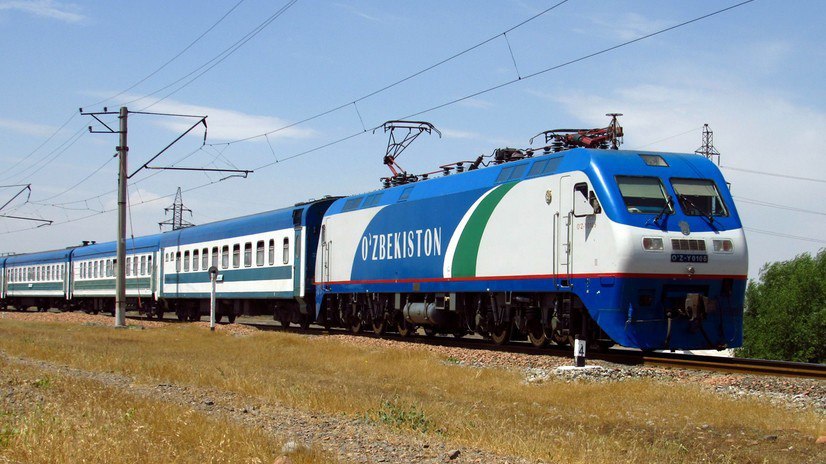
On November 26, President Shavkat Mirziyoyev outlined transformative plans for Uzbekistan’s state-owned railway and aviation sectors, setting an ambitious goal to increase the country’s GDP to $200 billion by 2030. Significant changes are already being implemented to enhance efficiency and convenience. In the railway sector, six independent enterprises have been created under “Uzbekistan Railways.” The company added 1,200 new freight cars, halving domestic freight transportation times. The digitalization of operations has streamlined processes, cutting the ordering stage for freight cars from seven days to three and reducing processing time from 72 hours to just 12 hours. Around Tashkent, train traffic has increased by 30%, and for the first time, the previously unprofitable enterprise posted a profit of 30 billion UZS ($2.3 million) this year. In the aviation sector, Uzbekistan Airways has seen flights increase by 25%, with domestic flights surging 2.5 times. The airline now holds a 20% share of international transport in Central Asia, and annual passenger traffic is projected to exceed 6 million. “Uzbekistan Airports” has also expanded services for planes, cargo, and passengers. Greater private sector involvement in airport management has yielded notable results, with 44 airlines currently operating in Uzbekistan. Cargo transportation through airports is expected to grow by 22% this year. “The economy and trade relations in our country are developing year after year. The population’s income and the tourism potential of the regions are also increasing. By 2030, we have set a goal to increase the volume of our gross domestic product to $200 billion. Therefore, we should pay special attention to the transport arteries,” Mirziyoyev said. To support these developments, a new version of the Law “On Railway Transport” has been signed, replacing the 25-year-old legislation. The updated law aims to attract private companies and investments to further develop infrastructure and accelerate industry growth.

Kazakhstan, Hungary, and China Establish Cargo Terminal in Budapest

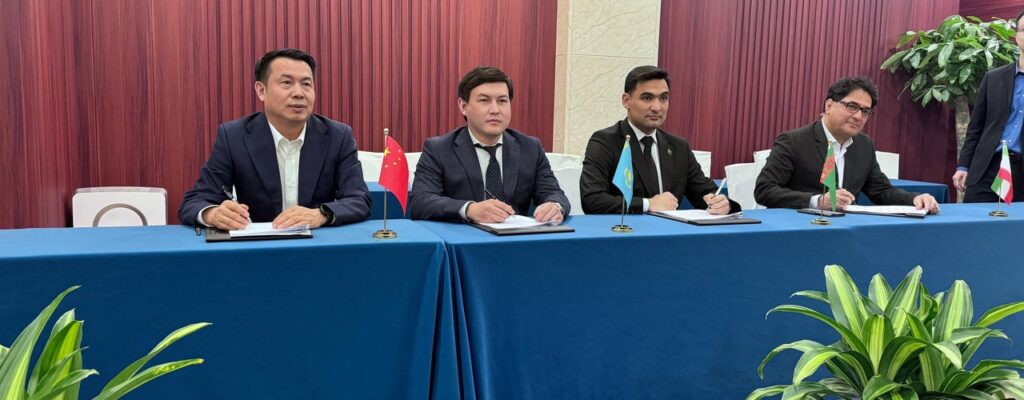
Kazakhstan Temir Zholy (KTZ, Kazakhstan’s national railway company), L.A.C. Holding (Hungary), and Xi'an Free Trade Port Construction and Operation Co., Ltd (China) have signed a memorandum to establish a joint inter-modal cargo terminal in Budapest. The document was signed on November 20 as part of the state visit of Kazakhstan's President Kassym-Jomart Tokayev to Hungary. The planned terminal will leverage the strategic location of the Hungarian capital in the heart of Europe and its developed transport network for multimodal transportation across the continent. The terminal will have a capacity of 230,000 TEU annually and will increase the number of container trains between China and Europe, including transit along the Trans-Caspian International Transport Route (TITR). The new terminal is expected to reduce delivery times and transportation costs. KTZ continues to expand its terminal network along key transport corridors to strengthen Kazakhstan's position as a key transit hub in Eurasia. On November 12, Kazakhstan, Azerbaijan, and China signed an agreement to establish an inter-modal cargo terminal in the Port of Alat in Baku, Azerbaijan. Commenting on the signed Memorandum at a press briefing in Budapest, Tokayev said this initiative will strengthen trade and transport ties between the participating countries. “New opportunities are opening up for the development of infrastructure, logistics, and international trade. Eighty-five percent of land transit shipments between Asia and Europe pass through Kazakhstan. In the near future, the volume of cargo transportation along this route will reach 10 million tons,” Tokayev said.

The Future of Transit in Kazakhstan

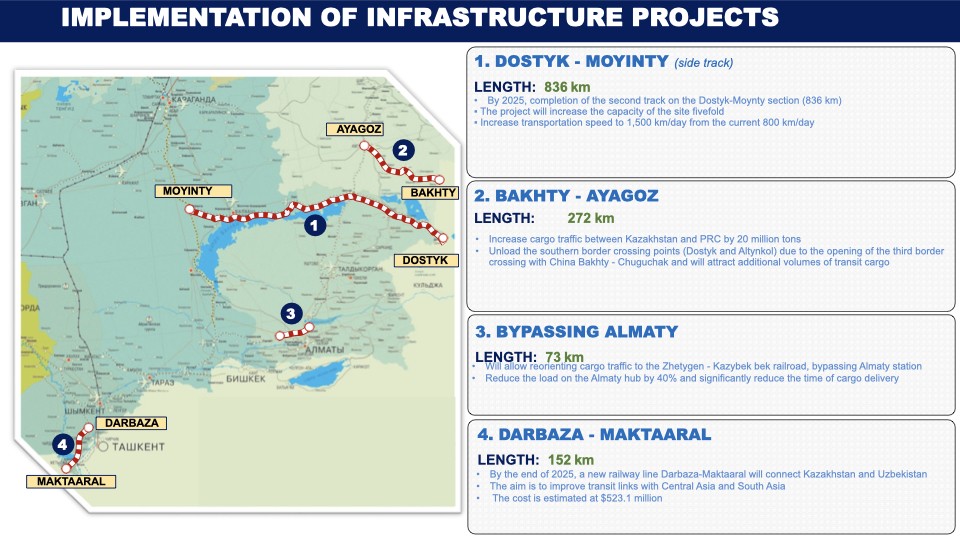
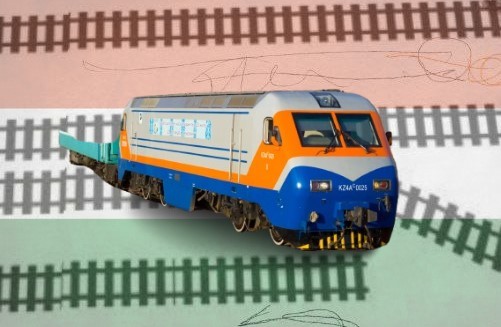
Increasing the volume of transit cargo through Kazakhstan is a strategic priority for the nation as it aims to become a transportation and logistics hub in Central Asia and the Caspian region, with its railways at the forefront of this effort. TCA spoke with Asem Mukhamedieva, Managing Director for New Projects at KTZ Express JSC, about the company’s current capabilities, prospects, and new projects in this direction.   Kazakhstan’s Role in Transit Cargo TCA: Kazakhstan, has become a vital land transportation corridor between Asia and Europe. How does Kazakhstan Temir Zholy (KTZ) contribute to further increasing transit cargo, and what trends have you observed? Mukhamedieva-  The volume of transit handled by KTZ Express in the first eight months of this year reached approximately 350,000 twenty-foot equivalent units (TEU). The China-Europe-China route saw a 36% increase, while the China to Central Asia route grew by 17%. Notably, the Trans-Caspian International Transport Route (TITR) dispatched 220 container trains, a twenty-fold increase from last year. TCA: What new routes have been launched, and what is KTZ doing to increase them? - KTZ is continuously expanding its transportation network and logistics services. One significant development is the Trans-Afghan route, which was launched this May. Under a pilot project, containers with aluminosilicate hollow microspheres were shipped from Pavlodar to Jebel Ali Port via Uzbekistan, Afghanistan, Pakistan, and the UAE. Offering competitive terms and tariffs has encouraged more cargo traffic along this route. In July, we cut delivery times in half — down to just five days — on the Xi’an-Altynkol-Tashkent route, compared to the previous 10-12 days. This success is largely due to the new terminal in Xi’an, built by KTZ and its Chinese partners. The terminal consolidates cargo from various Chinese provinces, streamlining logistics processes and significantly improving efficiency. We also launched several new logistics services to boost cargo traffic and strengthen international links. For example, in June, we introduced a regular South Korea-China-Kazakhstan-Central Asia route. We also reopened a previously unprofitable route from China to Iran and back, reducing costs by collaborating with Chinese partners.   The Growing Importance of the Trans-Caspian Route TCA: You mentioned the growth of the TITR. Could you elaborate on the regions of China involved, the types of cargo, and what steps are being taken to attract more shipments? -  The Trans-Caspian International Transport Route (TITR) has become a critical link in Eurasian logistics. This year, the route achieved remarkable growth. In September, we welcomed the 200th train dispatched via TITR at the Port of Aktau. Transit volumes for the first eight months of this year surpassed annual totals from previous years. Xi'an province leads in shipments, accounting for 57% of the total volume on this route. Other key provinces include Yiwu, Chongqing, Sanping, and Henan. Major markets for these shipments are Azerbaijan (62%), Georgia (23%), Turkey (7%), and EU countries (9%). Over 200 different commodity items were transported, with automobiles, components, textiles, and electronics making up 56% of the total. To maintain this momentum, we are working...