• KGS/USD = 0.01144 0%
  • KZT/USD = 0.00201 0%
  • TJS/USD = 0.10581 0%
  • UZS/USD = 0.00008 0%
  • TMT/USD = 0.28571 0%
  • KGS/USD = 0.01144 0%
  • KZT/USD = 0.00201 0%
  • TJS/USD = 0.10581 0%
  • UZS/USD = 0.00008 0%
  • TMT/USD = 0.28571 0%
  • KGS/USD = 0.01144 0%
  • KZT/USD = 0.00201 0%
  • TJS/USD = 0.10581 0%
  • UZS/USD = 0.00008 0%
  • TMT/USD = 0.28571 0%
  • KGS/USD = 0.01144 0%
  • KZT/USD = 0.00201 0%
  • TJS/USD = 0.10581 0%
  • UZS/USD = 0.00008 0%
  • TMT/USD = 0.28571 0%
  • KGS/USD = 0.01144 0%
  • KZT/USD = 0.00201 0%
  • TJS/USD = 0.10581 0%
  • UZS/USD = 0.00008 0%
  • TMT/USD = 0.28571 0%
  • KGS/USD = 0.01144 0%
  • KZT/USD = 0.00201 0%
  • TJS/USD = 0.10581 0%
  • UZS/USD = 0.00008 0%
  • TMT/USD = 0.28571 0%
  • KGS/USD = 0.01144 0%
  • KZT/USD = 0.00201 0%
  • TJS/USD = 0.10581 0%
  • UZS/USD = 0.00008 0%
  • TMT/USD = 0.28571 0%
  • KGS/USD = 0.01144 0%
  • KZT/USD = 0.00201 0%
  • TJS/USD = 0.10581 0%
  • UZS/USD = 0.00008 0%
  • TMT/USD = 0.28571 0%
23 February 2026

Viewing results 1 - 6 of 114

South Korea Backs New Cold Storage and Logistics Center in Southern Kyrgyzstan

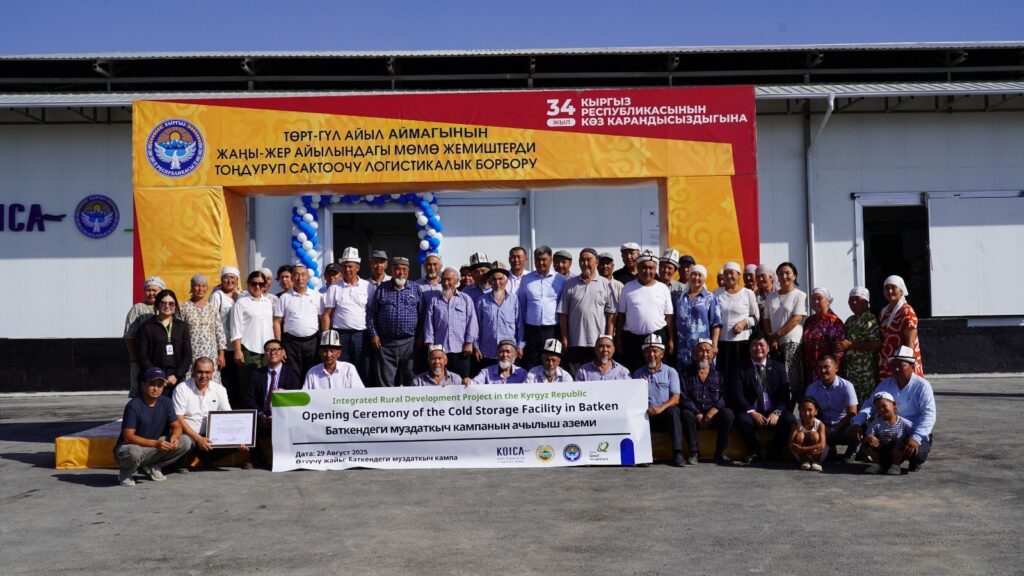
On August 29, a new Fruit and Vegetable Cold Storage and Logistics Center officially opened in the village of Tort-Gul in Kyrgyzstan’s southern Batken Region. The opening ceremony was attended by representatives of the Korea International Cooperation Agency (KOICA) and the NGO Good Neighbors, both of which provided partial financing for the project, as well as by local government officials and residents. According to KOICA’s Kyrgyzstan office, the facility was established through the joint efforts of the Republic of Korea, the Kyrgyz government, and local communities. The project received both financial and administrative support from the Kyrgyz side, with local self-government bodies covering approximately 42 percent of the construction costs. The center was developed as part of the Integrated Rural Development Project, a joint initiative of KOICA and Good Neighbors that is currently being implemented in 30 villages across the Osh and Batken regions. With a storage capacity of up to 500 tons, the facility is equipped with modern refrigeration systems designed to reduce post-harvest losses, extend the shelf life of agricultural products, and ensure a more reliable supply of fruits and vegetables to both domestic and international markets. The logistics center is managed by the Batken Berekelyuu Aimak cooperative, which has already begun commercial operations. The cooperative has signed a supply contract for dried apricots and plans to expand its distribution network in the near future. The facility is expected to improve the livelihoods of farmers in Batken by creating additional income opportunities and strengthening access to larger markets.

Tokayev Urges Equal Education Standards Across Urban and Rural Kazakhstan

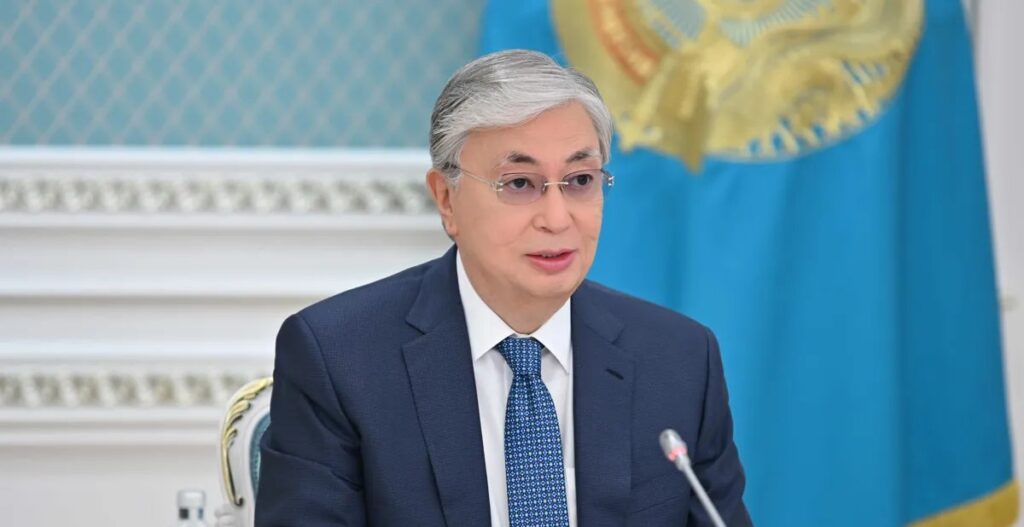
Kazakhstan's President Kassym-Jomart Tokayev has called for narrowing the gap in education quality between urban and rural schools and accelerating the integration of digital technologies and artificial intelligence (AI) into the country's education system. Speaking at the annual August Teachers' Conference, Tokayev emphasized that building a modern, inclusive nation requires equal opportunities for all children, regardless of geography. “All children must have equal opportunities. Therefore, an important task is to eliminate inequality in the quality of education in cities and villages,” he stated. Over the past four years, the material and technical infrastructure of more than 4,000 rural schools has been upgraded. Still, Tokayev stressed that this progress must be complemented by digital transformation, including the introduction of AI into the curriculum. “The concepts of ‘progressive nation’ and ‘technological nation’ are synonymous today,” he said, adding that digitalization is central to improving educational outcomes. Currently, over 95% of schools in Kazakhstan are connected to high-speed internet. Tokayev has instructed that this figure reach 100%, potentially through the use of Starlink satellite technology. “This is not just a technical issue, but a principle of social justice,” he added. The president also noted that advanced technologies will support the development of an inclusive education environment, particularly benefiting children with special needs. Several core educational services in Kazakhstan have already been digitized, including school and college admissions, inter-school transfers, and the Bilim service on the eGov mobile platform. However, Tokayev underscored the need to further equip schools with interactive tools and ensure universal access to digital platforms and electronic textbooks. The president placed particular emphasis on early instruction in AI technologies and continuous professional development for teachers. “Teachers must not only know their subject, but also be able to apply new technologies,” he said. As previously reported by The Times of Central Asia, the latest PISA assessment noted improvements in education access across Central Asia but highlighted a decline in academic performance among students in the region.

AIIB and Uzbekistan Finalize $71.1 Million Loan for Climate-Resilient Rural Roads

Uzbekistan and the Asian Infrastructure Investment Bank (AIIB) have concluded a $71.1 million loan agreement to upgrade rural roads in the Khorezm and Karakalpakstan regions. The deal was finalized during the AIIB’s 10th Annual Meeting in Beijing. The loan will finance the first phase of the Karakalpakstan and Khorezm Local Roads Network Reconstruction Project, which aims to modernize rural road infrastructure to improve climate resilience and community accessibility. The project is expected to facilitate better access to markets and essential public services for rural populations. The total cost of the project is projected at $173.4 million, with a second loan tranche planned to cover the remaining amount. The initial phase will prioritize road improvements in Khorezm, while the second tranche will address road upgrades in the Republic of Karakalpakstan. According to the AIIB, a phased approach will allow Uzbekistan to better manage its fiscal resources and enhance project planning and execution. This method also enables the bank to provide tailored technical assistance and integrate lessons learned from earlier phases into subsequent work. This initiative builds on a broader partnership between Uzbekistan and the AIIB. In 2024, the bank approved a $250 million program to support the country's transition to a greener economy. That package includes measures to reduce greenhouse gas emissions, reform climate-related policies, and promote sustainable land and water management, as well as low-carbon transportation and energy solutions. The AIIB also backs Uzbekistan’s efforts to boost energy efficiency, expand renewable energy capacity, promote e-mobility, and encourage state-owned enterprises to adopt climate risk reporting practices. The rural roads project aligns with Uzbekistan’s wider development agenda, which includes modernizing infrastructure, revitalizing underserved regions, and fostering long-term sustainability.

IFAD Representative Office Opens in Uzbekistan

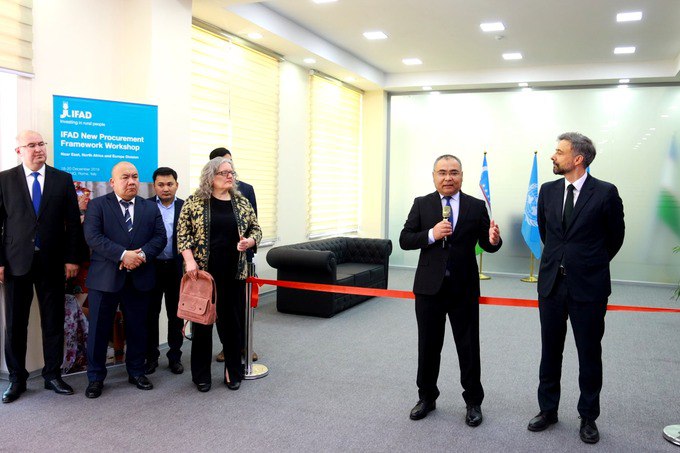
The International Fund for Agricultural Development (IFAD) has opened an office in Uzbekistan. The opening ceremony was attended by IFAD President, Alvaro Lario, and the Uzbek Minister of Agriculture, Ibrohim Abdurakhmonov. IFAD is an international financial institution and a specialized agency of the United Nations, established in 1978. "The opening of the Fund's office in Tashkent reflects our commitment to sustainable economic development in Uzbekistan and the region. Through partnerships with the government and the private sector, we can support more ambitious investments in climate change adaptation and rural prosperity," said Lario. "Uzbekistan has been cooperating with the fund since joining it as a member state in 2011. Having a representative office in the country will allow to better address specific needs and problems of the agricultural sector," the fund said in a statement. Over the past decade, IFAD's portfolio of projects in the region has grown significantly, with a total investment of $435.3 million covering more than 550,000 rural residents.

World Bank Announces New Country Partnership Framework for Kyrgyzstan

In a press release on its website, on October 31st the World Bank announced a new five-year Country Partnership Framework (CPF) for the Kyrgyz Republic that defines the strategic focus of the World Bank’s engagement with the country around job creation, natural resource management, and improving human capital outcomes. The CPF lays out a selective and flexible program for World Bank assistance. “The World Bank has been a trusted partner of the Kyrgyz Republic for the last 30 years”, said Kyrgyz Republic’s Minister of Finance, Almaz Baketaev. “The new Country Partnership Framework responds to the Kyrgyz Republic’s National Development Strategy to 2040 and the National Development Program for 2022-2026. The new partnership strategy will reinforce the efforts of the Cabinet of Ministers to modernize the economy, promote inclusive growth, and build a more prosperous future for all”. “The World Bank is proud to support the Kyrgyz Republic’s ambitious and well-articulated reform agenda”, said Tatiana Proskuryakova, the World Bank’s Regional Director for Central Asia. “Under our new Country Partnership Framework, we will support the country’s economic transformation with policy advice, technical assistance, and planned project financing of around $500 million. New investments will focus on the key priority sectors of energy, water, and agriculture to create a better and more sustainable future for the citizens of the Kyrgyz Republic”. The new CPF is centered around three core pillars aimed at delivering tangible development outcomes: increasing private sector-led job creation; improving access to sustainably managed natural resources, and enhancing human capital and economic empowerment of vulnerable population groups. The CPF also includes a strong focus on key global challenges including strengthening climate resilience and reducing emissions; closing the gender gap; supporting jobs and economic transformation; strengthening institutions; and reducing fragility risk. The World Bank’s Board of Executive Directors also approved $5 million for the technical assistance of Kambarata-1 Hydropower Plant Project. This assistance aims to support the Cabinet of Ministers of the Kyrgyz Republic in updating the Feasibility Study of the Kambarata-1 Hydropower Plant (HPP) Project, enhancing its environmental and social sustainability, and strengthening its financial and commercial frameworks. Kambarata-1 HPP is expected to be among the most cost-effective projects for expanding clean energy resources across the Kyrgyz Republic and Central Asia. It has the potential to address the country’s energy security challenges, generating significant revenues from energy exports whilst also improving downstream HPP operations and water management. “The Kambarata-1 HPP is a critically important project that has the potential to bring huge benefits in clean energy generation, regional cooperation, water security, and environmental safeguards across Central Asia”, said World Bank Regional Director for Central Asia, Tatiana Proskuryakova. “The World Bank’s technical assistance will help the Cabinet of Ministers of the Kyrgyz Republic use the country’s abundant hydropower potential for the benefit of the people and region, while strengthening the governance and financial sustainability of the energy sector”. “Kambarata-1 is a transformative greenfield regional hydropower project that will power the clean energy future of the Kyrgyz Republic and Central Asia”, added World Bank Country Manager for the Kyrgyz Republic, Naveed Hassan Naqvi. “This...

Tajikistan: CARITAS Germany donates heavy machinery to Ayni district

DUSHANBE (TCA) — Country Representative of the Branch of the German CARITAS Association in Tajikistan Parvina Tajibaeva and Head of the Ayni Unit of the Committee on Emergency Situations and Civil Defense under the Government of Tajikistan Mirzoshohiyon Mirzoshoh, along with representatives of partner organizations attended the handover ceremony of a mini excavator valued at 180,000 Tajik somoni. The mini excavator was procured within the framework of the CARITAS Germany funded project on “Long-term action on emergency prevention in 4 main vulnerable jamoats of Ayni district”, which is implemented by Public Organization ASTI in partnership with the Local Government Authority of Ayni district and the Ayni Unit of the Committee on Emergency Situations and Civil Defense. The donated machinery is intended for cleaning up of mudflow derivation canals and other works required during and after emergencies in all villages of Anzob, Shamtuch, Rarz and Fondaryo jamoats. Continue reading