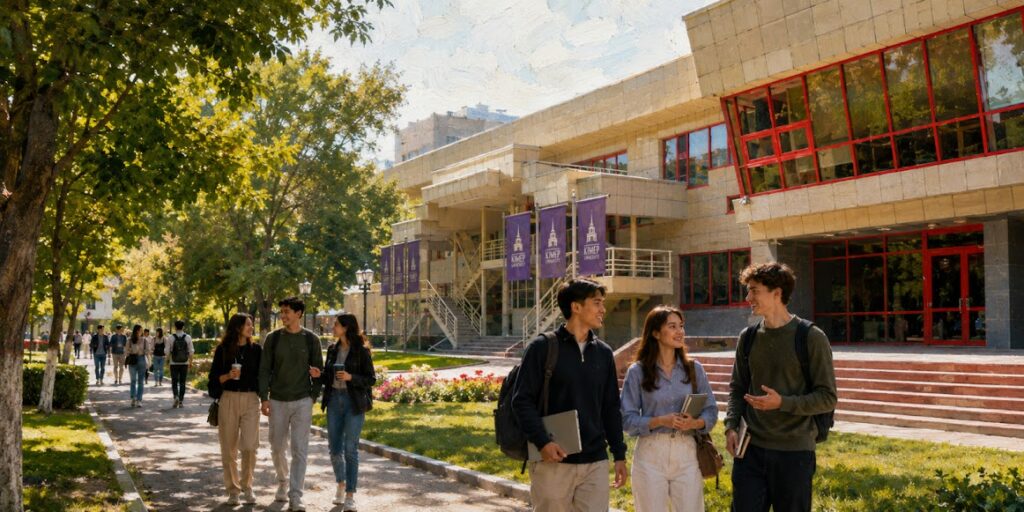
Kazakhstan’s President Kassym-Jomart Tokayev has called for narrowing the gap in education quality between urban and rural schools and accelerating the integration of digital technologies and artificial intelligence (AI) into the country’s education system.
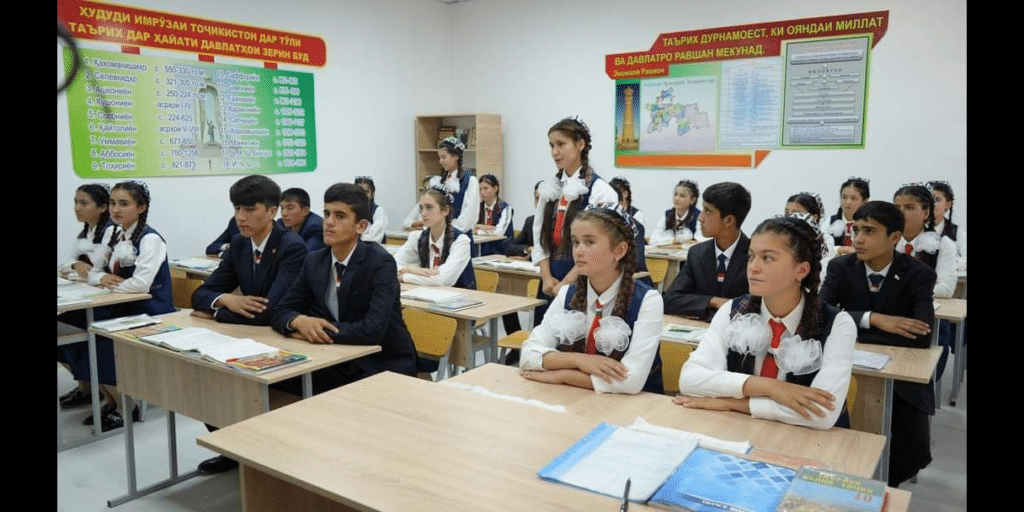
Speaking at the annual August Teachers’ Conference, Tokayev emphasized that building a modern, inclusive nation requires equal opportunities for all children, regardless of geography. “All children must have equal opportunities. Therefore, an important task is to eliminate inequality in the quality of education in cities and villages,” he stated.
Over the past four years, the material and technical infrastructure of more than 4,000 rural schools has been upgraded. Still, Tokayev stressed that this progress must be complemented by digital transformation, including the introduction of AI into the curriculum. “The concepts of ‘progressive nation’ and ‘technological nation’ are synonymous today,” he said, adding that digitalization is central to improving educational outcomes.
Currently, over 95% of schools in Kazakhstan are connected to high-speed internet. Tokayev has instructed that this figure reach 100%, potentially through the use of Starlink satellite technology. “This is not just a technical issue, but a principle of social justice,” he added.
The president also noted that advanced technologies will support the development of an inclusive education environment, particularly benefiting children with special needs.
Several core educational services in Kazakhstan have already been digitized, including school and college admissions, inter-school transfers, and the Bilim service on the eGov mobile platform. However, Tokayev underscored the need to further equip schools with interactive tools and ensure universal access to digital platforms and electronic textbooks.
The president placed particular emphasis on early instruction in AI technologies and continuous professional development for teachers. “Teachers must not only know their subject, but also be able to apply new technologies,” he said.
As previously reported by The Times of Central Asia, the latest PISA assessment noted improvements in education access across Central Asia but highlighted a decline in academic performance among students in the region.