• KGS/USD = 0.01144 0%
  • KZT/USD = 0.00207 0%
  • TJS/USD = 0.10415 -0.19%
  • UZS/USD = 0.00008 0%
  • TMT/USD = 0.28571 0%
  • KGS/USD = 0.01144 0%
  • KZT/USD = 0.00207 0%
  • TJS/USD = 0.10415 -0.19%
  • UZS/USD = 0.00008 0%
  • TMT/USD = 0.28571 0%
  • KGS/USD = 0.01144 0%
  • KZT/USD = 0.00207 0%
  • TJS/USD = 0.10415 -0.19%
  • UZS/USD = 0.00008 0%
  • TMT/USD = 0.28571 0%
  • KGS/USD = 0.01144 0%
  • KZT/USD = 0.00207 0%
  • TJS/USD = 0.10415 -0.19%
  • UZS/USD = 0.00008 0%
  • TMT/USD = 0.28571 0%
  • KGS/USD = 0.01144 0%
  • KZT/USD = 0.00207 0%
  • TJS/USD = 0.10415 -0.19%
  • UZS/USD = 0.00008 0%
  • TMT/USD = 0.28571 0%
  • KGS/USD = 0.01144 0%
  • KZT/USD = 0.00207 0%
  • TJS/USD = 0.10415 -0.19%
  • UZS/USD = 0.00008 0%
  • TMT/USD = 0.28571 0%
  • KGS/USD = 0.01144 0%
  • KZT/USD = 0.00207 0%
  • TJS/USD = 0.10415 -0.19%
  • UZS/USD = 0.00008 0%
  • TMT/USD = 0.28571 0%
  • KGS/USD = 0.01144 0%
  • KZT/USD = 0.00207 0%
  • TJS/USD = 0.10415 -0.19%
  • UZS/USD = 0.00008 0%
  • TMT/USD = 0.28571 0%

Viewing results 1 - 6 of 41

Rejuvenating Kyrgyzstan’s Traditional Performing Arts: Razia Syrdybaeva on the Ustatshakirt Ensemble

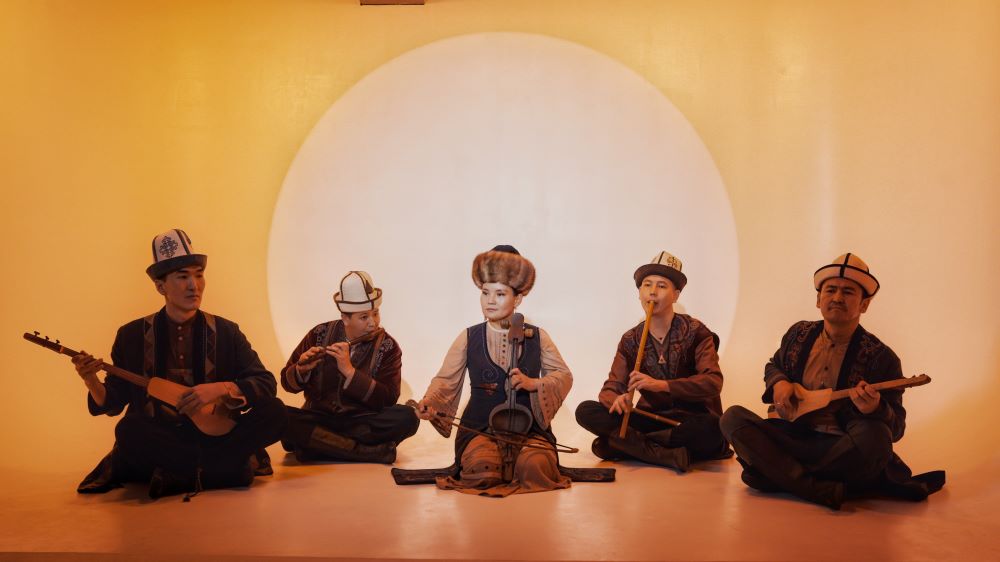
On August 13, Kyrgyzstan’s Ustatshakirt Ensemble, a five-piece group of traditional musicians, gave its first ever performance at Edinburgh’s International Festival. Following a mesmerizing, sell- out concert, Kyrgyz author Shahsanem Murray spoke on behalf of TCA, to musicologist Razia Syrdybaeva about Ustatshakirt , its origins, aims and future plans. [caption id="attachment_23314" align="aligncenter" width="1665"] Photo: TCA Razia Syrdybaeva and the Ustatshakirt Ensemble[/caption]   TCA:  Razia, please tell us a little about yourself and the Ustatshakirt Ensemble. I am a musicologist, producer, and researcher of Kyrgyz culture, and hold a PhD in Philology. Twenty years ago, I established Ustatshakirt; an NGO educational organization with a mission to preserve Kyrgyzstan’s centuries-old musical heritage. The name Ustatshakrit - Ustat meaning master, and shakirt, student - embodies our aim to serve as a bridge between old masters and young musicians. Founded in 2003, with support from the Aga Khan Music Programme (AKA) the Ustatshakrit Center now has branches offering tuition in music, literature, and theatre to pupils in 41 primary & secondary schools across Kyrgyzstan. Over the past twenty years, through the development of faster and more effective methodology, we have taught over 10,000 children to play traditional Kyrgyz instruments such as the komuz and temir ooz komuz. We also provide tuition in other performing art forms including basic theater skills in our ‘dramalab’, and singing epics. The key goal of our work is to introduce children to their native music and help them appreciate and fall in love with their ancient culture. This is very important, especially in the present climate where exposed to external influences and technology, young people are increasingly moving away from their roots, their native language, and music. Attracted by modern rhythms and gadgets, they have little time and few opportunities to listen to their ancestral music. To more effectively engage both our pupils and audiences, we are constantly implementing the development of special methodological textbooks, music notation programs, etc. Authored by our teachers, musicians and prominent figures in the Arts, our now comprehensive collection of publications is used by Kyrgyzstan’s music educational institutions, from children's art schools to universities and conservatories. TCA: Concerts of traditional Kyrgyz music accompanied by excerpts from the great Manas epic are rarely performed in the UK, and especially, Scotland. What challenges did you face in securing a venue at the Edinburgh Festival? We heard about the festival several years ago. Getting to Edinburgh involved a lot of planning and expense and was only made possible thanks to the generous support of the Aga Khan Trust for Culture, the Aga Khan Music Program and its director Fairouz Nishanova, and our sponsors Sir Ewan & Lady Brown together with Flure Gossart. Work on repertoires for international audiences has now been ongoing for two years, and over many months prior to playing at Edinburgh, we focused on creating a program that would embrace the rich traditions of Kyrgyzstan’s music and culture. TCA: What were your impressions of the Edinburgh audience? We were all delighted by the high...
Kyrgyzstan Seeks Legalization of Traditional Medicines and Practices

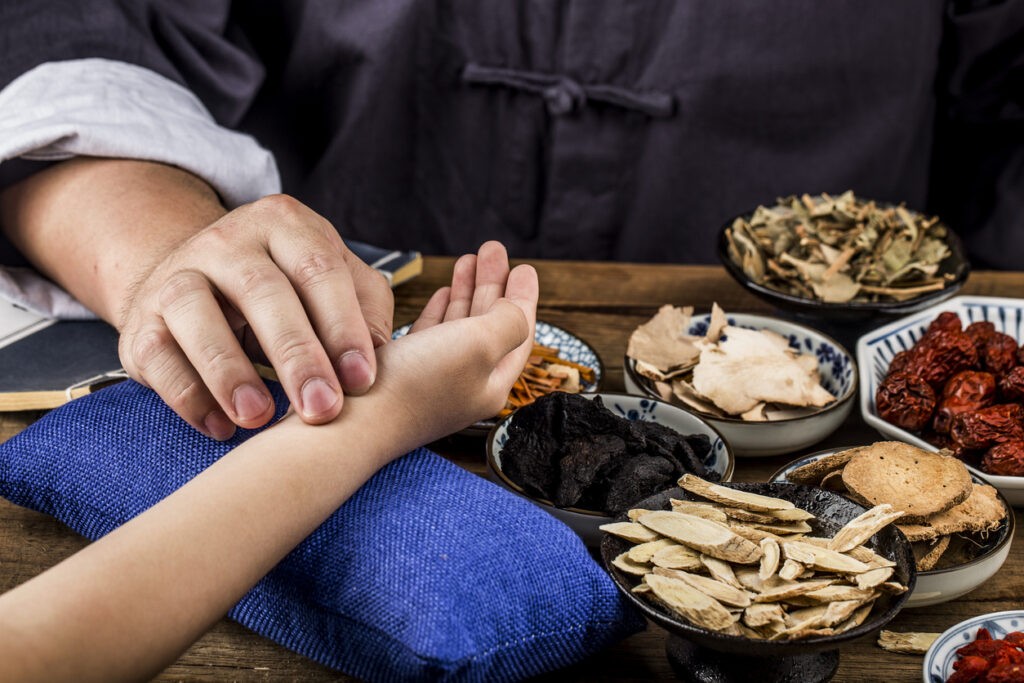
Kyrgyzstan's Health Ministry has devised an initiative to legalize traditional folk medicine. A draft decree of the Cabinet of Ministers on the procedure for training specialists has now been submitted for public discussion. Proposed by Minister of Health Alymkadyr Beishenaliev, the initiative concerns the study of traditional healing methods such as phytotherapy, massage, acupuncture, apitherapy, and hippotherapy, conducted through specialist training programs. He has also mooted the establishment of a research institute or Academy of Traditional Kyrgyz Medicine offering courses in theoretical and practical skills taught by professionals in the field, alongside the foundation of a dissertation council for the defense of academic degrees in the discipline. Central to the project, is the introduction of a budget for traditional medicine specialists, such as acupuncturists and physiotherapists, in all medical institutions of the country. There are also plans to open a research institute to test the efficacy of medicinal plants and conduct clinical trials. In addition, the Cabinet of Ministers has proposed the implementation of medicinal herb plantations for the subsequent production of related medical drugs. It is worth noting that in both several former Soviet Union and countries worldwide, traditional medicine has been legalized and integrated into state healthcare systems. For example, Russia and Belarus practice traditional treatments, including phytotherapy, acupuncture, alongside modern medical procedures. Traditional Chinese medicine is widely practiced in China, Japan, and Korea, and Ayurveda and Yunani are actively being developed in India. The World Health Organization also supports the development of traditional medicine by helping countries develop recognized international standards.

A Yurt Full of Culture: Immersive Theater Meets Nomadic Traditions at the World Nomad Games

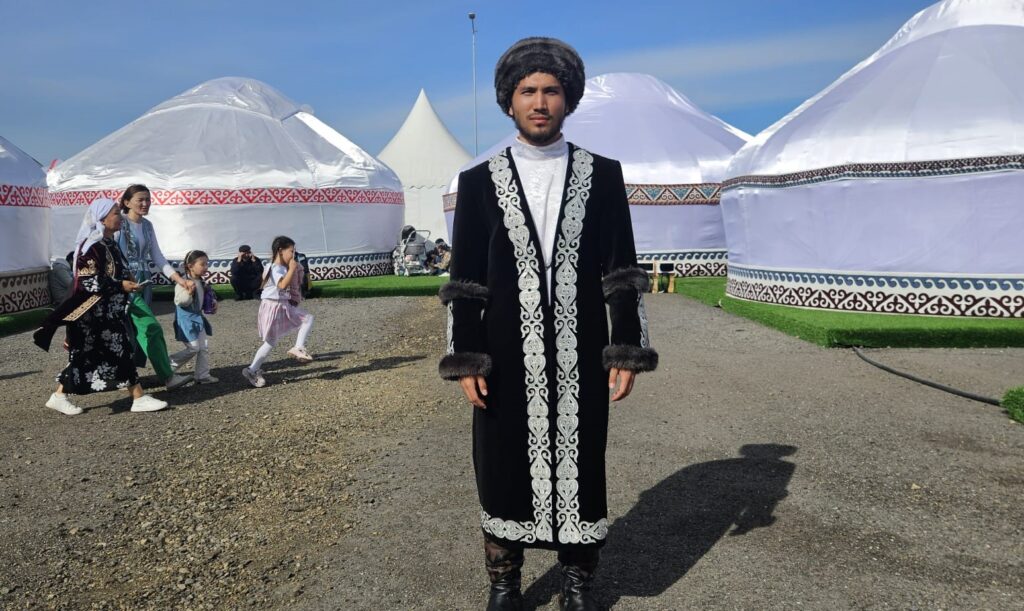
In and amongst the many yurts at the 2024 World Nomad Games Ethnoaul (Ethnic Village), the inhabitants of a specific yurt — not only delight and surprise passersby with boisterous renditions of Kazakh music, dance, and comical stage combat — but they energetically beckon people inside to experience the traditional familial rituals of a nomadic Kazakh marriage proposal. Guests are seated on the floor while segments of the ritual are played out and translated into English by the host, Ernur. The experience is immersive to the point where some of the observers from far-off regions were overheard congratulating the bride-to-be on her upcoming nuptials. Inside the yurt, Ernur set the scene by pointing out the players, among them, the fathers of the future bride and groom, the future bride, her future mother-in-law, and a strumming dombra player. After the union was established, the mother-in-law bestowed her daughter-to-be with gifts of jewelry. As the dombra rhythm accelerated, the fathers-in-law embraced, and the two families exchanged gifts of — in this instance — fur-collared cloaks. The wedding, Ernur explained, would occur in March, the month of the traditional Central Asian New Year (Nauryz). Upward-facing palms aided declarations of goodwill and thankfulness, followed by more music, merriment, and horse-related appetizers. A sense of genuine formality and inclusive pomp was fully realized in under ten minutes. [video width="848" height="478" mp4="https://timesca.com/wp-content/uploads/2024/09/WhatsApp-Video-2024-09-13-at-12.10.55.mp4"][/video] The Mukanov Theater, named after Kazakh Soviet writer and poet Sabit Mukanov, is based in Petropavl, approximately 300 miles north of Astana near the border with Russia. Ernur, the aforementioned host and cast member, has been acting with the twenty-one-year-old Mukanov Theater for a year. Back in Petropavl, the company, which has a 200-seat theater building, performs traditional Kazakh plays, modern plays, and Shakespeare, which Ernur described as “so difficult for us!” 2024 marks the first year that they have performed at the WNG with their debut marriage proposal ceremony. Additionally, the theater company has enacted different nomadic traditions in other yurts around Kazakhstan. Ernur, who said he’d enjoyed his time in Astana, added that the Mukanov Theater was “proud that the World Nomad Games are here [in Kazakhstan].” [caption id="attachment_23140" align="aligncenter" width="720"] Left to right: Brandon, Albert and Jan at the World Nomad Games; image: TCA, K. Krombie[/caption] Three Western traveling companions, who met each other only recently on the backpacker trail of Central Asia, were ushered into the Mukanov Theater yurt. They each provided reviews of the immersive theater experience, and also, their individual opinions regarding the wider connotations of the performance, proportionate to Kazakhstan’s post-Soviet cultural heritage. Brandon, an American from San Francisco, has been traveling the world for nine months and thought it would be “really funny” to come to the Stans for a couple of months. “I was in Turkey, and I was like, you know what, where's the weirdest place I can think of to go to that's not too far from where I am right now? Who's ever been to Uzbekistan, right? Kazakhstan is my last stop...

International Recognition for the Kazakh Tazy Dog

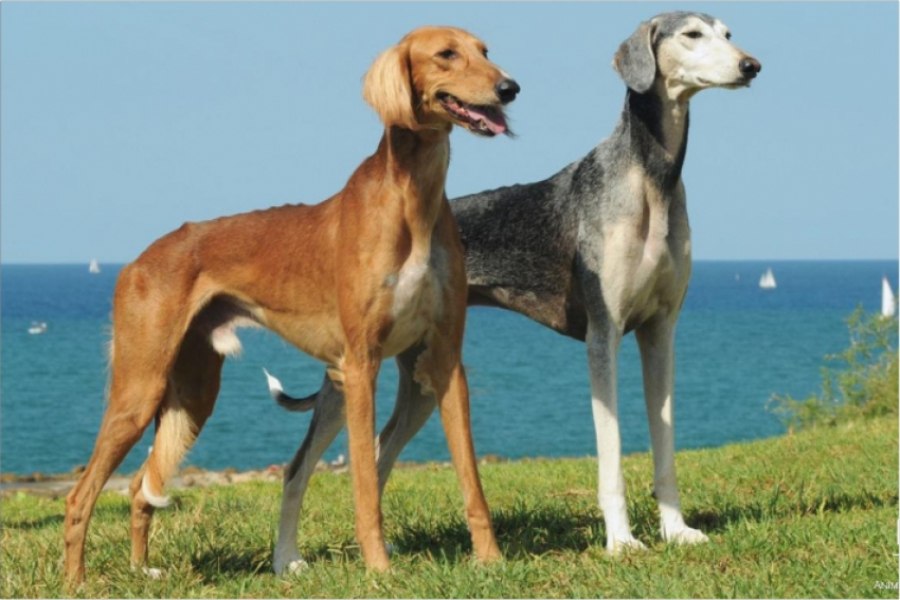
The Kazakh Tazy, one of the oldest dog breeds, is at last, poised to receive international recognition. The General Committee of the International Cynological Federation (FCI) has officially approved the preliminary recognition of the Kazakh Tazy as a unique breed. The move secures Kazakhstan as the holder of the breed standard and is a significant step towards the breed's global recognition. The next ten years will be devoted to collecting data on the health, characteristics, and registration of Tazy puppies, which will be submitted to the FCI for review. Since 2022, the Presidential Affairs Department (PAD) of the Republic of Kazakhstan has been working on preserving Kazakh dog breeds through scientific research, exhibitions and amendments to legislation regarding breeding. In August 2023, the Union of Cynologists of Kazakhstan, having fulfilled all of its requirements, became a full member of FCI which in turn, allowed the Kazakh Tazy to be declared a national breed. The Kazakh Tazy dog emerged over four thousand years ago and according to recent genetic studies, is unique in terms of genetic diversity, especially in Kazakhstan's southern and eastern regions. Renowned for its outstanding endurance, ability to withstand Central Asia's harsh climate, and skills in hunting hares, wolves, and other animals, the Tazy has long been an essential part of the nomadic people's lives.

Kyrgyzstan Proposes Ban on Face Coverings

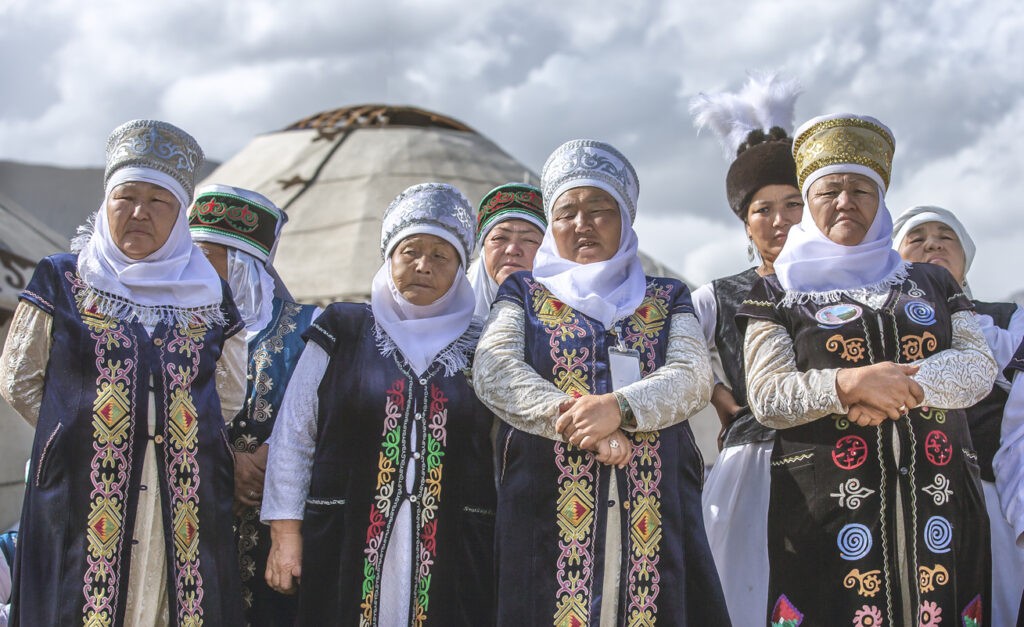
The State Commission on Religious Affairs of Kyrgyzstan has proposed several important initiatives to regulate religious activity in the country and in particular, a ban on face coverings that hinder citizen identification in state institutions and public places. The ban will not apply to protective masks, and a draft decree, carrying a proposed fine equivalent to 235 USD for violation of the law, has now been submitted for public discussion. In addition, the State Committee of Religion also proposes banning the distribution of religious literature and other materials in public places, residential premises, state and municipal institutions, and educational organizations. Recommendations have also been mooted to prohibit religious figures from foreign organizations from conducting ceremonies and events in nursing homes, correctional institutions, and military units without prior approval of the authorized body. A further proposal is the implementation of a ban on religious organizations' interference in the activities of public authorities and local self-government bodies, and on financing political parties by subjects of spiritual activity. Administrative liability is envisaged for violation of these prohibitions, the aim of which is to strengthen state control, and prevent abuse, of religious activity. Laws prohibiting face coverings are already in place in several countries. France and Belgium for example, have strict bans on burkas and niqabs in public places, and in Sri Lanka, similar measures have been introduced to combat religious extremism. In the Republic of Congo and Chad, such laws were imposed to improve security despite the low Muslim population. Post-Soviet countries have adopted similar laws but on a limited scale. Azerbaijan restricts religious dress in public institutions, whilst motivated by concern for national identity and the secular nature of the state, Tajikistan has imposed a law banning the hijab in public institutions and schools since 2017.

Uzbekistan Travel Tips from Professional Guide Eleonora Radjabova

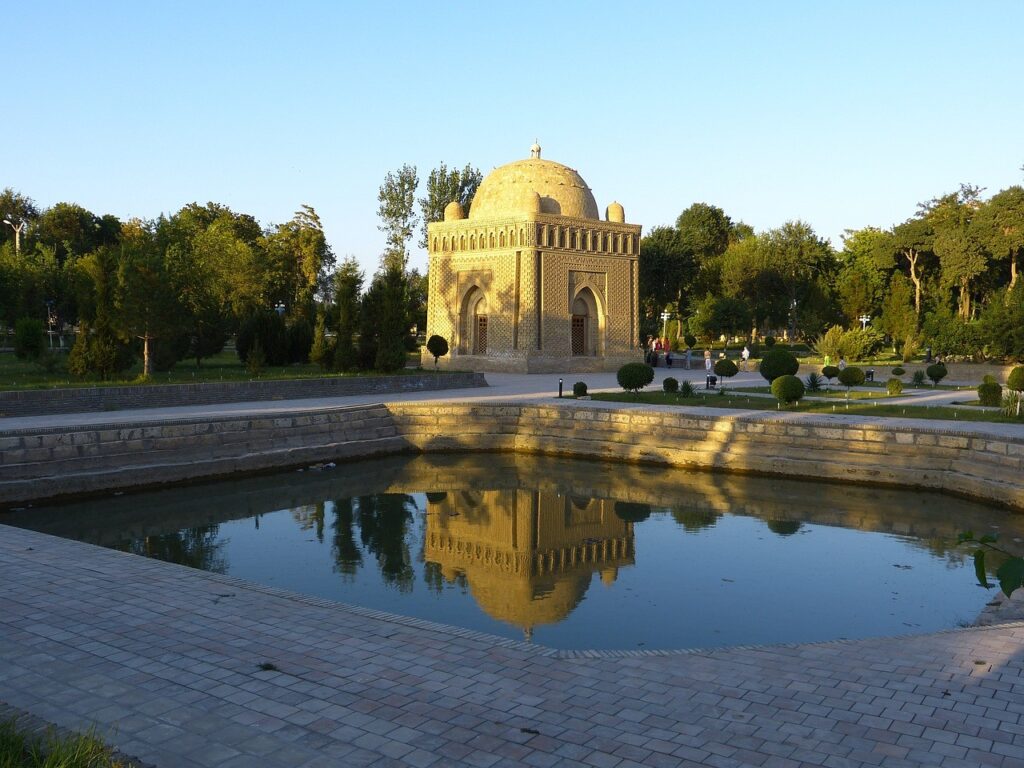
Uzbekistan is increasingly attracting tourists from all over the world, eager to experience its rich cultural heritage, unique architecture and spectacular landscape. Eleonora Radjabova, a professional guide in Uzbekistan since 2007, spoke to TCA about her own favorite locations and provided tips on how to make the most of your trip to her country. [caption id="attachment_22627" align="aligncenter" width="720"] photo: elya.uz.guide - Eleonora Radjabova[/caption]   TCA: What are your personal favorite places and activities in Uzbekistan? My favorite places and activities in Uzbekistan highlight the diversity and richness of the natural environment and cultural experiences my country has to offer. I especially love Bukhara for its ancient historical heritage and architectural masterpieces. Walking through the narrow streets and markets of this medieval city is a unique and immersive experience filled with dazzling, iconic monuments at every turn. [caption id="attachment_22628" align="aligncenter" width="1280"] photo: TCA -Bukhara[/caption]   For those wishing a flavor of Uzbekistan’s landscape, I recommend Chimgan and Amirsoy, both within easy reach of Tashkent. Chimgan, set in the Ugam Chatkal National Park and 85 kilometers from the city, is perfect for an active vacation. Sometimes known as ‘Uzbek Switzerland’ with mountains rising to 3309m above sea level, Chimgan has facilities for various extreme sports. In winter, it operates as a ski-resort whilst in summer, paragliding provides an exhilarating experience and breath-taking views of the terrain from high in the air. Apart from being ideal for day-trippers, the resort which specializes in eco-tourism, offers a wide range of accommodation for longer stays. [caption id="attachment_22630" align="aligncenter" width="1024"] photo: skipedia.ru -Chimgan[/caption]   Amirsoy, just 65 kilometers from Tashkent, offers an easily accessible respite from city life. Flanked by the Chaktal Ridge and Tian Shan mountains, its beautiful rolling landscape offers numerous trails for hiking and walking, alongside spas and pools. [caption id="attachment_22634" align="aligncenter" width="497"] photo: Uzbek Travel -Amirsoy[/caption]   Lake Aidarkul, a unique oasis of sorts in the Kyzylkum Desert, is another of my favorite places to relax and enjoy outdoor recreation. It is especially beautiful in August when people come to its shores to enjoy the sunset then gaze at the starry sky. A natural wilderness and home to rare species of birds as well as pelicans, herons, geese and black storks, the area is a mecca for birdwatchers. Visitors can also experience a unique taste of nomadic life by embarking on a trip through the desert on camels – “ships of the desert"-  to spend a night in a yurt. [caption id="attachment_22631" align="aligncenter" width="900"] photo:adantour.com -Lake Aidarkul[/caption]   TCA: Why are these places and activities especially dear to you? These places and activities recharge my vigor, positively influence my mood, and I return to the city, to my work, with new ideas and impressions.  TCA: What tips can you offer tourists to get the most out of their visit?  It’s all about forward planning! I recommend determining in advance, aspects of the country which interest you most -historical monuments, culture, nature, cuisine -to help pick a tour tailored to your preferences. Make...