Viewing results 1 - 6 of 41
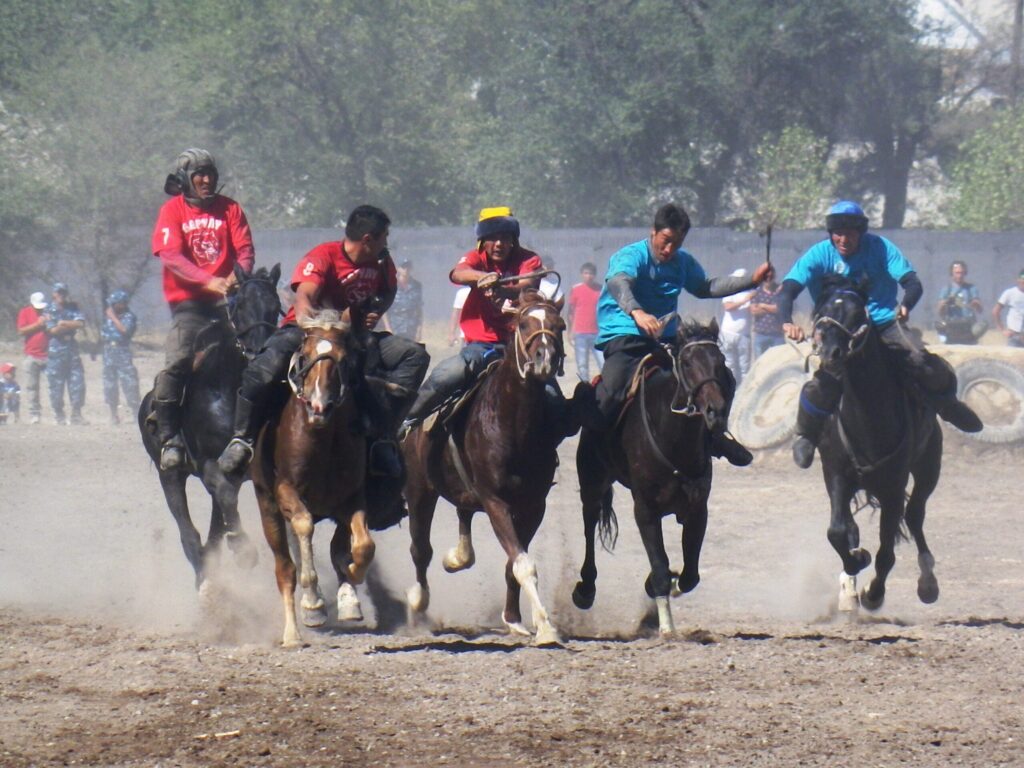
On January 8th, the Minister of Tourism and Sports of Kazakhstan, Yermek Marzhikpayev chaired a meeting on the progress of preparations for the fifth World Nomad Games, which are to be held in Kazakhstan later this year. The meeting was attended by the leadership of the Association of Traditional Sports, the directorate for the World Nomad Games, and the presidents of federations of traditional sports. Marzhikpayev referred to President Tokayev, who in an interview with the Egemen Kazakhstan newspaper earlier this month stressed the importance for the nation of this major sporting event. “To fulfill instructions of the Head of State, it is necessary to host the World Nomad Games at an outstanding level,” Marzhikpayev stated. “Therefore, we must clearly define what measures have been taken to date and what tasks lie ahead. All remaining problems must be resolved as soon as possible. Preparations for the Games are going according to plan. However, the training of national sports teams must be first-rate. It is necessary to provide athletes with high-quality conditions and fully resolve all financial issues.”[/vc_column_text][vc_single_image image="13570" img_size="full" el_class="scond-image" parallax_scroll="no" woodmart_inline="no"][vc_column_text woodmart_inline="no" text_larger="no"]It is expected that delegations from more than a hundred countries will visit Kazakhstan for the games, which will include twenty competitive and ten demonstration events, with 110 sets of medals will being competed for. Equestrian sports, traditional wrestling, archery, bird hunting, and traditional intellectual games will all be included. The World Nomad Games were initiated by the government of Kyrgyzstan in 2012 for the revival and preservation of the culture of nomadic civilizations. The First World Nomad Games were held in September 2014 in the resort city of Cholpon-Ata on Lake Issyk-Kul in Kyrgyzstan.
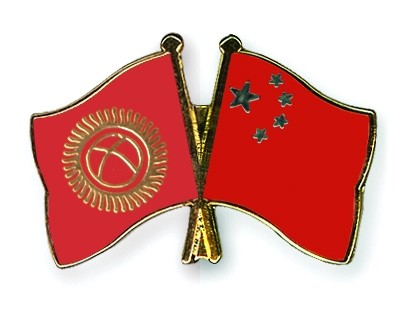
A recent exhibition in Bishkek, titled "Walking the Silk Road, Allowing Cultures to Integrate," centered on the Belt and Road Initiative (BRI) and showcased Chinese culture. Kyrgyz Deputy Prime Minister Edil Baisalov, Charge d'Affaires of the Chinese Embassy in Kyrgyzstan Li Baojie, representatives from educational institutions of both Kyrgyzstan and China, and business delegates attended the event, as reported by Xinhua. Deputy Prime Minister Baisalov emphasized the transformative impact of the BRI on the region, including Kyrgyzstan, stating, "It has actually had a huge impact on the political and economic situation around the world." Charge d'Affaires Li highlighted over a decade of fruitful cooperation between Kyrgyzstan and China within the BRI framework. Li emphasized the importance of cultural interaction and exchange within the initiative, noting that exhibitions like this provide opportunities for the Kyrgyz people to gain a deeper insight into Chinese traditional culture and customs, fostering stronger mutual understanding. The exhibition, organized by the Kaifeng Management Committee of the Pilot Free Trade Zone of China (Henan) and the Kyrgyzstan-China Friendship Association, showcased stone carving reflecting the Spring and Autumn period, wood carving themed on "New Year's Pictures," and intricate paper-cutting artistry.
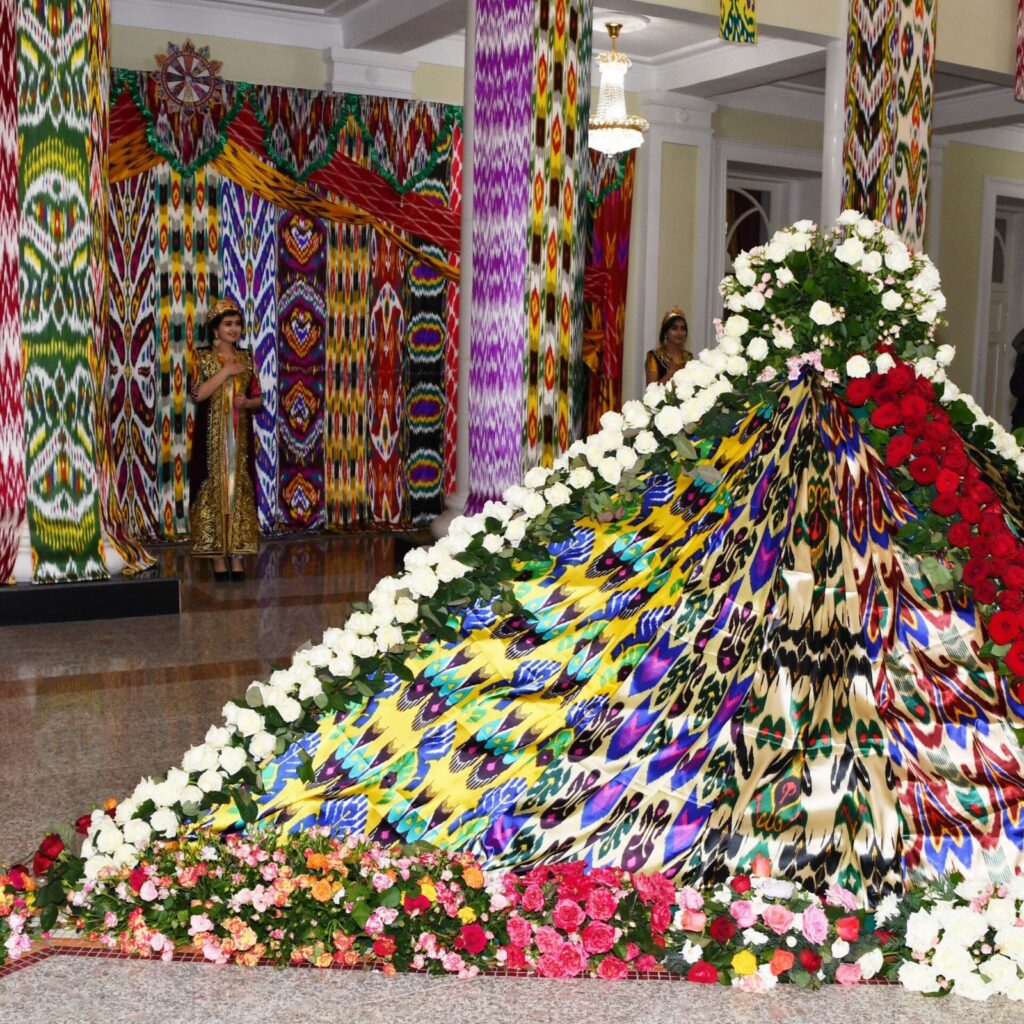
A nomination from Tajikistan for the art of atlas and adras weaving was included in the UNESCO list of Intangible Cultural Heritage, the press service of the Ministry of Foreign Affairs of Tajikistan reported. This decision was made within the framework of the 18th session of the Interstate Committee on the Intangible Cultural Heritage of UNESCO, which began on December 4th in the city of Kasane (Botswana), where representatives of the countries for the Convention for the Safeguarding of the Intangible Cultural Heritage are taking part. Meetings will continue until December 9th. Tajikistan has a particularly proud history of national clothing culture, and the secrets of weavers are passed down from generation to generation. In the Sughd region, the Atlas Khujand enterprise operates and enjoys benefits and constant support from President Emomali Rahmon. The company's silks, satin and adras - which combines both silk and cotton - are in great demand globally. Their production, which comprises many stages, requires special skills and training. Traditionally, national costumes for performances and wedding dresses are made of satin. The republic annually celebrates the holiday, “Tajik Atlas and Adras."