• KGS/USD = 0.01143 0%
  • KZT/USD = 0.00205 0%
  • TJS/USD = 0.10724 0.09%
  • UZS/USD = 0.00008 0%
  • TMT/USD = 0.28571 0%
  • KGS/USD = 0.01143 0%
  • KZT/USD = 0.00205 0%
  • TJS/USD = 0.10724 0.09%
  • UZS/USD = 0.00008 0%
  • TMT/USD = 0.28571 0%
  • KGS/USD = 0.01143 0%
  • KZT/USD = 0.00205 0%
  • TJS/USD = 0.10724 0.09%
  • UZS/USD = 0.00008 0%
  • TMT/USD = 0.28571 0%
  • KGS/USD = 0.01143 0%
  • KZT/USD = 0.00205 0%
  • TJS/USD = 0.10724 0.09%
  • UZS/USD = 0.00008 0%
  • TMT/USD = 0.28571 0%
  • KGS/USD = 0.01143 0%
  • KZT/USD = 0.00205 0%
  • TJS/USD = 0.10724 0.09%
  • UZS/USD = 0.00008 0%
  • TMT/USD = 0.28571 0%
  • KGS/USD = 0.01143 0%
  • KZT/USD = 0.00205 0%
  • TJS/USD = 0.10724 0.09%
  • UZS/USD = 0.00008 0%
  • TMT/USD = 0.28571 0%
  • KGS/USD = 0.01143 0%
  • KZT/USD = 0.00205 0%
  • TJS/USD = 0.10724 0.09%
  • UZS/USD = 0.00008 0%
  • TMT/USD = 0.28571 0%
  • KGS/USD = 0.01143 0%
  • KZT/USD = 0.00205 0%
  • TJS/USD = 0.10724 0.09%
  • UZS/USD = 0.00008 0%
  • TMT/USD = 0.28571 0%

Viewing results 1 - 6 of 6

Kazakhstan and Russia Launch Driverless Freight Transport Route

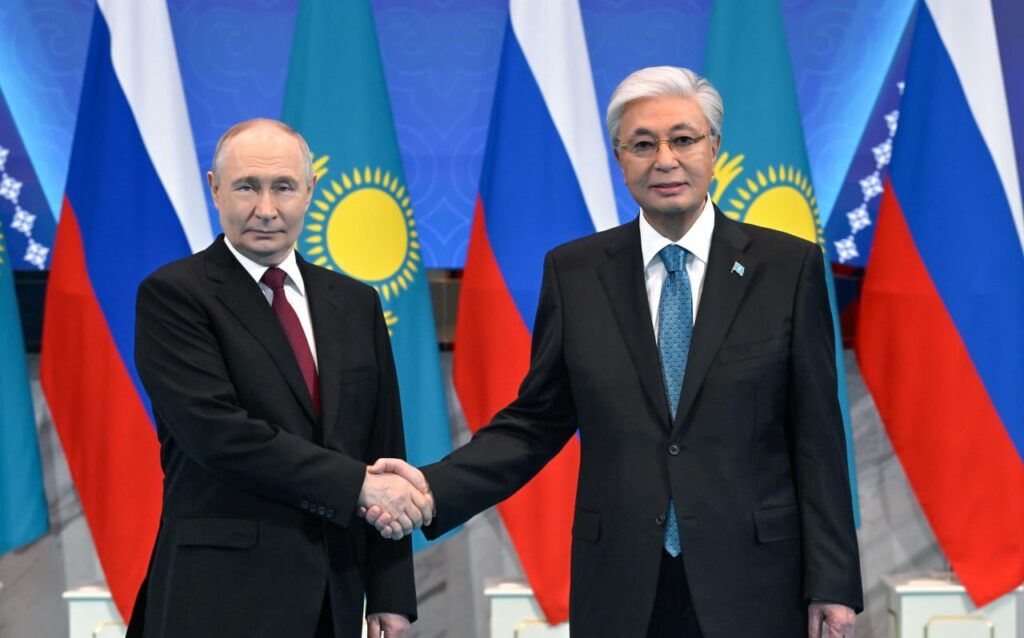
Kazakhstan and Russia have launched a pilot project for driverless freight transportation between the two countries, marking a new stage in the digitalization of Eurasian logistics and cross-border transport infrastructure. Kazakhstan's President Kassym-Jomart Tokayev announced the launch during a press conference following talks with Russian President Vladimir Putin. Commenting on the results of the negotiations, Tokayev said that transport connectivity plays a crucial role for both neighboring countries in delivering goods to domestic and international markets. He added that Kazakhstan and Russia are actively developing transcontinental transport corridors along both the North-South and East-West routes as part of wider efforts to strengthen Eurasian connectivity. “It is encouraging that systematic measures are being taken to optimize tariffs, simplify administrative procedures, and modernize border infrastructure, resulting in steady growth in cargo transportation volumes,” Tokayev said. He also said that freight volumes between the two countries reached approximately 92 million tons last year, an increase of nearly 3.5%. “We plan to continue increasing these indicators, including through the introduction of advanced digital solutions and artificial intelligence technologies. A clear example is today’s launch of driverless freight vehicles between our countries,” Tokayev added. Speaking on the sidelines of the Eurasian Economic Forum, Kazakhstan’s Vice Minister of Transport Damir Kozhakhmetov told the Russian news agency TASS that the first test routes are operating between Astana and Moscow. “As part of cooperation between our two countries, we are integrating our digital solutions in order to move from traditional systems into a new era of autonomous transportation,” Kozhakhmetov said. “Two trucks departed simultaneously from Moscow and Astana and crossed the border checkpoint. This demonstrated that we are already infrastructurally prepared to move to a new level of cooperation,” he added. Earlier, Kazakhstan’s Minister of Transport Nurlan Sauranbayev said Russia and Kazakhstan were prepared to establish permanent driverless freight routes as early as this year. Tokayev said the innovative transport initiative reflects the broader quality of bilateral relations between Kazakhstan and Russia. “In conditions of continuing turbulence in global politics, stable and predictable models of interstate partnership acquire special value,” the president said. “Relations between Kazakhstan and Russia have stood the test of time and are now successfully responding to the challenges of a new era.” According to Tokayev, bilateral cooperation is based on large-scale projects that provide practical benefits for both countries, while stable trade and economic ties continue to support growth across key sectors of their economies. He noted that bilateral trade turnover in the agricultural sector alone has increased by approximately $1 billion over the past five years. Investment cooperation has also continued to expand. Tokayev said Russia has become the largest source of foreign direct investment in Kazakhstan, with total Russian investments exceeding $29 billion. “At the same time, Kazakh investments in the Russian economy have reached $9 billion, which is also a strong indicator,” Tokayev said. According to the president, more than 20,000 companies with Russian participation currently operate in Kazakhstan. Tokayev also highlighted energy cooperation as another example of successful bilateral partnership,...

Tajikistan’s Rahmon Seeks Deeper Economic Ties During China Visit

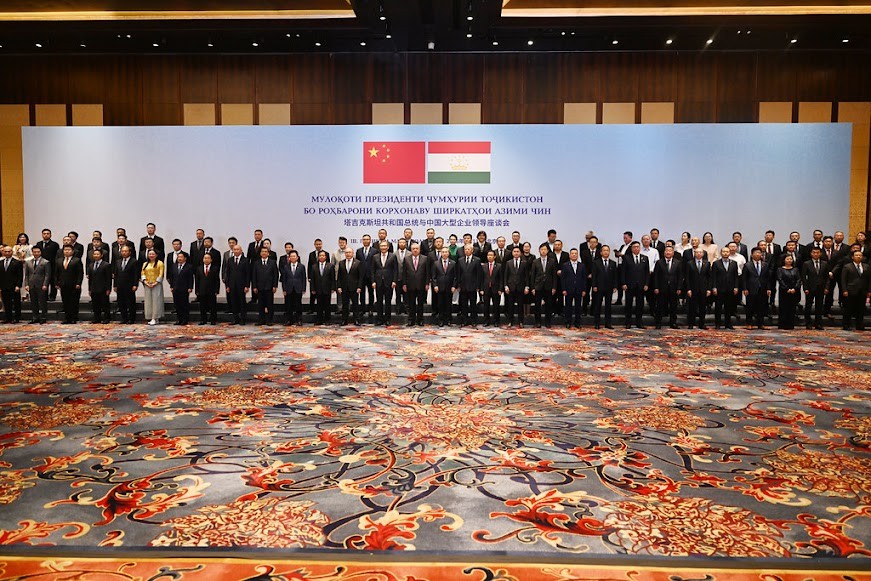
More than 700 companies with Chinese capital are operating in Tajikistan, and about 12.5% of the nearly $7 billion in foreign investment that entered the Central Asian country’s economy last year came from China, according to Tajikistan’s presidency. Tajikistan’s President Emomali Rahmon shared the data after arriving in Beijing on Monday to push for even closer economic ties with China, which surpassed Russia last year to become Tajikistan’s largest trading partner. The Chinese Foreign Ministry said Rahmon was making the May 11-14 trip at the invitation of President Xi Jinping, who will then host U.S. President Donald Trump from May 13 to 15 China is expanding economic projects and investment across Central Asia, and the rapid pace of development is evident in numerous initiatives currently underway in Tajikistan. Last month, government and industry officials from the two countries met in Dushanbe to discuss “green minerals,” the materials – abundant in Tajikistan – that are used in clean energy technologies such as solar power and electric vehicle batteries. In February, the first container train from China arrived in Tajikistan’s capital after passing through Kyrgyzstan and Uzbekistan on what the Chinese embassy said was a new trade route. “The development of modern transport and economic corridors through Tajikistan linking China and South Asian countries with the Middle East was described as another factor promoting cooperation with neighboring China,” Tajikistan’s presidency said in a summary of Rahmon’s speech in Beijing on Monday. More than 50 agreements were signed between Tajik and Chinese companies during the presidential visit. The deals are projected to attract more than $8 billion in investment to Tajikistan, the presidency said. Despite the escalation in trade ties, some economists warn that Tajikistan is becoming more economically dependent on China and that its trade deficit is deepening that vulnerability. China has also expressed concern about the safety of its Tajikistan-based workers after attacks on Chinese installations from the Afghan side of the border in the last year.