• KGS/USD = 0.01143 0%
  • KZT/USD = 0.00205 0%
  • TJS/USD = 0.10724 0.09%
  • UZS/USD = 0.00008 0%
  • TMT/USD = 0.28571 0%
  • KGS/USD = 0.01143 0%
  • KZT/USD = 0.00205 0%
  • TJS/USD = 0.10724 0.09%
  • UZS/USD = 0.00008 0%
  • TMT/USD = 0.28571 0%
  • KGS/USD = 0.01143 0%
  • KZT/USD = 0.00205 0%
  • TJS/USD = 0.10724 0.09%
  • UZS/USD = 0.00008 0%
  • TMT/USD = 0.28571 0%
  • KGS/USD = 0.01143 0%
  • KZT/USD = 0.00205 0%
  • TJS/USD = 0.10724 0.09%
  • UZS/USD = 0.00008 0%
  • TMT/USD = 0.28571 0%
  • KGS/USD = 0.01143 0%
  • KZT/USD = 0.00205 0%
  • TJS/USD = 0.10724 0.09%
  • UZS/USD = 0.00008 0%
  • TMT/USD = 0.28571 0%
  • KGS/USD = 0.01143 0%
  • KZT/USD = 0.00205 0%
  • TJS/USD = 0.10724 0.09%
  • UZS/USD = 0.00008 0%
  • TMT/USD = 0.28571 0%
  • KGS/USD = 0.01143 0%
  • KZT/USD = 0.00205 0%
  • TJS/USD = 0.10724 0.09%
  • UZS/USD = 0.00008 0%
  • TMT/USD = 0.28571 0%
  • KGS/USD = 0.01143 0%
  • KZT/USD = 0.00205 0%
  • TJS/USD = 0.10724 0.09%
  • UZS/USD = 0.00008 0%
  • TMT/USD = 0.28571 0%

Viewing results 1 - 6 of 758

President of Turkmenistan Pardons 356 Prisoners

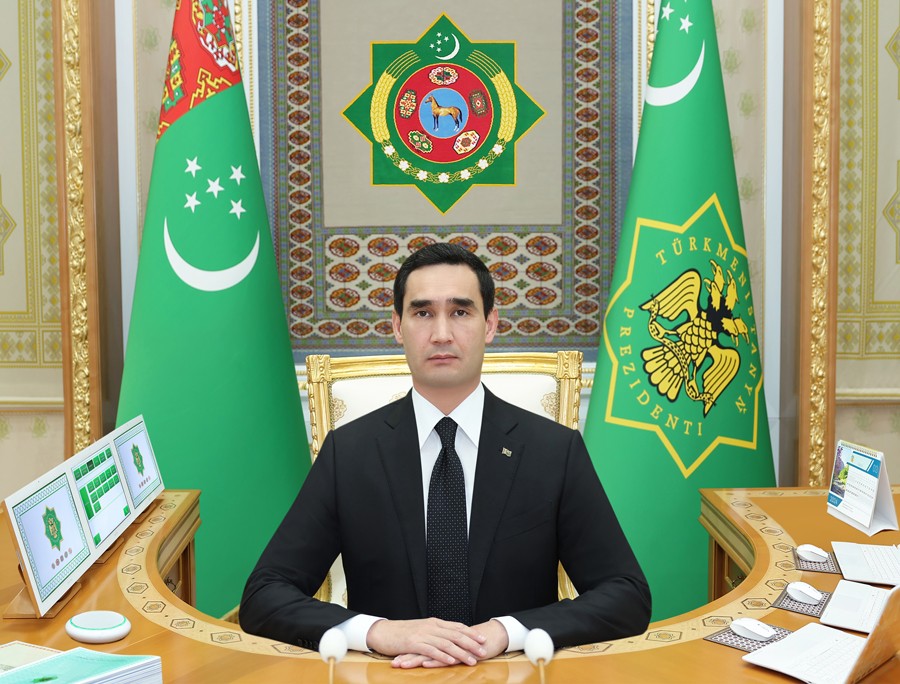
President of Turkmenistan, Serdar Berdymukhamedov has pardoned 356 people who repented for their crimes in honor of Laylat al-Qadr (The Night of Power). The head of state signed the relevant decision at the meeting of the Cabinet of Ministers, according to a report by the Turkmen state news agency. Representatives of the relevant law-enforcement agencies were instructed to release the prisoners and return them to their families in the near future. Furthermore, provincial, etrap (sub-provincial) and city mayors and other leaders were instructed to take appropriate measures to employ pardoned persons. On April 5-6, Muslims in Turkmenistan celebrate the night of power (gadyr gijesi in Turkmen), a symbol of virtue and spiritual purity. Laylat al-Qadr is, in Islamic belief, the night when Muslims believe the Quran was first sent down from heaven to the world, and also the night when the first verses of the Quran were revealed to the Islamic prophet, Muhammad.

Turkmenistan’s Government-Supplied Agricultural Services Soar in Cost

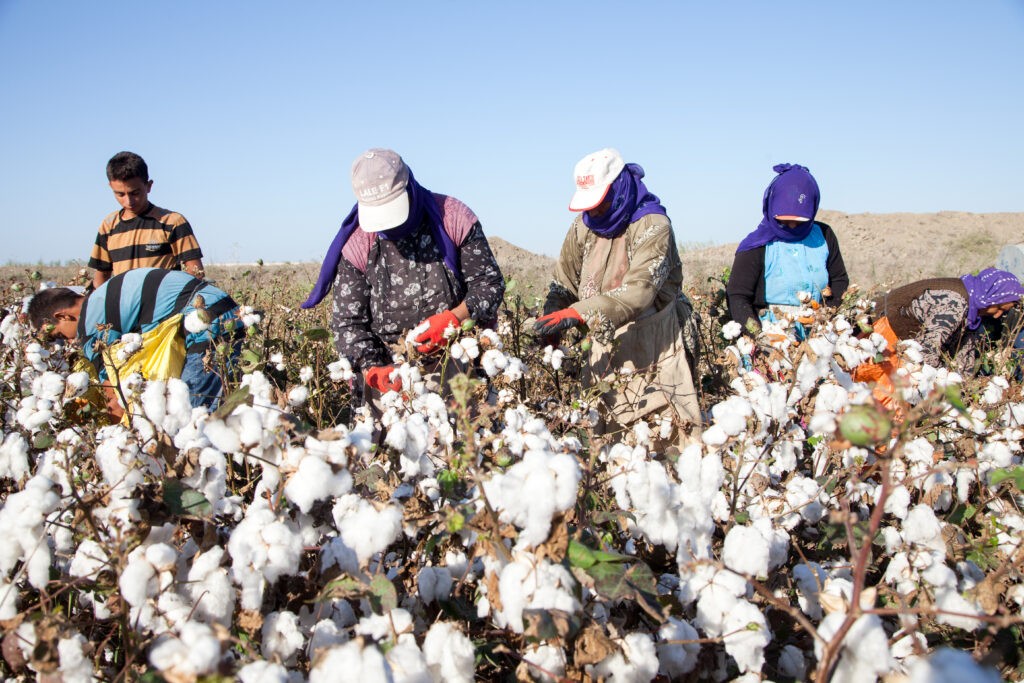
The prices for several services provided by the state to farmers in Turkmenistan have increased several times over, according to a report from news portal Turkmen.news after reviewing documents showing the old and new prices for government goods and services. The price levels in the table are separated by different productivity per hectare, which, in turn, depends on the specific area of the crop. The table defines six stages of medium-fiber cotton yield from 7 (previously 6.4) to 40 centners (one centner is 100kg) per hectare. The price of mineral fertilizers for 1 hectare was 146.64 manat ($7.5 at market rate) in the past, but since the start of 2024 it has increased to 878.7 manats ($45). Seeds for 1 hectare were delivered for 38.83 manat ($2), and now for 103.51 manats ($5). It used to cost 53.88 manat ($2.50) to irrigate 1 hectare of land, but now it costs 208.6 ($10.50). The table also calculates the income of farmers based on all these costs. Before the recent increase in cotton and grain prices, the lowest-yielding tenants received 960 manat ($49) per hectare, and after all subtractions, they were left with just 8.6 manat ($0.40). For fields of the high productivity category - 40 centners per hectare, the standard initial income is 20,000 manat ($1,000), and after fees for state services - 15,000 manat ($770) per hectare. Tenants typically farm from three to 20 hectares, often up to five hectares, depending on their means. These are mostly useless, low-fertility croplands. There remains one glaring problem beyond the price hikes for government services and goods. In practice, farmers' costs aren't limited to payments for the aforementioned services. Firstly, farmers have plenty of informal costs. For example, a tractor driver hired by a farmer doesn't go to the field for free; they should be paid at least 100 additional manat just for showing up. Furthermore, things like timely supply of high-quality and mold-free seeds and fertilizers, the battle with chronic drought - all of these hindrances require large amounts of money to overcome. Second, the official quotas for fertilizer distribution by the state are greatly underestimated. Under government guidelines, 370 kilograms of urea and 500 kilograms of nitrogen are allocated for each hectare. According to the calculations of experienced farmers, at least 600 kilograms of urea are needed per hectare. But it's impossible to get that much at the state price, so one must buy additional fertilizers from private traders at a completely different, higher price. As a result, many villagers hand over their crops to the state and become indebted for all the above services. Villagers are looking for all kinds of additional ways to earn money, most of which are illegal. So, they rent fields for cotton and grain, but at the same time they grow vegetables on a part of the land. But this requires a more expensive rent payment and a separate contract. The result is that most of the farmers are giving up farming altogether and attempting...

Ancient Turkmen City of Anau Declared Cultural Capital of the Turkic World 2024

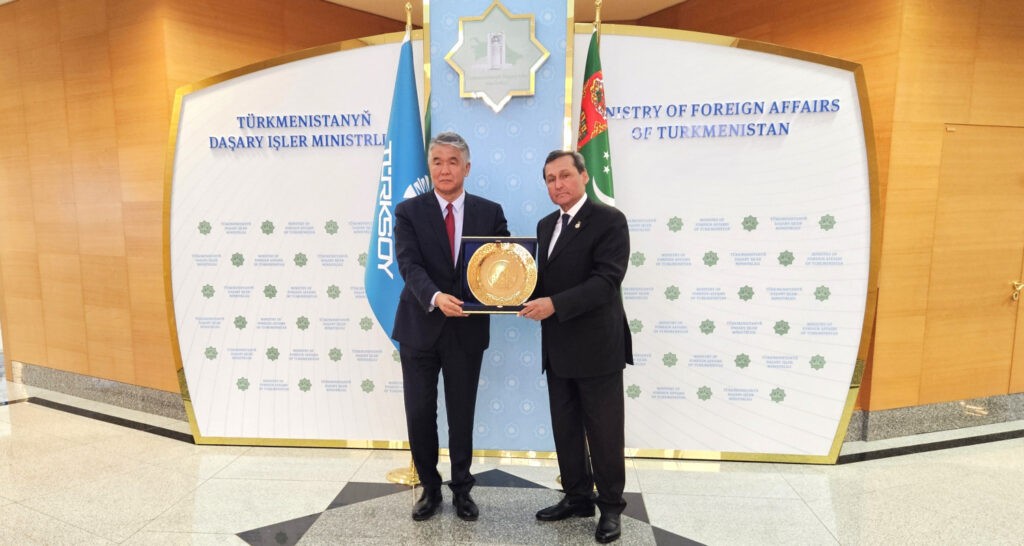
On March 25th, Rashid Meredov, Minister of Foreign Affairs of Turkmenistan and Sultanbay Raev, Secretary General of the International Organization of Turkic Culture (TURKSOY), attended a ceremony in Ashgabat for the declaration of the nomination of Turkmen city Anau as 'Cultural Capital of the Turkic World 2024'. Coinciding with the 300th anniversary of the birth of Turkmen’s beloved bard, 2024 has also been declared the ‘Year of the Great Poet and Thinker of the Turkic World: Magtymguly Pyragy.’ Revered throughout the country, the 18th century Sufi poet and spiritual teacher, Pyragy, is hailed as the father of Turkmen literature and his legacy persists through a rich ingrained tradition of Turkmen bards or ‘bagshys’ adapting his poetry to song. His image appears on numerous monuments as well as banknotes and The Magtymguly International Prize is awarded annually to distinguished scholars of Turkmen language and literature. A 197ft bronze statue, erected in Ashgabat, will be officially unveiled on June 27th; the date of a national holiday celebrating the poet. According to reports from their meeting, Meredov and Raev emphasized the importance of promoting both Magtymguly Pyragy’s legacy and the cultural significance of the ancient Turkmen city of Anau on various international platforms including those of TURKSOY, UN, and UNESCO.

UN Adopts Turkmenistan’s Peace Resolution at General Assembly

The resolution “2025: International Year of Peace and Trust” was unanimously adopted at the 63rd plenary session of United Nations General Assembly's 78th session -- a resolution that was put forth by the delegation from Turkmenistan. The resolution was suggested to increase trust between nations, and encourage disputes to be settled peacefully through diplomatic channels. Eighty-six members of the organization voted to accept the resolution.

Turkmenistan and Italy Expand Transport Cooperation

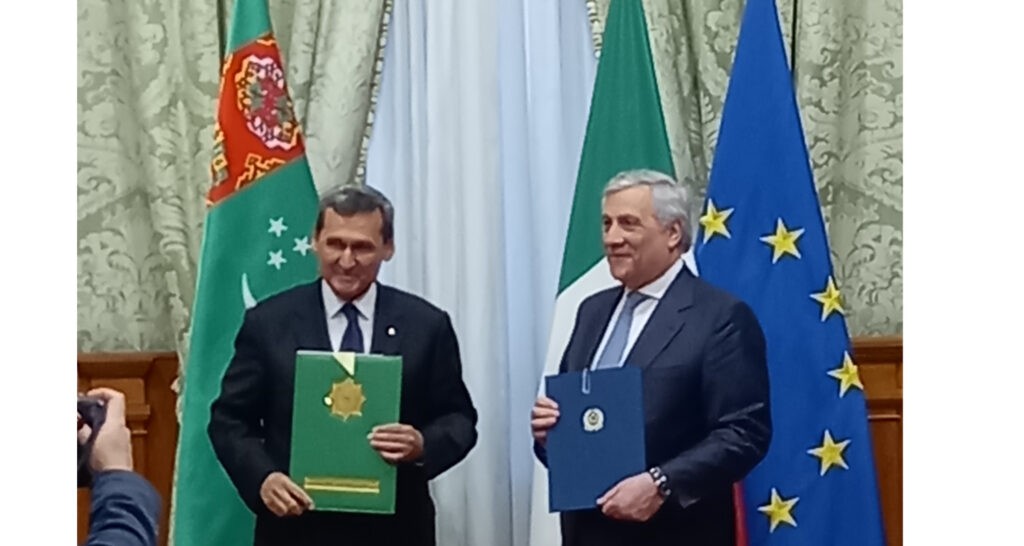
A Turkmen delegation led by the Deputy Chairman of the Cabinet of Ministers, Minister of Foreign Affairs of Turkmenistan, Rashid Meredov visited Italy on March 20th for negotiations with the Deputy Prime Minister and Minister of Foreign Affairs of Italy Antonio Tajani. The foreign ministers discussed bilateral relations in political, diplomatic, trade, economic, cultural and humanitarian sectors. The Turkmen Foreign Minister also held talks with the Deputy Prime Minister, Minister of Infrastructure and Transport of Italy, Matteo Salvini and top representatives of the Italian transport sector. The parties discussed expanding cooperation in the field of railway and maritime transport, and signed a Memorandum of Cooperation between the ports of Turkmenbashy (Turkmenistan) and Naples (Italy).

Turkmenistan Bans Iranian Colas and Face Creams

Authorities in Turkmenistan have introduced a number of new import restrictions, according to a report by correspondents from the Chronicles of Turkmenistan. At the request of Iran, the Bajgiran border crossing with Turkmenistan was closed from February 25 to March 11. The crossing is now operational, but imports of bottles of cola and hand and face cream from Iran are forbidden. Customs officials cited the discovery in February of multiple individuals smuggling drugs in cola and face cream bottles as justification for the import ban on those specific goods. Permits for commercial border crossings are granted for six months at a time, and certificates and other paperwork have to be compiled by those who wish to extend their permits. These are now only accepted on one working day per month, as opposed to previously being accepted on any working day. The one working day per month is also subject to change. On that one day, authorities will accept documents from up to 100 people. The prohibition on import of goods that are in high demand has already dealt a serious blow to cross-border merchants and traders -- even though many of them have valid permits to enter the neighboring country, and the prospects for getting new ones include a long, arduous process.